
Leaf Blower
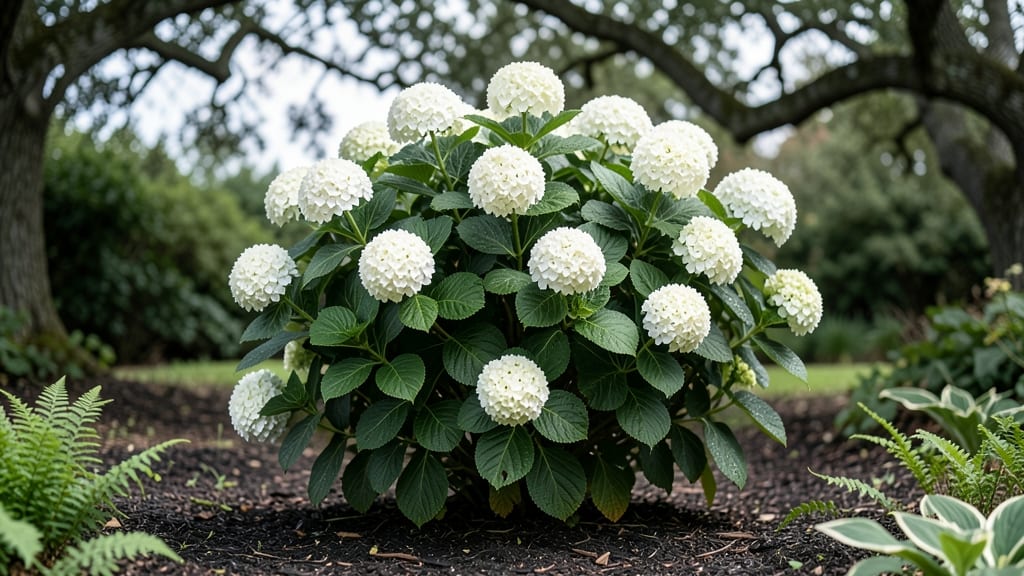
Growing a white bigleaf hydrangea transforms your garden into a dreamy, cloud-like retreat with almost no effort—just the right spot and a little patience. 🌿 I’ve watched mine go from awkward sapling to showstopper in just three seasons, and the secret isn’t complicated: it’s about sunlight, soil, and a very light touch with pruners.
These hydrangeas thrive in partial shade, where morning sun warms the leaves but afternoon shade keeps them from scorching. The soil needs to stay moist but well-draining—think rich, loamy earth with a pH between 5.2 and 6.0 (yes, that’s why your blooms might turn pink!).
Water consistently, especially in summer, and you’ll reward yourself with glossy, deep-green leaves and clusters of pure white blooms that last from mid-summer through fall.
Pruning is the easy part: just trim back last year’s flower stems in late winter or early spring, and you’re done. No need for heavy cuts—this hydrangea rewards minimal interference with bold, long-lasting blooms and foliage that stays lush even in winter.
The only real challenge? Keeping the pH just right to lock in that white color. Get it wrong, and you’ll get pink—so test your soil if your blooms start shifting hues.
📚 In This Guide
- What you need
- Instructions
- Tips and common mistakes
- Wrapping up and next steps
What you need
- ● White bigleaf hydrangea plant: 1 healthy nursery-grown specimen (3-5 gallons in a container for best results). Look for Hydrangea macrophylla ‘Annabelle’ or similar cultivars.
- ● Well-draining potting mix or garden soil: 5-10 bags (depending on planting size). Amend with 20% compost or organic matter for optimal growth.
- ● Slow-release fertilizer: 1 lb of balanced 10-10-10 or acid-loving plant fertilizer (hydrangeas thrive in slightly acidic soil, pH 5.5–6.2).
- ● Mulch: 2–3 cubic feet of pine bark, wood chips, or shredded leaves to retain moisture and regulate temperature.
- ● Pruning shears: 1 pair of sharp, bypass-pruning shears (sterilized with rubbing alcohol).
- ● Garden trowel or spade: 1 medium-sized tool for digging.
- ● Watering can or hose with a gentle spray nozzle: For deep watering (1–2 gallons per plant, 2–3 times per week).
- ○ Gloves (optional): 1 pair of gardening gloves to protect hands from thorns or soil.
- ○ Soil pH test kit (optional but helpful): To monitor acidity levels and adjust with sulfur or aluminum sulfate if needed.
- ○ Stakes or support (optional): 2–3 bamboo stakes (4–5 feet tall) and soft plant ties if your hydrangea grows tall or floppy.
- ● 🌡️ Location: Choose a spot with partial shade (4–6 hours of morning sun) to prevent leaf scorch.
- ● ✨ Pruning time: Trim back 1/3 of the oldest stems in late winter or early spring (before new growth appears).
- ● 💧 Watering: Keep soil consistently moist (not soggy) during the first growing season.
Instructions for cultivating a thriving white bigleaf hydrangea
Here's how I transform a bare-root hydrangea into a lush, year-round beauty with just a few key steps.
🌱 Step 1: Plant at the Right Time and Depth
Spring is ideal for planting white bigleaf hydrangeas, but you can also plant in early fall if your climate stays mild. Dig a hole twice as wide as the root ball but only as deep—the top of the root ball should sit 1-2 inches above ground level. This ensures proper drainage while keeping the plant stable.
Gently loosen the roots if they're circling and position the plant so the largest cluster of stems faces outward. The reason for this is that hydrangeas grow in a rounded form, and you want to encourage that natural shape from the start. Backfill with native soil, tamping lightly every 6 inches to remove air pockets.
☀️ Step 2: Select the Perfect Sunlight Spot
White bigleaf hydrangeas thrive in partial shade—think morning sun with afternoon shade or dappled sunlight through trees. Too much direct afternoon sun can scorch the leaves, while too little light weakens the stems and reduces blooms. I've found that a spot with 4-6 hours of filtered sunlight delivers the best results.
Watch for signs of stress: leaves that curl or turn yellow are begging for more shade, while crispy edges mean it's getting too much sun. If your yard only offers full sun or deep shade, consider a location where the plant can adapt gradually over a season.
💧 Step 3: Water Deeply and Consistently
Water your hydrangea deeply once a week during the first growing season, aiming for 1-1.5 inches of water per week. The key is to soak the soil until it's 6 inches deep—this encourages deep root growth. I use a soaker hose for 20-30 minutes to avoid wetting the leaves, which can lead to fungal issues.
Mulch around the base with 2-3 inches of organic mulch (like shredded bark) to retain moisture and regulate soil temperature. Keep the mulch 2 inches away from the stem to prevent rot. You'll know you're doing it right when the soil stays evenly moist but not soggy between waterings.
✂️ Step 4: Prune for Shape and Health
Prune white bigleaf hydrangeas in late winter or early spring before new growth begins. Remove dead, weak, or crossing branches first—cut back to a healthy bud or lateral branch. Then, shape the plant by trimming 1-2 inches above a leaf node on the oldest stems to encourage bushier growth.
Here's the thing—I avoid heavy pruning. Bigleaf hydrangeas bloom on old wood, so cutting back too much reduces next year's flowers. If you accidentally prune too hard, don't panic. The plant will still produce blooms, though they may be smaller. Focus on maintaining the plant's natural shape rather than drastic cuts.
🌿 Step 5: Feed and Protect for Year-Round Lushness
Apply a balanced, slow-release fertilizer in early spring (like 10-10-10) at half the recommended rate. Over-fertilizing leads to lush foliage but fewer blooms. I also add 1 inch of compost around the base in spring to improve soil health without risking nutrient burn.
In winter, protect young plants from harsh winds by wrapping the base with burlap or using a tree guard. Established hydrangeas handle cold well, but their first winter is critical. You'll know your plant is happy when it retains its leaves into late fall and pushes out fresh growth in early spring.
Tips & tricks for perfect white bigleaf hydrangea cultivation
These insights will help you avoid common pitfalls and maximize your hydrangea's potential from day one.
Planting Depth and Root Care: When planting your bare-root hydrangea, focus on the root ball's position—it should sit just 1-2 inches above soil level. This elevation prevents waterlogging while keeping the plant stable. I've found that gently loosening circling roots before planting encourages outward growth, which prevents the plant from becoming top-heavy. If your soil is particularly dense, consider adding a handful of compost to the backfill soil for better root establishment.
Sunlight Adaptation Strategy: The 4-6 hours of filtered sunlight mentioned in Step 2 is ideal, but real-world conditions often differ. If your yard offers only full sun, gradually introduce the plant by placing it in partial shade for the first month, then slowly increasing sun exposure. For deep shade locations, supplement with a grow light for 2-3 hours daily during peak growing months. This gradual adaptation prevents shock and gives your hydrangea the best chance to thrive in its permanent location.
Watering Technique: The 20-30 minute soaker hose session isn't just about quantity—it's about method. Position the hose to deliver water at the base, avoiding leaf wetting to prevent fungal diseases. I've noticed that watering in the early morning (before 9 AM) allows foliage to dry completely, further reducing disease risk. For container-grown hydrangeas, ensure the pot has drainage holes and water until you see moisture emerge from the bottom.
Pruning Precision: When shaping your hydrangea in Step 4, focus on making clean cuts just above a leaf node. The 1-2 inch rule creates perfect branching points for new growth. I recommend using sharp pruners to avoid tearing stems, which can introduce disease. For stubborn branches, make a small cut first to test the wood's resistance—this helps you determine where to make the final clean cut without damaging the stem.
Pro Tips for White Bigleaf Hydrangea
- These insights will help you avoid common pitfalls and maximize your hydrangea's potential from day one.
- Planting Depth and Root Care: When planting your bare-root hydrangea, focus on the root ball's position—it should sit just 1-2 inches above soil level.
- Sunlight Adaptation Strategy: The 4-6 hours of filtered sunlight mentioned in Step 2 is ideal, but real-world conditions often differ.
Frequently asked questions
When is the best time to prune my white bigleaf hydrangea?
Prune your Hydrangea macrophylla in late winter or early spring (before new growth emerges) to avoid cutting off next year’s blooms. If you pruned too late last year, don’t stress—just focus on shaping now. Pro tip: Deadhead faded flowers in fall to encourage fresh growth!
Why are the edges of my hydrangea leaves turning brown?
Brown leaf edges often signal underwatering or overwatering. Check soil moisture—it should feel damp but not soggy. White bigleaf hydrangeas thrive in consistently moist, well-draining soil. If the issue persists, test your soil’s pH (they prefer 5.2–6.0) or check for pests like spider mites.
Can white bigleaf hydrangeas survive winter in cold climates?
Yes! These hydrangeas are hardy to USDA Zones 5–9. In colder areas (Zones 5–6), mulch heavily around the base and wrap the plant in burlap for extra protection. Bonus: Their woody stems can handle frost, but young plants may need winter shielding.
What’s a good alternative if my hydrangea isn’t thriving?
If your white bigleaf hydrangea struggles with heat, humidity, or poor soil, consider these low-maintenance swaps:
- Oakleaf hydrangea (H. quercifolia) – Drought-tolerant with stunning fall color!
- Panicle hydrangea (H. paniculata) – Thrives in full sun and handles pruning better.
- Mountain hydrangea (H. arborescens) – Cold-hardy and blooms on new wood.
How do I prevent pests like aphids or slugs from attacking my hydrangea?
Start with prevention:
- Spray leaves with neem oil (natural insect repellent).
- Use copper tape around the base to deter slugs.
- Encourage beneficial insects (like ladybugs) with companion plants like marigolds.
Wrapping up and next steps
The white bigleaf hydrangea is a dream for gardeners who crave low-maintenance, year-round beauty—and now you’ve got the tools to make it thrive! 🌿 With its stunning blooms, adaptable nature, and minimal pruning needs, it’s the perfect addition to any landscape.
Whether you’re a seasoned gardener or just starting, this resilient plant rewards patience with vibrant, lush foliage that keeps giving.
Ready to transform your garden? Grab your pruners, mark your calendar for late winter/early spring, and give this hydrangea the care it deserves. Watch it flourish—and enjoy the compliments! 🌸