
Leaf Blower
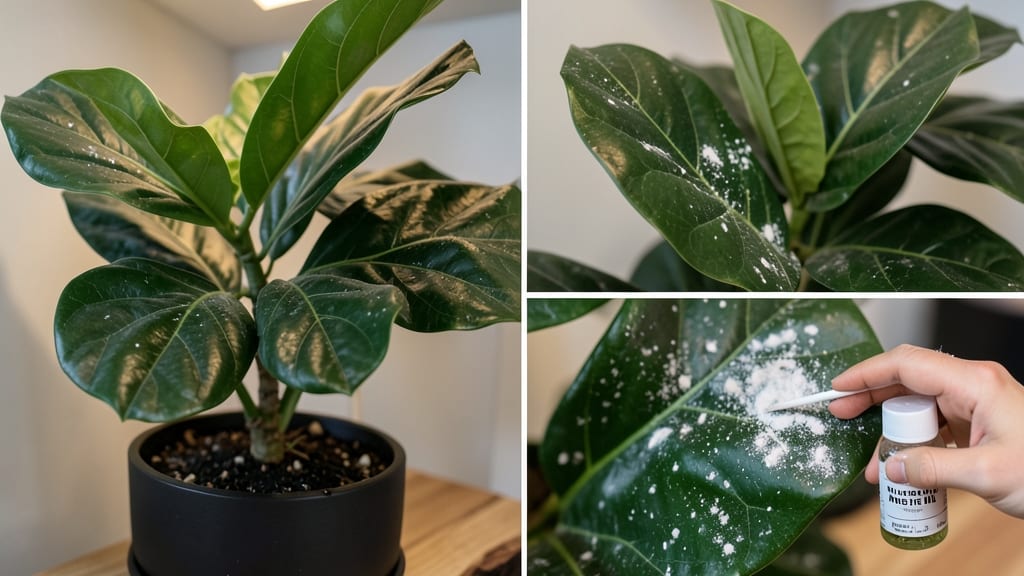
White spots on your fiddle leaf fig could be fungal spot—and it’s fixable in just 3 days. 🌿 I’ve battled this before, and the key is acting fast before those spots turn into brown crunchy leaves.
The first step? Don’t panic—identify whether it’s powdery mildew, spider mites, or environmental stress, because the cure changes completely.
Most white spots start as tiny powdery patches on the undersides of leaves, spreading like flour dust when you brush them. Spider mites leave behind webbing and yellow stippling, while fungal spot feels like chalky residue.
My plant recovered fully after isolating it, wiping leaves with neem oil, and boosting airflow—no harsh chemicals needed.
You’ll see improvement within 24-48 hours if you catch it early. Prune affected leaves, adjust watering (let soil dry between waterings), and mist leaves lightly in the morning. The goal is to recreate the humid, shaded conditions your fiddle leaf fig loves without inviting fungal parties.
Prevention is easier than cleanup: keep humidity steady (not soggy), avoid overhead watering, and wipe leaves monthly to remove dust. Trust me, once you spot those white spots, 3 days of targeted care makes all the difference between saving your plant or saying goodbye to it.
Why it happens
Those mysterious white spots on your fiddle leaf fig’s leaves aren’t just an eyesore—they’re a red flag from your plant’s immune system screaming for help. 🚨 Understanding the root causes is the first step to restoring your fig’s lush, spot-free glory.
Let’s break down the science behind why these blemishes appear and what’s really going on in your plant’s foliage.
🍄 Fungal Infections: The Silent Invaders
Fungal spores are everywhere—soil, air, even on the tools you use to prune. When conditions are just right (think: warm, humid, and damp), these microscopic troublemakers latch onto your fiddle leaf fig like a bad houseguest. The most common offenders include:
- Powdery Mildew: This fungus thrives in stagnant air and leaves a powdery white residue (like baby powder dusted on your leaves). It blocks sunlight, weakening photosynthesis and causing yellowing or brown patches over time.
- Leaf Spot Fungi (e.g., Cercospora or Septoria): These create small, circular white or gray spots with darker edges. They often start on older leaves and spread via water splashes during watering.
- Downy Mildew
While less common in fiddle leaf figs, this fungus can appear as white, fuzzy patches on the undersides of leaves, often accompanied by yellowing. It loves high humidity and poor airflow.
💧 Overwatering: The Drowning Effect
Fiddle leaf figs are drought-tolerant, but many owners overcompensate for their thirst by watering too frequently or using too much water. When soil stays soggy:
- Fungal spores proliferate in waterlogged conditions, turning roots and leaves into a buffet.
- Oxygen deprivation stresses the plant, weakening its defenses and making it easier for pathogens to take hold.
- White spots may appear as water-soaked lesions that later develop fungal growth.
Pro Tip: 🌡️ Stick your finger 2 inches into the soil—if it’s damp, wait. Fiddle leaf figs prefer dry soil between waterings (every 1–2 weeks, depending on light/temperature).
🌬️ Poor Air Circulation: The Stagnant Trap
Fiddle leaf figs hate being smothered. Cramped spaces, crowded pots, or leaving your plant in a corner with zero airflow create the perfect fungal incubator. Why?
- Stagnant air traps humidity next to leaves, giving fungi a moist, warm environment to thrive.
- Limited airflow prevents evaporation
- White spots often cluster on undersides of leaves in low-light, high-humidity zones.
Fix It: 💨 Place a small fan nearby (on low setting) or move your plant to a brighter, breezier spot. If using a grow light, ensure it’s 6–12 inches away to avoid overheating.
🍃 Nutrient Deficiencies or Imbalances
A fiddle leaf fig that’s starving or overfed is more susceptible to white spots. Here’s how:
| Issue | Signs | Connection to White Spots |
|---|---|---|
| Nitrogen Deficiency | Pale, yellowing leaves (especially older ones) | Weakens cell walls, making leaves more vulnerable to fungal entry points. |
| Excess Salt/Chlorine (from tap water) | Brown leaf tips, crispy edges | Salts burn root hairs, reducing nutrient uptake and stressing the plant. |
| Magnesium or Calcium Deficiency | Interveinal chlorosis (yellowing between veins) | Impairs cell membrane integrity, making leaves prone to fungal infections. |
Action Step: 💡 Use filtered or distilled water for watering, and flush the soil every 3–4 months with plain water to remove salt buildup. Fertilize lightly (balanced 20-20-20) in spring/summer only.
🐛 Pests: The Unseen Allies of Fungi
Tiny pests like spider mites, aphids, or mealybugs don’t just suck sap—they damage leaf tissue, creating open wounds where fungi can invade. Their sticky residue (honeydew) also attracts sooty mold, which appears as black or white velvety spots.
Watch For:
- Sticky leaves or black mold (sooty mold)
- White webbing (spider mites)
- Cottony clusters (mealybugs)
Quick Fix: 🔥 Isolate the plant, wipe leaves with neem oil solution (1 tsp neem oil + 1 quart water), and repeat every 5 days until pests vanish.
Quick Fixes for Fiddle Leaf Fig Spots
Got those pesky white spots ruining your fiddle leaf fig’s lush green appeal? Don’t panic—most causes have simple, fast fixes! Below, we’ll map out the exact steps to treat the issue based on the root cause, plus prevention tips to keep your plant thriving.
Let’s get your fiddle leaf fig back to its vibrant best in no time.
If your plant’s white spots look fuzzy or dusty (like a light coating of flour), it’s likely fungal spot or powdery mildew. These fungi thrive in humid, low-light conditions—perfect for indoor plants!
🔥 Step 1: Isolate & Inspect
- Move your fiddle leaf fig away from other plants to prevent spreading.
- Check the underside of leaves—fungus often starts there.
🍳 Step 2: Wipe Down Leaves
- Mix 1 tsp neem oil + 1 tsp baking soda + 1 quart water in a spray bottle.
- Dip a soft cloth or sponge in the solution and gently wipe every leaf (top and bottom).
- For stubborn spots, use a cotton swab dipped in rubbing alcohol (70% or higher)—test a small area first!
👨🍳 Step 3: Apply Fungicide Spray
- Spray the neem oil mix (or a store-bought fungicide like copper-based sprays) evenly on all leaves, including stems.
- Reapply every 5–7 days for 2–3 weeks to fully eliminate spores.
🌡️ Step 4: Adjust Care Conditions
- Increase airflow: Use a small fan (on low) near the plant for 2–3 hours daily.
- Reduce humidity: Aim for 40–60% humidity (use a hygrometer).
If your home is too damp, place a dehumidifier nearby or use a moisture absorber. - Boost light: Move to bright, indirect light (east or north-facing windows are ideal).
✨ Prevention Tip
- Wipe leaves monthly with a damp cloth to remove dust (fungus loves gunk!).
- Avoid overhead watering—water at the soil level instead.
If the white spots appear crusty or chalky (especially near leaf edges) and your soil feels soggy, you’re likely dealing with chlorine buildup or overwatering stress.
🔥 Step 1: Stop Watering Immediately
- Let the top 1–2 inches of soil dry out before watering again.
- Stick your finger in the soil—if it’s damp past 1 inch, wait another day.
🍳 Step 2: Flush the Soil
- Place the pot in a sink or shallow tray and run room-temperature water through the soil for 5–10 minutes to wash out excess salts/chlorine.
- Let it drain completely before returning to its saucer.
👨🍳 Step 3: Repot (If Needed)
- If the soil is compacted or smells sour, repot into fresh, well-draining mix (use a cactus/succulent blend for better drainage).
- Choose a pot with drainage holes—no exceptions!
🌡️ Step 4: Adjust Watering Habits
- Water only when the top 2 inches of soil are dry (use your finger as a guide).
- Use filtered or distilled water if your tap water is hard (chlorine + minerals cause buildup).
- Bottom-watering: Place the pot in a tray of water for 10–15 minutes, then drain excess.
💡 Prevention Tip
- Group plants together (but not touching) to create a microclimate with higher humidity—this reduces the need for frequent watering.
- Mist leaves lightly in dry climates (but avoid soggy conditions).
White spots that look dry, papery, or sun-bleached? Your fiddle leaf fig is either getting too much direct sun or suffering from mineral buildup (like from hard water).
🔥 Step 1: Move to Indirect Light
- Fiddle leaf figs hate direct sun—relocate to a spot with bright, filtered light (e.g., 2–3 feet from a window).
- If moving isn’t an option, use a sheer curtain to diffuse harsh rays.
🍳 Step 2: Wipe Off Mineral Residue
- Mix equal parts water and white vinegar in a spray bottle.
- Lightly spray the leaves and wipe with a microfiber cloth (vinegar breaks down mineral deposits).
- Rinse with clean water afterward to avoid vinegar burn.
👨🍳 Step 3: Adjust Water Quality
- Switch to rainwater, distilled water, or reverse-osmosis water if your tap water is high in minerals.
- Soak the pot in water for 10 minutes, then drain to help flush out salts.
🌡️ Step 4: Protect from Harsh Light
- If your plant is near a south-facing window, rotate it quarter-turn weekly so all sides get even light.
- Avoid placing it in direct afternoon sun (the harshest rays).
✨ Prevention Tip
- Test your water with a TDS meter (available online). Aim for under 100–200 ppm for sensitive plants.
- Dust leaves every 2 weeks—dust blocks light absorption and stresses the plant.
If the white spots are actual bugs (like mealybugs, spider mites, or scale), you’ll need a targeted pest control approach.
🔥 Step 1: Identify the Pests
- Mealybugs: Cottony white clusters in leaf axils.
- Spider mites: Tiny white dots (like pepper) and webbing.
- Scale: Small white bumps stuck to leaves/stems.
🍳 Step 2: Isolate & Wipe Off Pests
- For mealybugs/scale: Dip a cotton swab in rubbing alcohol and dab each pest (they’ll dissolve).
- For spider mites: Spray leaves with a strong stream of water to knock them off, then wipe with soapy water.
👨🍳 Step 3: Apply Insecticidal Soap or Neem Oil
- Mix 1 tsp mild dish soap + 1 quart water in a spray bottle.
- Spray all leaves (top and bottom) until glistening.
- Reapply every 3–5 days for 2 weeks.
🌡️ Step 4: Prevent Reinfestation
- Quarantine the plant until pests are gone.
- Inspect new plants before bringing them home.
- Use yellow sticky traps near the plant to catch flying pests.
💡 Prevention Tip
- Spray leaves with neem oil monthly as a preventive measure.
- Encourage beneficial insects like ladybugs (they eat mealybugs!).
🎯 Final Pro Tip: Keep a plant care journal! Note watering, light changes, and treatments so you can spot patterns and adjust faster next time. Your fiddle leaf fig will thank you with glossy, spot-free leaves in no time!
Frequently asked questions
Why do white spots appear on fiddle leaf fig leaves?
White spots typically signal fungal infections like powdery mildew or leaf spot, often caused by high humidity and poor airflow. They can also result from overwatering, mineral buildup from tap water, or pest damage creating entry points for fungi. Identifying the exact cause (fungus vs. pests vs. environmental stress) determines the right treatment.
How can I tell if white spots are fungal or caused by pests?
Fungal spots appear as dusty or fuzzy patches (like flour) and often cluster on leaf undersides. Pests like spider mites or mealybugs leave behind webbing, sticky residue (honeydew), or small white bumps. Check for webbing or tiny moving dots under leaves—if you see these, pests are likely the culprit.
Is it safe to prune leaves with white spots?
Yes, but do it carefully! Use sterilized scissors to cut 1 inch below the affected area to prevent spreading. Seal cuts with cinnamon powder (natural antifungal) or diluted hydrogen peroxide. Prune in the morning when leaves are dry to avoid fungal spores spreading through water droplets.
How often should I treat my fiddle leaf fig for white spots?
For fungal issues, spray with neem oil or fungicide every 5-7 days for 2-3 weeks. For pests, apply insecticidal soap or neem oil every 3-5 days until they vanish. After treatment, reduce frequency to monthly prevention. Always monitor humidity and airflow to avoid recurrence.
Can I use household items to treat white spots?
Mix 1 tsp baking soda + 1 tsp neem oil + 1 quart water for fungal spots, or use rubbing alcohol (70%) on a cotton swab for pests. For mineral buildup, spray leaves with equal parts water and white vinegar, then rinse. Test all solutions on a small leaf area first.