
Pruning
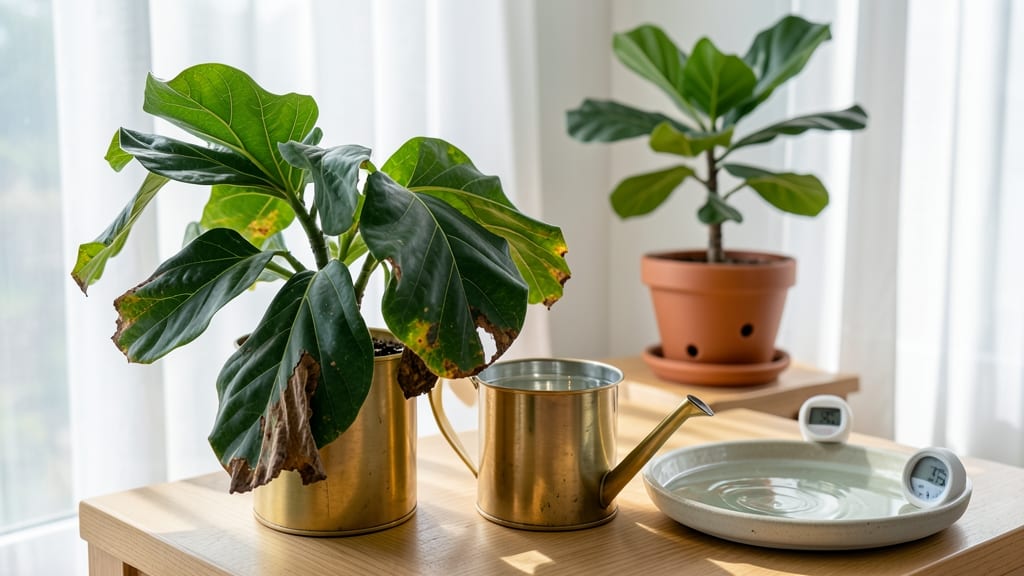
Why is my fiddle leaf fig droopy?—it could mean anything from thirst to root rot, and we’ll diagnose it fast. 🌿 I’ve nursed more than my share of sad-looking fiddle leaf figs back to life, and the key is spotting the right clues: dry soil, yellow leaves, or mushy stems all point to different fixes. Most of the time, it’s a simple watering or light adjustment, but sometimes it’s deeper (like root rot), and we’ll handle that too.
Start by checking the soil: stick your finger in 2 inches deep—if it’s bone dry, you’ve been underwatering; if it’s soggy, overwatering is the culprit. Next, inspect the leaves: crispy edges mean too little humidity, while brown spots could signal pests or fungal issues.
Fiddle leaf figs hate inconsistency, so let’s get your care routine back on track with three quick checks that cover 90% of the problems.
Within a week, you’ll see the difference: leaves perk up, new growth appears, and that droopy silhouette turns into the lush, upright plant you love. The secret?
Treating each symptom like a puzzle—watering right, adjusting light, and pruning damaged leaves to redirect energy. No more guessing: we’ll fix it step by step.
Once you’ve got the basics down, we’ll talk about long-term care to keep your fiddle leaf fig thriving—because the last thing you want is to repeat this drama next month. Trust me, your plant will thank you with bold, glossy leaves that make every room feel brighter.
📚 In This Guide
- What you need
- Instructions
- Tips and common mistakes
- Wrapping up and next steps
What you need
- ● Water: Room-temperature, filtered or distilled water (1-2 gallons, depending on pot size). Pro tip: Avoid tap water with high chlorine or fluoride—let it sit out for 24 hours if unsure! 💧
- ● Spray bottle: 8–16 oz (for misting leaves or hydrating roots gently).
- ● Pruning shears: Sharp, sterilized shears (or clean scissors) for trimming damaged leaves or stems. ⚠️ Sanitize with rubbing alcohol before/after use!
- ● Well-draining potting mix: 1–2 bags (3–5 gallons) of a moisture-retentive yet aerated mix (e.g., 50% peat/coir, 30% perlite/pumice, 20% orchid bark).
- ● Pot (if repotting): 1–2 inches larger in diameter than the current pot, with drainage holes. Terracotta is ideal for airflow! 🏺
- ● Drainage tray or saucer: To catch excess water and prevent root rot.
- ● Houseplant fertilizer: Balanced liquid fertilizer (e.g., 10-10-10 or 20-20-20, diluted to half-strength). 💡 Use sparingly—over-fertilizing stresses the plant!
- ● Hydrogen peroxide (3% solution): 1 cup (for root soak or cleaning pots).
- ● Neem oil or insecticidal soap: 1 bottle (if pests like spider mites or scale are suspected).
- ○ Plastic wrap or humidity dome: Optional but helpful for creating a mini greenhouse effect during recovery.
- ● Moisture meter: To check soil hydration without guesswork.
- ● Rooting hormone: For propagating cuttings if pruning is extensive.
- ● LED grow light: If your plant lacks natural light (12–16 hours/day).
- ● Copper or aluminum foil: To wrap pots and prevent root rot from cold drafts.
- ● Journal or app: To track watering, light exposure, and symptoms for future reference.
Quick fixes to revive your droopy fiddle leaf fig
Here's how to diagnose and fix the most common reasons your fiddle leaf fig loses its perkiness.
💧 Step 1: Check the Watering Schedule
Fiddle leaf figs hate soggy roots but also can't handle dry spells. Stick your finger 1-2 inches deep into the soil—if it feels dry, it's time to water. Overwatering is the #1 cause of droop, so always wait until the top 2-3 inches feel bone-dry before adding more moisture. I use the "soak and dry" method: water deeply until it runs out the drainage hole, then wait until the soil is dry again.
If the soil feels damp but your plant is still droopy, the roots might be suffocating. Let the top 3-4 inches dry out completely before watering again. You'll know you've got the rhythm right when new leaves unfurl with crisp, upright growth instead of wilting.
☀️ Step 2: Assess Light Conditions
Fiddle leaf figs crave bright, indirect light—think 6-10 feet from a south-facing window. If your plant is drooping toward the light, it's stretching for more. Rotate the pot a quarter turn weekly so all sides get even exposure. Direct sun (especially afternoon rays) will scorch leaves, while too little light causes weak, leggy growth.
Here's a quick test: If you can see your handprint on the leaves when they're in shade, the light is too weak. Move it closer to a window or supplement with a grow light for 12-14 hours daily. You'll notice leaves perking up within 3-5 days of better light.
🌿 Step 3: Inspect for Pests and Stress Signs
Run your fingers along the stems and under leaves—look for sticky residue (aphids), white webbing (spider mites), or tiny black dots (scale). These pests suck moisture from leaves, causing droop. Wipe leaves with a damp cloth and treat with neem oil (mix 1 tsp per quart of water) if you spot any. I spray the undersides of leaves first, where pests hide.
Check the soil surface for yellowing lower leaves—this signals root rot from overwatering. If the pot feels light (empty) or smells foul, the roots may be rotting. Repot in fresh, well-draining soil and trim any mushy roots with sterilized scissors. Healthy roots should be firm and light brown.
⏰ Step 4: Adjust Humidity and Temperature
Fiddle leaf figs thrive in 40-60% humidity. If your home is dry (especially in winter), group plants together or use a pebble tray (fill a tray with pebbles and water, place the pot on top). Mist leaves 2-3 times weekly, but avoid wetting the crown where leaves meet the stem—this encourages fungal issues.
Keep temps between 65-80°F—drafts, AC vents, or cold windowsills shock the plant. If your home runs cooler, move the plant away from exterior walls. You'll see leaves perk up within 24-48 hours of stable humidity and temperature.
✂️ Step 5: Prune Damaged Leaves and Encourage New Growth
Snip off yellow or brown leaves at the base with clean scissors—this redirects energy to healthy growth. If the droop is severe, prune 1/3 of the leggy stems just above a leaf node. New growth will sprout from there, and the plant will regrow bushier. I always sterilize my scissors with rubbing alcohol to prevent infection.
After pruning, fertilize lightly with a balanced liquid fertilizer (like 10-10-10) diluted to half strength. Feed only when the plant shows new growth—over-fertilizing burns roots and causes more droop. You'll see fresh leaves within 4-6 weeks if the plant's stress factors are resolved.
Tips & tricks for reviving your fiddle leaf fig
Here's what nobody tells you about bringing your fiddle leaf fig back from the brink.
Soil Test Tip: The finger test in Step 1 is crucial, but here's the thing—soil moisture varies by pot size. In larger containers (12+ inches), check moisture at 3-4 inches deep instead of 1-2 inches. I've seen people overwater because they only checked the top layer, thinking it was dry when the roots were still soggy. Use a moisture meter if you're unsure—it takes the guesswork out of it.
Light Rotation Secret: That quarter turn weekly in Step 2 isn't just for even growth—it's also a way to spot-check for pests. After rotating, run your fingers along the newly exposed stems. You'll often find spider mites or scale hiding in the crevices they missed before. This simple habit can catch problems before they spread.
Neem Oil Application: When treating pests in Step 3, I've found that adding a drop of mild dish soap to your neem oil mixture (1 tsp neem + 1 drop soap per quart of water) helps it stick better to the leaves. The soap acts as a surfactant, breaking surface tension so the solution coats the leaves more thoroughly. Just avoid getting it on the soil—it can harm beneficial microbes.
Humidity Hack: For the 40-60% humidity range in Step 4, try this quick trick: Place your plant on a bed of damp sphagnum moss in a tray (not sitting in water). The moss holds moisture longer than pebbles and provides a more stable humidity environment. I've seen plants perk up within 24 hours using this method, especially in dry winter air. Just refresh the moss every few days.
Pro Tips for Why Is My Fiddle Leaf Fig Droopy
- Here's what nobody tells you about bringing your fiddle leaf fig back from the brink.
- Soil Test Tip: The finger test in Step 1 is crucial, but here's the thing—soil moisture varies by pot size.
- Light Rotation Secret: That quarter turn weekly in Step 2 isn't just for even growth—it's also a way to spot-check for pests.
Frequently asked questions
Got more questions about your droopy fiddle leaf fig? You’re not alone—these plants are sensitive but rewarding once you understand their needs! Here are answers to the most common concerns:
Why does my fiddle leaf fig droop even after watering?
If your plant is still droopy after watering, it might be overwatered or suffering from root rot. Check the soil—if it’s soggy or smells foul, let it dry out completely for a few days. Yellow leaves or mushy stems are red flags. Prune any damaged roots if needed!
How long does it take for a fiddle leaf fig to perk up after fixing the issue?
Recovery time varies! With proper care (bright, indirect light and balanced watering), you might see improvement in 3–7 days. Severe cases (like root rot) could take 2–4 weeks. Stay patient—consistency is key. Boost light exposure to speed up revival.
Can I use ice cubes to help my droopy fiddle leaf fig?
While ice cubes can help some plants by slowly hydrating roots, fiddle leaf figs are sensitive to temperature shock. Instead, water deeply at the soil level until it drains from the bottom. Avoid cold water—stick to room temperature for safety.
Should I cut off droopy leaves to save my plant?
Only prune dead or brown leaves—they drain energy. If leaves are wilted but green, trim them above a node (where leaves grow) to encourage new growth. Use clean, sharp scissors and sterilize them first to prevent infections.
What’s the fastest way to revive a severely droopy fiddle leaf fig?
Act fast with this 3-step fix:
- Light: Move to bright, indirect light (east/west windows or grow lights).
- Water: Soak the soil, then let it dry 50% before watering again.
- Humidity: Mist leaves or use a pebble tray to add moisture.
Wrapping up and next steps
A droopy fiddle leaf fig doesn’t mean the end of the line—it’s just a cry for help! 🌿 With the right care, your plant can bounce back to its vibrant best. Start by diagnosing the issue (overwatering? underwatering? stress?), then adjust your routine with confidence.
Next steps: Monitor your plant’s progress for a week, tweak as needed, and celebrate small wins—like perky leaves! If all else fails, don’t hesitate to consult a local plant expert or gardening community for tailored advice. Your green friend is worth the effort! 💚