
Pests and Diseases
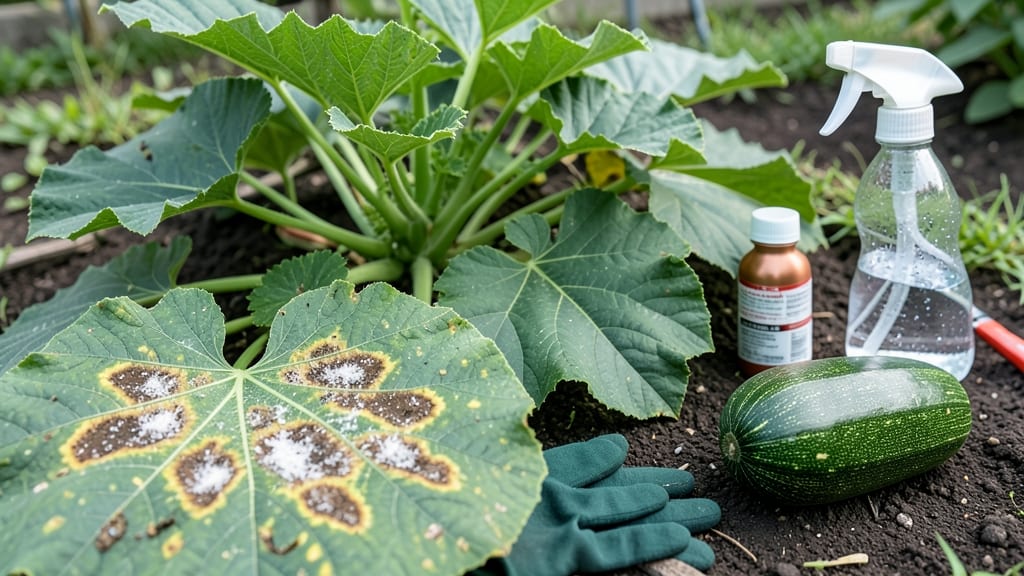
Your zucchini leaves are telling you something’s wrong—those white, yellow, or dark spots aren’t just part of the plant’s character. 🌿 I’ve battled zucchini leaf disease in every season, and the key to saving your harvest is catching it early.
Powdery mildew looks like dusting, downy mildew hides yellow splotches on undersides, while bacterial spot creates tiny water-soaked holes that ooze when touched.
The good news? Most of these diseases thrive in crowded, humid conditions, so proper spacing and airflow cut prevention in half. I’ve found that neem oil sprays (applied at dusk) stop powdery mildew dead in its tracks, while copper fungicides tackle bacterial spot before it spreads.
The first sign? Check undersides—that’s where downy mildew starts its takeover.
By the time you see full-blown spots, it’s too late for spot treatments—prune infected leaves immediately and compost them far from your garden. Healthy plants bounce back fast when you remove the problem early, and morning watering (never overhead) keeps foliage dry longer, reducing bacterial spread.
This works for all zucchini varieties, from bush types to vining monsters. The secret? Watch daily—diseases move fast, but so do your fixes. Once you spot the pattern, you’ll catch it before it ruins your summer harvest.
Root Causes Of Leaf Decline
Understanding why zucchini leaves develop disease is the first step to prevention. These issues often stem from a mix of environmental stress, microbial attacks, or poor plant health. Below, we break down the key culprits behind leaf discoloration, spots, or wilting—so you can address them before they spread.
Fungi thrive in warm, humid conditions and are the #1 cause of zucchini leaf disease.
Common offenders include: - Powdery Mildew (Erysiphe cichoracearum): Appears as white, powdery patches on leaves, blocking sunlight and stunting growth. - Downy Mildew (Pseudoperonospora cubensis): Causes yellow spots on the top of leaves and fuzzy gray growth on the undersides—often fatal if untreated. - Alternaria Leaf Spot (Alternaria spp.): Produces dark, concentric rings on leaves, leading to premature leaf drop.
Why it happens: Fungi spread via spores carried by wind, water, or contaminated tools. Overhead watering, poor airflow, and dense plantings create the perfect breeding ground. 💡 Pro tip: Fungi love humidity—keep leaves dry and space plants 18–24 inches apart to improve airflow.
Bacteria like Pseudomonas syringae or Xanthomonas campestris cause water-soaked spots that turn yellow or brown. Unlike fungi, bacterial diseases often appear suddenly and can spread within days.
Why it happens:
- Wet foliage from rain or overhead irrigation creates ideal conditions for bacteria to enter through leaf wounds (e.g., from hail, insects, or pruning).
- Contaminated soil or tools can harbor bacteria, infecting new plants.
- High humidity (above 75%) accelerates bacterial growth.
💡 Pro tip: Sterilize pruners with rubbing alcohol (70% or higher) between plants to prevent cross-contamination.
Zucchini leaves may develop yellowing (chlorosis), browning edges, or stunted growth due to nutrient imbalances.
The most common deficiencies include: - Nitrogen (N) deficiency: Leaves turn pale yellow, starting from the oldest leaves (a sign the plant can’t support growth). - Magnesium (Mg) deficiency: Interveinal yellowing (between leaf veins) due to poor chlorophyll production. - Potassium (K) deficiency: Brown, crispy edges on older leaves (a classic "scorch" symptom).
Why it happens:
- Poor soil quality: Compacted, sandy, or clay-heavy soils lack essential nutrients.
- Overwatering or underwatering: Both disrupt root uptake of nutrients.
- pH imbalances: Zucchini prefer 6.0–7.0 pH; acidic or alkaline soil locks out nutrients like phosphorus or calcium.
💡 Pro tip: Test your soil every 2–3 years. If deficiencies persist, amend with compost or a balanced organic fertilizer (e.g., 5-5-5 NPK).
Insects like aphids, cucumber beetles, and spider mites weaken zucchini leaves by:
- Feeding on sap (aphids), causing curled, sticky leaves and honeydew (a fungal magnet).
- Scraping leaf surfaces (beetles), creating wounds that invite disease.
- Suctioning cell fluids (mites), leading to stippling (tiny white/yellow dots) and leaf drop.
Why it happens:
- Lack of beneficial predators: Ladybugs and lacewings keep pests in check—without them, infestations explode.
- Drought stress: Weakened plants attract pests as they search for easy meals.
- Monoculture gardening: Planting only zucchini (or squash family crops) creates a pest buffet.
💡 Pro tip: Introduce companion plants like marigolds (repel nematodes) or nasturtiums (trap aphids). Neem oil (1 tsp per quart of water) also disrupts pest life cycles.
Extreme weather or poor growing conditions compromise zucchini resilience, making them susceptible to disease:
- Heat stress (above 90°F): Causes sunscald—bleached, papery patches on leaves exposed to direct sun.
- Frost damage: Blackened, mushy leaves from sudden cold snaps (below 50°F).
- Poor drainage: Waterlogged roots suffocate plants, leading to root rot (Phytophthora or Pythium), which spreads to leaves.
Why it happens:
- Improper mulching: Organic mulch (straw, leaves) helps regulate soil temp, but plastic mulch can overheat roots.
- Inadequate shade: Young plants need afternoon shade in hot climates to prevent scorching.
- Clay soil: Holds too much moisture, promoting root rot.
💡 Pro tip: Raise beds or use container gardening for heavy clay soils. Drip irrigation (vs. overhead) keeps foliage dry and roots happy.
Fixing Fungal and Bacterial Leaf Troubles
Now that you’ve identified the cause of your zucchini’s leaf woes—whether it’s fungal spots, bacterial blight, or powdery mildew—it’s time to take action. The good news? Most of these issues can be tackled organically, without harsh chemicals.
Below, we’ll map out targeted fixes based on the root cause, plus long-term prevention tips to keep your plants thriving.
Fungal diseases like powdery mildew or alternaria leaf spot thrive in damp, crowded conditions. Here’s how to eliminate the fungus and protect your zucchini:
🍳 Immediate Treatment: Baking Soda Spray (Best for Powdery Mildew)
Fungi hate alkaline conditions—baking soda disrupts their growth while being completely safe for plants.
- Mix: 1 tsp baking soda + 1 quart water + a drop of dish soap (helps it stick).
- Spray: Coat both sides of leaves thoroughly, focusing on undersides where spores hide.
- Frequency: Apply every 7–10 days until new growth appears (usually 2–3 weeks).
- Pro Tip: 💡 Add 1 tsp of hydrogen peroxide (3%) to the mix for extra antifungal power.
👨🍳 Neem Oil or Copper Fungicide (For Stubborn Spots)
If baking soda isn’t enough (e.g., alternaria or early blight), reach for: - Neem Oil: Mix 1 tbsp neem oil + 1 tsp mild soap + 1 quart water.
Spray at dusk (avoids burning leaves). - Copper Fungicide: Use organic copper-based sprays (like Bonide Copper Fungicide) once every 2 weeks for severe cases. - Prevention: 🌡️ Water plants at the base, not overhead, to keep leaves dry.
🥘 Remove and Replace Infected Leaves
- Snip off yellowed or spotted leaves with clean pruners (sterilize with rubbing alcohol).
- Dispose of infected debris in the trash (not compost)—fungi can survive in soil!
Bacterial leaf spot (Xanthomonas campestris) spreads via water splashes. Prevention is key—once it takes hold, control is tricky.
🔪 Prune Aggressively
- Remove all infected leaves immediately—don’t wait! Bacteria multiply fast.
- Dispose of clipped leaves in sealed bags (not compost).
💦 Adjust Watering Practices
- Water deeply but infrequently (1–2 inches per week) to avoid soggy soil.
- Water in the morning so leaves dry quickly.
- Avoid overhead sprinklers—use drip irrigation or a soaker hose.
🌱 Copper-Based Sprays (Only for Early Stages)
- Copper fungicide can slow bacterial spread if caught early.
- Do NOT use once symptoms appear—it’s too late.
🎯 Prevention for Next Season
- Rotate crops—don’t plant zucchini or squash in the same spot for 3+ years.
- Solarize soil (cover with clear plastic for 4–6 weeks in summer) to kill bacteria.
- Choose resistant varieties like ‘Defender’ or ‘Tiger Bush’ zucchini.
This white, powdery coating loves humidity and crowded plants. Break the cycle with these steps:
⏰ Improve Airflow
- Space plants 2–3 feet apart (or prune nearby foliage).
- Use trellises if your zucchini grows vining varieties.
🌡️ Reduce Humidity
- Mulch with straw to keep soil moist (not leaves).
- Avoid nighttime watering—fungi thrive in damp evenings.
✨ Homemade Remedies
- Milk spray: Mix 1 part milk + 9 parts water + 1 tsp soap. Spray weekly (milk contains proteins that inhibit fungal growth).
- Compost tea: Brew 1 cup compost in 5 gallons water for 24 hours, strain, and spray.
Once you’ve treated the current issue, stop it from returning with these habits:
| Problem | Prevention Tip | How to Do It |
|---|---|---|
| Fungal Spread | Crop rotation | Plant zucchini in a new spot every year. |
| Bacterial Blight | Sterilize tools | Wipe pruners with rubbing alcohol between plants. |
| Powdery Mildew | Resistant varieties | Try ‘Eight Ball’ or ‘Black Beauty’ zucchini. |
| All Diseases | Healthy soil | Add compost + mycorrhizal fungi to boost plant immunity. |
Final Pro Tip: 🌱 Inspect leaves weekly—catching issues early means less work and healthier plants!
By following these cause-specific fixes, your zucchini should bounce back in 2–4 weeks. Stay consistent with prevention, and you’ll enjoy disease-free, productive plants all season!
Frequently asked questions
What’s the first thing I should do if I spot zucchini leaf disease?
Isolate the affected plant immediately to prevent spread. Remove and dispose of any visibly diseased leaves (don’t compost them!) and sterilize your pruners with rubbing alcohol. Then focus on improving airflow around the plant by spacing it properly or pruning nearby foliage. This buys you time to identify the specific disease and apply targeted treatments.
Can I still eat zucchini with leaf disease?
Only if the disease hasn’t spread to the fruit itself. Check for signs like soft spots, discoloration, or fungal growth on the zucchini’s surface. When in doubt, peel and cook thoroughly—some bacterial diseases can be killed by heat. However, if the leaves show advanced powdery mildew or bacterial spots, it’s safer to remove the entire plant to protect next year’s harvest.
How often should I spray preventative treatments like neem oil?
For prevention, apply neem oil or baking soda sprays every 7–10 days during warm, humid weather (peak growing season). If you’re treating an active infection, increase to weekly applications until new growth appears. Always spray in the evening to avoid leaf burn from sunlight. Remember to rotate treatments—don’t use the same product continuously, as pathogens can develop resistance.
Will my zucchini recover if I remove all the diseased leaves?
Yes, but only if you catch it early and address the root cause. Removing infected leaves stops the spread, but the plant needs proper care to recover: improve airflow, adjust watering practices, and apply targeted treatments. With consistent care, zucchini plants are resilient and can produce new healthy leaves within 2–4 weeks. However, severe cases may require removing the entire plant to prevent reinfection.
Can I use the same soil for next year’s zucchini if it had leaf disease?
Not without treatment. Fungal spores and bacterial pathogens can survive in soil for years. Practice crop rotation by planting zucchini in a different spot each year, and consider solarizing the soil (covering it with clear plastic for 4–6 weeks) to kill pathogens. For bacterial issues, solarization combined with compost amendments can restore soil health. Avoid planting squash family crops in the same area for at least 3 years.