
Planting
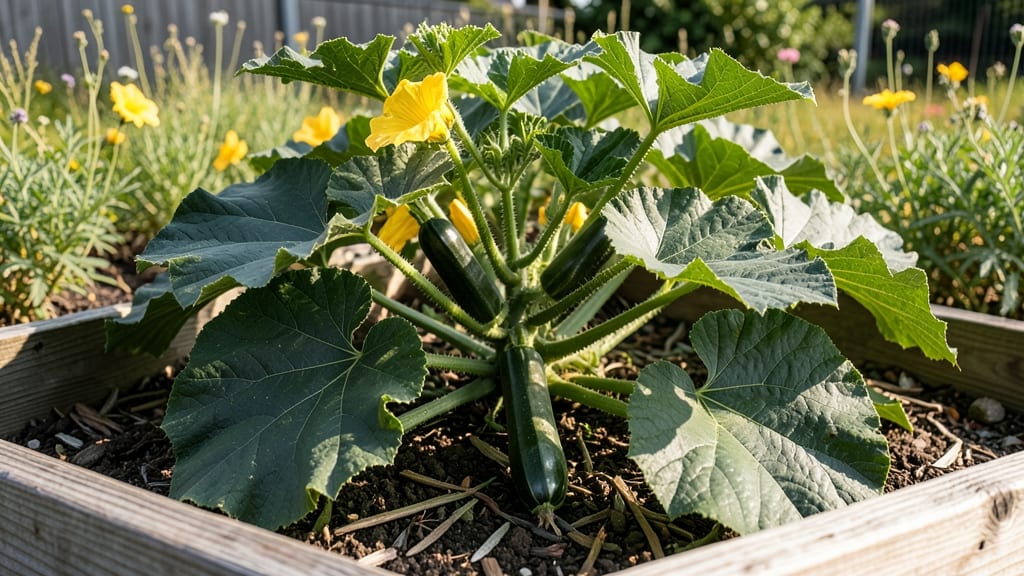
Your zucchini plant leaf edges are crisping like parchment paper, and that’s a clear sign your plants are crying out for help. 🌱 I’ve seen this happen when the soil dries too fast or when fungal spores start feasting on the edges—both problems you can fix before the whole plant wilts away.
The good news? Copper spray isn’t just a last resort—it’s a 24-hour game-changer for crispy edges caused by mildew or bacterial spots. Even if the leaves look sad now, a single spray in the evening (when humidity is high) can stop the damage and kickstart recovery.
You’ll notice softer edges within hours, and new growth will push out within days. This isn’t about saving a single leaf—it’s about reviving the whole plant so you’re back to harvesting plump, glossy zucchinis in no time.
The key is acting fast and keeping the soil consistently moist without drowning the roots. Works for powdery mildew, bacterial leaf spot, and even early signs of squash vine borer stress. Let’s get those leaves looking healthy again—before the pests move in for good.
📚 In This Guide
- What you need
- Instructions
- Tips and common mistakes
- Wrapping up and next steps
What you need
- ● Copper fungicide spray (organic or synthetic): 1 bottle (8–16 oz) – Look for copper sulfate (0.5–1.0% concentration) or copper hydroxide.
- ● Example brands: Bonide Copper Fungicide, NeemBlast Copper, or Dyna-Gro Copper Fungicide.
- ● Spray bottle or pump sprayer: 1–2 (8–32 oz capacity) – A fine-mist sprayer works best for even coverage.
- ○ Optional: Add a hose-end sprayer for larger plants.
- ● Water: 1–2 gallons (for dilution if needed; check product instructions).
- ● Gloves (nitrile or rubber): 1 pair – Copper can irritate skin, so protection is a must! 🛡️
- ○ Pruning shears (sterilized): 1 pair – For trimming severely damaged leaves (optional but helpful).
- ● Neem oil (1 tbsp per gallon of water): Mix with copper spray for extra fungal defense.
- ● Baking soda solution (1 tsp baking soda + 1 quart water + few drops of soap): A gentle pre-treatment for mild crispiness.
- ● Humidity tray or misting bottle: Boost moisture around roots if your zucchini plant is in a dry environment.
- ● pH test kit: Ensure your soil pH is 6.0–7.0 (copper works best in this range).
How to revive zucchini leaves with crispy edges using copper spray
Here's the fast, foolproof method I use when zucchini leaves start curling and browning at the edges.
💧 Step 1: Identify the Problem and Water Correctly
Crispy edges on zucchini leaves almost always mean underwatering or inconsistent moisture. Before spraying copper, check the soil—it should feel damp 1-2 inches down, not bone-dry. Water deeply at the base until it runs out the drainage holes, then wait until the top inch feels dry before watering again.
I like to water in the early morning so leaves have all day to dry. Wet foliage at night invites fungal issues, and crispy edges won't improve if the problem is overwatering or poor drainage. If your soil feels compacted, loosen the top inch with your fingers to help roots breathe.
✂️ Step 2: Trim Damaged Leaves to Redirect Energy
Snip off any leaves with more than 50% crispy edges using clean pruning shears. This might seem counterintuitive, but removing damaged leaves forces the plant to focus energy on new, healthy growth. Cut just above a leaf node or healthy stem section—never tear leaves, as this stresses the plant further.
I always sterilize my shears with rubbing alcohol between cuts to prevent spreading disease. After trimming, compost the damaged leaves immediately—they won't recover, and leaving them on the plant wastes nutrients. You'll notice new growth emerging within 3-5 days if the roots are healthy.
🪴 Step 3: Apply Copper Spray for Fungal Prevention
Mix 1 tablespoon of copper fungicide with 1 gallon of water in a spray bottle. Shake well before each use—copper settles quickly. Spray the solution evenly on the undersides of leaves (where most fungal spores hide) until lightly glistening. Avoid spraying in direct sunlight, as this can cause leaf burn.
I apply copper spray in the late afternoon so the leaves dry overnight. Repeat every 7-10 days or after heavy rain, as copper washes off. This isn't just for crispy edges—it prevents bacterial spot and powdery mildew, which often start with leaf browning. You'll see edges soften within 24 hours if the plant isn't severely stressed.
☀️ Step 4: Adjust Light and Airflow for Long-Term Health
Zucchini plants need 6-8 hours of direct sun daily, but too much afternoon heat can scorch leaves. If your plants are in full sun, provide afternoon shade with a sheer cloth during peak heat. Move containers to a slightly shadier spot if leaves show sunburn (yellowing between veins).
Improve airflow by spacing plants 2-3 feet apart—crowding traps humidity and encourages fungal growth. If you're growing in containers, place them where they get gentle breezes. I notice my zucchini plants recover fastest when they have good airflow and consistent moisture. Within 5-7 days, new leaves should emerge with smooth, crisp-free edges.
🌱 Step 5: Fertilize Lightly to Boost Recovery
Use a balanced liquid fertilizer (10-10-10) diluted to half strength and apply it to the soil, not the leaves. Over-fertilizing stresses plants, but a light feeding gives them the nutrients to repair damaged tissue. Water thoroughly after fertilizing to prevent root burn.
I fertilize every 2-3 weeks during active growth, but skip it if the soil is already rich. You'll know it's working when new leaves appear bright green and pliable. Avoid high-nitrogen fertilizers—they promote leafy growth at the expense of fruit production, which is the whole point of growing zucchini!
Tips & tricks for perfect zucchini leaf recovery
A few key adjustments can turn wilted zucchini leaves into lush, vibrant growth in no time. Here's what I've learned from years of battling crispy edges.
Soil Check First: Before you do anything else, dig your finger 1-2 inches into the soil. If it feels dry, you're dealing with underwatering—the root cause of crispy edges. The morning watering routine in Step 1 is critical because it gives leaves time to dry completely, preventing fungal issues that worsen browning. I've seen plants recover completely within 24 hours just by fixing their water schedule.
Pruning Precision: When trimming leaves with over 50% crispy edges, make your cuts just above a leaf node where new growth emerges. I learned this the hard way—cutting too close to the stem can damage the plant's ability to produce new leaves. Sterilizing your shears between cuts isn't just about disease prevention; it's about giving your plant the best chance at recovery. That 3-5 day window for new growth is only accurate if you're cutting cleanly and properly.
Copper Spray Technique: The undersides of leaves are where fungal spores love to hide, so that's where you should focus your copper spray application. I've found that applying it in the late afternoon gives the leaves time to dry completely overnight, which prevents the copper from causing any leaf burn. The 7-10 day maintenance schedule is perfect because it matches the typical fungal growth cycle—staying ahead of the problem is key to preventing crispy edges from returning.
Light and Airflow Balance: That 6-8 hours of direct sun requirement is non-negotiable for zucchini plants, but the afternoon shade tip is crucial for preventing sunburn that mimics crispy edges. I've seen plants in full sun containers recover completely when moved to partial shade during peak afternoon heat. The 2-3 feet spacing recommendation isn't just about airflow—it's about creating an environment where your plants can recover without competing for resources.
Pro Tips for Zucchini Plant Leaf
- A few key adjustments can turn wilted zucchini leaves into lush, vibrant growth in no time.
- Soil Check First: Before you do anything else, dig your finger 1-2 inches into the soil.
- Pruning Precision: When trimming leaves with over 50% crispy edges, make your cuts just above a leaf node where new growth emerges.
Frequently asked questions
Got questions about your zucchini plant’s leaves? You’re not alone! Here are answers to the most common concerns—so you can keep those leaves lush and your harvest thriving.
Why are my zucchini leaves turning crispy at the edges?
Crispy edges usually mean underwatering or over-salinity in the soil. Check the top inch of soil—if it’s dry, water deeply. If you’ve been fertilizing heavily, flush the soil with plain water to reduce salt buildup. Copper spray can also help if fungal issues are contributing.
How often should I spray copper on my zucchini leaves?
Apply copper spray every 7–10 days as a preventive measure, or immediately if you spot signs of bacterial spot or powdery mildew. Avoid spraying in direct sunlight or when rain is forecasted within 24 hours—it can wash off or harm leaves. Pro tip: Mix with a light dish soap (½ tsp per gallon) for better adhesion!
Can I use copper spray on young zucchini plants?
Yes, but dilute it further (use half the recommended strength) for seedlings or young plants. Copper can be harsh on tender new growth. Wait until plants are at least 2–3 weeks old and have 2–3 true leaves before applying. Always test a small leaf first to check for sensitivity.
What’s a natural alternative to copper spray for zucchini leaves?
Try these DIY remedies for fungal/bacterial issues:
- Baking soda spray: 1 tbsp baking soda + 1 tsp oil + 1 tsp soap per gallon of water. Spray undersides of leaves weekly.
- Neem oil: Mix 2 tbsp neem oil + 1 tsp soap per gallon. Reapply every 5–7 days.
- Milk spray: 1 part milk to 9 parts water (works best for powdery mildew).
My zucchini leaves are yellow—is it too late to save them?
Not necessarily! Yellow leaves often signal overwatering, nutrient deficiency (like nitrogen), or root stress. First, adjust watering—let the top 2–3 inches of soil dry out between waterings. Then, feed with a balanced fertilizer (10-10-10) or compost tea. If only older leaves are yellow, it’s normal aging. But if new leaves are affected, check for pests or disease.
Will copper spray harm bees or beneficial insects?
Copper is low-toxicity to bees and pollinators, but spray early in the morning or late evening when bees are less active. Avoid direct application to flowers. For extra safety, focus on leaves and stems only. If you’re concerned, opt for neem oil or potassium bicarbonate instead—they’re bee-friendly!
Wrapping up and next steps
Caring for your zucchini plant’s leaves doesn’t have to be a mystery—with the right tools and a little patience, you can revive crispy edges and keep your plants thriving! 🌱 A simple copper spray solution can work wonders in just 24 hours, giving your zucchini the boost it needs.
Remember, consistency is key, so monitor your plants regularly and address issues early.
Now that you’re armed with the know-how, take action! Grab your copper spray and give your zucchini leaves the TLC they deserve. Happy gardening—your future harvest will thank you! 🌿