
Pests and Diseases
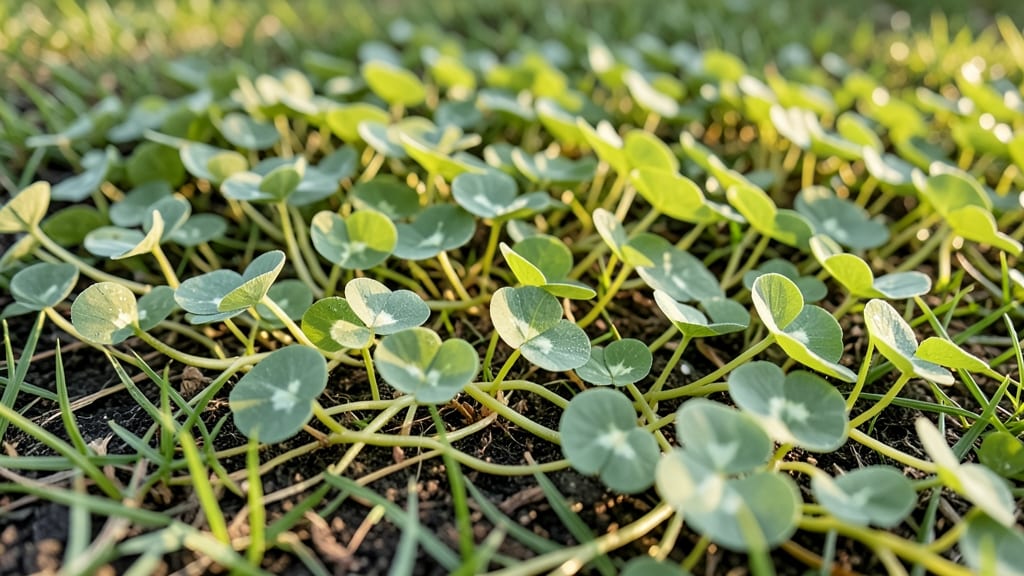
Struggling with an invasive 3-leaf clover weed taking over your garden? This aggressive plant can choke out your prized flowers and vegetables if left unchecked. Learn how to spot it early and eliminate it before it spreads uncontrollably.
Visual Identification Guide for Three-Leaf Clover Weed
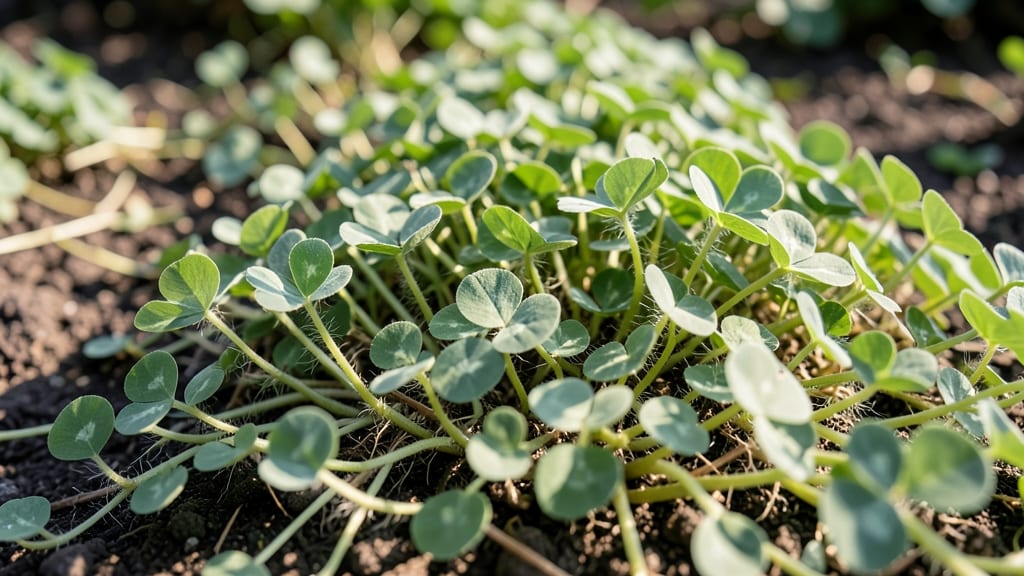
Not all three-leaf clovers are created equal—white clover (Trifolium repens) can be a beneficial ground cover or a tenacious weed, depending on your garden goals. The key to telling them apart lies in subtle but critical details that most gardeners overlook.
Start with the leaf shape: Weedy white clover leaves have smooth, rounded edges with a faint heart-shaped base, while beneficial clovers often show slightly serrated edges or more pronounced veins. Next, check the stem structure—aggressive clover weeds grow with hairy, creeping stems that root at nodes, creating dense mats, whereas beneficial varieties tend to have smoother stems. Finally, observe the growth pattern: Weedy clover spreads aggressively in sunny, disturbed areas, while beneficial clovers thrive in shaded or established lawns without spreading uncontrollably.
Mastering these distinctions helps you target removal efforts precisely, saving time and protecting your garden's intended plants. This skill is especially valuable for organic gardeners and lawn care enthusiasts. 🌱
Manual Removal Techniques for Small Infestations
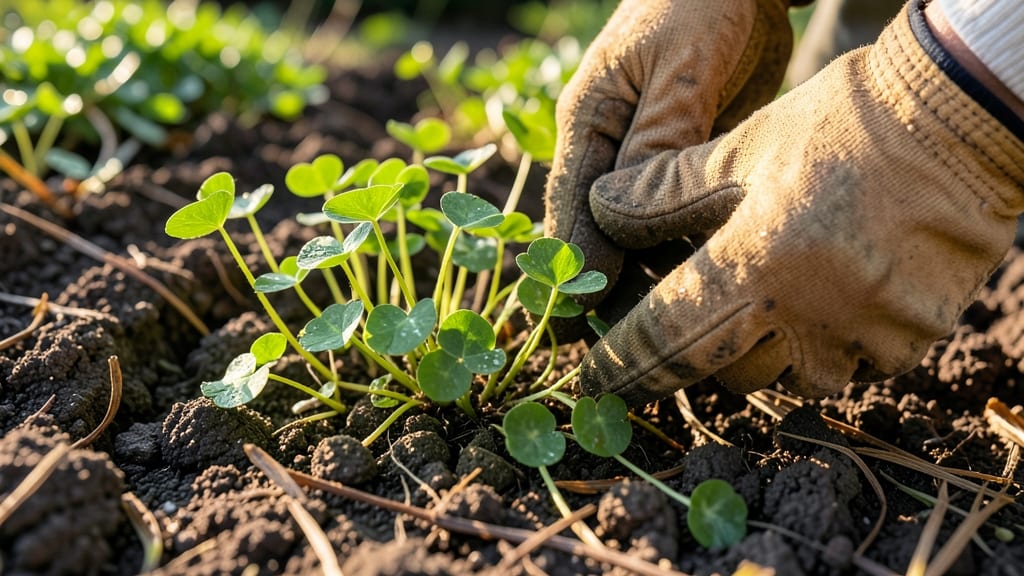
When you spot those first three-leaf clover weeds popping up in your garden beds, acting fast with manual removal can save you hours of work later. This method is ideal for early-stage infestations—before the weeds develop deep root systems or spread through runners.
Start by wearing gardening gloves to protect your hands, then grasp the weed at its base and pull firmly upward. For stubborn young plants, use a small hand fork to loosen the roots without disturbing nearby plants. Focus on removing the entire root system to prevent regrowth, and dispose of the weeds in a sealed bag—not your compost pile. Water the area afterward to help soil recover.
This approach works best for small, contained infestations and preserves soil health by avoiding chemicals. It’s perfect for gardeners who prioritize organic methods and want to keep their beds weed-free without harming beneficial organisms. 💪
Organic Herbicide Options for Persistent Weed Growth
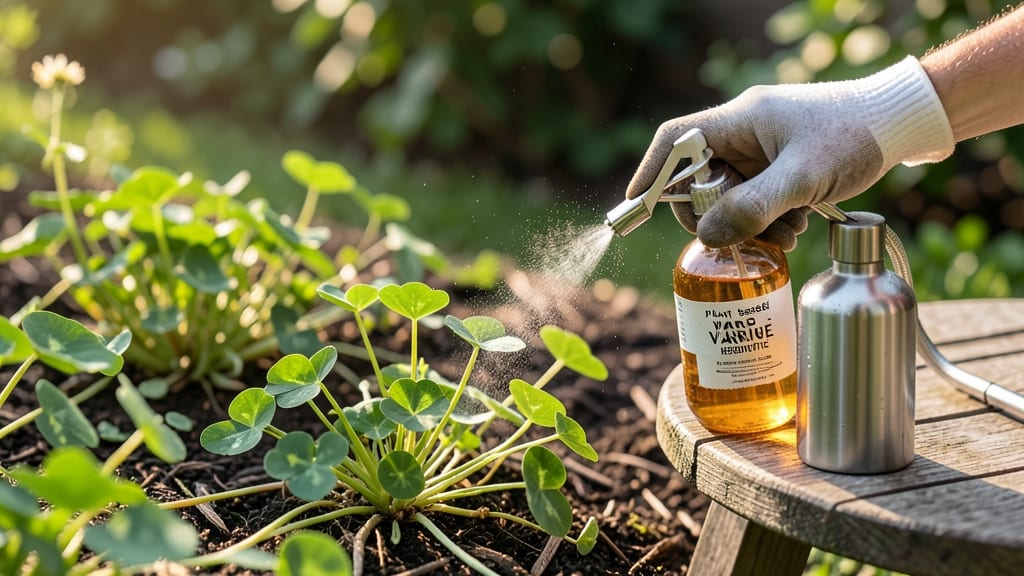
When manual removal isn't enough, organic herbicides offer a powerful yet eco-friendly way to tackle persistent three-leaf clover weed without harming your garden's ecosystem. These targeted solutions focus on the root system, preventing regrowth while keeping beneficial insects and nearby plants safe when used correctly.
Look for products containing corn gluten meal (pre-emergent) or horticultural vinegar (post-emergent) with added citric or pelargonic acid—these break down weed roots without lingering in the soil. For stubborn patches, a boiling water treatment (1 gallon per square foot) suffocates roots instantly. Always apply on dry, sunny days to maximize effectiveness and avoid drift onto desirable plants.
These methods are ideal for organic gardeners, urban homesteaders, or anyone prioritizing long-term soil health over quick chemical fixes. Just remember: consistency is key for complete eradication. 💚