
Plants
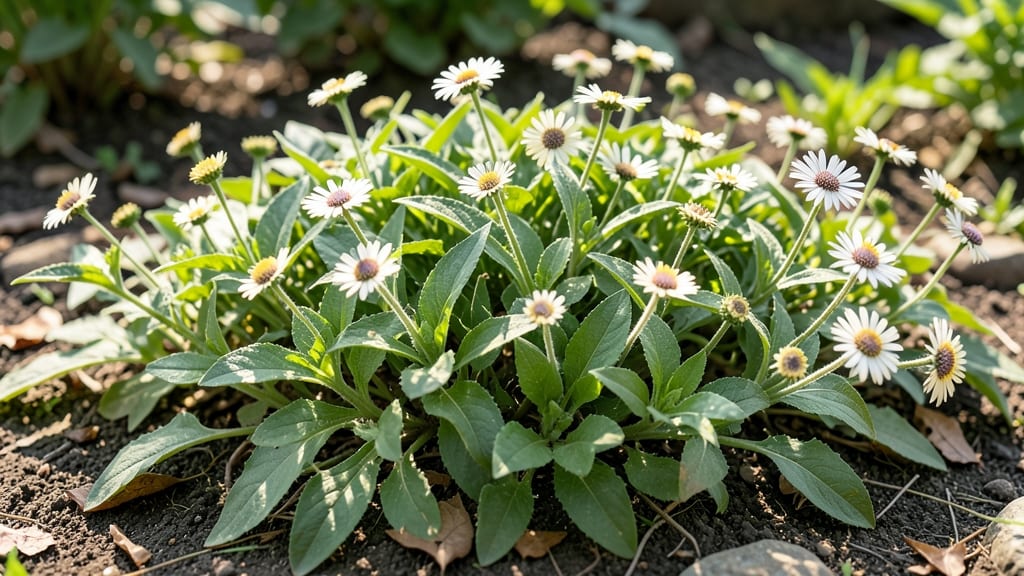
The 3 pointed leaf vine (Tradescantia sillamontana) thrives with its signature glossy, deep green leaves featuring three sharp lobes, making it a standout houseplant. This fast-growing climber loves bright, indirect light and well-draining soil while requiring regular pruning to maintain its bushy form. Water only when the top inch of soil feels dry to avoid overwatering.
This striking vine isn't just eye-catching—it's also one of the fastest-growing trailing plants you can grow indoors. 🌿 The three-pointed leaves are its signature, but what really sets it apart is its adaptability. Unlike fussy tropical plants, this variety handles moderate temperatures well, making it perfect for most homes.
I've seen mine grow nearly a foot in just a few months with proper care, especially when placed near a sunny window. The secret to keeping it thriving lies in balancing moisture and airflow, since too much humidity can lead to fungal issues.
What many beginners miss is how quickly it responds to pruning. A simple snip every few weeks encourages denser foliage and prevents those long, leggy stems that look less attractive. Plus, the cuttings you remove can easily root in water to create new plants—talk about free propagation!
For best results, use a mix of potting soil and perlite to ensure excess water drains away, and avoid letting the soil stay soggy for more than a day.
💡 In This Article
- Identifying Key Features of the 3-Pointed Leaf Vine
- Optimal Growing Conditions for Healthy 3-Pointed Leaf Vine
Identifying key features of the 3-Pointed leaf vine
The three-pointed leaf vine's most defining characteristic is its tri-lobed leaves, which resemble a three-pronged arrow when viewed from above.
Each leaf typically measures about 2-4 inches long and 1-2 inches wide, with the central lobe being the longest and the two side lobes creating a symmetrical, almost fan-like shape.
The edges are smooth, not serrated, and the leaf surface has a slightly waxy texture that gives it that signature glossy appearance.
What sets this vine apart from similar plants like spiderwort (Tradescantia spp.) is the distinctive stem structure. The 3-pointed leaf vine produces thick, woody stems that can reach up to 6 feet long when trailing, whereas many spiderwort varieties have thinner, more delicate stems.
The leaves also grow in a spiral pattern along the stem, creating a visually interesting display. In ideal conditions, you'll notice new growth emerging from the stem nodes, which is where those fresh, vibrant leaves appear.
The coloration can vary slightly depending on light exposure, but the leaves are typically a deep, rich green on the top side with a slightly lighter underside. Some varieties may develop purplish-red hues along the leaf margins or stems when exposed to cooler temperatures or lower light conditions.
This color shift is a natural response to stress or seasonal changes, similar to how some plants develop autumn foliage colors.
One key identification trick is to examine the leaf veins. The 3-pointed leaf vine has prominent, parallel veins that run from the base to the tip of each lobe, creating a web-like pattern that's more intricate than the simpler vein structure of wandering Jew (Tradescantia fluminensis).
The veins are also slightly raised, giving the leaves a subtle three-dimensional quality when viewed in good light.
Seasonal changes can affect the plant's appearance. During warmer months, growth is rapid, and the leaves may appear slightly larger and more vibrant. In cooler seasons, growth slows, and the leaves might develop that attractive purplish tint along the edges.
This natural cycle is part of what makes this vine so adaptable—it can handle indoor temperature fluctuations better than many tropical plants.
If you're comparing it to other Tradescantia varieties, pay attention to the leaf shape. The 3-pointed leaf vine's lobes are more pronounced and angular than the rounded or oval leaves of other spiderwort types.
This sharp distinction makes it easier to identify at a glance, especially when the plant is mature and the leaf structure is fully developed.