
Planting
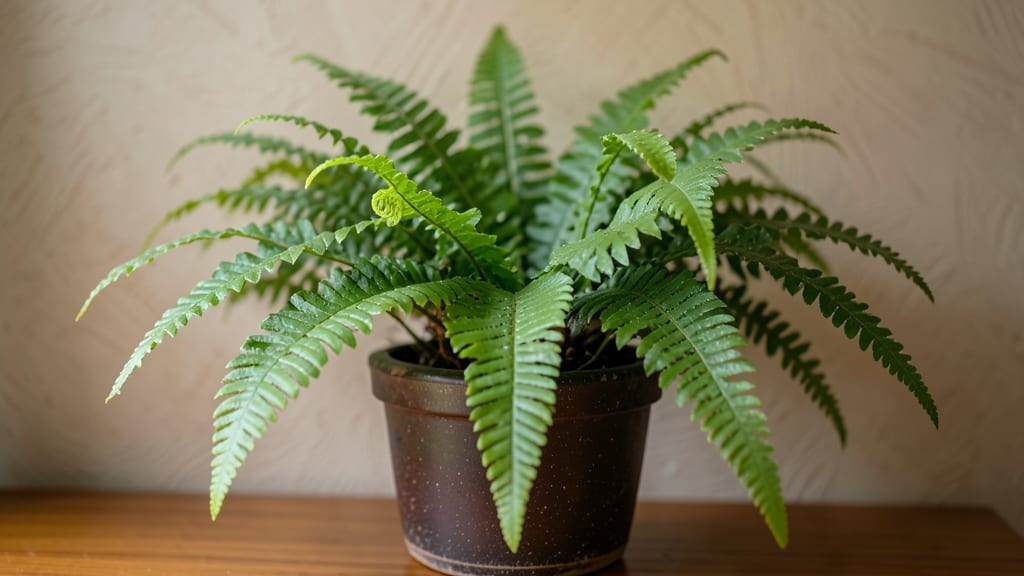
That 5-leaf plant that looks like a pot? It’s either a fast-growing ornamental like Colocasia (elephant ear) or something you’ll want to remove—like poison ivy. 🌿 The key difference?
One thrives in shade with minimal care, while the other can cause rashes if touched. Let’s figure out which you’ve got and how to handle it safely.
Start by checking leaf edges: smooth, lobed, or jagged? Poison ivy has three shiny leaves (but often grows in clusters of five), while Colocasia has broad, arrow-shaped leaves with visible veins.
If the plant’s growing wild in your yard, wear gloves and long sleeves—just in case. For ornamental varieties, they’re perfect for privacy screens with their bold foliage and rapid growth.
If it’s poison ivy, pull it early (before seeds spread) or smother it with mulch. For Colocasia, divide the tubers in spring or repot them every 2-3 years.
Both love moisture, but one’s a garden showstopper and the other’s a nuisance. Here’s how to tell them apart and manage either one—safely.
Pro tip: Snap a photo before touching anything. Some plants look harmless until they’re not. Whether you’re keeping a privacy screen or eradicating an invader, knowing the difference saves time—and skin. Let’s get to the details.
Understanding Leaf Distortion Causes
When your five-leaf plant starts resembling a lopsided "pot" shape—with leaves curling, twisting, or growing unevenly—it’s usually a cry for help from the plant itself. These visual cues aren’t random; they’re direct responses to environmental stress, nutritional imbalances, or physical damage.
Below, we break down the most common culprits behind this distorted growth, complete with actionable science-backed explanations.
Plants like the five-leaf plant (Coleus scutellarioides) thrive in moderate, stable temperatures (ideal range: 65–75°F / 18–24°C). When exposed to sudden heat spikes, drafts, or radiator blasts, their leaves react by curling inward to minimize water loss—a survival tactic called transpiration reduction.
Why it happens:
- Heat stress disrupts chlorophyll production, causing leaves to yellow or pucker.
- Cold drafts (like AC vents or open windows in winter) can slow metabolic processes, leading to stunted, pot-like growth.
- Soil overheating (from direct sunlight on dark pots) can burn roots, starving the plant of nutrients.
Actionable fix:
- Move the plant away from heat sources (radiators, ovens, sunny windowsills without shade).
- Use a thermometer to monitor temperature swings—aim for consistency.
- In winter, avoid placing it near drafty doors or windows.
Five-leaf plants are sensitive to moisture extremes. Both overwatering and underwatering can trigger that "pot-shaped" deformity, but for opposite reasons:
| Issue | Leaf Reaction | Root Cause |
|---|---|---|
| Overwatering | Leaves yellow, droop, or develop mushy edges | Roots suffocate, leading to anaerobic stress and nutrient uptake failure. |
| Underwatering | Leaves curl upward, crisp at edges | Cells plasmolyze (lose turgor pressure) due to drought. |
Why it happens:
- Overwatering triggers root rot (Phytophthora or Pythium), which blocks nutrient transport, causing leaves to wrinkle like a dried-up pot.
- Underwatering forces the plant to conserve water, making leaves thick and leathery—a defensive mechanism that distorts shape.
Actionable fix:
- Check soil moisture with your finger—top 1–2 inches should be dry before watering.
- Use well-draining soil (mix potting soil with perlite or sand).
- Water at the base, not overhead, to prevent fungal infections.
Five-leaf plants love bright, indirect light but hate harsh direct sun or deep shade. Poor lighting leads to weak, elongated stems and distorted leaves—a condition called etiolation.
Why it happens:
- Too much sun causes sunburn (bleached or crispy leaf edges) and oxidative stress, making leaves pucker and curl.
- Too little light leads to weak cell walls, causing leaves to grow small, thin, and pot-like as the plant stretches toward light.
Actionable fix:
- Ideal light: 4–6 hours of bright, indirect light (east or north-facing windows).
- Rotate the pot weekly for even growth.
- If indoors, supplement with a grow light (12–14 hours/day) in low-light areas.
Five-leaf plants are light feeders, and nutritional imbalances (too much or too little of key elements) can warp leaf structure.
| Deficiency | Symptoms | Fix |
|---|---|---|
| Nitrogen (N) | Pale, yellow leaves; slow growth | Use a balanced fertilizer (10-10-10) or compost. |
| Potassium (K) | Brown leaf tips; weak stems | Feed with banana peel tea or potassium-rich fertilizer. |
| Magnesium (Mg) | Yellow patches between veins (interveinal chlorosis) | Apply Epsom salt solution (1 tbsp per gallon of water). |
| Over-fertilizing | Burnt leaf edges; crispy texture | Flush soil with water to remove excess salts. |
Why it happens:
- Too little nitrogen = stunted growth, leading to small, pot-like leaves.
- Too much salt (from fertilizer buildup) = osmotic stress, causing cells to shrink and distort.
Actionable fix:
- Fertilize lightly every 4–6 weeks during growing season (spring–fall).
- Test soil pH (ideal: 6.0–6.5)—extreme pH locks out nutrients.
Tiny invaders like spider mites, aphids, or fungal infections can physically damage leaves, causing them to curl, pucker, or grow asymmetrically.
Why it happens:
- Spider mites (tiny red pests) pierce cells, sucking out sap and causing stippled, curled leaves.
- Fungal infections (like powdery mildew) create thick, distorted growth as the plant tries to protect itself.
- Bacterial leaf spot causes dark, water-soaked patches that warp leaf shape.
Actionable fix:
- Inspect leaves weekly for webbing, spots, or pests.
- Spray with neem oil (natural pesticide) or insecticidal soap.
- Remove infected leaves and sterilize pruners with rubbing alcohol.
Even gentle handling can stress a five-leaf plant. Root disturbance, rough pruning, or sudden repotting can trigger abnormal growth patterns.
Why it happens:
- Root pruning (cutting roots during repotting) temporarily halts nutrient flow, causing leaves to pucker as they wait for recovery.
- Over-pruning removes growth hormones (auxins), leading to stunted, pot-like regrowth.
Actionable fix:
- Repot only when necessary (every 12–18 months).
- Water thoroughly before repotting to reduce shock.
- Prune sparingly—use clean, sharp scissors and avoid cutting more than 1/3 of the plant at once.
Before diving into complex fixes, check these quick culprits: ✅ Is the pot draining? (Holes? No saucer?) ✅ Are leaves touching cold windows? (Condensation = stress) ✅ Did you recently move the plant? (Light/shock adjustment period = 1–2 weeks of odd growth)
Most "pot-shaped" deformities resolve within 2–4 weeks once the root cause is fixed—but early action prevents permanent damage. 🚀
Quick Fixes for Leafy Privacy Screen
If your five-leaf plant (or Pot Leaf Plant, as some call it) is struggling to thrive—or worse, resembling a pot more than a lush privacy screen—don’t panic!
Most issues have simple, actionable solutions. Below, we’ve mapped common problems to easy fixes, plus prevention tips to keep your plant lush and fast-growing.
Signs: Yellowing leaves, mushy stems, or soil that smells sour.
How to Fix It: 🔥 Step 1: Stop Watering Immediately
- Let the top 2–3 inches of soil dry out before watering again. Stick your finger in—if it’s damp, wait.
🍳 Step 2: Drain the Pot
- If the soil is soggy, repot in fresh, well-draining mix (50% potting soil, 50% perlite or sand). Ensure the pot has drainage holes.
👨🍳 Step 3: Adjust Your Routine
- Water only when the topsoil is bone-dry (usually 1–2 times per week, depending on climate). In humid areas, less is more!
💡 Prevention Tip:
- Use a self-watering pot with a moisture meter to avoid guesswork. Or try drip irrigation for consistent hydration without overdoing it.
Signs: Brown, crispy leaf edges, or leaves curling inward.
How to Fix It: 🔥 Step 1: Move It to Partial Shade
- Place your plant 6–8 feet from a south-facing window or under dappled sunlight (like under a sheer curtain). Morning sun is ideal.
🥘 Step 2: Gradually Acclimate (If Moving Indoors/Outdoors)
- If transitioning, move it step-by-step over 1–2 weeks to avoid shock. Start with 2–3 hours of sun/day, then increase.
🌡️ Prevention Tip:
- Mulch the base with straw or bark to regulate soil temperature. In extreme heat, mist the leaves lightly in the morning to cool them.
Signs: Dry, brittle leaves, wilting, or soil pulling away from the pot edges.
How to Fix It: 🔥 Step 1: Deep Watering
- Water slowly until it drains from the bottom (5–10 minutes). Repeat every 3–4 days in dry climates, or daily in extreme heat.
👨🍳 Step 2: Check the Roots
- Gently remove the plant and inspect roots. If they’re brown and mushy, trim the damaged parts and repot. If dry and crumbly, soak the roots in water for 10 minutes before replanting.
⏰ Step 3: Use a Retaining Method
- Place the pot in a tray of water for 10–15 minutes (for larger plants) to encourage deep hydration. Empty the tray afterward to avoid soggy soil.
💡 Prevention Tip:
- Group plants together to create a microclimate that retains moisture. Or cover the soil with pebbles to slow evaporation.
Signs: Sticky residue, tiny webs, or holes in leaves (common culprits: aphids, spider mites, or mealybugs).
How to Fix It: 🔪 Step 1: Isolate & Inspect
- Move the plant away from others to prevent spread. Check undersides of leaves and stems with a magnifying glass.
🥘 Step 2: Natural Remedies
- Neem oil spray (1 tsp neem oil + 1 tsp mild soap + 1 quart water) – spray every 3–4 days until pests vanish.
- Rub alcohol wipe (70% isopropyl alcohol on a cotton ball) for stubborn bugs like mealybugs.
🎯 Step 3: Encourage Beneficial Insects
- Release ladybugs or lacewings (available at garden centers) to eat pests naturally. Plant marigolds nearby as a deterrent.
💡 Prevention Tip:
- Wipe leaves weekly with a damp cloth to remove dust and pests early. Avoid over-fertilizing—soft new growth attracts bugs!
Signs: Yellowing between veins (iron deficiency), purple stems (phosphorus lack), or stunted growth.
How to Fix It: 📊 Step 1: Test Your Soil
- Use a DIY soil test kit (or send a sample to a local extension office). Most fast-growing plants prefer slightly acidic soil (pH 6.0–7.0).
💪 Step 2: Feed It Right
- Balanced fertilizer (10-10-10 or 20-20-20) once a month during growing season (spring–fall). For a quick boost, use fish emulsion or compost tea.
🥗 Step 3: Organic Boost
- Top-dress with worm castings or crushed eggshells (for calcium) every 2–3 months. Mix into the top inch of soil.
💡 Prevention Tip:
- Rotate fertilizers to avoid buildup (e.g., alternate between synthetic and organic). Avoid fertilizing in winter—plants rest then!
Final Pro Tip: 🌟 Keep a plant care journal! Note watering days, sunlight changes, and growth patterns. This helps you spot issues early and adjust faster next time. Your five-leaf privacy screen will thank you with dense, fast growth in no time!
Frequently asked questions
Is a 5-leaf plant with pot-shaped leaves poisonous?
It depends! If it's Colocasia (elephant ear) or Alocasia, it's safe but can cause skin irritation if handled roughly. However, if it's poison ivy (which sometimes grows in clusters of 5 leaves), it's highly toxic—touching it can cause severe rashes. Always wear gloves and wash hands after handling unfamiliar plants.
How do I tell poison ivy apart from a decorative 5-leaf plant?
Check the leaf edges: poison ivy has smooth, shiny leaves with jagged edges, while ornamental plants like Colocasia have broad, arrow-shaped leaves with visible veins. Poison ivy also grows in clusters of 3 leaves (though sometimes 5), while decorative plants often have single, large leaves. When in doubt, take a photo and compare online.
Can I grow a 5-leaf plant indoors year-round?
Yes! Plants like Colocasia thrive indoors with bright, indirect light and high humidity. Keep soil consistently moist (but not soggy) and mist leaves occasionally. In winter, move it away from cold drafts or heating vents. For faster growth, use a grow light if natural light is limited.
Why are my 5-leaf plant’s leaves curling and looking like a pot?
This usually means underwatering or overwatering. Check soil moisture—if the top 1–2 inches are dry, water thoroughly. If the soil is soggy, let it dry out and repot in well-draining soil. Other causes include low humidity or pests like spider mites. Adjust care and monitor for improvement.
How do I safely remove poison ivy from my yard?
Wear long sleeves, gloves, and goggles—even dead plants can cause reactions. Pull weeds early (before seeds spread) or smother them with mulch or cardboard. For stubborn patches, use vinegar-based herbicide (50% white vinegar, 10% dish soap, 40% water). Wash tools and clothes immediately after.