
Planting
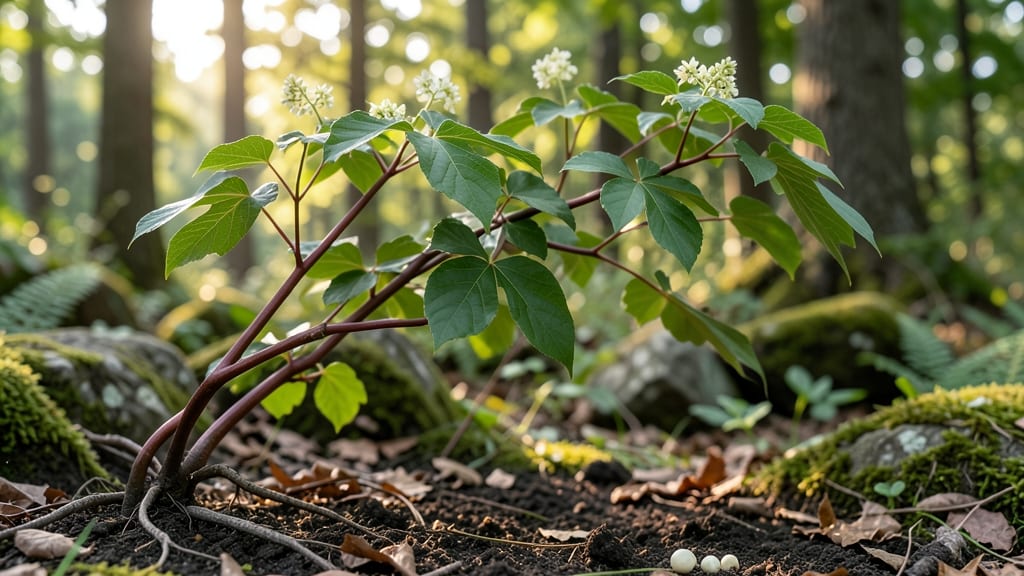
That "leaves of three, let it be" rule saved my summer after I mistook the 5-leaf poison ivy plant for a harmless vine. 🌿 The moment I saw those five glossy leaves on a single stem, I knew I needed to act fast—this plant doesn’t belong in any garden, and touching it means trouble for your skin.
First, learn to spot the difference: poison ivy has smooth edges and a milky sap, while Virginia creeper has five leaves too but with toothed edges and no sap.
If you’ve already come into contact, wash your skin with cold water and soap immediately—scrubbing too hard can spread the oil (urushiol) deeper into your skin. Symptoms like itching and blisters usually appear within 12-48 hours, so don’t wait to act.
Removal requires gloves, long sleeves, and either a shovel (for roots) or a vine cutter (for stems). Bag everything immediately and dispose of it in sealed trash—never burn it, as the smoke contains urushiol too.
For larger patches, vinegar or a glyphosate-based herbicide can help, but always follow label instructions carefully to protect nearby plants.
Prevention is your best defense: keep your yard clear of debris where vines can hide, and teach kids the "leaves of three" rule with a fun rhyme or song. If you’re unsure about a plant, take a photo and check it online before touching—your skin will thank you.
📚 In This Guide
- What you need
- Instructions
- Tips and common mistakes
- Wrapping up and next steps
What you need
- ● Protective gear: Long sleeves & pants (preferably thick, like denim or rubber-coated fabric)
- ● Heavy-duty gloves (nitrile or rubber, not latex—poison ivy oil can degrade latex!)
- ● Safety goggles (to protect against sap splashes)
- ● Respirator mask (N95 or better, for dust/sap inhalation)
- ● Cutting & removal tools: Pruners or loppers (for thick stems, sterilized with rubbing alcohol)
- ● Shovel or garden fork (for deep-rooted plants)
- ● Heavy-duty trash bags (20+ gallon size, sealed tightly)
- ● Cleanup & disposal: Rubbing alcohol (70% or higher, for tool sterilization)
- ● Disposable rags or paper towels (for sap cleanup)
- ● Soap & water (for skin decontamination)
- ● Vinegar (white, 5% acetic acid) – for spot treatment on tools/skin
- ● Plastic sheeting – to contain fallen leaves or sap
- ● Garden vinegar spray (for post-removal area treatment)
- ● Calamine lotion or hydrocortisone cream (for immediate rash relief)
How to identify, control, and prevent poison ivy spreading
Here's the practical approach I use to handle poison ivy—safely and effectively.
🌿 Step 1: Confirm Identification with the "Leaflet" Rule
Poison ivy grows in clusters of three shiny green leaves with smooth or slightly jagged edges. The key identifier is the "leaflet" arrangement: each leaf connects to the stem with its own stem, forming a distinct V-shape. Run your finger along the stem—if you feel three separate stems, that's poison ivy.
Check the leaf undersides too. Poison ivy leaves often have a slightly lighter green or reddish tint underneath. In fall, leaves turn brilliant red or orange, but they stay attached to the vine much longer than harmless vines. If you're unsure, snap off a leaf and place it in a sealed bag for later verification.
✂️ Step 2: Remove Small Patches Immediately
For small patches under 1 square foot, put on thick gloves and long sleeves, then cut the vines at the base with pruners. Wear a mask to avoid inhaling any airborne oils. Bag the cuttings immediately—never burn them, as the smoke contains urushiol oil that can cause severe skin reactions.
Dig out the roots carefully with a shovel, aiming for 6-8 inches deep. You'll know you've gotten the roots when the soil comes up clean. Rinse your tools with soapy water afterward to remove any residual oil. If the patch is near a tree or fence, check for aerial roots growing upward—these need removal too.
💧 Step 3: Apply Herbicide to Larger Infestations
For larger areas, use a glyphosate-based herbicide (like Roundup) mixed according to package instructions. Spray the foliage thoroughly on a calm day when no rain is forecasted for 24 hours. Focus on the leaves rather than the stems—this ensures the herbicide is absorbed.
Reapply the herbicide after 7-10 days if the leaves haven't browned completely. This second application ensures any new growth is treated. Avoid spraying when temperatures exceed 85°F, as the herbicide works best in cooler conditions. Always follow label instructions for safety and effectiveness.
🪴 Step 4: Prevent Regrowth with Barrier Methods
After removal, create a 3-inch barrier of landscape fabric around the treated area to prevent new shoots from emerging. Secure the fabric with landscape staples or rocks. For persistent areas, consider planting dense ground covers like clover or creeping thyme, which outcompete poison ivy for space.
Monitor the area for 3-4 weeks after treatment. New shoots often appear as small red "berries" or tiny leaf clusters. If you spot any, treat them immediately with a targeted herbicide application or manual removal. Regular inspections in spring and fall help catch any missed growth early.
☀️ Step 5: Clean and Protect Your Property Long-Term
Wash all clothing, tools, and gloves in hot, soapy water after contact with poison ivy. For skin exposure, rinse immediately with cold water and wash with technical-grade soap (like Castile soap) within 10 minutes to reduce urushiol absorption. Keep a bottle of rubbing alcohol handy to clean tools and surfaces quickly.
Consider installing a gravel or mulch border around your property to create a natural barrier against future growth. Trim back any nearby trees or shrubs to reduce shade, as poison ivy thrives in shaded, moist areas. Regular yard maintenance keeps your space less inviting to this pesky plant.
Tips & tricks for managing poison ivy effectively
Handling poison ivy safely takes the right approach—here's what I've learned from years of dealing with it.
Double-Check Before Treating: In Step 1, when confirming the leaflet arrangement, I always check for the distinctive V-shape where each leaf connects to the stem. Here's what nobody tells you—if you're still unsure after this test, snap off a leaf and place it in a sealed bag. You can take it to your local extension office or a garden center for professional verification. This simple step prevents treating harmless plants like Virginia creeper, which looks similar but won't cause reactions.
Protective Gear is Non-Negotiable: For Step 2, when removing small patches, I've learned the hard way that regular gloves won't protect you. The urushiol oil can penetrate most materials—you need heavy-duty rubber or nitrile gloves that extend past your wrists. I also wear long sleeves tucked into my gloves and a mask to avoid inhaling any airborne oils when cutting. After removing the plant, I immediately rinse my tools with soapy water to remove any residual oil that could cause future reactions.
Herbicide Application Timing: In Step 3, when using herbicide, I've found that the 24-hour rain-free window is critical. If rain is forecasted within that time, the herbicide won't have time to be absorbed by the leaves. Also, I always apply herbicide on calm days to prevent drift onto desirable plants. The 7-10 day reapplication window gives the herbicide time to work on any new growth that might emerge after the first application. Remember, temperatures above 85°F can reduce effectiveness, so early morning or late afternoon applications work best.
Monitoring After Treatment: After applying your treatment in Step 4, I can't stress enough how important that 3-4 week monitoring period is. I've seen cases where homeowners thought they'd completely eradicated poison ivy, only to discover new shoots months later. Those "berries" you might see are actually seed pods that can produce new plants. Set a reminder to check your treated areas in spring and fall—these are the peak times for new growth to appear.
Pro Tips for 5 Leaf Poison Ivy Plant
- Handling poison ivy safely takes the right approach—here's what I've learned from years of dealing with it.
- Double-Check Before Treating: In Step 1, when confirming the leaflet arrangement, I always check for the distinctive V-shape where each leaf connects to the stem.
- Protective Gear is Non-Negotiable: For Step 2, when removing small patches, I've learned the hard way that regular gloves won't protect you.
Frequently asked questions
Got questions about 5-leaf poison ivy? You’re not alone!
Here are answers to the most common concerns—so you can stay safe and take action fast.
What does 5-leaf poison ivy look like, and how can I tell it apart from harmless plants?
Poison ivy has three shiny leaves (often mistaken for 5) arranged alternately on a vine or bush. The leaves grow in clusters of 3, not 5—unless it’s a rare mutation! Look for reddish stems, jagged edges, and white berries in fall. Compare it to Virginia creeper (5 leaves, blue-black berries) or boxelder (compound leaves, no berries).
How long does it take for poison ivy rash to appear after exposure?
The rash usually shows up 12–48 hours after contact, but it can take up to 2 weeks in rare cases. Symptoms include itchy, blistering red streaks that spread if you scratch. Don’t wait! Wash skin with cold water and soap immediately, then apply calamine lotion or hydrocortisone cream to ease irritation.
What’s the best way to remove poison ivy from my yard without spreading it?
Use vinegar or a commercial herbicide (like glyphosate) to kill the roots. Wear gloves, long sleeves, and goggles! Cut the plant at ground level first, then spray the stump. Bag and dispose of all debris in sealed trash. Never burn it—the smoke can cause lung irritation. Repeat treatments for 2–3 weeks to prevent regrowth.
Can poison ivy grow inside my home, and how do I keep it out?
Indoor exposure is rare, but wildflowers, firewood, or pets can bring it inside. Inspect plants, shoes, and tools before bringing them in. If you suspect poison ivy indoors, isolate the area, wear gloves, and wipe surfaces with rubbing alcohol or vinegar. Ventilate the space and monitor for symptoms.
Are there natural alternatives to kill poison ivy without chemicals?
Yes! Try boiling water, salt, or dish soap (mix 1 tbsp soap + 1 gallon water) to smother the plant. Salt spray (1 cup salt + 1 gallon water) works but may harm nearby plants. For stubborn roots, cover the area with cardboard and mulch to block sunlight. Patience is key—natural methods take weeks to months to fully eradicate it.
Wrapping up and next steps
Now that you’re equipped with the knowledge to spot, manage, and prevent 5-leaf poison ivy, you’re ready to take action! 🌿 Whether you’re dealing with an unwanted patch in your yard or simply want to stay informed, early detection and proactive measures are your best defense. Next up: grab your gloves, gather your supplies, and tackle that ivy with confidence—your skin (and sanity) will thank you!
Need extra help? Share this guide with a neighbor or friend who might need it—because when it comes to poison ivy, knowledge is your strongest shield! 🛡️