
Pests and Diseases
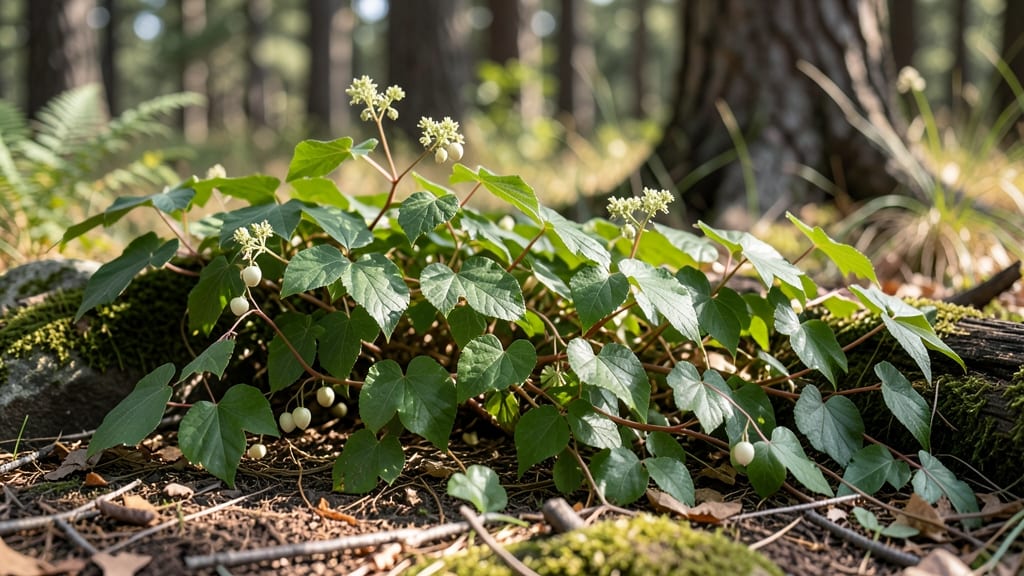
That five-leaf poison ivy creeping into your garden isn’t just an eyesore—it’s a sneaky threat that spreads fungal spots like wildfire. 🌿 I’ve seen it turn a thriving garden into a blighted mess if you don’t act fast, and the key to stopping it starts with spotting those distinctive leaves before they take hold.
Poison ivy’s five-leaf clusters (or the classic "leaves of three") are your first warning sign, but the real damage comes from the fungal spots that hitchhike on its vines. These spots weaken plants and invite pests, so removal isn’t just about safety—it’s about protecting your entire garden ecosystem.
The good news? You can stop it before it spreads further than your yard.
Once you identify the plants, the next step is safe removal—gloves, long sleeves, and a trash bag are your best tools. We’ll cover how to pull it without spreading those fungal spores, plus first-aid tips in case of accidental exposure.
Trust me, a little prevention now saves hours of cleanup later.
This works for backyard gardens, community plots, or even container edges where poison ivy might sneak in. Let’s get your garden back to thriving—without the itchy aftermath. Here’s how to tackle it head-on.
The Science Behind Skin Reactions
When you encounter Toxicodendron radicans—better known as five-leaf poison ivy—your skin’s reaction isn’t just random irritation. It’s a targeted immune response to a potent chemical called urushiol.
This oily resin, found in every part of the plant (leaves, stems, and roots), triggers a cascade of biological events that lead to the familiar redness, itching, and blisters. Let’s break down why this happens, step by step.
Urushiol is the primary allergen in poison ivy, and it’s a master of disguise. This colorless, oily compound binds to proteins in your skin, creating a unique molecular structure that your immune system recognizes as a foreign invader. Here’s how it works:
- Direct Contact: Even a tiny amount (as little as 0.1 micrograms) can penetrate your skin within minutes. The oil sticks to tools, clothing, or pets, so you might not even realize you’ve been exposed.
- Skin Absorption: Urushiol doesn’t just sit on the surface—it actively diffuses through the outer layer of your skin (the epidermis) and latches onto keratin, a structural protein. This creates an "antigen" that your body sees as a threat.
- Immune System Overdrive: Your immune cells (like T-cells and mast cells) rush to the site, releasing histamine and other inflammatory chemicals. This is what causes the redness, swelling, and itching.
Pro Tip: 💡 Urushiol can remain active on surfaces for up to five years—so washing tools or clothing immediately after exposure is critical.
Not everyone who touches poison ivy breaks out in blisters. In fact, about 15–30% of people are genetically resistant to urushiol. But for those who react, the severity can vary wildly. Here’s why:
| Factor | How It Affects Your Reaction |
|---|---|
| Genetics | Your immune system’s sensitivity to urushiol is partly inherited. If your parents reacted strongly, you’re more likely to too. |
| Frequency of Exposure | Repeated exposure can increase your sensitivity over time (a phenomenon called sensitization). Gardeners or landscapers often develop worse reactions. |
| Skin Condition | Broken skin, eczema, or sweat can accelerate urushiol absorption, making reactions more severe. Even a minor cut can turn a mild case into a painful outbreak. |
| Amount of Urushiol | A larger dose (like crushing leaves or touching the roots) leads to bigger, more widespread rashes. Think of it like spilling oil on a steak—more surface area = more damage. |
Pro Tip: ✨ Children often have milder reactions than adults because their skin is thinner and their immune systems are still developing. But don’t let that fool you—kids can still suffer if exposed repeatedly.
Poison ivy doesn’t cause symptoms instantly. The time between exposure and the first sign of a rash (called the incubation period) can range from 12 hours to two weeks. Here’s what happens in your body during that time:
- 0–48 Hours: Urushiol binds to your skin proteins, but you feel nothing. This is the "silent" phase—no itching, no redness.
- 2–7 Days: Your immune system detects the urushiol-protein complex and activates. Blood vessels dilate, causing redness and warmth. This is when you’ll first notice a rash.
- 1–3 Weeks: Blisters form as fluid builds up under the skin. The itching peaks during this stage, but scratching makes it worse by breaking the skin and increasing infection risk.
- 2–3 Weeks: The blisters dry out and crust over. With proper care, the rash will fade, but scarring can occur if you pick at the skin.
Pro Tip: ⏰ If you wash your skin within 5–10 minutes of exposure, you can prevent a reaction entirely. Use cold water and soap (hot water opens pores and spreads urushiol!).
Understanding why your skin reacts to poison ivy is the first step in stopping it. Next, we’ll cover how to identify the plant before it’s too late—and what to do if you’ve already come into contact.
Quick Fixes for Fungal Spots
Fungal infections like five-leaf poison ivy (or similar leaf spot diseases) can spread fast, but don’t panic—there are effective, easy-to-follow solutions to stop them in their tracks.
Below, we break down the top causes of fungal outbreaks and the best fixes for each, plus prevention tips to keep your plants healthy long-term.
Problem: Too much moisture creates the perfect breeding ground for fungi. Wet leaves and soil invite spores to thrive.
Fix It:
- ⏰ Water in the morning (not evening) so leaves dry quickly.
- 💧 Use drip irrigation or soaker hoses to avoid wetting foliage.
- 🌿 Space plants properly for airflow—crowded plants stay damp longer.
- 🔥 Pro Tip: If your plant has yellowing leaves or black spots, it’s likely overwatered. Let the top inch of soil dry before watering again.
Problem: Stagnant air traps humidity, helping fungi spread like wildfire.
Fix It:
- 🌳 Prune overgrown branches to open up the canopy.
- 📏 Rearrange pots so they’re 6–12 inches apart (depending on size).
- 💨 Use a small fan (on low) near plants to circulate air.
- ✨ Bonus: Mulch with straw or pine needles (not thick organic mulch) to keep soil dry without suffocating roots.
Problem: Pruners, shears, and even gloves can carry fungal spores from one plant to another.
Fix It:
- 🧼 Clean tools with 70% rubbing alcohol or a 10% bleach solution before and after use.
- 🔪 Disinfect pots by soaking in 1 part bleach to 9 parts water for 10 minutes, then rinse.
- 🚫 Avoid pruning when leaves are wet—wait until they’re dry.
- 💡 Pro Tip: Keep a separate toolkit for sick plants to prevent cross-contamination.
Problem: Greenhouses, bathrooms, and kitchens often have high humidity, which loves fungi.
Fix It:
- 🌬️ Use a dehumidifier (aim for 40–60% humidity).
- 🚪 Increase ventilation—open windows or use an exhaust fan.
- 💦 Wipe leaves with a damp cloth (not soaking wet) to remove dust and spores.
- 🌿 Choose low-humidity-loving plants (like succulents or lavender) if fungus is recurrent.
Problem: Leaving infected leaves on the plant lets spores multiply and jump to healthy foliage.
Fix It:
- 🗑️ Bag and toss severely infected leaves (don’t compost them—they’ll reinfect!).
- ✂️ Prune small spots with sterilized shears, cutting ½ inch beyond the spot.
- 🧴 Apply fungicide (copper-based or neem oil) after pruning to prevent regrowth.
- 🔥 Pro Tip: If more than 30% of leaves are infected, it’s often easier to replace the plant than treat it.
To keep fungal spots away for good, follow these simple habits: ✅ Water at the base (never overhead). ✅ Inspect new plants for spots before bringing them home. ✅ Rotate plants regularly for even sunlight exposure. ✅ Avoid overhead sprinklers—use drip systems instead. ✅ Clean up fallen leaves weekly to remove hiding spores. ✅ Quarantine new plants for 2–4 weeks before mixing with others.
Final Thought: Fungal spots don’t stand a chance when you act fast, stay vigilant, and adjust care habits. Try one fix at a time, monitor progress, and soon your plants will be spot-free and thriving! 🌿✨
Frequently asked questions
How can I tell if I’m looking at five-leaf poison ivy vs. regular poison ivy?
Five-leaf poison ivy has clusters of 5 glossy leaves (instead of the classic "leaves of three"), but both contain urushiol. The key difference is the leaf arrangement—five-leaf varieties often grow in dense patches with 5-7 leaflets per stem, while traditional poison ivy has 3 leaflets. Always assume any vine with compound leaves is poison ivy until proven otherwise.
What’s the safest way to remove five-leaf poison ivy from my yard?
Wear long sleeves, gloves, and goggles, then use a shovel to cut roots 6 inches deep. Bag the entire plant (roots and all) immediately—never burn it, as smoke carries urushiol. Spray the area with vinegar or a 10% bleach solution afterward to kill lingering oil. Work on a dry day to avoid spreading spores.
Can pets or wildlife spread five-leaf poison ivy?
Pets’ paws can track urushiol indoors, and wildlife (like raccoons or deer) may spread it through scratching or rubbing against fences. Keep pets away from infested areas, and wash their paws with dish soap and water after outdoor time. If wildlife is involved, consider professional removal to prevent reinfestation.
How long does urushiol from five-leaf poison ivy stay active?
Urushiol can remain potent on tools, clothing, or surfaces for up to 5 years. Wash exposed skin immediately with cold water and soap, and launder clothes in hot water (130°F+). For hard surfaces, use rubbing alcohol or a commercial degreaser. Never assume it’s "washed away"—urushiol is stubborn!
What’s the fastest way to stop a poison ivy rash from spreading?
Wash the affected area with cool water and soap within 10 minutes of exposure. Apply a paste of baking soda and water or calamine lotion to reduce itching. Avoid scratching—use antihistamines (like Benadryl) for relief. For severe cases, see a doctor about steroid creams or oral meds.