
Pests
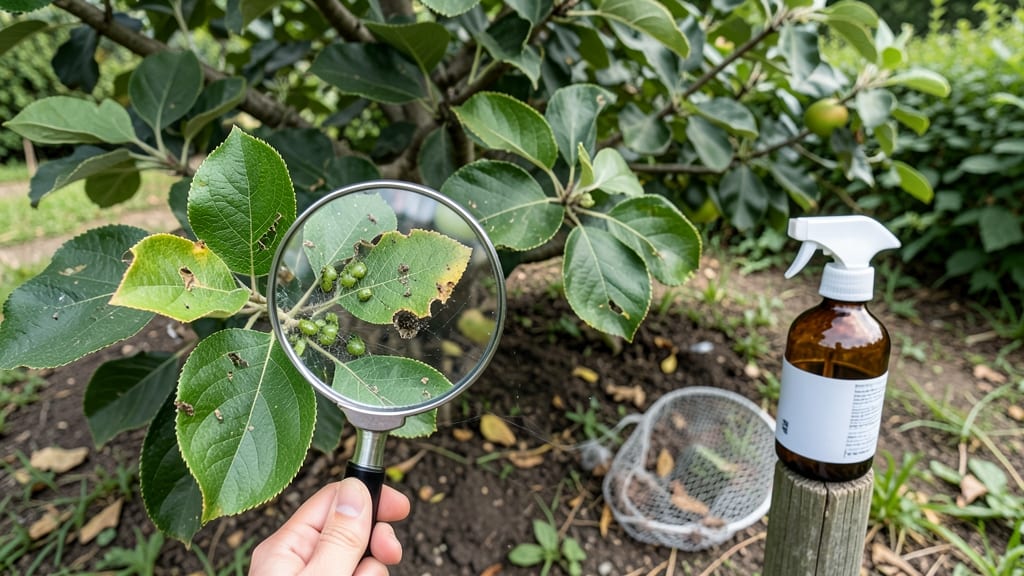
Apple tree leaf pests can turn your harvest dreams into a nightmare—unless you act fast. 🌿 The telltale signs are easy to miss at first: tiny webs, speckled leaves, or holes that look like someone took a bite out of your tree.
I’ve battled these critters for years, and the key is catching them early before they strip your tree bare.
Most of the damage comes from aphids, mites, and caterpillars, which thrive when trees are stressed. The good news? Organic sprays like neem oil or insecticidal soap can stop them in their tracks—without harming bees or your future harvest.
I’ve seen trees go from ragged to lush in just a few weeks with the right treatment.
Start by inspecting leaves closely for webbing, yellowing, or tiny black dots (frass). Prune affected branches immediately, then apply your spray when pests are most active—early morning or late evening. The goal is to disrupt their life cycle before they multiply.
This method works for both backyard orchards and container-grown trees. The secret? Consistency. Spray every 7–10 days until you see new, pest-free growth. Your tree—and your patience—will thank you.
Root Causes Behind Leaf Damage
Understanding why pests target apple tree leaves starts with recognizing the perfect storm of conditions they seek. Apple trees, with their lush foliage and sweet sap, are a buffet for insects—but the real damage often stems from a mix of environmental, biological, and human factors.
Let’s break down the key reasons these tiny troublemakers show up uninvited.
Apple trees with dense, poorly ventilated foliage create the ideal hiding spot for pests like aphids, mites, and leafhoppers. When branches grow too tightly together, moisture lingers, and sunlight struggles to penetrate—perfect conditions for pests to thrive undetected.
- Why it happens:
- Poor pruning practices (or none at all) lead to overgrowth.
- Weak or stressed trees (from drought, poor soil, or disease) produce softer leaves that pests adore.
- Young trees with tender new growth are especially vulnerable to early-season attackers like woolly aphids or apple sawfly larvae.
💡 Pro Tip: Thin out branches in late winter to improve airflow. Aim for 6–12 inches of space between limbs—this disrupts pest breeding cycles and speeds up drying after rain.
A malnourished apple tree is like an open invitation for pests. When trees lack key nutrients (especially nitrogen, potassium, or micronutrients like zinc or iron), their leaves become less resilient and more appealing to feeders.
- Why it happens:
- Poor soil quality (compacted, lacking organic matter) starves roots.
- Imbalanced fertilization (too much nitrogen = soft growth; too little = stunted leaves).
- Micronutrient deficiencies (e.g., magnesium deficiency causes yellowing between leaf veins, signaling stress that attracts pests like apple leafcurl midge).
📊 Science Note: Studies show trees with low potassium levels produce leaves with higher sugar content, making them a magnet for sap-sucking insects like green apple aphids.
Pests don’t just choose apple trees—they time their attacks based on weather. Extreme conditions (drought, heatwaves, or sudden rain) throw trees off balance, making them easier targets.
- Why it happens:
- Drought stress: Trees conserve water by producing thicker, waxier leaves—but this also makes them stickier, trapping aphids and mites.
- Unseasonable warmth: Early springs trick pests like codling moths into emerging weeks early, giving them a head start on young leaves.
- Excess moisture: Prolonged rain or high humidity boosts fungal growth (e.g., apple scab), which weakens leaves and attracts secondary pests like spider mites.
✨ Seasonal Alert: Late spring (May–June) is peak risk for leafroller caterpillars and apple maggots—these pests thrive in warm, humid conditions after a wet spring.
Some pests hitchhike on others or exploit existing damage.
For example: - Ants protect aphids in exchange for honeydew (aphid waste). - Birds or deer may damage bark, creating entry points for borers like the apple curculio. - Fungal infections (e.g., powdery mildew) weaken leaves, making them easier for mites to colonize.
🔥 Case Study: In orchards, honeydew from aphids can smother leaves, leading to sooty mold—a fungal growth that further stresses the tree and attracts more pests.
Even well-meaning gardeners can accidentally create pest paradises.
Common culprits: - Overwatering: Keeps soil pests (like root weevils) thriving near the base of the tree. - Using synthetic pesticides: Kills beneficial predators (ladybugs, lacewings) that would otherwise control pests. - Ignoring sanitation: Leaving fallen leaves or mummified fruit provides winter shelter for pests like apple maggots.
🎯 Fix It: Pull weeds within a 3-foot radius of the tree—many pests (e.g., apple leaf beetles) overwinter in grassy areas.
New pests are moving into apple-growing regions faster than ever. Warmer winters allow overwintering pests (like the brown marmorated stink bug) to survive where they once died off. Meanwhile, invasive species (e.g., spotted lanternfly) have no natural predators in North America, leading to explosive outbreaks.
🚨 Watch List: Emerald ash borer (though it targets ash trees) shows how pest ranges are expanding—apple trees aren’t immune.
Leaf pests don’t just appear—they’re drawn by a combination of stress, opportunity, and environmental cues. The good news? Fixing one factor (like pruning or soil health) can drastically reduce pest pressure before they even arrive.
Stay tuned for organic spray solutions to kick these invaders to the curb—without harming your tree (or the planet).
Fixing Foliage Foes Naturally
When your apple tree’s leaves start looking like a pest buffet, it’s time to take action—but without harsh chemicals. The good news? Organic solutions are effective, easy to use, and kinder to your garden’s ecosystem.
Below, we’ll tackle the most common leaf pests with targeted fixes, plus prevention tips to keep your tree thriving.
Before grabbing a spray bottle, identify the culprit. Here’s a quick cheat sheet:
| Pest | Signs to Watch For | Active Seasons |
|---|---|---|
| Aphids | Sticky residue (honeydew), curled leaves | Spring to early summer |
| Mites | Tiny yellow/brown specks, webbing on undersides | Late spring to fall |
| Caterpillars | Chewed leaves, frass (poop), tunnels | Summer |
| Leafhoppers | Small jumps, stippled/dotted leaves | Summer to early fall |
🔥 1. Aphid & Soft-Bodied Bugs: Soap & Oil Combo
Why it works: Aphids hate the slick feeling of soap, and neem oil disrupts their life cycle. What you’ll need:
- 1 tbsp castile soap (or mild dish soap)
- 1 tbsp neem oil
- 1 quart water
- 1 tsp horticultural oil (optional, for extra stickiness)
Steps:
- Mix gently in a spray bottle—avoid shaking to prevent suds.
- Test on a few leaves first (some trees are sensitive).
- Spray thoroughly on the undersides of leaves (where aphids hide) and stems.
- Reapply every 5–7 days until pests vanish.
💡 Pro Tip: Add a few drops of garlic juice (blended garlic + water) for extra repellent power!
👨🍳 2. Mites & Spider Mites: Neem Oil Blast
Why it works: Mites despise neem oil’s bitter taste and smothering effect. What you’ll need:
- 1 tbsp neem oil
- 1 tsp dish soap (helps it stick)
- 1 quart water
- Fine mist sprayer
Steps:
- Shake well before each use (neem oil separates).
- Spray in the evening (avoids burning leaves in sunlight).
- Focus on undersides and new growth—mites love tender leaves!
- Apply weekly until no more webbing appears.
✨ Bonus: Run a strong hose spray on the tree to wash off mites before applying oil.
🥘 3. Caterpillars & Leaf Chewers: Bacillus Thuriengensis (BT)
Why it works: BT is a natural bacteria that kills caterpillars’ stomachs—safe for humans and bees! What you’ll need:
- BT powder or spray (available at garden centers)
- Water (follow package instructions)
Steps:
- Mix BT with water in a sprayer or duster.
- Apply at dusk (caterpillars are most active then).
- Reapply after rain (BT washes off quickly).
- Handpick large larvae and drop them in soapy water.
🌡️ Warning: BT loses potency in direct sunlight—store in a cool, dark place.
🔪 4. Leafhoppers & Jumping Pests: Garlic & Pepper Spray
Why it works: The strong scent repels these tiny hoppers without harming your tree. What you’ll need:
- 4 garlic cloves (minced)
- 1 tsp cayenne pepper
- 1 quart water
- Cheesecloth or strainer
Steps:
- Blend garlic and pepper with water, then strain.
- Add 1 tsp soap to help it cling.
- Spray all leaf surfaces, especially where you see tiny jumps.
- Reapply every 3–4 days until pests disappear.
🎯 Extra Defense: Plant marigolds or basil near your tree—they naturally repel leafhoppers!
The best cure? Stopping pests before they start. Try these habits:
- 🌿 Mulch properly: Use wood chips or straw (3–4 inches deep) to deter crawling pests.
- 💦 Water wisely: Deep watering early in the morning reduces humidity (mites love dry conditions).
- 🍎 Prune strategically: Remove diseased or crowded branches in late winter for better airflow.
- 🐝 Support pollinators: Ladybugs, lacewings, and birds eat pests naturally—plant flowers to attract them!
- 🧼 Clean up: Rake and compost fallen leaves in autumn (many pests overwinter there).
With these organic fixes, your apple tree’s leaves will bounce back faster than you’d expect. Consistency is key—most pests take 2–3 weeks to fully vanish, so stick with your routine. And remember: A healthy tree is the best pest deterrent! 🍏🌿
Frequently asked questions
What are the first signs my apple tree has leaf pests?
Look for tiny webs on undersides of leaves (mites), curled or sticky leaves (aphids), or chewed edges (caterpillars). Yellowing between leaf veins or speckled patterns also signal trouble. Check new growth first—pests target tender leaves.
Can I use neem oil on apple trees before harvest?
Yes, but apply it at least 2 weeks before picking to ensure full breakdown. Neem oil is organic and safe for humans, but the 3-day waiting period after spraying is standard. Always follow label instructions for your specific product.
Why do pests seem to disappear after rain?
Heavy rain washes away many pests like aphids and leafhoppers, while also diluting their protective coatings. However, mites and caterpillars often hide deeper in foliage. This is temporary—spray after rain to prevent rebound infestations.
Are there any natural predators I can attract to control pests?
Plant dill, fennel, or yarrow nearby to attract ladybugs and lacewings—both devour aphids and mites. Install birdhouses for insect-eating birds. Even a small pond can bring in dragonflies that hunt leafhoppers.
How do I know if my tree is stressed enough to attract pests?
Watch for thin, yellowing leaves, excessive leaf drop, or stunted growth. Stressed trees produce softer leaves that pests love. Check soil moisture—both drought and overwatering create stress. Prune to improve airflow and fertilize with balanced organic matter.