
Pests and Diseases
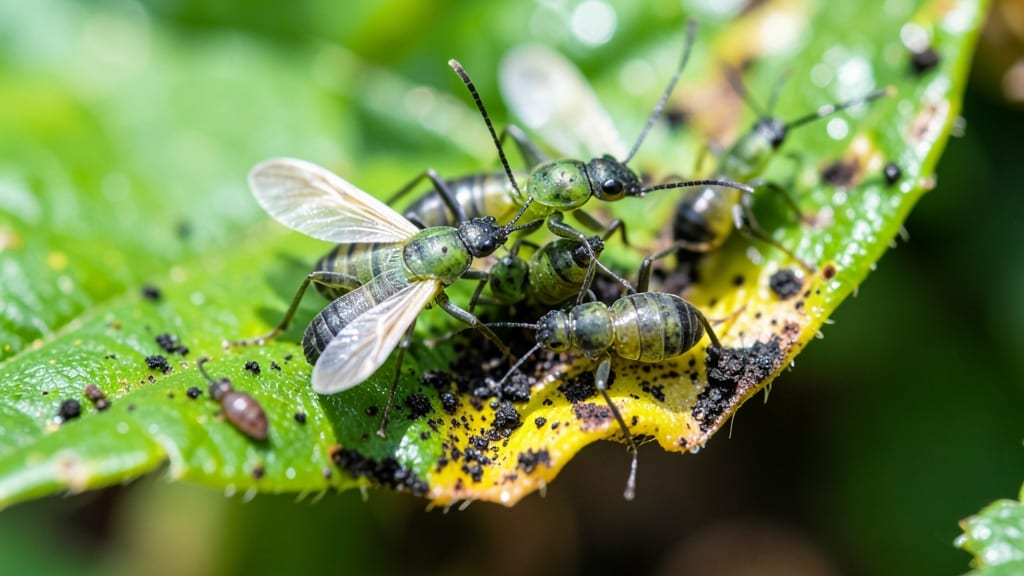
Are leaf bugs harmful? Tiny but destructive, leafhoppers and psyllids can silently wreak havoc on your plants—your garden might already be under attack. 🌿 These sap-sucking pests leave behind sticky honeydew, sooty mold, and stunted growth that can ruin a season's work if ignored.
The good news? You can spot them early and stop their damage before it spreads.
These bugs thrive in warm weather, often hiding on the undersides of leaves where they feed without you noticing. Look for curled leaves, yellowing patches, or black mold creeping across foliage—those are their calling cards.
The damage starts small but worsens fast, especially on young plants or tender veggies like beans and peppers.
You'll learn how to identify them by sight, use simple natural sprays, and even prevent future infestations with easy garden habits. Most importantly, these methods work without harsh chemicals, so your plants—and your veggies—stay safe to eat. Let's tackle this step by step.
Whether you're dealing with a sudden outbreak or just want to stay ahead, this guide covers everything from quick fixes to long-term prevention. No more guessing if those little bugs are harmless—they're not, but you can handle them like a pro. Ready to reclaim your garden?
Understanding Leaf Bug Outbreaks
Leaf bugs—whether they’re sap-sucking aphids, voracious caterpillars, or piercing assassin bugs—don’t just appear out of nowhere. Their presence is almost always a response to specific environmental or ecological triggers.
Below, we break down the key reasons these pests invade your plants, lawn, or garden, so you can address the root causes and prevent future infestations.
Healthy plants repel pests naturally, but when they’re stressed, they become easy targets. Leaf bugs are drawn to plants that are:
- Nutrient-deficient: Lack of nitrogen, phosphorus, or potassium weakens plant defenses. For example, nitrogen-starved plants produce softer leaves—ideal for aphids and spider mites to feed on without resistance.
- Overwatered or underwatered: Excess moisture creates fungal growth (like powdery mildew), which attracts sap-sucking bugs. Conversely, drought-stressed plants release volatile organic compounds (VOCs) that signal distress to pests like leafhoppers.
- Compacted soil: Poor root aeration limits nutrient absorption. Roots send out "SOS" signals in the form of sugars, luring pests like whiteflies or mealybugs.
Actionable fix: Conduct a soil test to check pH and nutrient levels. Amend soil with compost or organic fertilizers, and ensure proper drainage. Mulch around plants to retain moisture and regulate temperature.
Leaf bugs thrive in monocultures (e.g., a single crop or plant species planted densely) because:
- Limited biodiversity: Fewer predator insects (like ladybugs or lacewings) means fewer natural checks on pest populations. For instance, a single row of roses attracts Japanese beetles in swarms, while a mixed garden confuses them.
- Shaded or blocked airflow: Dense foliage traps humidity, creating ideal conditions for fungal-loving pests like thrips. Poor airflow also slows down the evaporation of plant resins, which normally deter bugs.
- Damaged or dying plants: Wounded leaves (from hail, mowing, or pruning) release sugars that attract pests. Even a single stressed plant can become a "magnet" for an infestation.
Actionable fix: Space plants according to their mature size, and prune to improve airflow. Interplant flowers (like marigolds or basil) to attract beneficial insects. Remove dead or diseased plants immediately to break the pest cycle.
Leaf bugs don’t always win—when their predators are present, they’re kept in check. However, human activities often tip the balance:
- Pesticide overuse: Broad-spectrum insecticides kill both pests and their predators (e.g., bees, spiders, and parasitic wasps). Without these allies, leaf bugs like stink bugs or leaf-footed bugs multiply unchecked.
- Habitat destruction: Removing hedgerows, wildflowers, or leaf litter eliminates hiding spots for predator insects. For example, ground beetles (which eat cutworms) need mulch or grassy edges to thrive.
- Climate shifts: Warmer winters and longer growing seasons extend the breeding cycles of pests like the Lygus hesperus (tarnished plant bug), while their predators may struggle to adapt.
Actionable fix: Reduce synthetic pesticides and opt for targeted sprays (e.g., neem oil for soft-bodied bugs). Plant native flowers to support pollinators and predator insects. Leave some "wild" areas (like a patch of dandelions) to provide refuge for beneficial species.
Leaf bugs are highly sensitive to weather. Certain conditions create perfect breeding grounds:
| Pest Type | Ideal Weather Conditions | Why It Attracts Them |
|---|---|---|
| Assassin bugs (e.g., Zelus longipes) | Hot, dry summers with stagnant air | Dry conditions reduce their natural enemies (like spiders), and heat speeds up their metabolism, increasing egg production. |
| Aphids and whiteflies | Warm nights (60–70°F) and high humidity | Humidity slows down the evaporation of honeydew (their waste), creating sticky conditions that also promote sooty mold. |
| Caterpillars (e.g., tomato hornworms) | Rainy springs followed by dry summers | Excess rain washes away predator eggs, while drought-stressed plants become easier to digest. |
Actionable fix: Monitor weather forecasts and adjust garden care accordingly. For example, use row covers to protect plants during high-humidity periods. Install fans in greenhouses to disrupt pest mating signals (some bugs use pheromones that fans can disperse).
By addressing these underlying causes, you’re not just treating a leaf bug problem—you’re preventing it. The key is to create an environment where pests have no reason to stick around. 🌱✨
Quick Fixes for Leaf Bug Issues
Dealing with leaf bugs—whether they’re causing damage to your plants or just invading your space—requires a mix of immediate action and long-term prevention. Below, we break down practical solutions tailored to the most common causes, so you can tackle the problem efficiently without harming your plants, pets, or family.
1. 🔥 Remove Infested Leaves Immediately
Leaf bugs (like aphids, lace bugs, or leaf-footed bugs) feed on plant sap, weakening foliage and spreading diseases. Act fast to stop the cycle:
- Handpick adults and nymphs: Use a stream of water or soapy water spray (1 tsp mild dish soap per quart of water) to dislodge them. 💦
- Prune affected leaves: Snip off heavily damaged leaves and dispose of them in a sealed bag (not the compost).
- Focus on new growth: Bugs love tender shoots—check these areas daily for early signs.
2. 🛡️ Use Natural Repellents
Avoid harsh chemicals with these eco-friendly deterrents: - Neem oil spray: Mix 1 tbsp neem oil + 1 tsp mild soap + 1 quart water.
Spray early morning or late evening (avoid direct sun). 🌿 - Insecticidal soap: Spray directly on bugs (not just leaves)—they dry out and die. Reapply every 3–5 days. - Diatomaceous earth (DE): Sprinkle food-grade DE around plant bases (reapply after rain).
It’s non-toxic but deadly to soft-bodied bugs. ⚠️ Avoid using if pets or kids play near treated areas.
3. 🐝 Encourage Beneficial Predators
Nature’s cleanup crew can eat leaf bugs before they multiply:
- Ladybugs: Release 1,000–2,000 ladybugs per acre (or buy them online). They devour aphids and soft-bodied pests. 🐞
- Lacewings: Their larvae are voracious leaf bug hunters.
Plant dill, fennel, or yarrow to attract them. - Birds: Install a bird feeder or bath—birds like chickadees and wrens snack on leaf-footed bugs.
1. 🧹 Seal Entry Points
Leaf bugs (like boxelder bugs or stink bugs) sneak in through:
- Cracks in windows/doors: Use caulk or weather stripping to seal gaps. 🔧
- Vents and screens: Check for tears in screens and repair them.
- Attic/eaves: Install fine mesh netting over vents and inspect for nests in fall.
2. 🚫 Prevent Outdoor Accumulation
- Remove leaf litter: Bugs hide in fallen leaves, mulch, and wood piles.
Clear debris at least 10 feet from your home. 🍂 - Trim vegetation: Keep shrubs and trees trimmed away from walls (bugs use them as highways). - Use outdoor lights sparingly: Bugs are attracted to bright lights—switch to yellow bug lights if needed.
3. 🕷️ Trap and Remove Indoors
- Vacuum them up: Use a shop vac or handheld vacuum to suck up bugs in corners, windowsills, and baseboards. Empty the vacuum outside immediately. 🧹
- Sticky traps: Place yellow sticky traps near windows or doors to catch stragglers.
- Diatomaceous earth indoors: Lightly dust along baseboards and window sills (avoid high-traffic areas if you have pets).
Stop leaf bugs from coming back with these proactive strategies:
💡 Early Detection
- Inspect plants weekly: Check undersides of leaves and new growth for eggs or tiny bugs. 🔍
- Monitor for frass: Leaf bugs leave black speckles (frass) on leaves—this is an early warning sign.
🌡️ Adjust Plant Care
- Avoid over-fertilizing: Soft, nitrogen-rich growth attracts sap-sucking bugs.
Use a balanced fertilizer. - Water at the base: Wet leaves invite fungal diseases that weaken plants (and make them bug magnets). 💧 - Choose resistant plants: Some varieties repel leaf bugs naturally, like: - Marigolds (deter many pests) - Basil (confuses leaf-footed bugs) - Rosemary (strong scent deters invaders)
✨ Seasonal Maintenance
- Fall cleanup: Before winter, rake leaves, prune dead branches, and store firewood away from the house.
- Spring prep: Apply neem oil or insecticidal soap as a preventive spray in early spring.
- Winterize entry points: Check for new cracks in siding or foundation before bugs emerge in spring.
Final Pro Tip 🎯: If leaf bugs keep returning, they might be boxelder bugs or stink bugs, which require more aggressive sealing. Consider professional pest control if DIY methods fail—especially for structural infestations.
With these steps, you’ll minimize damage, protect your plants, and keep your home bug-free—naturally and effectively!
Frequently asked questions
Are all leaf bugs harmful to plants?
Not all leaf bugs are equally destructive, but most sap-sucking varieties—like aphids, leafhoppers, and psyllids—can damage plants by weakening foliage and spreading diseases. The key difference is their feeding habits: while some cause cosmetic issues, others (like lace bugs) create permanent damage by stripping chlorophyll. Always check for signs like yellowing leaves or sticky honeydew.
Can leaf bugs bite humans or pets?
Most leaf bugs (e.g., aphids, spider mites) don't bite humans or pets—they focus on plant sap. However, some larger types like assassin bugs or stink bugs can deliver painful bites if provoked. While rare, these bites may cause redness or itching. Avoid handling plants with visible infestations to prevent accidental contact.
How do I tell if my plants have leaf bugs?
Look for these common signs: curled or yellowing leaves, tiny black specks (frass), or sticky residue (honeydew). Examine leaf undersides for small moving bugs—many hide there. For sap-suckers, check for white cottony trails (mealybugs) or tiny holes in leaves (lace bugs). A magnifying glass helps spot early infestations.
Will leaf bugs kill my plants?
Leaf bugs rarely kill mature, healthy plants outright, but severe infestations can stunt growth, reduce yields, and attract secondary pests like ants or sooty mold. Young plants or stressed vegetation are most vulnerable. Act quickly if you see wilting, leaf drop, or black mold—these are warning signs of serious damage.
Are there any leaf bugs that benefit gardens?
Some leaf bugs play indirect roles in ecosystems, but none actively benefit gardens. However, their predators—like ladybugs and lacewings—do! These beneficial insects feed on leaf bugs, creating a natural balance. Focus on attracting these helpers rather than tolerating the pests themselves.