
Pruning
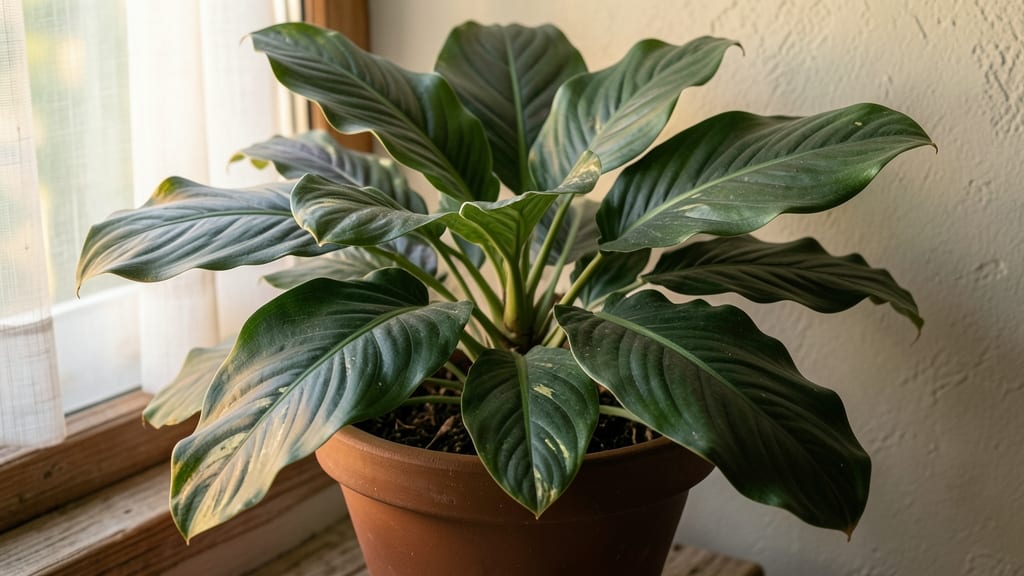
Transforming your yard with a banana leaf palm tree turns it into a tropical oasis—without the risk of frost damage. 🌿 I’ve trimmed mine for years, and the difference between a wild, scraggly plant and a showstopper comes down to timing, technique, and a sharp pair of shears.
The key? Pruning at the right moments to encourage fresh, vibrant growth while keeping the plant’s natural shape.
You’ll need just three things: sterilized pruners, a dusting of cinnamon powder (to prevent infections), and a sunny afternoon. Start by removing dead or yellowing fronds at the base—these are the plant’s energy drains.
Then, cut back any fronds that are too long or obstructing walkways, always making clean cuts just above a growth node. The goal is to expose the velvety new leaves hiding beneath, which will unfurl into lush, glossy foliage.
What you’ll end up with is a banana leaf palm that looks year-round stunning, not just in summer. The fresh growth pops against the older fronds, creating that sought-after layered look.
Plus, you’ll avoid the common mistake of over-pruning—this plant is resilient, but it won’t bounce back from aggressive cuts. Think of it as a haircut: shape, not shave.
Container growers, take note: the same rules apply, but you’ll need to prune more frequently to keep the plant compact. And if you’re in a cooler climate, hold off on heavy pruning until after the last frost—new growth is tender and won’t handle cold snaps well.
The payoff? A palm that stays taller, fuller, and more dramatic than its neighbors’. Let’s get those shears ready.
📚 In This Guide
- What you need
- Instructions
- Tips and common mistakes
- Wrapping up and next steps
What you need
- ● Pruning shears or loppers: Sharp, bypass-style blades (for clean cuts on smaller fronds). Opt for 10-12 inch loppers for thicker stems.
- ● Pruning saw: Heavy-duty, curved blade (for stubborn, woody stems—10-inch minimum recommended).
- ● Gloves: Thick, cut-resistant gardening gloves (banana fronds have serrated edges!).
- ● Disinfectant (70% isopropyl alcohol or bleach solution): 1 part bleach to 9 parts water (to sterilize tools between cuts and prevent disease).
- ● Heavy-duty trash bags or compost bin: 30+ gallon capacity (fronds can be bulky—plan for 2-3 bags per palm if heavily pruned).
- ● Ladder or sturdy step stool: 6+ foot height (ensure it’s stable and rated for your weight).
- ● Rake or leaf blower: Medium-sized (for clearing debris post-pruning).
- ● Pruning sealant: Wound dressing (for large cuts—only if needed; palms often heal without it).
- ● Safety glasses: (to protect against debris or sap splashes).
- ● Work apron: (to keep clothes clean from sap and dirt).
- ● Hose or spray bottle: (to rinse tools and palms post-pruning).
- ● Camera or phone: (to document your palm’s progress before/after!).
- ● Check the weather forecast: Aim for a dry, overcast day (avoid pruning in direct sun or wind).
- ● Wear closed-toe shoes and long sleeves/pants (protection from sap and fronds).
- ● Have a first-aid kit handy (for minor cuts or irritations).
- ● Read up on your palm’s growth habits (e.g., Musa acuminata vs. Musa balbisiana—some varieties need more aggressive pruning).
Step-by-step guide to pruning your banana leaf palm tree
Here’s how to keep your palm looking dramatic and healthy—without overdoing it.
✂️ Step 1: Identify Dead or Diseased Fronds
Start by inspecting your banana leaf palm from top to bottom. Dead fronds will be brown, brittle, and completely dry—no green at the base. Diseased fronds might show yellowing, black spots, or oozing sap. I always run my fingers along the frond’s midrib: if it snaps easily, it’s dead and ready to go.
Don’t remove healthy fronds just because they’re yellowing—banana palms naturally recycle nutrients through older leaves. Only prune what’s truly dead or sick. This keeps the plant’s energy focused on new growth.
✂️ Step 2: Cut Fronds at the Right Spot
Use sharp, clean pruning shears or a handsaw for thicker stems. Cut each frond at its base, where it meets the trunk, leaving a clean ½-inch stub. Never tear fronds—this leaves ragged edges that invite pests and disease. I angle my cuts slightly downward to help rainwater run off instead of pooling.
For very large fronds, I cut them into 2-foot sections before removing them from the area. This makes cleanup easier and prevents debris from scattering around your yard.
☀️ Step 3: Prune for Airflow and Light
Banana palms need bright, indirect light to thrive. If fronds are blocking sunlight from reaching the center of the plant, trim them back to open up the canopy. Focus on removing fronds that overlap or crowd the trunk—this improves airflow and reduces humidity-related issues like fungal growth.
I like to step back every few cuts to visualize the palm’s shape. The goal is to maintain a natural, balanced look while encouraging new growth from the top. Never remove more than ⅓ of the fronds at once—this stresses the plant.
🌿 Step 4: Clean Up and Monitor Growth
After pruning, rake up all debris and dispose of it in the trash—never compost diseased material. I wipe down my shears with rubbing alcohol to prevent spreading pathogens. Once the area is clear, water the base of the palm deeply to help it recover from the trimming.
Watch for new fronds emerging from the top in 4-6 weeks. If you see yellowing at the base of the trunk, that’s normal—it’s the plant recycling nutrients. But if you notice black spots or wilting, hold off on pruning until the issue is resolved.
⏰ Step 5: Schedule Seasonal Maintenance
Prune your banana palm year-round as needed, but focus on late winter or early spring for major trims. This gives the plant time to recover before summer’s heat. I also check for dead fronds after storms—they often hide damage that needs attention.
Real talk: Over-pruning is the biggest mistake. Your palm will look bare and stressed if you go overboard. I promise, a little patience goes a long way. With consistent care, your banana leaf palm will reward you with lush, dramatic foliage for years.
Tips & tricks for perfect banana leaf palm tree pruning
These simple tricks will help you keep your palm looking stunning while avoiding common pruning mistakes.
Tool Prep: Always sterilize your pruning shears with rubbing alcohol before and after use—this prevents spreading pathogens between cuts. I also recommend wearing gloves, especially when handling diseased fronds, to protect your hands from sap and potential irritants. Sharp tools make cleaner cuts, so take 5 minutes to sharpen blades before starting your pruning session.
Visual Cue for Healthy Fronds: In Step 1, when inspecting fronds, look for the "V" shape where the frond meets the trunk. If you see green at this junction, the frond is still alive and should stay put. The classic "dead frond test" is running your thumb along the midrib—if it snaps cleanly, it's ready for removal. This simple check saves you from accidentally pruning healthy growth.
Seasonal Timing Strategy: While you can prune year-round, I prioritize late winter or early spring for major trims. This timing gives your palm time to recover before summer's heat stress. After storms, check for hidden damage—wind often breaks fronds at the base, which can go unnoticed until it's too late. I make a habit of doing a quick frond inspection after every major weather event.
Cleanup Hack: After pruning, I collect all debris in a heavy-duty trash bag and tie it securely before disposal. Never compost diseased material—this can spread pathogens to your other plants. For large fronds, I cut them into 2-foot sections on-site to make cleanup easier and prevent debris from blowing around your yard. This small step makes a big difference in maintaining a tidy workspace.
Pro Tips for Banana Leaf Palm Tree
- These simple tricks will help you keep your palm looking stunning while avoiding common pruning mistakes.
- Tool Prep: Always sterilize your pruning shears with rubbing alcohol before and after use—this prevents spreading pathogens between cuts.
- Visual Cue for Healthy Fronds: In Step 1, when inspecting fronds, look for the "V" shape where the frond meets the trunk.
Frequently asked questions
Got questions about keeping your banana leaf palm tree (Musa textilis) looking its best without overdoing it? Here are some common concerns—and expert answers—to help you prune with confidence!
How often should I prune my banana leaf palm tree?
Prune your banana leaf palm tree only when necessary—typically once a year or after it flowers (if it does). Over-pruning can stress the plant, so focus on removing dead, yellowing, or damaged fronds rather than a full makeover. Think of it like giving your palm a light trim, not a buzz cut!
Can I prune banana leaf palm trees at any time of year?
While you can prune year-round, the best time is late winter or early spring (just before new growth starts). Avoid heavy pruning in summer heat or winter cold, as the plant may struggle to recover. If you spot a sick frond, remove it ASAP—don’t wait for the “perfect” season!
What if I accidentally cut into the trunk? Will my palm die?
Don’t panic! Banana leaf palms are tougher than they look. If you nick the trunk while removing a frond, disinfect the wound with hydrogen peroxide and let it heal naturally. Just avoid deep cuts—stick to the base of the frond where it meets the trunk. Most palms bounce back like champions!
Are there alternatives to pruning if my palm looks messy?
If your palm is overgrown but not dangerous, try these gentler fixes:
- Thin out dense fronds to improve airflow (prevents fungal issues).
- Use a mulch ring to protect the base and encourage healthier growth.
- Fertilize lightly with palm-specific food to boost vitality.
Why does my banana leaf palm keep dropping fronds?
Frond drop is normal—palms shed old leaves as part of their life cycle. But if you’re seeing unusual drooping or browning:
If the problem persists, prune only the worst offenders and monitor for improvements.
Wrapping up and next steps
Pruning your banana leaf palm tree doesn’t have to be a daunting task—with the right tools, timing, and techniques, you can keep its foliage lush and dramatic while promoting healthy growth.
Remember, precision trimming is key, whether you’re removing dead fronds, shaping for aesthetics, or encouraging new shoots. The rewards—vibrant leaves, pest resistance, and a thriving plant—are well worth the effort!
Ready to take the next step? Start small—pick one section of your palm to practice, and soon, you’ll be a pruning pro! 🌿 For more tips, join gardening forums or consult local experts to refine your skills further.