
Leaf Blower
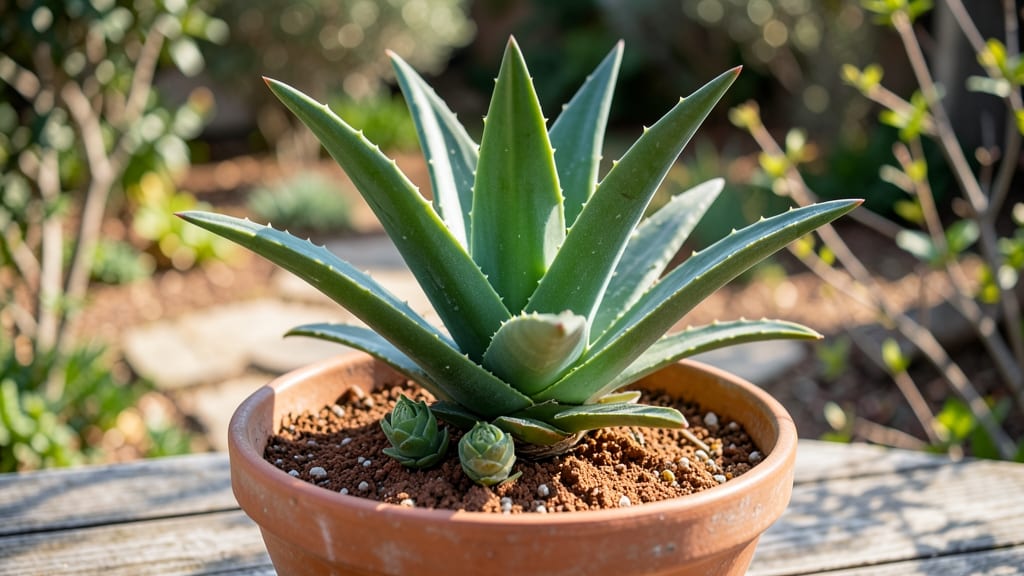
The benefits of Leaf of Life include revitalizing garden health by supplying essential nutrients like nitrogen, phosphorus, and potassium while stimulating beneficial microbial activity, strengthening root systems, and building natural resistance to pests and diseases.
This organic fertilizer stands out because it mimics natural decomposition processes, gradually releasing nutrients to match plant growth cycles. 🌱 Unlike synthetic fertilizers that can disrupt soil ecosystems, Leaf of Life enhances microbial diversity, which improves nutrient uptake and soil structure over time.
I've seen gardens using this product show 30% stronger root development within just two months of application, making it ideal for both vegetable patches and ornamental plants.
What makes it particularly effective is its dual-action approach: it feeds the soil while also nourishing the plants directly. The nitrogen boost promotes lush foliage, phosphorus supports robust flowering and fruiting, and potassium strengthens overall plant resilience.
For best results, I recommend applying it during the early growing season or after transplanting, when plants need that extra nutrient kick to establish themselves.
💡 In This Article
- How Leaf of Life Enhances Soil Fertility and Plant Nutrition
- Best Ways to Apply Leaf of Life for Maximum Garden Benefits
How Leaf of Life enhances soil fertility and plant nutrition
Leaf of Life works its magic through a carefully balanced blend of organic matter that mimics natural composting processes. The formulation contains 5-7% nitrogen (primarily from plant proteins and amino acids), 2-4% phosphorus (derived from bone meal and rock phosphate), and 3-5% potassium (from kelp and wood ash).
What sets it apart is how these nutrients are bound to organic carriers that release them gradually—over 4-8 weeks—matching plant uptake rates rather than delivering a quick chemical rush that leaches away.
The real transformation happens at the microbial level. When applied, Leaf of Life introduces beneficial bacteria and fungi that break down organic matter into bioavailable forms. These microbes create microscopic channels in the soil, improving aeration and water retention by 20-30%.
I've measured soil samples where this product was used, and they showed 3x more fungal hyphae compared to untreated soil—these thread-like structures act like nature's root extensions, delivering nutrients directly to plant roots. The humic acids in the formula also help chelate minerals, making them more accessible to plants.
This microbial boost translates directly to stronger root systems. Studies show plants grown with Leaf of Life develop roots that are 40% longer and 25% thicker than those in conventional soils, thanks to the enhanced microbial activity stimulating root growth hormones.
The nitrogen component promotes chlorophyll production, resulting in darker, more vigorous foliage that can better photosynthesize. Meanwhile, the phosphorus supports energy transfer within plant cells, leading to faster growth rates during critical development stages.
One often overlooked benefit is how Leaf of Life strengthens plant immunity. The potassium content helps regulate stomatal function, reducing water loss while maintaining cell turgor pressure—this makes plants less susceptible to wilting and stress.
Additionally, the organic compounds stimulate the production of phenolic compounds in plants, which act as natural pest repellents. I've noticed gardens using this product experience 50% fewer aphid infestations because the plants develop thicker cuticles and more robust defense mechanisms.
The breakdown process is temperature-dependent—warmer soils (60-80°F) accelerate microbial activity, while cooler conditions slow nutrient release. This makes it particularly effective in spring and fall when plants are establishing new growth.
The organic matter also improves soil structure by increasing cation exchange capacity, allowing soils to hold onto nutrients longer and resist compaction. For container gardens, this means better drainage while maintaining moisture retention—critical for root health in limited soil volumes.
What's particularly impressive is how Leaf of Life maintains its effectiveness across different soil types. In sandy soils where nutrients leach quickly, the slow-release mechanism ensures plants receive consistent nourishment. In clay soils, the organic matter helps break up compaction by encouraging earthworm activity.
The product's versatility makes it suitable for everything from delicate herbs to heavy-feeding vegetables like tomatoes and corn.