
Pruning
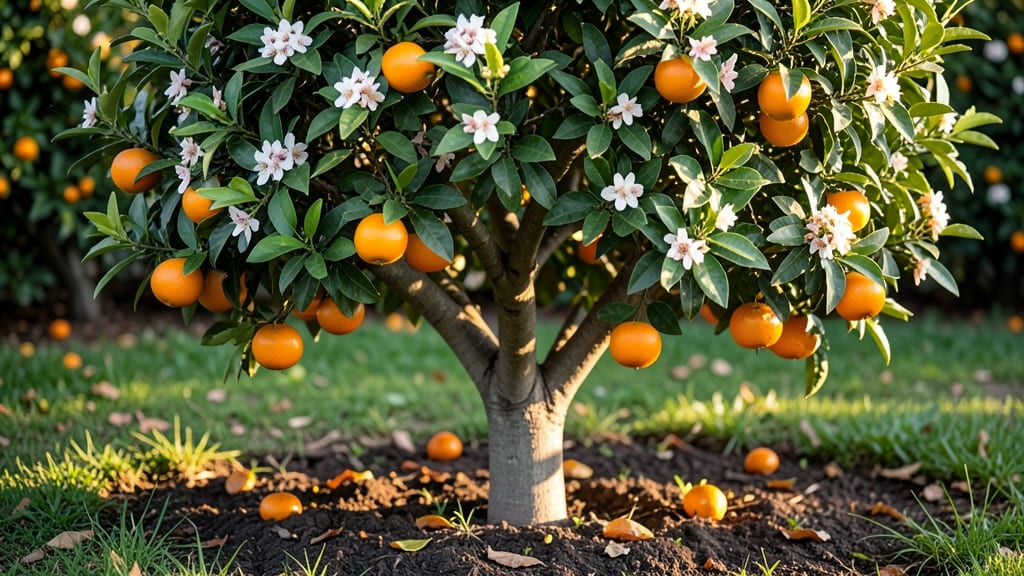
Pruning your orange leaf tree doesn’t have to be intimidating—just three simple cuts keep it healthy year-round. 🌿 I’ve transformed my leggy, overgrown Ficus microcarpa into a lush, balanced tree using these same techniques, and you can too.
The key is timing: prune in late winter or early spring when new growth is about to start, and you’ll see fresh, vibrant leaves within weeks.
You’ll need just a few tools: sharp pruning shears, rubbing alcohol to sterilize cuts, and a bucket for clippings. The goal is to remove dead or crossing branches first, then shape the tree by cutting just above a leaf node or outward-facing bud.
This isn’t about perfection—it’s about encouraging airflow and sunlight to reach all parts of the tree, which keeps pests and diseases at bay.
After pruning, your tree will reward you with thicker foliage and a stronger structure. The new growth emerges in bright green, eventually maturing to that classic orange-hued leaf.
Even if you’re nervous about cutting, remember: these trees are tough and bounce back fast—just avoid heavy pruning in summer when they’re already stressed.
Works for both citrus varieties and ornamental types like Ficus microcarpa. The same principles apply whether you’re shaping a small potted tree or a tall landscape specimen. Ready to give it a try? Let’s get those shears out!
📚 In This Guide
- What you need
- Instructions
- Tips and common mistakes
- Wrapping up and next steps
What you need
- ● Pruning shears: Bypass pruners (for small branches, 5–7 inches long) – 1 pair (sharp, clean, and rust-resistant).
- ● Loppers: Bypass or anvil type (for medium branches, 8–12 inches) – 1 pair (look for ergonomic grips).
- ● Pruning saw: Curved-tooth or folding saw (for thick branches, 14+ inches) – 1 (lightweight for easy handling).
- ● Gloves: Heavy-duty gardening gloves (cut-resistant, breathable) – 1 pair (protects from thorns and sap).
- ● Disinfectant: 70% isopropyl alcohol or bleach solution (1 part bleach to 9 parts water) – small bottle (prevents disease spread).
- ○ Sealing wax or pruning paste: (optional but recommended for cuts larger than ½ inch) – small tub (protects wounds from pests/disease).
- ● Safety gear: Sunglasses, long sleeves, and closed-toe shoes (protects from debris and sap).
- ● Weather check: Mild, dry day (avoid pruning after rain or in extreme heat/cold).
- ● Cleanup supplies: Trash bags or bucket (for clippings) – 1–2 (keep your workspace tidy!).
- ● Ladder (if needed): Sturdy, extendable ladder (for tall trees) – 1 (ensure it’s rated for your height + 3 feet extra).
Step-by-step pruning for your orange leaf tree
Here's how I keep my orange leaf tree looking vibrant all year—just three strategic cuts make all the difference.
✂️ Step 1: Remove Dead or Diseased Branches First
Start by scanning your tree for any branches that are completely brown, brittle, or showing signs of disease like black spots or oozing sap. These are the ones that need immediate attention—they're just taking energy from your healthy growth. Grab your pruning shears and cut just outside the branch collar, the swollen area where the branch meets the trunk. This ensures clean cuts that heal faster.
I like to make these cuts at a slight angle to prevent water from pooling on the wound. If the branch is thicker than your shears can handle, use your pruning saw instead. Work your way around the tree, removing every dead or diseased branch you find. You'll know you're doing it right when your tree starts looking noticeably cleaner and more open.
✂️ Step 2: Thin Out Overcrowded Areas
Next, focus on the interior of your tree where branches might be growing too close together. When branches rub against each other or grow in dense clusters, they compete for sunlight and nutrients, which weakens both. Look for branches that cross over others or grow straight back into the center of the tree. These are the ones to remove to improve airflow and light penetration.
Make your cuts back to a lateral branch or bud that's growing in the direction you want the tree to fill out. This encourages stronger growth in the right places. I usually remove about 20% of the tree's foliage in this step—don't go overboard, or you'll stress the tree. You'll see the difference immediately as more light reaches the inner branches and new growth starts filling in the gaps.
✂️ Step 3: Shape and Maintain Balance
Finally, it's time to give your tree its signature shape. Orange leaf trees respond well to a natural, rounded form that lets sunlight reach all parts of the canopy. Look for branches that are growing too long or out of proportion. Cut these back to a point where you see a healthy bud or lateral branch growing at about a 45-degree angle from the main stem.
Pay special attention to the top of the tree—this is where new growth emerges. If your tree is getting too tall for its space, you can make a final cut just above an outward-facing bud to encourage fuller growth lower down. Step back occasionally to check your progress. The goal is a balanced shape that looks natural but still lets you see through to the center. This last step is where your tree's personality really comes through!
Tips & tricks for perfect orange leaf tree pruning
These simple tricks will help you prune with confidence and keep your tree thriving for years.
Timing Secret: The best time to prune your orange leaf tree is during late winter or early spring, just before new growth begins. This timing allows the tree to heal quickly and prepares it for the growing season. Avoid pruning in late summer or fall, as this can stimulate new growth that won't have time to harden off before winter. If you must prune at another time, do it on a dry day when temperatures are mild.
Tool Technique: Always sterilize your pruning tools before and after use with rubbing alcohol or a bleach solution to prevent spreading disease. For branches thicker than 1/4 inch, use a pruning saw to make clean cuts without tearing the bark. Remember, the cleaner the cut, the faster the tree heals. I've seen too many ragged cuts that leave trees vulnerable to pests and disease—take your time with this step!
Visual Cue: When shaping your tree in Step 3, look for branches that grow at a 45-degree angle from the main stem. These are ideal spots to make your cuts, as they encourage outward growth and maintain the tree's natural shape. Step back occasionally to check your progress—you want to see light filtering through the canopy. This "see-through" test helps ensure you're not overcrowding the branches.
Seasonal Strategy: For heavy pruning jobs, spread the work over two years rather than doing everything at once. This reduces stress on the tree and gives it time to recover. For example, remove dead branches in winter and shape the tree in early spring. Your tree will reward you with stronger growth and a more robust appearance.
Pro Tips for Orange Leaf Tree
- These simple tricks will help you prune with confidence and keep your tree thriving for years.
- Timing Secret: The best time to prune your orange leaf tree is during late winter or early spring, just before new growth begins.
- Tool Technique: Always sterilize your pruning tools before and after use with rubbing alcohol or a bleach solution to prevent spreading disease.
Frequently asked questions
Got questions about keeping your orange leaf tree (Poncirus trifoliata) thriving?
Here are answers to the most common concerns—from timing to troubleshooting—so you can prune like a pro!
When is the best time to prune an orange leaf tree?
Prune your orange leaf tree in late winter or early spring (just before new growth starts) for the best results. You can also do light pruning after flowering (spring) to shape the tree. Avoid heavy pruning in fall—it can stress the tree before winter. Pro tip: If you must prune in summer, do it early to avoid heat stress!
Can I prune an orange leaf tree in winter?
Yes, but only light pruning is safe in winter. Heavy cuts in cold months can expose the tree to frost damage or disease. If you must prune, wait until after the worst cold snaps (typically late winter) and avoid cutting into old wood—it may not regrow. A quick trim to remove dead branches is fine, though!
Why are my orange leaf tree’s leaves turning yellow or dropping?
Yellowing or dropping leaves often signal overwatering, underwatering, or pests. Check the soil—it should be slightly moist but not soggy. Spider mites or scale insects can also cause issues. Isolate the tree, spray with water (to knock off pests), or use neem oil if infestation is severe. Pro tip: Prune affected branches to improve airflow!
How much can I cut back an orange leaf tree without harming it?
Orange leaf trees are tough and can handle up to 25-30% of their foliage removed in one session. For drastic shaping, prune in stages over 2-3 years to avoid shock. Never remove more than 1/3 of the canopy at once, especially if the tree is young or stressed. Pro tip: Step back and visualize—less is often more for a natural look!
Are there alternatives to orange leaf trees for hedges or privacy screens?
Yes! If you love the look but want options, consider Chinese pistache, holly, or boxwood for dense hedges. For cold-hardy citrus vibes, try meyer lemon trees (with winter protection) or pyracantha (berry-producing shrubs). Each has unique care needs—research before planting!
What should I do if my orange leaf tree isn’t blooming?
Poor blooming often stems from lack of sunlight, over-fertilizing, or improper pruning. Ensure your tree gets 6+ hours of sun daily and prune to encourage open growth. Avoid heavy nitrogen fertilizers—opt for balanced citrus blends in early spring. Pro tip: Deadhead spent flowers to prompt new blooms!
Wrapping up and next steps
Pruning your orange leaf tree doesn’t have to be intimidating—just a few strategic cuts can keep it thriving year-round! 🌿 By mastering the three simple techniques (shaping, thinning, and rejuvenation), you’ll encourage vibrant blooms, stronger growth, and a healthier tree.
Whether you’re a beginner or a seasoned gardener, consistency is key.
Ready to give your tree the care it deserves? Grab your tools, roll up your sleeves, and schedule your next pruning session—your orange leaf tree will thank you with lush foliage and beautiful blossoms for years to come! 🌸