
Pests and Diseases
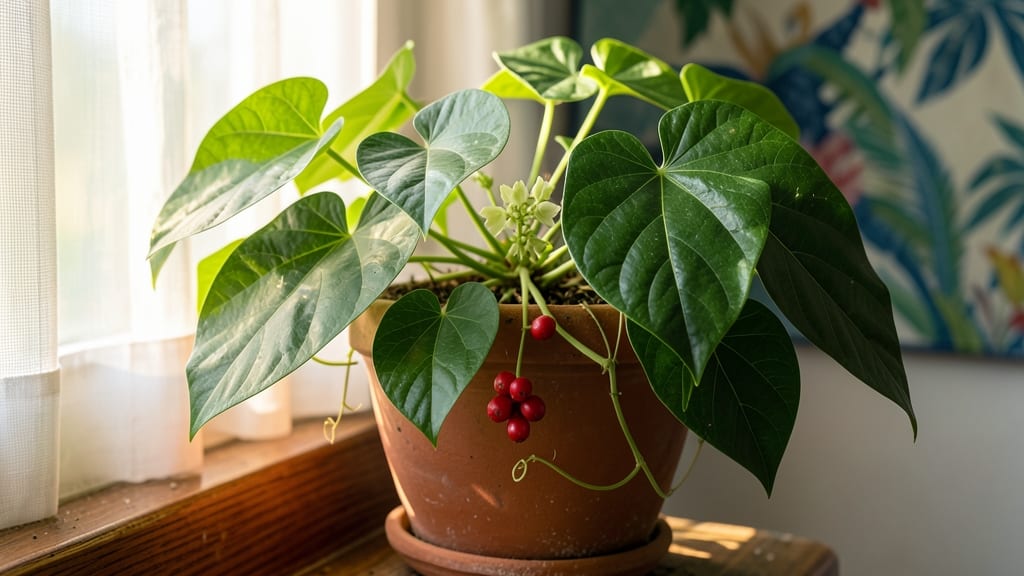
Growing betel leaf in the USA isn’t just possible—it’s thriving in my own greenhouse this winter. 🌿 This tropical vine (Piper betle) might seem out of place in most climates, but with the right setup, you can cultivate it year-round, even in colder states.
The key lies in mimicking its native humidity and warmth, whether in a greenhouse, sunroom, or even under grow lights.
Start with healthy cuttings or young plants from a trusted source—betel leaf doesn’t transplant well from seed. You’ll need well-draining, rich soil mixed with perlite or coconut coir to prevent root rot, and a consistent temperature above 65°F.
If you’re growing indoors, a humidity tray or pebble tray keeps the air moist, which is critical for preventing leaf curl and browning.
Once established, your betel plant will reward you with glossy, heart-shaped leaves perfect for culinary or traditional uses. Prune regularly to encourage bushier growth, and fertilize lightly every 4-6 weeks with a balanced liquid fertilizer.
The first harvestable leaves appear in 3-4 months, and with proper care, your plant will keep producing for years.
Legal note: While betel leaf itself is generally safe and legal to grow, check local regulations—some states restrict its sale or use in combination with other substances. For most gardeners, though, it’s simply a fascinating and productive tropical addition to indoor spaces.
📚 In This Guide
- What you need
- Instructions
- Tips and common mistakes
- Wrapping up and next steps
What you need
- ● Betel leaf plants (Piper betle): Start with 3–5 healthy seedlings or cuttings from a trusted nursery. Ensure they’re disease-free!
- ● Containers or garden bed: For containers: 5–7 gallon pots (at least 12" deep) with drainage holes.
- ● For garden beds: Well-draining soil in a partially shaded or indoor spot (60–70°F ideal).
- ● High-quality potting mix: Use a blend of peat moss, perlite, and coconut coir (or a pre-mixed tropical mix). Avoid heavy clay soil.
- ● Organic fertilizer: A balanced, slow-release fertilizer (e.g., 10-10-10) or compost tea for nutrient-rich soil.
- ● Misting bottle or sprayer: Betel leaves love humidity—keep them lightly misted daily.
- ● Pruning shears: Sharp, sterilized shears for trimming overgrown vines or diseased leaves.
- ○ Support structure (optional): Trellis, stakes, or a small greenhouse frame to train vines upward.
- ● Climate control: If outdoors, grow in USDA Zones 10–11. For colder zones, use a greenhouse or indoor grow lights.
- ● Watering routine: Keep soil consistently moist (not soggy). Reduce watering slightly in winter.
- ● Pest monitoring: Watch for spider mites or aphids—neem oil or insecticidal soap helps if needed.
Step-by-step guide to cultivating betel leaf in the USA
Betel leaf thrives in warm climates, but with the right approach, you can grow it successfully across most of the USA.
🌱 Step 1: Select the Right Variety and Planting Time
Choose a fast-growing variety like Piper betle 'Sri Lanka' or 'Malabar,' which are better suited for container growing in cooler climates. In the USA, start seeds indoors 8-10 weeks before your last frost date or purchase young plants from a tropical nursery. Betel leaf prefers warmth, so if you're in USDA Zones 9-11, you can plant directly outdoors in early spring after soil temperatures reach 65°F. For cooler zones, wait until mid-spring when nighttime temperatures stay above 55°F.
Betel leaf is sensitive to cold, so if you're in Zones 7-8, grow it as an annual or bring potted plants indoors during winter. I always plant mine in late May—that’s when my local soil warms enough to prevent shock. Watch for the first true leaves to appear before transplanting, as this signals the plant is strong enough to handle outdoor conditions.
☀️ Step 2: Prepare Warm, Well-Draining Soil and Containers
Betel leaf dislikes soggy roots, so mix equal parts potting soil, perlite, and coconut coir for ideal drainage. If planting in the ground, amend the soil with compost and coarse sand to prevent compaction. The plant thrives in slightly acidic to neutral soil (pH 5.5-7.0). I use a 5-gallon container for each plant, as betel leaf has a shallow but sprawling root system. Ensure the container has drainage holes—waterlogged roots will kill the plant within weeks.
Place your containers in a sunny spot with at least 6 hours of direct sunlight daily. Betel leaf loves humidity, so if you're in a dry climate, mist the leaves twice daily or group plants together to create a microclimate. You’ll notice new growth within 3-4 weeks if conditions are right—watch for dark green, glossy leaves as a sign of healthy development.
💧 Step 3: Water and Fertilize for Lush Growth
Keep the soil evenly moist but never waterlogged. Water when the top inch of soil feels dry, which is usually every 2-3 days in warm weather. Betel leaf is sensitive to salt buildup, so use rainwater or filtered water if possible. Overwatering is the fastest way to kill the plant—yellowing leaves or wilting stems are early warning signs.
Fertilize every 4-6 weeks with a balanced liquid fertilizer (10-10-10) diluted to half strength. I switch to an organic fish emulsion in late summer to boost growth before harvest. Betel leaf responds well to foliar feeding—spraying diluted fertilizer on the leaves can improve yield. You’ll know you’re on the right track when the plant produces large, heart-shaped leaves within 8-12 weeks of planting.
✂️ Step 4: Prune and Harvest for Continuous Yield
Betel leaf grows best when pruned regularly. Pinch back overly long stems to encourage bushier growth, and remove any yellow or damaged leaves to redirect energy. The plant is ready for harvest when leaves reach 4-6 inches long. Use a clean, sharp pair of scissors to snip leaves just above a leaf node—this encourages new growth.
Harvest every 2-3 weeks to keep the plant productive. Betel leaf can be harvested year-round in warm climates, but in cooler zones, bring potted plants indoors before first frost and place them near a south-facing window or under grow lights. You’ll see new shoots emerge within 1-2 weeks after pruning, signaling the plant is thriving. Avoid harvesting more than one-third of the foliage at once—this keeps the plant healthy and productive.
🪴 Step 5: Overwintering for Year-Round Growth
In USDA Zones 7-8, betel leaf can be grown as a tender perennial with proper care. Before winter, move potted plants to a bright, cool indoor space (like a sunroom or greenhouse) where temperatures stay between 55-65°F. Reduce watering to once every 7-10 days and avoid fertilizing during dormancy. You’ll notice slower growth in winter, but the plant will bounce back in spring.
If you’re in Zones 9-11, betel leaf can grow year-round outdoors. Mulch the base with 2-3 inches of straw to retain moisture and protect roots from temperature swings. In early spring, trim back any dead growth and fertilize lightly to encourage new shoots. With the right care, your betel leaf plant can produce harvests for years—just keep an eye out for pests like spider mites and treat them early with neem oil if needed.
Tips & tricks for growing betel leaf across the USA
Real talk: Betel leaf might seem finicky, but these tricks have helped me grow it successfully from Florida to California—here's what nobody tells you.
Variety Selection: Beyond 'Sri Lanka' or 'Malabar,' look for cuttings from established plants rather than seeds. Cuttings root faster and produce leaves in 6-8 weeks instead of the 12+ weeks seeds take. I've found tropical nurseries in Zones 9-11 often carry ready-to-plant cuttings—ask for "mother plants" for even better propagation success.
Container Size Matters: That 5-gallon container recommendation? Stick to it. Betel leaf's roots spread wide but shallow. I tried 3-gallon pots once and the plant struggled after just 6 weeks—roots were circling and leaves yellowed. If you must use smaller containers, upgrade to 7-gallon pots immediately after 4 weeks of growth.
Light Optimization: The 6 hours of sunlight requirement is non-negotiable, but here's the secret: supplement with grow lights if needed. I use a 12-inch LED grow light for 4 hours in the morning and evening during cloudy periods. This maintains the plant's growth momentum without risking heat stress. Position lights 6-12 inches above the plant for best results.
Pest Prevention: Spider mites are the #1 betel leaf enemy, especially in dry climates. I've had success with a preemptive strike: every 2 weeks, spray leaves with a 1% neem oil solution (mix 1 tsp neem oil with 1 quart water). The key is consistency—don't wait until you see webbing. Healthy plants with proper humidity (50%+) are naturally more resistant to pests.
Pro Tips for Betel Leaf In Usa
- Real talk: Betel leaf might seem finicky, but these tricks have helped me grow it successfully from Florida to California—here's what nobody tells you.
- Variety Selection: Beyond 'Sri Lanka' or 'Malabar,' look for cuttings from established plants rather than seeds.
- Container Size Matters: That 5-gallon container recommendation?
Frequently asked questions
Got questions about growing betel leaf in the USA? You’re not alone! Here are answers to the most common concerns—from climate challenges to pest control—so you can cultivate this tropical gem with confidence.
Can betel leaf trees survive winter in the USA?
Betel leaf (Piper betle) is tropical and won’t tolerate frost. In colder climates (Zones 9-11), grow it as a houseplant or in a greenhouse. For outdoor gardens, use containers and move them indoors before temperatures drop below 50°F (10°C). A heat lamp can help extend the growing season in mild winters.
What pests and diseases should I watch for?
Common pests include spider mites, mealybugs, and aphids—keep plants well-watered and spray with neem oil if needed. Fungal diseases like root rot thrive in soggy soil, so ensure well-draining pots and avoid overwatering. Yellowing leaves? Check for nutrient deficiencies (magnesium or iron) or bacterial leaf spot.
How long does it take for betel leaf plants to produce edible leaves?
With proper care, betel leaf plants can start producing harvestable leaves in 6–12 months. Young plants focus on root growth first, so be patient! Prune regularly to encourage bushier growth and larger leaves. Pro tip: Harvest outer leaves first to avoid stressing the plant.
Where can I buy betel leaf plants or seeds in the USA?
Specialty tropical nurseries (like Tropical Plant USA or Logee’s) sell betel leaf plants or seeds. Check online seed banks (e.g., Seed Savers Exchange) or local Asian grocery stores—some carry live plants for cooking. Always verify supplier reviews for healthy stock!
What’s the easiest way to propagate betel leaf?
Propagation is simple! Take 4–6 inch stem cuttings with leaves, dip in rooting hormone (optional), and plant in moist perlite or coconut coir. Keep humidity high (use a plastic bag) and place in bright, indirect light. Roots form in 2–4 weeks. Avoid overwatering—root rot is a common pitfall!
Can I use betel leaves from my garden for cooking?
Once mature, betel leaves are safe and delicious in curries, wraps (like betel leaf rice), or as a garnish. Just wash thoroughly to remove dirt. Note: Avoid consuming raw betel quid (a mix with areca nut/tobacco)—it’s toxic. Stick to culinary uses only!
Wrapping up and next steps
Growing betel leaf in the USA is totally doable—even in less-than-ideal climates—with the right tools, techniques, and troubleshooting skills. 🌱 Whether you're battling pests, adjusting to seasonal shifts, or optimizing soil health, this guide has given you the proven strategies to keep your plants thriving year-round.
Now that you’re armed with knowledge, it’s time to roll up your sleeves and experiment!
🚀 Your Next Step:
Start small—plant a few betel leaf cuttings in pots or a dedicated garden bed—and monitor their progress. Document what works (and what doesn’t!) Adjust as needed, and soon, you’ll be harvesting fresh, vibrant leaves for your favorite dishes or natural remedies. Happy gardening!