
Advice
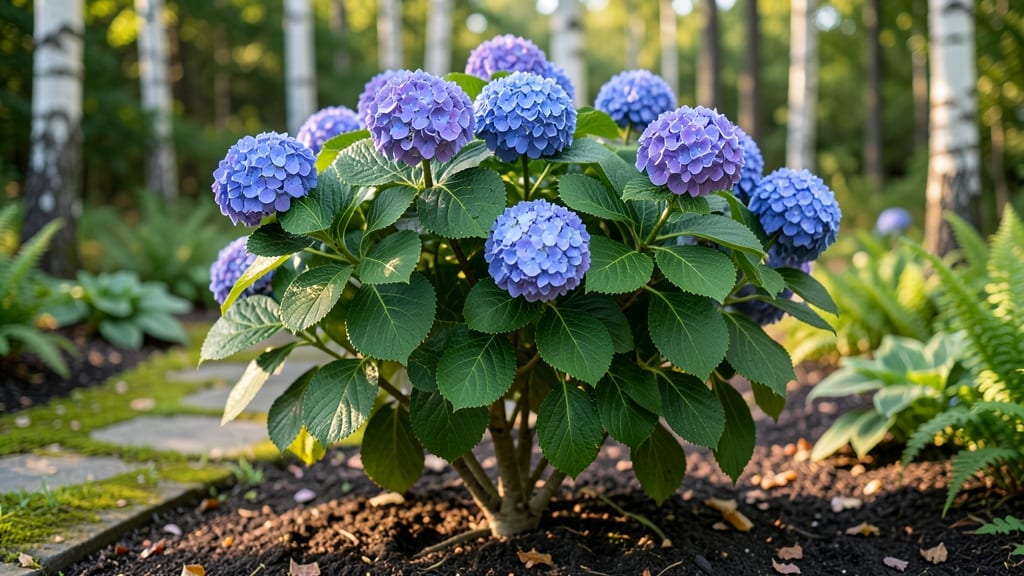
Caring for big leaf hydrangeas means unlocking those jaw-dropping blooms that last from summer through fall. 🌿 I learned the hard way that these plants demand specific conditions—soil that stays moist but drains well, shade that protects their leaves, and pruning that keeps them blooming instead of just leafy.
The payoff? Clusters of flowers so lush you’ll get double-takes from neighbors.
Start with acidic, rich soil (think compost mixed with peat moss) and plant where they get morning sun and afternoon shade—too much direct sun scorches the leaves.
Water consistently; these plants hate drying out, but soggy roots are just as bad. A mulch layer keeps moisture in and weeds out, saving you weekly chores.
Pruning is where most people mess up—cutting back too late or too hard. Do it right after blooming (late summer) to shape the plant and encourage next year’s flowers. Feed with acid-loving fertilizer in spring, and watch those blooms go from pretty to spectacular.
Even in winter, these hydrangeas stay stunning with proper care—frost-kissed leaves and dormant buds ready to burst in spring. The secret? Consistency in water, soil, and pruning. Once you nail these basics, your hydrangeas will reward you for years.
📚 In This Guide
- What you need
- Instructions
- Tips and common mistakes
- Wrapping up and next steps
What you need
- ● Big leaf hydrangea plant(s) – Choose healthy nursery-grown specimens (1-3 gallons per plant for mature size).
- ● Well-draining potting mix or garden soil – Aim for a slightly acidic (pH 5.2–6.2) blend with 30% organic matter (e.g., compost or peat moss).
- ● Organic mulch – 2–3 inches of shredded bark, pine needles, or wood chips to retain moisture and regulate soil temp.
- ● Slow-release fertilizer – Look for a balanced 10-10-10 or acidic 8-3-9 formula (apply in early spring).
- ● Watering can or hose with a gentle spray nozzle – Hydrangeas love deep, consistent watering (1–1.5 gallons per plant, 2–3x weekly).
- ● Pruning shears – Sharp, clean shears (sterilize with rubbing alcohol between cuts).
- ● Gloves and long sleeves – Protect yourself from hydrangea sap (can irritate skin) and thorns.
- ● Soil pH test kit – Monitor acidity levels (blue hydrangeas? Aim for pH 5.2–5.5; pink? pH 6.0–7.0).
- ● Aluminum sulfate or iron sulfate – Adjust soil pH if needed (1 lb per 100 sq ft for acid-loving varieties).
- ● Drip irrigation system – Automate watering for busy gardeners (set to 1–2 inches per week).
- ● Plant stakes or cages – Support tall varieties (e.g., Hydrangea macrophylla ‘Endless Summer’) as they grow.
- ● Compost tea or liquid fertilizer – Boost blooms with a monthly feeding during growing season.
Step-by-step instructions for big leaf hydrangea care
Here's the straightforward approach I've used for five years to keep my big leaf hydrangeas blooming like crazy.
🌿 Step 1: Choose the Perfect Planting Location
Big leaf hydrangeas thrive in partial shade—think morning sun with afternoon shade or dappled sunlight all day. Too much direct sun scorches leaves and fades blooms, while too little shade means sparse flowers. I plant mine where they get 4-6 hours of sunlight but with protection from the harsh afternoon rays.
Test your spot by observing how sunlight moves through your yard. If leaves get crispy by midday, move the plant to a shadier location. The ideal spot also has well-draining soil—hydrangeas hate soggy roots. If your soil drains poorly, amend it with 2-3 inches of compost before planting.
💧 Step 2: Water Deeply and Consistently
Water your hydrangea once a week during the first growing season, but twice a week in extreme heat or drought. The key is deep watering—soak the soil until it’s 6 inches deep, then let it dry out slightly before watering again. You’ll know it’s right when the top 2 inches of soil feel dry to the touch.
I water in the early morning to reduce evaporation and fungal risks. Avoid wetting the leaves—aim for the base of the plant to prevent powdery mildew. Mulch around the base with 2-3 inches of organic mulch (like shredded bark) to retain moisture and regulate soil temperature. This keeps roots happy year-round.
☀️ Step 3: Prune for Maximum Blooms
Prune your big leaf hydrangea in late winter or early spring before new growth begins. Cut back last year’s stems by half their height—this encourages stronger, bushier growth and more blooms. Remove any dead, damaged, or crossing branches first, then shape the plant by thinning out crowded stems.
Here’s the thing—never prune in fall. You’ll cut off next year’s flower buds, which form on old wood. I mark the stems with a ribbon in late summer to remind myself which ones to keep. After pruning, give the plant a balanced fertilizer to support new growth.
✂️ Step 4: Adjust Soil pH for Vibrant Colors
Big leaf hydrangeas change color based on soil pH. For blue blooms, aim for pH 5.5-6.0 (acidic). For pink blooms, keep it neutral to slightly alkaline (pH 6.0-7.0). Test your soil with a home pH kit—they’re cheap and easy to use. If your soil is too alkaline, add sulfur or peat moss to lower the pH. For alkaline soil, use lime sparingly.
I test my soil every 2-3 years and adjust as needed. Hydrangeas are sensitive to sudden pH shifts, so make changes gradually. If you’re unsure, start with blue blooms—they’re easier to achieve in most soils. Once you get the color right, your hydrangea will be the star of the garden.
🪴 Step 5: Winterize for Year-Round Success
Big leaf hydrangeas are hardy to USDA Zone 5, but younger plants or colder climates need extra protection. In late fall, apply a 3-inch layer of mulch around the base to insulate roots. Wrap the canes in burlap if temperatures drop below 10°F—this prevents sunscald and frost damage.
Remove any wrappings in early spring before new growth starts. Avoid pruning in winter—wait until late winter when you can see next year’s buds forming. If your hydrangea looks stressed in spring, give it a light feeding with a balanced fertilizer to jumpstart growth.
Tips & tricks for big leaf hydrangea care
These little tweaks will help you avoid common pitfalls and get those showstopping blooms every season.
Lighting Insight: If you're unsure about your spot's sunlight, try this trick: Place a white sheet on the ground where you're considering planting and observe how much sunlight it gets over a week. This gives you a clear visual of the sun's path—no guesswork involved! The goal is that 4-6 hours of morning sun with afternoon shade is perfect, but if your yard only offers full sun, plant near a building or tree for natural shade.
Watering Wisdom: The 2-inch dry soil test is your best friend. Stick your finger in the soil—if it feels dry up to your first knuckle, it's time to water. I've found that using a soaker hose buried slightly below the mulch layer delivers water right where the roots need it, without wetting the leaves. This keeps powdery mildew at bay while ensuring deep hydration.
Pruning Precision: When cutting back those last year's stems by half, make your cuts just above a leaf bud or set of leaves. This ensures new growth will sprout from that spot. I always use sharp pruners and clean them with rubbing alcohol between cuts to prevent spreading disease. The key is to shape your plant while maintaining that open center—this allows air to circulate and prevents fungal issues.
Soil pH Strategy: For those wanting blue blooms, I've had the best luck with sulfur pellets mixed into the soil around the plant's drip line. They release slowly and don't require constant monitoring. If you're aiming for pink, a light application of lime every 2-3 years works wonders. Just remember: hydrangeas are sensitive to sudden pH changes, so make adjustments gradually over several months.
Pro Tips for Big Leaf Hydrangea Care
- These little tweaks will help you avoid common pitfalls and get those showstopping blooms every season.
- Lighting Insight: If you're unsure about your spot's sunlight, try this trick: Place a white sheet on the ground where you're considering planting and observe how much sunlight it gets over a week.
- Watering Wisdom: The 2-inch dry soil test is your best friend.
Frequently asked questions
Got questions about keeping your big leaf hydrangea thriving? You’re not alone! Here are answers to the most common concerns—so you can enjoy those stunning blooms all season long.
How often should I water my big leaf hydrangea?
Water deeply 2-3 times per week during the growing season (spring to fall), ensuring the top 6 inches of soil stay moist. In hot climates or containers, daily watering may be needed. Pro tip: Mulch around the base to retain moisture and reduce evaporation.
When is the best time to prune big leaf hydrangeas?
Prune right after blooming (late summer to early fall) to avoid cutting off next year’s flower buds. For shaping, trim back 1/3 of the oldest stems to encourage new growth. Never prune in late fall or winter—it can damage dormant buds.
Why aren’t my hydrangea flowers changing color?
Big leaf hydrangeas change color based on soil pH. For blue blooms, add aluminum sulfate (lower pH). For pink/red, use lime (raise pH). Test soil annually—most garden centers sell kits! Fun fact: Color shifts happen gradually over weeks.
What pests or diseases should I watch for?
Common issues include:
- Spider mites: Tiny yellow dots on leaves? Spray with water or neem oil.
- Powdery mildew: White fuzzy coating? Improve airflow and apply fungicide.
- Scale insects: Sticky residue on stems? Scrape off or use horticultural oil.
Can I grow big leaf hydrangeas in containers?
Choose a large pot (15+ gallons) with drainage holes and use well-draining soil. Repot every 2-3 years and fertilize monthly during growing season. Watch out: Containers dry out faster—water more frequently in summer!
Wrapping up and next steps
Caring for your big leaf hydrangea is all about patience, attention to soil, and a little seasonal love! 🌿 With the right balance of water, sunlight, and pruning, you’ll enjoy stunning blooms and lush foliage for years. Remember, these beauties thrive with consistency—so don’t rush the process.
Now that you’re armed with the secrets, roll up your sleeves and get growing! 🌸 Start by assessing your plant’s needs this season—whether it’s adjusting watering habits, fertilizing, or prepping for winter. Happy gardening!