
Pruning
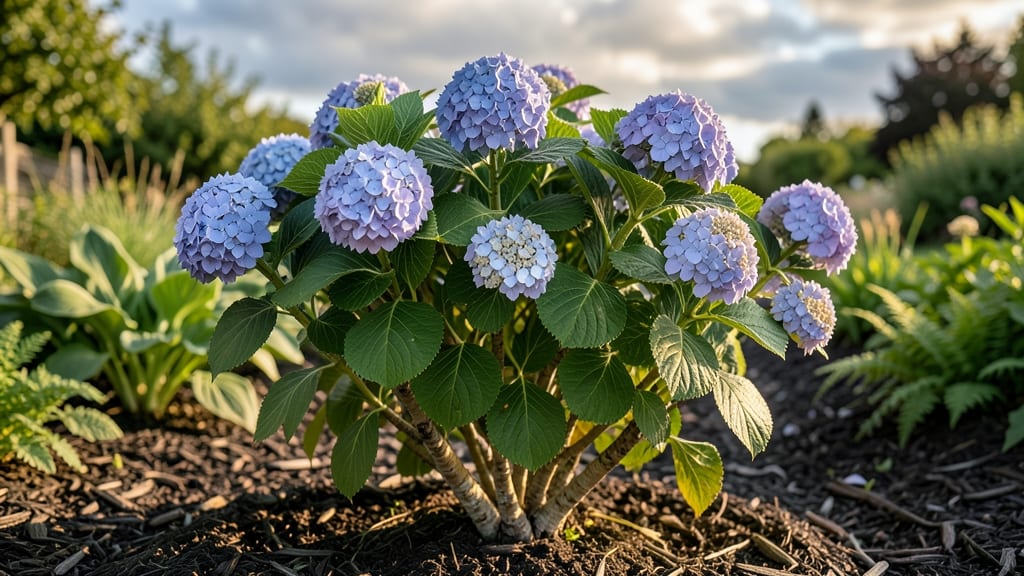
Your bigleaf hydrangea bush could be blooming bigger than ever this year—if you prune it right. ✂️ I’ve struggled with leggy, sparse blooms until I learned the secret timing and cuts that transform these bushes into lush, flower-covered powerhouses every season.
Bigleaf hydrangeas (Hydrangea macrophylla) thrive with morning sun and afternoon shade, moist but well-drained soil, and three key pruning cuts: deadheading spent blooms in summer, shaping in late winter, and thinning crowded stems in early spring.
The color of those iconic blooms even changes based on your soil’s pH—blue in acidic soil, pink in alkaline.
With the right approach, you’ll end up with football-sized clusters of blooms from early summer through fall, and the bush will stay compact and healthy. No more sparse stems or weak growth—just vibrant, showstopping flowers that neighbors will envy.
Works for both in-ground plantings and large containers, and the techniques apply whether you’re dealing with a mature bush or a young plant. Let’s get those shears ready!
📚 In This Guide
- What you need
- Instructions
- Tips and common mistakes
- Wrapping up and next steps
What you need
- ● Pruning shears: Sharp, bypass-pruning shears (for clean cuts on smaller stems). Pro tip: Sanitize with rubbing alcohol before and after use to prevent disease spread! 💡
- ● Loppers: For thicker branches (up to 2 inches in diameter). Look for bypass-style loppers for precision.
- ● Hand pruners: Anvil-style pruners (budget-friendly) for minor trims, but avoid using them on thick branches.
- ○ Gloves: Heavy-duty gardening gloves (to protect against thorns and blisters). Optional: Nitrile-coated gloves for extra grip.
- ○ Disposable pruning bags or bucket: To collect clippings (1–2 gallon size). Optional: A tarp for larger cleanup jobs.
- ● Rubbing alcohol (70% or higher): For sterilizing tools between cuts.
- ● Marking twine or flags: To tag branches needing special attention (e.g., deadwood or future blooms).
- ● Weather check: Prune on a dry, overcast day (avoid wet or windy conditions). Early morning is ideal!
- ● Safety gear: Safety glasses (if dealing with large branches) and closed-toe shoes.
- ● Hydrangea knowledge: Know your plant’s bloom type—bigleaf hydrangeas bloom on old wood, so avoid heavy pruning until after flowering!
- ● Clean workspace: Lay down mulch or a tarp to catch debris and protect soil.
- ● Pruning saw: For stubborn, thick branches (rare for bigleaf hydrangeas but useful for older bushes).
- ● Plant food or compost: To nourish the bush post-pruning (use a balanced fertilizer like 10-10-10).
- ● Camera or phone: Snap before/after photos to track progress!
- ● Knee pads: For comfort if you’re working close to the ground.
Step-by-step pruning guide for bigleaf hydrangeas
Here's how to transform your hydrangea into a blooming powerhouse—no guesswork, just science-backed cuts.
✂️ Step 1: Time Your Pruning for Maximum Impact
Bigleaf hydrangeas bloom on old wood, so timing matters. Prune right after flowering, ideally in late summer to early fall—this gives new growth time to harden before winter. If you missed the window, wait until late winter or early spring before buds swell. Never prune in mid-summer; you'll sacrifice next year's blooms.
Look for spent flower clusters turning brown—they're your cue. I always prune after a light frost when the plant has entered dormancy but before the ground freezes. This ensures clean cuts and minimizes stress. Use sharp, clean pruners to avoid tearing bark or spreading disease.
🌿 Step 2: Identify and Remove Problematic Growth
Start by removing dead, diseased, or crossing branches first. Dead wood snaps easily when dry, while diseased branches may ooze sap or show blackened spots. Crossing branches compete for energy and create weak points—cut these back to the main stem at a 45-degree angle just above an outward-facing bud.
Next, thin out overcrowded stems to improve airflow. Aim for 3-5 strong, healthy stems per plant—this encourages larger blooms. I like to keep the most vigorous, upright stems and remove any that grow inward or downward. Weak stems rarely produce quality blooms and waste the plant's energy.
✂️ Step 3: Shape for Size and Structure
Bigleaf hydrangeas respond well to shaping, but avoid heavy pruning—never remove more than 1/3 of the plant's total growth in one season. Step back and visualize the plant's natural shape. For a full, rounded look, cut back outer stems by 1/3 to encourage bushier growth. For a more open, airy style, trim selective stems to create layers.
Make cuts just above a leaf node or outward-facing bud—this ensures new growth emerges in the right direction. Avoid leaving stubs; they invite disease. If a branch is too thick for hand pruners, use a pruning saw and seal the cut with pruning paint only if the branch is over 1 inch in diameter.
💧 Step 4: Post-Pruning Care for Recovery
After pruning, water deeply to 12-18 inches down to help the plant recover. Bigleaf hydrangeas have shallow roots, so consistent moisture is key. Apply a 2-3 inch layer of mulch around the base (but not touching the stem) to retain moisture and regulate soil temperature. I use shredded bark mulch because it breaks down slowly and improves soil structure over time.
Fertilize lightly with a balanced, slow-release fertilizer (10-10-10) in early spring to support new growth. Avoid high-nitrogen fertilizers—they promote leafy growth at the expense of flowers. Monitor the plant closely for the first 2-3 weeks; new growth should appear within 4-6 weeks if conditions are right.
☀️ Step 5: Adjust Light and Water for Next Year's Blooms
Bigleaf hydrangeas thrive in partial shade, but they need 4-6 hours of morning sun for optimal blooming. If your plant looks leggy or produces small flowers, it may need more light. Gradually increase sun exposure over 2-3 weeks to avoid sunburn. In hot climates, afternoon shade is a must—wilting leaves mean the plant is struggling.
Consistent moisture is critical for large blooms. Water when the top 2-3 inches of soil feel dry, and aim for 1-1.5 inches per week. Adjust based on rainfall—hydrangeas hate soggy roots but also can't tolerate drought. The secret to vibrant blooms? Even moisture. I set up a drip irrigation system for my hydrangeas to automate this.
Tips & tricks for perfect bigleaf hydrangea pruning
Transforming your hydrangea into a blooming showstopper starts with these game-changing insights—straight from the garden to your pruners.
Timing is Everything: The late summer to early fall window is non-negotiable for bigleaf hydrangeas. I learned this the hard way after pruning too early and sacrificing next year's blooms. If you miss this window, late winter/early spring works—but never mid-summer. The key is waiting until those spent flower clusters turn completely brown, signaling the plant has finished blooming for the season. This timing ensures you're cutting old wood that's already produced flowers, not sacrificing next year's buds.
The 45-Degree Cut Secret: When pruning thicker branches or crossing stems, make clean cuts at a 45-degree angle just above an outward-facing bud. This angle prevents water from pooling on the cut, which can lead to rot. I use my pruners to make a slight diagonal cut—this small detail makes all the difference in wound healing. For branches over 1 inch thick, follow up with pruning paint to seal the cut and prevent disease entry points. This technique keeps your hydrangea healthy for years to come.
Size Matters in Shaping: Remember the 1/3 rule—never remove more than one-third of the plant's total growth in a single season. I've seen gardeners over-prune and end up with sad, leggy plants that take years to recover. Step back and visualize your desired shape before making cuts. For a lush, rounded look, focus on trimming outer stems by one-third. For an open, airy style, selectively prune to create layers. This balanced approach maintains the plant's energy while encouraging optimal bloom production.
Post-Pruning Recovery Hack: After your pruning session, the real work begins with recovery care. Water deeply to 12-18 inches down—this is crucial because hydrangeas have shallow roots that need consistent moisture. I always follow up with a 2-3 inch layer of shredded bark mulch around the base (keeping it away from the stem). This mulch layer acts like a blanket, retaining moisture and regulating soil temperature. The first 2-3 weeks are critical—monitor for new growth, which should appear within 4-6 weeks if conditions are right. This recovery phase sets the stage for next year's spectacular blooms.
Pro Tips for Bigleaf Hydrangea Bush
- Transforming your hydrangea into a blooming showstopper starts with these game-changing insights—straight from the garden to your pruners.
- Timing is Everything: The late summer to early fall window is non-negotiable for bigleaf hydrangeas.
- The 45-Degree Cut Secret: When pruning thicker branches or crossing stems, make clean cuts at a 45-degree angle just above an outward-facing bud.
Frequently asked questions
Got questions about keeping your bigleaf hydrangea bush thriving with stunning blooms? Here are answers to the most common ones—so you can prune like a pro!
When is the best time to prune my bigleaf hydrangea?
The ideal time is late winter or early spring (just before new growth starts). Avoid pruning in fall—it can leave buds vulnerable to cold. For blue blooms, prune after flowering; for pink blooms, prune in early spring. Pro tip: Never prune when flowers are in full bloom!
How much can I cut back my bigleaf hydrangea?
You can safely remove up to 1/3 of the plant in one pruning session. Focus on dead, weak, or crossing branches first, then shape the bush. Avoid over-pruning—bigleaf hydrangeas bloom on old wood, so drastic cuts may reduce next year’s flowers. Use sharp pruners for clean cuts!
Why are my hydrangea blooms turning green instead of blue?
Blue blooms need acidic soil (pH 5.5–6.0). If yours are green or pink, test your soil and amend with aluminum sulfate (follow package instructions). Avoid lime or fertilizer high in phosphorus, which can shift colors. Mulch with pine needles or compost to maintain acidity!
Can I prune my bigleaf hydrangea to make it bushier?
Yes! To encourage a fuller shape, cut back selective branches by about 1/3 in early spring. Remove any sparse or leggy stems at the base. Avoid topping (cutting the top flat)—this can weaken the plant. Prune just above a leaf bud for best regrowth!
What should I do if my hydrangea has pests or diseases?
Common issues include aphids, powdery mildew, or leaf spot. For pests, spray with neem oil or insecticidal soap. Fungal diseases? Prune infected leaves immediately, improve airflow, and avoid overhead watering. Always sterilize pruners with rubbing alcohol to prevent spread!
Wrapping up and next steps
Mastering the art of pruning your bigleaf hydrangea bush unlocks its full potential—think vibrant, lush blooms that steal the show from spring to frost! 🌸 With the right tools, timing, and techniques, you’ll transform your garden into a year-round floral masterpiece. Don’t wait—grab those shears and give your hydrangea the TLC it deserves!
Ready to take action? Start small:
- Pick a sunny day to prune.
- Review your notes from this guide.
- Schedule a quick pruning session this weekend!