
Pests and Diseases
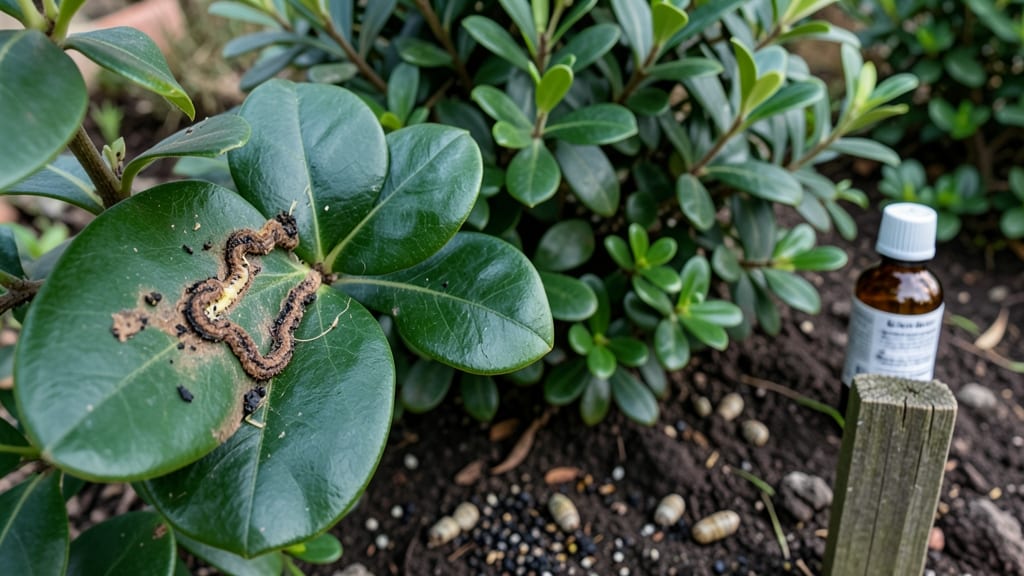
Your boxwood shrubs might look perfect from the outside, but those telltale brown blisters and webbing inside the leaves reveal the damage from boxwood leaf miners—and it’s time to act before your plants turn into skeleton leaves. 🌿 I’ve battled these sneaky pests for years, and I’ve learned the early signs—like tiny white larvae and the telltale "fecal" trails—are your first clue to saving your plants before the damage spreads.
Here’s the good news: you don’t need harsh chemicals to win. Pruning out infested leaves first cuts the problem in half, and neem oil or insecticidal soap sprayed at the right time smothers the larvae.
I’ve also had success with introducing beneficial wasps, like Diglyphus isaea, which hunt these miners naturally. The key is acting fast—once the damage spreads, recovery takes years. By late summer, your boxwoods will look like they did in spring—thick, glossy, and full of life.
The trick is checking leaves every two weeks during growing season, removing any webbing immediately, and keeping your plants healthy so they bounce back faster. It’s not about eradicating every single miner—it’s about staying one step ahead.
This method works for both small hedges and large shrubs, and it’s gentle enough for organic-certified gardens. The payoff? Boxwoods that stay lush, green, and pest-free for seasons to come. Let’s get those leaves looking good again.
📚 In This Guide
- What you need
- Instructions
- Tips and common mistakes
- Wrapping up and next steps
What you need
- ○ Hand lens or magnifying glass (10x magnification) – for spotting tiny larvae and damage up close. (Optional but helpful!)
- ● Pruning shears or sharp scissors – to trim affected leaves and stems. (Choose sterilized or alcohol-wiped tools to prevent spreading pests.)
- ● Plastic bags or ziplock bags (1–2 gallon size) – for collecting infested leaves for disposal.
- ● Gloves (nitrile or rubber) – to protect your hands from sap and debris.
- ● Garden hose with nozzle – for thorough rinsing of plants.
- ● Neem oil (organic insecticide) (16 oz bottle) – (Look for cold-pressed, food-grade neem oil for safety.)
- ● Horticultural oil or insecticidal soap (16 oz spray bottle) – (Choose a product with 0.5–1% azadirachtin for effectiveness.)
- ● Spray bottle (16 oz) – for diluting and applying treatments evenly.
- ● White vinegar (5% acetic acid) (16 oz) – for a DIY leaf miner deterrent rinse.
- ○ Beneficial nematodes (Steinernema feltiae) (1–2 million per application) – (Optional but highly effective for long-term control.)
- ● Row cover fabric (floating fabric) (enough to cover affected boxwoods) – (For prevention during peak miner season, typically late spring to early summer.)
- ● Identify infested plants – Look for blotchy, brown leaves or serpentine mines (tiny tunnels) on the undersides.
- ● Choose a calm, overcast day – (Avoid spraying neem oil or horticultural oil in direct sunlight or high heat—it can burn leaves!)
- ● Clear debris – Remove fallen leaves and prune heavily damaged branches (sterilize tools between cuts!).
- ● Test a small area first – Always spot-test treatments on a hidden leaf before full application.
How to identify and treat boxwood leaf miner infestations
Here's how I spot those sneaky leaf miners early and stop them before your boxwoods look like Swiss cheese.
🌿 Step 1: Spot the Telltale Signs of Leaf Miner Damage
Start by examining the undersides of leaves—this is where leaf miners lay their eggs. Look for tiny, white, worm-like larvae or their silvery serpentine trails. These pests chew between leaf layers, creating characteristic blisters or transparent tunnels that show up as brown, dead patches when you hold the leaf up to light.
Check the newest growth first, as miners prefer tender leaves. If you see 10-20% of leaves showing these symptoms, you've got a minor infestation. Wait to treat until you see 30%+ damage—early intervention prevents the worst damage. I like to inspect plants on a weekly basis in late spring and summer, when miners are most active.
🔍 Step 2: Confirm the Infestation with a Simple Test
Take an affected leaf and hold it up to a bright light or window. The miners' feeding trails will look like thin, winding lines or irregular blotches. If you see these patterns, it's confirmation. Shake the plant gently over a white sheet of paper—if you spot tiny white maggots or their dark frass (poop), you've got leaf miners.
Don't confuse this with spider mite damage, which looks like stippling rather than clear trails. The key difference is the serpentine pattern of the feeding trails. If you're unsure, snap a photo and compare it to trusted sources—misidentifying pests leads to wasted treatments.
💧 Step 3: Apply Organic Control Methods Immediately
Start with a strong blast of water from your hose to dislodge larvae and eggs. Focus on the undersides of leaves and the stems. Follow up with a neem oil spray (1 tablespoon neem oil + 1 teaspoon mild soap per quart of water) applied in the early morning or late evening to avoid harming beneficial insects.
For severe cases, I mix 1 tablespoon horticultural oil with the neem solution—this smothers larvae and disrupts their life cycle. Reapply every 7-10 days until new growth appears free of damage. Always test sprays on a small area first to ensure your plants tolerate the treatment.
☀️ Step 4: Maintain Plant Health to Prevent Future Outbreaks
Prune and destroy heavily damaged leaves immediately—don't compost them. Bag the clippings and throw them in the trash to prevent reinfestation. Thin out dense foliage to improve airflow, as leaf miners thrive in crowded, shaded conditions. I also recommend fertilizing with a balanced organic fertilizer in early spring to boost plant vigor.
Consider installing blue sticky traps near your boxwoods—leaf miners are attracted to the color and will get trapped instead of your plants. Replace traps every 2-3 weeks for best results. Healthy, well-maintained boxwoods recover faster and resist pests better than stressed plants.
✂️ Step 5: Monitor and Retreat as Needed
Check your boxwoods again in 2 weeks—this is when new larvae hatch from eggs laid after your initial treatment. If you still see activity, repeat the neem oil spray and consider adding beneficial nematodes (like Steinernema feltiae) to the soil. These microscopic predators hunt leaf miner larvae in the soil.
By late summer, most leaf miner activity tapers off. I make one final inspection in early fall and prune any remaining damaged growth. With consistent monitoring and treatment, your boxwoods should look lush and healthy by next spring. The key is catching this early—once miners take over, recovery takes longer.
Tips & tricks for spotting and stopping boxwood leaf miner infestations
Here's what I've learned after dealing with these pests—these tricks help me catch them early and treat them right.
Timing is Everything: The weekly inspections in late spring and summer are non-negotiable. I schedule reminders on my phone because these pests strike fast, and by the time you notice 30% damage, it's often too late for a full recovery. Focus on the newest leaves first—they're the miners' favorite snack. If you spot just a few serpentine trails at this stage, you can often nip it in the bud before it spreads.
Light Test Trick: The light test in Step 2 is your best friend for confirmation. I keep a small flashlight in my gardening toolkit specifically for this. Hold the leaf at a 45-degree angle to the light source—this makes the serpentine patterns pop even more clearly. Pro tip: If you're unsure whether it's leaf miners or spider mites, look for the telltale stippling (tiny dots) that spider mites leave behind instead of the winding lines.
Treatment Application: When applying the neem oil spray, I always mix it fresh the morning of treatment. The mild soap helps the oil stick to the leaves, but don't overdo it—too much soap can damage the plant. For severe cases, I add the horticultural oil right after mixing, then let the solution sit for 5 minutes before applying. This gives the oils time to fully emulsify and work together more effectively. Always test on a small area first, especially if your boxwoods are sensitive.
Monitoring Strategy: The 2-week follow-up check is crucial because that's when new larvae emerge from eggs laid after your initial treatment. I mark the calendar with a red "X" for these check-ins. If you see any new activity, don't wait—repeat the neem oil treatment immediately. For stubborn cases, I've had success adding beneficial nematodes to the soil around the base of the plant. These microscopic predators target the larvae before they even hatch, giving you an extra layer of protection.
Pro Tips for Boxwood Leaf Miner Damage
- Here's what I've learned after dealing with these pests—these tricks help me catch them early and treat them right.
- Timing is Everything: The weekly inspections in late spring and summer are non-negotiable.
- Light Test Trick: The light test in Step 2 is your best friend for confirmation.
Frequently asked questions
about boxwood leaf miner damage can help you tackle this pesky issue like a pro! Here are some common queries and straightforward answers to get you back on track.What does boxwood leaf miner damage look like?
Boxwood leaf miner damage often appears as blotchy, yellowish-brown patches on the upper leaf surface, while the lower surface shows tiny white or brown serpentine mines (tunnels made by larvae). Severely infested leaves may turn brown and crispy. Check both sides of the leaves for these signs!
When is the best time to treat boxwood leaf miners?
Act fast! Treat in early spring (March–April) when adults emerge or late summer (August–September) to catch larvae before they mature. Early intervention prevents severe damage. Repeat treatments every 2–3 weeks for best results.
Are there organic ways to control boxwood leaf miners?
Yes! Try these organic methods:
- Neem oil or insecticidal soap (spray in early morning/evening).
- Kaolin clay (creates a barrier larvae hate).
- Beneficial nematodes (like Steinernema carpocapsae) in soil.
- Prune and destroy heavily infested leaves.
Can boxwood recover from leaf miner damage?
With proper care, boxwood can recover! Prune damaged foliage in late winter to encourage new growth. Keep plants well-watered and fertilized (use a balanced organic fertilizer). Severe cases may require replacing heavily infested shrubs.
How can I prevent future boxwood leaf miner infestations?
Prevention is key! Follow these tips:
- Inspect plants weekly during peak season (spring–fall).
- Remove fallen leaves and debris (larvae pupate here!).
- Use row covers in early spring to block adults.
- Encourage natural predators like birds and parasitic wasps.
Wrapping up and next steps
Don’t let boxwood leaf miners win the battle for your garden! 🌿 Early detection and organic treatments—like pruning, neem oil, or beneficial nematodes—can save your shrubs and restore their lush beauty. Stay vigilant, act fast, and soon your boxwoods will be thriving again.
Ready to take action? Start by inspecting your plants this week—your greenery will thank you! For more tips, explore our organic pest control resources or connect with local gardening groups for hands-on support.