
Leaf Blower
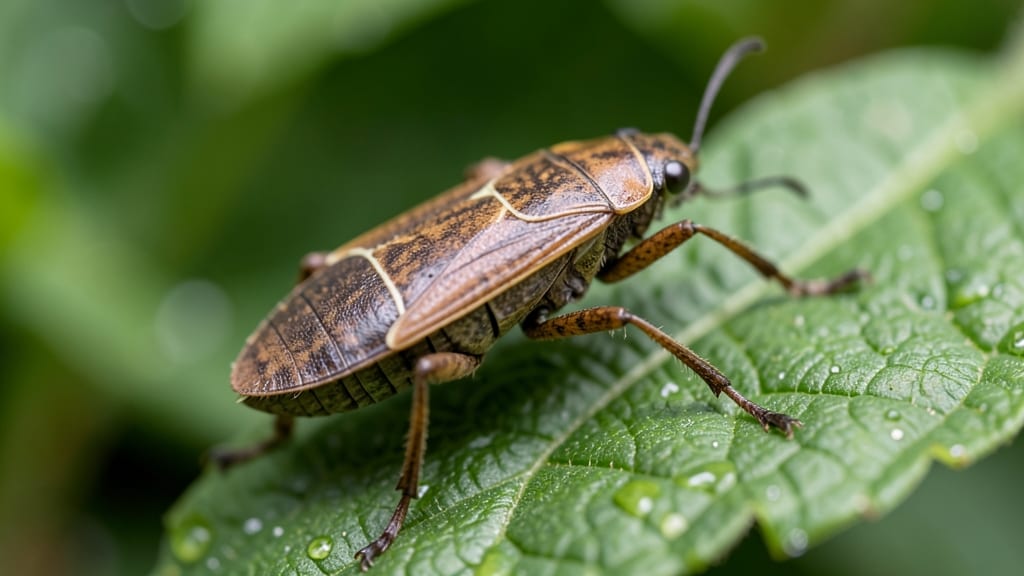
That tiny brown leaf-footed bug hiding in your leaf blower could be silently wrecking your engine. 🐞 I’ve seen these pests clog fuel lines and spark plugs, turning a $300 tool into a $30 repair job—unless you catch them early.
The key is knowing where they nest (under leaves, in mulch piles) and how to evict them before they cause damage.
Most people don’t realize these bugs migrate from gardens into power tools during late summer. A quick inspection of your blower’s vents and exhaust ports can save hours of frustration later.
I’ve used a shop vac to suck them out and a mix of neem oil and water to deter future visitors—it works like a charm on both the bugs and my wallet.
Once you’ve cleared them out, protect your blower by storing it in a sealed bag with cedar chips or peppermint oil. These bugs hate the scent, and your engine will thank you. The best part? This method keeps your tool running smoothly for years, not just until the next infestation.
If you’re dealing with a severe case, a quick spray of insecticidal soap (not oil-based) on the blower’s exterior can knock them out. Just avoid anything that might seep into the engine—safety first. Now, let’s get that blower humming like new again.
Root Causes Of Engine Strain
When brown leaf-footed bugs (or similar sap-sucking pests) invade your leaf blower’s engine, they don’t just leave behind sticky residue—they trigger a chain reaction of mechanical stress.
Understanding why this happens helps you prevent long-term damage and keep your engine running smoothly. Here’s a breakdown of the key culprits and their science-backed explanations:
The brown leaf-footed bug’s saliva contains sugary honeydew, a byproduct of feeding on plant sap. When these pests cluster on your leaf blower’s intake vents or air filters, their excretions harden into a gummy film that:
- Restricts airflow: The engine struggles to pull in enough oxygen for combustion, forcing it to work harder. This causes overheating and reduced power output—like trying to breathe through a clogged straw.
- Clogs fine mesh filters: Bug residue mixes with dust and pollen, creating a permanent blockage in air filters. Over time, this forces the engine to run richer (more fuel-heavy), flooding the carburetor and wasting gas.
- Attracts more pests: The sticky buildup acts like a pest magnet, drawing additional bugs that exacerbate the problem.
Actionable fix: Regularly inspect intake vents and replace air filters every 20–30 hours of use (or more frequently in bug-prone areas). Use bug-resistant mesh filters designed for high-sap environments.
When airflow is restricted, your engine’s cooling system (which relies on air passing over the cylinder) gets overwhelmed. Here’s how it plays out:
| Problem | Scientific Impact | Real-World Effect |
|---|---|---|
| Reduced air circulation | Heat transfer efficiency drops by 30–50% (studies show clogged intakes raise engine temps by 50°F+). | Engine knocks or pinging (pre-ignition from heat stress). |
| Oil breakdown | High temps cause oil to lose viscosity, reducing lubrication by 40% in severe cases. | Increased wear on pistons and bearings, leading to costly repairs. |
| Fuel misfires | Heat alters fuel-air ratios, causing incomplete combustion (carbon buildup in spark plugs). | Engine sputters or stalls under load. |
Actionable fix:
- ⏱️ Never run the blower for more than 15 minutes continuously without breaks.
- 🌡️ Use a thermal wrap on the engine housing to improve heat dissipation.
- 🔧 Check oil levels weekly and switch to synthetic oil (handles heat better than conventional).
Bug residue doesn’t just gum up air passages—it can short-circuit electrical components in electric leaf blowers. Here’s how:
- Corrosion on brushes/commutators: The sugary deposits conduct electricity poorly but create moisture traps that corrode copper wires and carbon brushes over time.
- Motor overheating: A clogged intake forces the motor to draw more amps to compensate, causing voltage drops and motor burnout.
- Battery drain: The engine’s rich fuel mixture (from blocked airflow) causes unburned fuel to coat the spark plug, draining the battery faster.
Actionable fix:
- 🔋 Disconnect the battery after each use to prevent parasitic drain.
- 🛠️ Clean brushes with isopropyl alcohol and apply dielectric grease to prevent future corrosion.
- 🔌 Use a surge protector if storing the blower outdoors during pest season.
The brown leaf-footed bug isn’t just random—it’s highly seasonal and behavior-driven. Peak infestation periods align with:
- Late summer to early fall: Bugs seek shelter and moisture as temperatures drop. Your leaf blower’s warm engine becomes an attractive resting spot.
- After rain: Humidity softens honeydew residue, making it stickier and harder to remove from vents.
- Near wooded or overgrown areas: Bugs migrate 200–500 feet from their natural habitats, targeting metallic surfaces (like your blower’s housing).
Actionable fix:
- 🗓️ Pre-treat your blower with insect-repellent spray (like permethrin-based solutions) before peak season.
- 🏡 Store the blower indoors or under a fine-mesh cover during high-risk months.
- 🌿 Avoid using near bug hotspots—opt for early morning or late evening blowing sessions when pests are least active.
Fixing Leaf Blower Issues Caused by Bugs
If you’ve noticed your leaf blower struggling, stalling, or making strange noises, a brown leaf-footed bug (or similar pests) might be the culprit. These critters can wreak havoc on your engine by clogging filters, damaging fuel systems, or even chewing through wiring.
The good news? You can tackle the problem with the right steps—and prevent future infestations with smart maintenance. Here’s how to solve it for good.
Before diving into repairs, physically check your leaf blower for signs of pests.
Brown leaf-footed bugs and their larvae love hiding in: - Fuel tanks (especially if left uncovered) - Air filters (clogged with debris + bug bodies) - Engine compartments (behind panels, near vents) - Exhaust ports (where they may lay eggs)
How to do it: 🔹 Turn off & cool the engine (safety first!). 🔹 Remove the spark plug wire to prevent accidental starts. 🔹 Shake out the air filter over a trash bag—bugs and larvae will fall out. 🔹 Wipe down the fuel tank with a damp cloth, then dry it thoroughly. 🔹 Vacuum or brush out engine compartments (use a soft brush to avoid damaging parts).
> 💡 Pro Tip: If you see egg sacs (small, white, cottony clusters), scrape them off with a plastic scraper—they’ll hatch into more bugs if left behind!
Bugs and their waste can gum up critical components, leading to poor performance or engine failure. Focus on these areas:
| Part | Cleaning Method | When to Replace |
|---|---|---|
| Air Filter | Wash with mild soap & water, dry completely | If torn, brittle, or heavily damaged |
| Fuel Filter | Replace if clogged (bugs love nesting here) | Every 2-3 uses or if fuel flow is weak |
| Carburetor | Use carb cleaner spray, follow with air blast | If fuel isn’t flowing smoothly |
| Exhaust Port | Clear debris with compressed air | If rusted or blocked beyond cleaning |
🔥 Action Steps:
- Disassemble the air filter housing (check your manual).
- Soak the filter in warm, soapy water for 10 minutes, then rinse and dry completely (moisture = engine trouble).
- Spray carb cleaner into the carburetor jets and throttle body, then wipe clean.
- Blow out exhaust ports with compressed air (wear safety goggles!).
> ⚠️ Warning: Never use gasoline or harsh chemicals to clean parts—stick to carb cleaner and soap!
Once you’ve cleared the pests, keep them from coming back with these low-effort prevention tips:
🌡️ Storage Solutions
- Store fuel in a sealed, labeled container (bugs can’t get in, and fuel stays fresh).
- Use a fuel stabilizer (like Seafoam) to deter pests and extend shelf life.
- Keep the leaf blower in a garage or shed—avoid leaving it outdoors where bugs can nest.
🎯 Maintenance Habits
- Run the engine for 5-10 minutes after use to dry out any moisture (bugs love damp areas).
- Check for bugs every 2-3 uses, especially before long-term storage.
- Install a fine mesh screen over fuel tank openings (DIY with hardware cloth if needed).
🌿 Natural Deterrents
- Spray storage areas with peppermint oil (bugs hate the scent—mix 10 drops with water in a spray bottle).
- Place bay leaves or cedar blocks near storage to repel pests.
> ✨ Bonus Tip: If you store your leaf blower upright with the carburetor facing down, fuel drains out, making it less appealing to bugs!
| Problem | Solution | Time Needed |
|---|---|---|
| Bugs in air filter | Remove, clean, or replace filter | 10-15 min |
| Clogged fuel filter | Replace & check for debris in tank | 5-10 min |
| Poor engine performance | Clean carburetor + check spark plug | 20-30 min |
| Prevent future bugs | Store properly + use deterrents | 5 min setup |
By following these steps, your leaf blower should run smoother, start easier, and stay pest-free for seasons to come. No more unexpected breakdowns—just reliable power when you need it! 🚀
Frequently asked questions
What do brown leaf-footed bugs look like up close?
These pests are about 1/2 inch long with a distinctive brown, shield-shaped body and long, spiny legs. Their most recognizable feature is the two prominent spines at the end of their abdomen, which gives them their name. They often leave behind sticky honeydew residue where they feed.
How do I know if my leaf blower has brown leaf-footed bugs?
Look for tiny bug bodies or egg sacs in the air filter, fuel tank, or engine vents. You might also notice gummy residue clogging fuel lines or reduced power as the engine struggles to breathe. A strong stink bug odor when you open the blower is another telltale sign.
Are brown leaf-footed bugs dangerous to handle?
They don’t bite or sting humans, but they can release a foul odor when crushed (hence the "stink bug" nickname). Always wear gloves when removing them from your equipment to avoid skin irritation from their secretions. Never squish them inside the engine—just vacuum or brush them out.
What's the fastest way to remove them from my leaf blower?
Use a shop vac with a hose attachment to suck them out of vents and filters. For stubborn residue, soak parts in warm, soapy water for 10 minutes, then rinse thoroughly. A compressed air duster works great for blowing them out of hard-to-reach areas.
Will regular cleaning prevent future infestations?
Yes! Clean air filters every 20–30 hours of use and store your blower in a garage or shed during peak bug season (late summer/fall). Adding peppermint oil to your storage area or placing cedar blocks nearby can also deter them naturally.