
How To
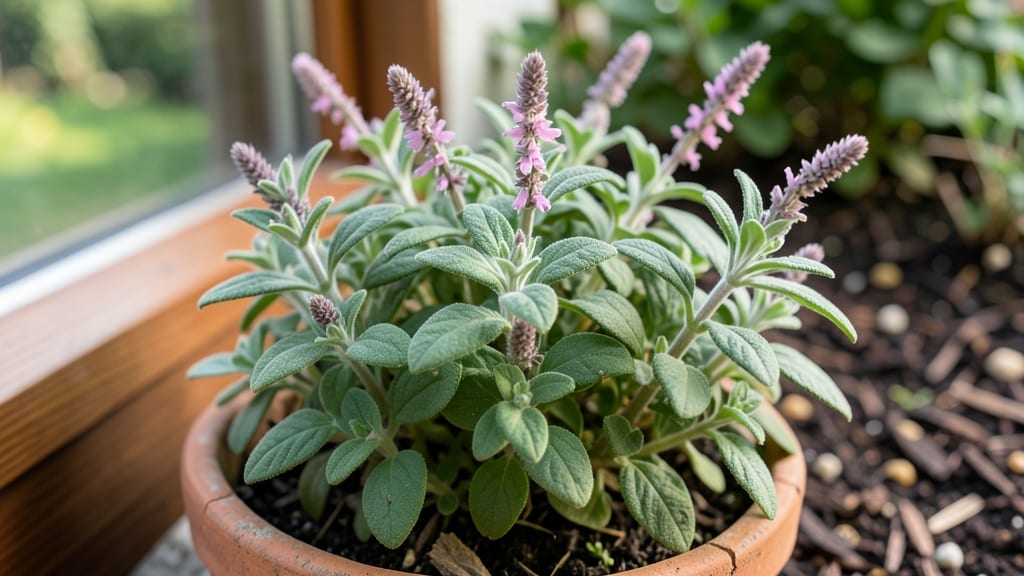
Brown leaf tips on oregano don’t mean your plant is doomed—it’s just crying out for a little TLC. 🌿 I’ve nursed back more than my share of crispy oregano, and the fix is simpler than you’d think.
Most of the time, it’s just a matter of adjusting water, soil, or light to match what oregano actually needs. The real culprits? Overwatering (which suffocates roots), underwatering (which stresses the plant), or nutrient deficiencies from poor soil.
Even pests like spider mites can sneak in and cause those telltale brown edges. The good news? Each problem has a straightforward solution—once you know what to look for. You’ll start seeing fresh, vibrant growth within 1-2 weeks of making the right adjustments.
The leaves will go from sad and crispy to lush and fragrant, ready for your next Italian dish. And the best part? Preventing future browning is just about keeping an eye on moisture and soil health. Works for potted oregano, container gardens, or even herbs growing in your kitchen window.
Let’s bring your oregano back to life!
Root Causes Of Leaf Damage
When your oregano starts showing brown leaf tips, it’s usually a cry for help from the plant. Understanding the underlying causes is the first step to saving your herb.
Below, we break down the most common reasons—each with a clear scientific explanation and actionable insights to get your oregano thriving again.
Oregano is a drought-tolerant Mediterranean herb, meaning it thrives in well-draining soil and hates soggy roots. When overwatered, excess moisture triggers oxidative stress in the leaves, leading to browning at the tips as cells break down due to lack of oxygen.
- Why it happens: Waterlogged soil disrupts the plant’s aeration, causing root rot (often from Pythium or Phytophthora fungi). The roots can’t absorb nutrients efficiently, and the leaves reflect this stress.
- Signs to watch for:
- Yellowing between leaf veins (chlorosis)
- Mushy, blackened roots when checked
- Slow growth despite frequent watering
- Fix it:
- Let the top 1–2 inches of soil dry out between waterings (stick your finger in—if it’s damp, wait).
- Repot in a container with coarse, gritty soil (mix potting soil with perlite or sand at a 2:1 ratio).
- Ensure pots have drainage holes and use saucers to catch excess water.
Oregano loves warmth and sunlight, but extreme fluctuations can cause cellular damage. Brown tips often appear when leaves lose moisture too quickly (transpiration) or suffer from cold-induced dehydration.
- Why it happens:
- Heat stress: Temperatures above 90°F (32°C) can denature enzymes in the leaves, disrupting photosynthesis and causing membrane damage (visible as crispy brown edges).
- Cold stress: Below 40°F (4°C), water in the leaves crystallizes, rupturing cell walls and leading to browning.
- Signs to watch for:
- Wilting during the day but recovering at night (heat stress)
- Brown tips after a frost or cold snap
- Leaves feeling leathery or brittle to the touch
- Fix it:
- Move pots to a shadier spot during peak afternoon sun (especially in summer).
- Use mulch around the base to regulate soil temperature.
- If growing outdoors, protect from frost with row covers or bring pots indoors.
- Mist leaves lightly in extreme heat to boost humidity (but avoid waterlogging).
Brown tips can also signal a mineral deficiency or toxic buildup in the soil. Oregano is particularly sensitive to salt accumulation (from tap water or fertilizers) and calcium/magnesium imbalances.
| Nutrient Issue | Why It Causes Browning | How to Fix |
|---|---|---|
| Calcium Deficiency | Calcium stabilizes cell walls. Without it, leaves develop necrotic (dead) tips due to apical meristem damage. | Amend soil with crushed eggshells or use a calcium nitrate supplement (follow package rates). |
| Magnesium Deficiency | Magnesium is central to chlorophyll. A lack causes interveinal chlorosis (yellowing between veins) that progresses to brown tips. | Apply Epsom salt (magnesium sulfate)—dissolve 1 tbsp in a gallon of water and water the soil monthly. |
| Salt Buildup | Excess salts (from tap water or fertilizers) disrupt osmosis, preventing roots from absorbing water. Leaves wilt and brown at the tips. |
|
While less common, insects and diseases can chew or infect oregano leaves, leading to brown, crunchy tips. The damage is often localized and may include sticky residue (honeydew) or black sooty mold.
- Common Culprits:
- Spider Mites: Tiny pests that pierce cells, causing stippling and browning.
- Aphids: Sap-sucking insects that leave yellowed, curled leaves with brown tips.
- Fungal Leaf Spot (Alternaria or Septoria): Causes dark, necrotic spots that expand.
- Fix it:
- Inspect leaves under a magnifying glass for tiny webs, eggs, or insects.
- Spray with neem oil (1 tsp per quart of water) or insecticidal soap for pests.
- Remove severely infected leaves and dispose of them (don’t compost).
- Improve air circulation by pruning nearby plants or spacing pots further apart.
Once you’ve pinpointed the cause, your oregano will be well on its way to recovery. Prevention is key—adjust your care routine based on the root issue, and your herb should bounce back with vibrant, healthy growth!
Fixing Brown Leaf Tips Fast
Brown leaf tips on your oregano don’t have to be a death sentence for your herb garden! With the right care, you can nurse your plants back to health and even prevent future damage.
Below are practical, step-by-step solutions tailored to the most common causes—plus pro tips to keep your oregano thriving.
If your oregano’s leaves are crispy and brown at the tips, overwatering (or soggy soil) is likely the culprit. Oregano hates "wet feet"—too much moisture suffocates roots and encourages rot.
How to Fix It: ✅ Let the Soil Dry Out – Stick your finger 1-2 inches deep into the soil. If it’s damp, wait 3-5 days before watering again. ✅ Upgrade Your Pots – If using containers, ensure they have drainage holes. Terracotta pots (which dry faster) are ideal. ✅ Water Deeply but Less Often – Instead of light daily spritzes, give your oregano a thorough soak at the base, then let excess water drain away completely. ✅ Check Your Mix – If your soil is heavy clay or retains too much moisture, amend it with perlite, sand, or coconut coir (20-30% mix).
Prevention Tip: 🌡️ Water in the morning so leaves dry quickly—this reduces fungal risks.
Oregano loves sunlight, but intense afternoon sun (especially in hot climates) can scorch leaves, turning tips brown and crispy.
How to Fix It: 🌿 Provide Light Shade – If growing in a hot, dry climate, move pots to a spot with morning sun + afternoon shade (e.g., under a patio umbrella or near a sheer curtain). 🌿 Mulch for Moisture Retention – A 1-inch layer of straw or gravel around the base helps soil stay cooler and retain moisture. 🌿 Avoid Plastic Pots in Heat – They trap heat. Switch to unglazed terracotta or fabric grow bags for better airflow.
Prevention Tip: ✨ Rotate pots weekly so all sides get even sun exposure (prevents lopsided browning).
Brown, brittle tips can also signal too much fertilizer, especially if leaves look yellowish between veins (a classic sign of salt burn).
How to Fix It: 🚫 Flush the Soil – Water heavily with plain water (no fertilizer) for 10-15 minutes to leach out excess salts. 🌱 Switch to Organic Fertilizer – If you’ve been using synthetic blends, try a diluted fish emulsion (half-strength) or compost tea every 4-6 weeks. 🌱 Test Your Soil – Use a DIY soil test kit (or send a sample to a local extension office) to check pH and nutrient levels. Oregano prefers slightly alkaline soil (6.0-7.0 pH).
Prevention Tip: 💡 Less is more! Oregano is a low-maintenance herb—skip fertilizer entirely if growing in well-draining soil with compost.
Spider mites, aphids, or fungal issues (like powdery mildew) can cause brown, crunchy tips and stunted growth.
How to Fix It: 🔍 Spot the Problem –
- Tiny webs? → Spider mites (common in dry conditions).
- Sticky residue? → Aphids (sap-sucking pests).
- White powdery coating? → Powdery mildew (fungal).
🛡️ Natural Remedies:
- Spider mites: Spray leaves with neem oil (1 tsp per quart of water) + a drop of dish soap (repeat weekly).
- Aphids: Blast off with a strong stream of water, then apply insecticidal soap.
- Mildew: Mix 1 tsp baking soda + 1 quart water + a dash of soap, spray every 7-10 days.
Prevention Tip: 🌿 Encourage beneficial insects (like ladybugs) by planting marigolds or basil nearby.
Even if your oregano is struggling, pruning can encourage new, lush growth and reduce stress.
How to Fix It: ✂️ Snip the Damaged Tips – Use clean scissors to trim brown, crispy leaves at the base. This redirects energy to healthy stems. ✂️ Encourage Bushiness – Pinch back new growth to 3-4 inches to promote a fuller plant. ✂️ Harvest Regularly – Snipping 1/3 of the plant (from the top) every 4-6 weeks keeps it compact and prevents legginess.
Pro Tip: 💡 Save the stems! Hang pruned oregano upside down in a dry, dark place for 1-2 weeks to make your own homemade herb bundles.
Final Thought: Most brown tips are easily reversible with small adjustments. Monitor your oregano’s soil moisture, sunlight, and pests—and soon, you’ll be harvesting vibrant, flavorful leaves for your favorite dishes! 🍝🌿
Frequently asked questions
Why do my oregano leaves turn brown only at the tips?
Brown leaf tips on oregano usually signal environmental stress or care mistakes. The most common causes are overwatering (which suffocates roots), underwatering (causing dehydration), or extreme temperature fluctuations. It can also happen from nutrient imbalances (like salt buildup) or pests like spider mites. Check your watering schedule first—oregano prefers dry soil between waterings.
Can I still use oregano with brown tips for cooking?
Yes! Simply trim off the brown, crispy edges with clean scissors. The healthy green parts are still flavorful and safe to use. For best results, harvest leaves from the outer stems first—they’ll regrow quickly. Just avoid using leaves with mold or holes from pests.
How often should I water my oregano to prevent brown tips?
Water your oregano only when the top 1-2 inches of soil are completely dry. In summer, this might mean every 5-7 days, while winter care may require watering every 2-3 weeks. Oregano is drought-tolerant, so it's better to underwater slightly than to overwater. Always use pots with drainage holes to prevent soggy soil.
Will my oregano recover if I fix the problem?
Oregano is resilient. Once you address the root cause (like adjusting water, improving drainage, or treating pests), you'll see new growth within 1-2 weeks. The plant will naturally shed the damaged leaves while focusing energy on healthy stems. Regular pruning helps too—just snip off the brown tips at the base.
Can I save my oregano if the brown tips spread to the whole leaf?
If the entire leaf turns brown, it's likely too far gone to recover. However, don't prune everything at once—remove only the most damaged leaves to avoid shocking the plant. Focus on fixing the underlying issue (like improving drainage or adjusting sunlight), and your oregano will produce fresh, healthy leaves. The key is acting quickly before the problem spreads to the stems.