
Leaf Blower
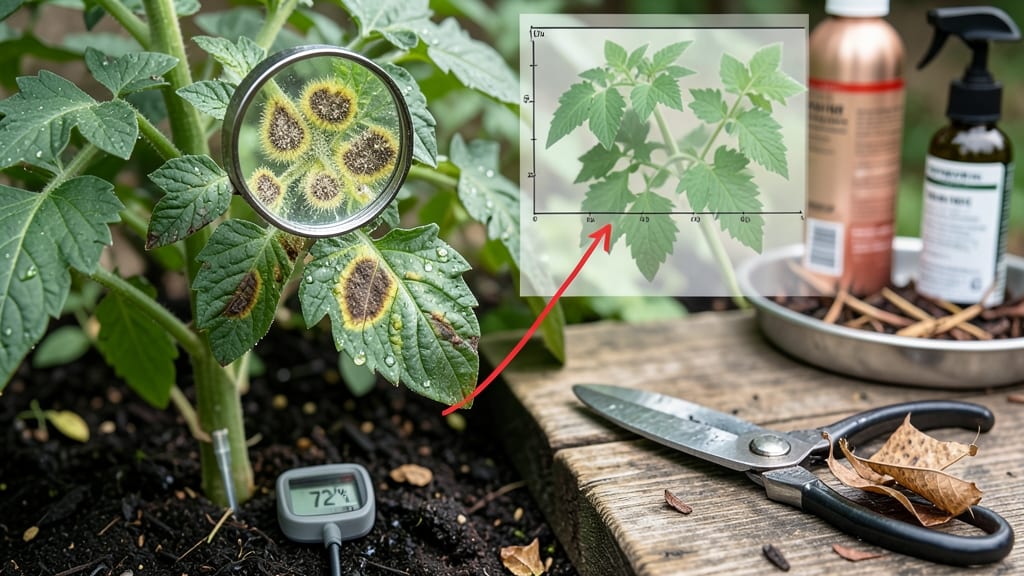
Brown leaf spot turns your thriving plants into sad, spotted messes in days. 🌿 I’ve fought this fungus battle for years, and copper fungicide spray is the only treatment that stops it in its tracks—often within 1 week if you catch it early.
This isn’t just about spraying willy-nilly. The key is timing (spray when leaves are dry), coverage (get the undersides!), and consistency (repeat every 7-10 days). I’ve seen lawns, roses, and even vegetable plants make full comebacks after just 2 treatments—no more brown craters ruining your garden’s pride.
You’ll know it’s working when new growth emerges clean and vibrant. The copper builds up in the plant’s tissue, creating a shield against future spores. It’s not a quick fix, but it’s the most reliable organic solution out there.
Works for lawns, ornamentals, and veggies alike—just adjust the concentration based on what’s affected. Let’s get those leaves looking fresh again!
Root Causes Of Leaf Discoloration
If your plants are suddenly sporting unsightly brown spots, don’t panic—understanding the why behind these symptoms is the first step to fixing them. Brown leaf spots are rarely random; they’re usually a plant’s way of signaling distress from specific environmental or biological stressors.
Below, we break down the most common culprits, backed by science, so you can address the issue at its source.
Too much water is a silent killer of plant health. When soil stays soggy for too long, it creates the perfect breeding ground for fungal pathogens like Alternaria or Cercospora, which thrive in damp conditions.
These fungi then infect leaves through natural openings (like stomata) or wounds, causing brown, necrotic spots with yellow halos.
But it’s not just fungi—root rot from overwatering can also starve leaves of nutrients, leading to chlorosis (yellowing) and eventual browning. Actionable fix: Improve drainage by amending soil with perlite or sand, and water only when the top 1–2 inches of soil are dry.
Plants are sensitive to temperature swings. Heat stress (above 90°F/32°C) causes cells to burst, leading to crispy, brown patches, while freezing temps (below 32°F/0°C) can damage cell membranes, resulting in water-soaked spots that turn brown.
Certain plants, like tomatoes or peppers, are especially vulnerable. Actionable fix: Provide afternoon shade in summer, use mulch to regulate soil temps, and protect tender plants with row covers in frost-prone areas.
Pathogens are the #1 cause of brown leaf spots in gardens. Fungi like Septoria or Phyllosticta create small, circular lesions with dark borders, while bacteria (e.g., Pseudomonas syringae) produce watery, greasy spots that turn brown and spread rapidly.
These pathogens often hitchhike on wind, water, or contaminated tools. Actionable fix: Remove infected leaves immediately, sterilize pruners with rubbing alcohol, and apply a copper fungicide (like copper hydroxide) to prevent spread. Pro tip: Avoid overhead watering to reduce spore splash.
A lack of key nutrients (like magnesium, potassium, or iron) can mimic disease symptoms. For example, magnesium deficiency causes brown spots between leaf veins (interveinal chlorosis), while excess salt or chlorine (from tap water or fertilizers) burns leaf edges brown.
Actionable fix: Test soil pH and amend with compost or chelated nutrients. If using tap water, let it sit out for 24 hours to off-gas chlorine before watering.
Now that you know the why, the next step is targeted treatment—because once you identify the cause, you can stop the damage in its tracks! 🚀
Quick Fixes for Fading Foliage
Watching your plants develop brown leaf spots can feel like a slow-motion disaster—but don’t panic! The right approach depends on the root cause, whether it’s fungal pressure, environmental stress, or poor care. Below, we’ve mapped out practical solutions tailored to each trigger, plus proactive steps to keep your greenery thriving.
If the spots are spreading like wildfire and look slimy or powdery, a fungus is likely to blame. Act fast with these steps:
🍳 Step 1: Remove the Problem
- Snip infected leaves (at least 6 inches below the spot) with clean pruners dipped in rubbing alcohol. Never compost them—toss in the trash.
- Bag and discard heavily damaged foliage to stop spores from spreading.
👨🍳 Step 2: Clean Up the Battlefield
- Sterilize tools between cuts with a 10% bleach solution (1 part bleach to 9 parts water).
- Rake up debris under plants—fungal spores love hiding in old leaves and mulch.
🥘 Step 3: Apply Fungicide
- Copper fungicide spray (like the one mentioned in this article) is your first line of defense. Reapply every 7–10 days until new growth appears.
- For organic options, mix 1 tbsp baking soda + 1 tsp dish soap + 1 gallon water in a spray bottle. Test on a small leaf first!
⏰ Step 4: Boost Airflow
- Space plants 3–5 feet apart to reduce humidity pockets where fungi thrive.
- Thin dense foliage to improve air circulation.
If spots appear after heatwaves, drought, or cold snaps, your plant is crying out for better conditions. Try these fixes:
💡 Water Wisely
- Morning watering (before 10 AM) prevents fungal growth from overnight moisture.
- Deep water 1–2 times per week (check soil moisture 2 inches down—if dry, it’s time).
- Avoid overhead watering—use drip irrigation or soaker hoses to keep leaves dry.
🎯 Shield from Extremes
- Move potted plants to shaded areas during peak sun (11 AM–3 PM) if leaves scorch.
- Mulch heavily (2–3 inches) to retain moisture and regulate soil temperature.
- Group plants with similar water needs to simplify care.
✨ Fertilize Smartly
- Flush soil with water to remove excess salts (common in tap water) that stress roots.
- Use balanced fertilizer (10-10-10) in spring and summer—avoid high-nitrogen feeds if spots persist.
If spots coincide with chewed edges or sticky residue (honeydew), pests like aphids or mites are likely the culprits.
🐞 Identify the Invader
- Aphids: Tiny green/black bugs clustering on undersides of leaves.
- Spider mites: Fine webbing and stippled yellowing.
- Scale insects: Bumpy, shell-like pests on stems.
🛡️ Natural Pest Control
- Blast off pests with a strong spray of water (repeat 2–3 times weekly).
- Introduce beneficial insects: Ladybugs or lacewings devour aphids naturally.
- Neem oil spray: Mix 2 tbsp neem oil + 1 tsp mild soap + 1 quart water. Spray every 5–7 days until pests vanish.
Once your plants bounce back, keep them healthy with these long-term strategies:
- Rotate crops (for garden beds) to starve soil-borne fungi.
- Disinfect tools before and after use—even a small cut can spread disease.
- Choose resistant varieties: Opt for disease-resistant plant tags (e.g., ‘Cleopatra’ mandarin or ‘Super Star’ zucchini).
- Test your water: High chlorine or minerals can stress plants—consider a filter if spots reappear.
- Monitor regularly: Check undersides of leaves weekly for early signs of trouble.
With the right mix of cleanup, targeted treatments, and preventive care, your plants will be back to vibrant in no time. 🌿✨
Frequently asked questions
What do brown leaf spots look like on different plants?
On lawns, they appear as small, circular brown patches with yellow halos, often surrounded by healthy grass. For vegetables like tomatoes or peppers, spots may be greasy-looking with dark borders, while ornamental plants like roses show irregular brown patches that spread rapidly. Always check leaf undersides—spores often hide there!
How quickly will copper fungicide stop the spread?
With proper application, you should see noticeable improvement within 7-10 days. Copper builds up in plant tissues over time, creating a protective barrier. For severe cases, repeat treatments every 7-10 days until new growth appears. Consistency is key—don't skip applications, even if spots seem to shrink!
Can I still use my plants if they have brown spots?
It depends! For edible plants, remove only the most severely spotted leaves (wear gloves). The rest can usually be washed thoroughly before cooking. For ornamental plants, leave them until spots cover less than 25% of the leaf—after that, it's better to prune them out to prevent spread. Never compost infected plant material!
Will brown spots come back after treatment?
Yes, if you don't address the root cause! Fungal spores can linger in soil or on tools. To prevent recurrence: improve airflow, avoid overhead watering, and sterilize pruners. For high-risk plants, apply a preventive copper spray every 4-6 weeks during humid seasons. Think of it like taking vitamins—consistency prevents outbreaks!
Are there any plants that never get brown leaf spot?
No plant is completely immune, but some are naturally more resistant. Try disease-resistant varieties like 'Celebrity' tomatoes or 'Super Star' zucchini. Succulents and cacti rarely get fungal spots because their thick leaves repel moisture. For lawns, opt for tall fescue or zoysia grass—they handle humidity better than Kentucky bluegrass.