
Pests and Diseases
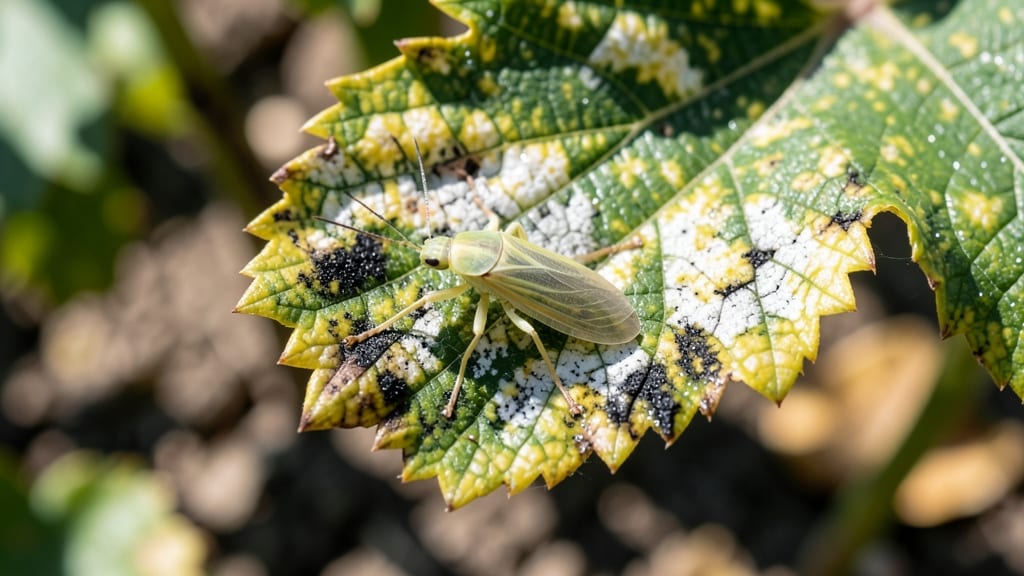
That candy striped leafhopper damage is turning your plants into a wreck faster than you can say "honeydew"—tiny striped invaders leave behind a trail of stippled leaves, curled edges, and sticky residue that turns into sooty mold.
If you don’t act now, your garden’s summer show could be ruined before it even begins. I’ve battled these pests in my own yard, and the key is catching them early before they turn your prized plants into skeleton leaves.
First, learn what to look for: white stripes on their backs (that’s how they got their name), tiny holes in leaves, and that telltale black sooty mold on lower foliage. They love tomatoes, peppers, beans, and roses—basically any tender, juicy plant.
The damage might start small, but if left unchecked, these pests multiply fast, draining your plants of energy and leaving them weak for the rest of the season.
Here’s the good news: you can stop them without harsh chemicals. A strong spray of water knocks them off plants, neem oil disrupts their life cycle, and introducing beneficial insects like lacewings or ladybugs gives you a natural defense.
The sooner you act, the sooner your plants bounce back—think vibrant green leaves instead of those sad, skeletonized messes.
Prevention is your best weapon. Remove weeds where they hide, prune regularly to improve airflow, and consider companion planting with herbs like basil or marigolds, which repel them naturally. Trust me, once you’ve seen a garden recover from this damage, you’ll never ignore those first signs again.
📚 In This Guide
- What you need
- Instructions
- Tips and common mistakes
- Wrapping up and next steps
What you need
- ● Handheld magnifying glass (10x magnification) – For closely inspecting leaf damage and identifying leafhoppers.
- ● Pruning shears or sharp scissors – To trim heavily infested or damaged foliage (sterilize with rubbing alcohol between cuts).
- ● Garden hose with adjustable nozzle – For dislodging leafhoppers with a strong spray (use a gentle setting to avoid harming plants).
- ● Insecticidal soap (1–2 bottles, 16–32 oz each) – A natural, effective option for controlling leafhoppers (look for potassium salts of fatty acids on the label).
- ● Neem oil spray (1–2 bottles, 16 oz) – A plant-based pesticide that disrupts leafhopper life cycles (mix with water as directed).
- ● Yellow sticky traps (5–10 traps, 12" x 16") – Helps monitor and reduce leafhopper populations (place traps near infested areas).
- ● Gloves (nitrile or rubber, 1 pair) – Protects your hands from sap and pesticides.
- ● Spray bottle or backpack sprayer – For applying insecticidal soap or neem oil evenly.
- ● Systemic insecticide (e.g., imidacloprid) – For severe infestations (follow label instructions carefully; use sparingly to avoid harming beneficial insects).
- ● Beneficial nematodes (e.g., Steinernema carpocapsae) – Targets leafhopper eggs in soil (apply during cool, moist conditions).
- ● Reflective mulch or aluminum foil strips – Confuses leafhoppers and deters them from landing (wrap around plant stems or lay on soil).
- ● Garden sprayer with pump – For larger areas or tough-to-reach plants.
- ● Camera or phone with macro mode – To document damage before/after treatment (helpful for tracking progress!).
How to identify and treat candy striped leafhopper damage
Here’s how to spot these tiny striped pests and stop their damage before your plants suffer.
🌿 Step 1: Recognize the Damage and Pests
Candy striped leafhoppers leave unmistakable signs: small, irregular holes along leaf edges and a sticky residue called honeydew on leaves and nearby surfaces. The pests themselves are tiny (about ⅛ inch long), with white and black stripes and a wedge-shaped body. Check the undersides of leaves first—they’re where these insects hide.
If you also notice sooty mold (a black, fuzzy growth) on the honeydew, that’s a sure sign leafhoppers have been feeding for a while. This mold blocks sunlight, weakening plants further. Examine new growth first—leafhoppers prefer young, tender leaves. A hand lens helps spot the tiny pests and their damage clearly.
💧 Step 2: Remove Heavy Infestations by Hand
For small outbreaks, dislodge leafhoppers by spraying plants with a strong stream of water from a hose. Focus on the undersides of leaves and new growth where they cluster. Do this in the early morning so pests don’t have time to return. Repeat every 2-3 days until you see fewer than 3-4 leafhoppers per leaf.
Don’t forget to check nearby plants—they spread quickly. After treatment, wipe down leaves with a damp cloth to remove honeydew and reduce sooty mold buildup. This also helps your plants recover faster by allowing better sunlight absorption. Work gently to avoid damaging tender foliage.
☀️ Step 3: Apply Natural Predators and Barriers
Encourage beneficial insects like lacewings, ladybugs, and parasitic wasps, which feed on leafhoppers. Plant nectar-rich flowers like dill, fennel, or marigolds nearby to attract them. Avoid pesticides—these can kill beneficial insects along with leafhoppers. Instead, use a fine mesh row cover over young plants to block adults from laying eggs.
For established plants, wrap the stems with aluminum foil or reflective mulch. The glare confuses leafhoppers and deters them from landing. Reapply every 2 weeks or after heavy rain. This works best on smaller plants or in high-value garden beds where chemical treatments aren’t ideal.
✂️ Step 4: Use Targeted Organic Sprays
Mix 1 tablespoon of dish soap (like Dawn) with 1 quart of water and spray directly on leafhopper hotspots. The soap disrupts their waxy outer layer, causing dehydration. Test on a small leaf first—some plants are sensitive to soap residues. Spray in the early morning or late evening to avoid harming bees and other pollinators.
For severe infestations, use neem oil (1 teaspoon per quart of water with a drop of dish soap as an emulsifier). Apply every 5-7 days until leafhoppers disappear. Neem oil also prevents new eggs from hatching. Always spray until leaves are thoroughly wet, but avoid overhead watering afterward—this can spread honeydew and sooty mold.
🪴 Step 5: Prevent Future Outbreaks
Remove all plant debris at the end of the season—leafhoppers overwinter in dead leaves and stems. Prune and dispose of heavily damaged foliage immediately. Keep your garden free of weeds, especially those in the carrot family (leafhoppers love them). Regularly inspect new plants before adding them to your garden.
Healthy plants resist pests better. Water deeply and consistently to avoid stress, and fertilize with a balanced organic fertilizer (like 10-10-10) every 4-6 weeks. Stronger plants produce tougher leaves that leafhoppers find less appealing. Monitor high-risk plants like beans, tomatoes, and peppers weekly during peak leafhopper season (late spring to early summer).
Tips & tricks for identifying and treating candy striped leafhopper damage
Real talk: These tiny striped pests can turn your garden into a disaster zone if you don't catch them early. Here's what I've learned from battling them in my own garden.
Damage Detection: When examining leaves for those telltale signs in Step 1, look for a pattern—leafhoppers often start at the leaf edges and work their way inward. The honeydew residue is especially obvious on the undersides of leaves, which is why you should always check there first. I've found that using a white sheet of paper underneath the plant helps make the tiny pests stand out against the dark foliage.
Timing is Everything: In Step 2, the early morning water treatment is critical because that's when leafhoppers are most active and vulnerable. I've learned to do this right after sunrise when the air is still cool and the pests haven't had time to scatter. The 2-3 day repeat schedule gives you enough time to break their life cycle while avoiding over-stressing your plants.
Natural Defense Boost: For Step 3, I've had the most success with the reflective mulch technique on my tomato plants. The aluminum foil works wonders, but I found that wrapping it tightly around the stems prevents it from blowing away in windy conditions. When planting nectar-rich flowers, I recommend placing them in clusters near your high-risk plants to create a more attractive target for beneficial insects.
Spray Application: When using the soap solution in Step 4, I've discovered that adding a few drops of vegetable oil to the mix enhances its effectiveness. The oil helps break down the leafhoppers' protective wax layer even better. Always test on a small leaf first—some plants like basil can be sensitive to soap residues, even when diluted. The thorough wetting is crucial, but remember to avoid overhead watering afterward to prevent spreading honeydew.
Pro Tips for Candy Striped Leafhopper Damage
- Real talk: These tiny striped pests can turn your garden into a disaster zone if you don't catch them early.
- Damage Detection: When examining leaves for those telltale signs in Step 1, look for a pattern—leafhoppers often start at the leaf edges and work their way inward.
- Timing is Everything: In Step 2, the early morning water treatment is critical because that's when leafhoppers are most active and vulnerable.
Frequently asked questions
Got questions about candy striped leafhopper damage? You're not alone!
Here are the most common concerns—and expert answers—to help you tackle this pesky pest with confidence.
What does candy striped leafhopper damage look like on plants?
The damage is unmistakable: white, striped patterns on leaves (like candy stripes!), stunted growth, and a general "sickly" appearance. Heavy infestations can cause leaves to curl, yellow, or drop prematurely. Check the undersides of leaves too—tiny, pale green nymphs or adults may be hiding there!
When is the best time to treat candy striped leafhoppers?
Act early—as soon as you spot the first signs (striped leaves or tiny pests). Spring and early summer are peak activity times, but treatment can work year-round. Monitor weekly during warm months to catch outbreaks before they spread. Pro tip: Morning inspections work best when pests are sluggish!
Are there natural or chemical-free ways to control them?
Start with physical removal: blast off adults with a strong water spray (early morning). Use row covers for young plants or introduce beneficial predators like ladybugs or lacewings. For organic sprays, try neem oil or insecticidal soap—just reapply after rain. Horticultural oil in winter can smother eggs too!
Why does my plant keep getting reinfested after treatment?
Reinfestations often happen because eggs survive or nearby plants harbor new adults. Check all plants in the area—leafhoppers love variety! Rotate treatments (e.g., alternate soapy water with neem oil), and consider removing heavily damaged foliage to break their life cycle. Consistency is key—treat every 7–10 days until the threat passes.
Can candy striped leafhoppers harm fruit or vegetables directly?
While they don’t eat fruit, their damage weakens plants, making them more susceptible to disease or reducing yields. Stunted growth can delay harvests, and severe cases may cause blossom drop in fruiting plants. Prioritize treatment if you’re growing tomatoes, peppers, or beans—these are their favorites!
Wrapping up and next steps
Spotting candy striped leafhopper damage early and taking swift action can save your plants—and your sanity! 🌱 These tiny pests may seem harmless, but their feeding habits can quickly turn lush foliage into a skeleton. The good news? With the right tools and techniques, you can reclaim your garden’s health.
Don’t wait for the problem to worsen—act now. Start by inspecting your plants regularly, using the tips and remedies you’ve learned, and share your successes (or challenges) with fellow gardeners. Every small step makes a big difference! 💪