
Pests and Diseases
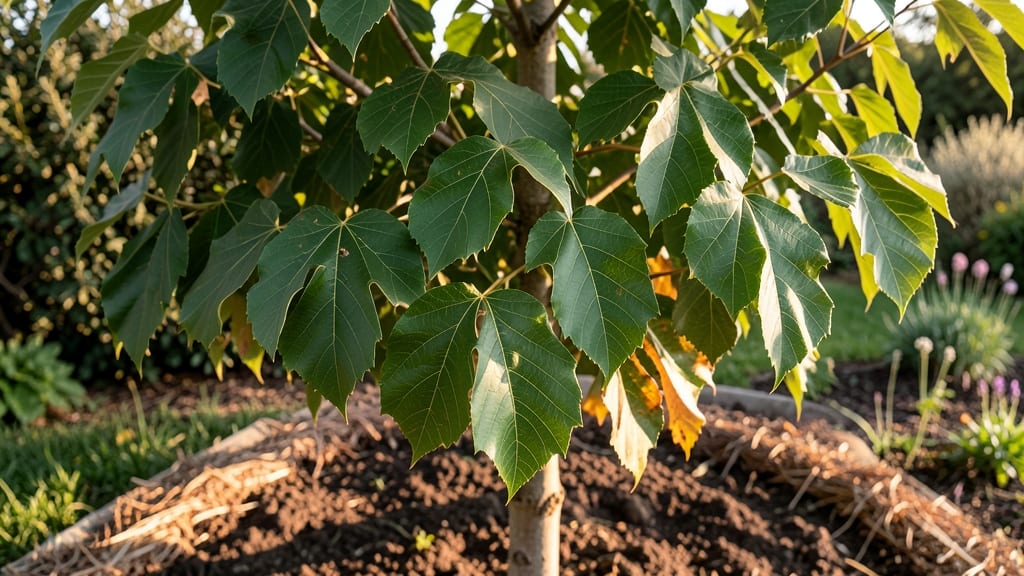
Crepe myrtle leaf identification reveals the hidden story of your tree’s health—every vein, edge, and hue holds clues about what’s thriving or struggling beneath the surface. 🌿 That wavy margin and prominent midrib aren’t just decorative—they’re a roadmap to diagnosing issues before they escalate. I’ve spent years studying these patterns, and I’ll show you exactly what to look for to catch problems early.
Healthy leaves have smooth, slightly serrated edges and a network of veins that fade into a silvery-green hue. But watch for powdery white spots (powdery mildew), dark concentric rings (target spot), or sticky residue (scale insects)—each signals a different battle your tree is losing.
The key is spotting these signs before they spread.
With just a magnifying glass and a few minutes, you’ll learn to diagnose issues like a pro. Aphids leave curled, yellowed leaves, while fungal diseases create unsightly blotches. I’ll walk you through the visual differences so you can act fast—before your crepe myrtle’s stunning blooms are at risk.
This works for any crepe myrtle variety, whether it’s a dwarf cultivar or a towering landscape specimen. The same principles apply year-round, from spring’s fresh growth to winter’s dormant state. Let’s decode those leaves together.
Root Causes Behind Leaf Issues
When crepe myrtle leaves start looking less than perfect—whether it’s odd spots, curling edges, or sudden discoloration—it’s usually a sign that something’s off beneath the surface. Understanding why these problems occur is the first step to fixing them.
Below, we break down the most common culprits, from environmental stressors to sneaky pests, with science-backed explanations to help you diagnose the issue accurately.
Crepe myrtles are tough, but they’re not invincible. Extreme or inconsistent conditions can trigger leaf problems faster than you’d think. Here’s what’s likely happening:
- Temperature Fluctuations: Sudden drops below 30°F (-1°C) or heatwaves above 95°F (35°C) can shock the plant. Cold damage often causes brown, crispy edges or blackened veins, while heat stress leads to yellowing (chlorosis) between veins.
- Wind Burn: High winds dry out leaves quickly, creating scorched, papery patches on exposed sides. This is common in urban areas where buildings funnel wind.
- Water Stress:
- Underwatering: Leaves curl underward (like a taco) to conserve moisture, often paired with dull, gray-green color.
- Overwatering: Yellowing leaves with soggy stems or mushy roots signal root rot, caused by poor drainage or excessive rain.
💡 Pro Tip: Mulch 2–3 inches deep around the base (but avoid touching the trunk) to regulate soil temperature and retain moisture. Use well-draining soil and water deeply 1–2 times per week in dry climates.
Pests don’t just nibble—they inject toxins, suck sap, or lay eggs that trigger leaf reactions. Here’s how to spot their handiwork:
| Pest | Leaf Symptoms | What’s Really Happening |
|---|---|---|
| Aphids 🐜 | Sticky residue ("honeydew"), curled or puckered leaves, black sooty mold | These tiny sap-suckers inject enzymes that distort cell growth, causing leaves to curl. Their honeydew feeds sooty mold fungi, blocking sunlight. |
| Spider Mites 🕷️ | Fine webbing, bronze or silver speckling, leaves dry out and drop | Mites pierce cells to consume chlorophyll, leaving stippled, necrotic patterns. Severe cases cause leaf scorch from dehydration. |
| Scale Insects 🐛 | Bumpy, waxy bumps on stems/leaves; yellowing above infested areas | Scale secrete wax coatings to protect themselves while starving the plant of nutrients. Heavy infestations lead to premature leaf drop. |
| Japanese Beetles 🐞 | Skeletons of leaves (only veins remain), chewed edges | Adult beetles strip chlorophyll from leaf tissue, leaving lacy, skeletonized patterns. Larvae (grubs) feed on roots, causing stunted growth. |
🔥 Action Step: Inspect undersides of leaves and stems with a magnifying glass. For severe infestations, use neem oil or insecticidal soap (apply in early morning to avoid harming bees).
Fungi and bacteria thrive in moist, warm conditions and often hitch a ride on pests or wounds. Here’s how to tell them apart:
- Powdery Mildew 🍄:
- Symptoms: White, powdery coating on upper leaf surfaces; yellowing underneath.
- Science: The fungus Erysiphe grows on the cuticle layer, blocking light and clogging pores. It spreads via airborne spores.
- Leaf Spot Diseases (e.g., Cercospora):
- Symptoms: Target-like brown spots with yellow halos; spots may have tiny black dots (fungal spores).
- Science: Fungi like Cercospora enter through stomata (leaf pores) and release enzymes that break down cell walls, creating necrotic areas.
- Bacterial Leaf Spot:
- Symptoms: Water-soaked, greasy spots that turn tan or brown; often with yellow margins.
- Science: Bacteria like Xanthomonas multiply in leaf wounds or rain splashes, producing slime layers that ooze when touched.
✨ Prevention Tip: Space plants for airflow (3–6 feet apart) and water at the base (avoid overhead sprinklers). For fungal spots, apply copper fungicide or a baking soda spray (1 tsp baking soda + 1 quart water + a drop of soap).
🎯 Key Takeaway: Most leaf issues stem from one (or a combo) of these three factors. Start by checking environmental conditions, then inspect for pests or fungal signs. Early action prevents small problems from becoming full-blown crises!
Quick Fixes for Crepe Myrtle Leaf Issues
Got crepe myrtle leaves showing signs of stress, pests, or disease? Don’t panic—most problems have simple, effective solutions. Below, we’ve mapped common causes to step-by-step fixes, plus tips to keep your tree thriving. Let’s get your crepe myrtle back to its vibrant best!
Cause: Pale or yellowing leaves often signal poor soil health or excess moisture. Solution:
- 🔥 Test Your Soil – Grab a soil test kit (or send a sample to your local extension office) to check pH and nutrient levels. Crepe myrtles prefer slightly acidic to neutral soil (pH 6.0–7.0).
- 🍳 Feed the Right Way – Apply a balanced, slow-release fertilizer (10-10-10 or 12-12-12) in early spring. For iron deficiency (yellowing between veins), use a chelated iron supplement.
- 👨🍳 Adjust Watering – Water deeply but infrequently (1–2 inches per week). Avoid soggy soil—crepe myrtles hate "wet feet." Improve drainage by adding compost or mulch around the base (but keep mulch 6 inches away from the trunk).
✨ Prevention Tip: Mulch with aged bark or pine straw to retain moisture and improve soil structure over time.
Cause: Sticky leaves, chewed edges, or webbing mean pests are partying on your tree. Solution:
- 🔪 Blast Off Pests – Spray leaves with a strong stream of water to dislodge aphids or scale. Repeat every 3–4 days for 2 weeks.
- 🥘 Use Insecticidal Soap – Mix 1–2 tablespoons of mild dish soap (like Dawn) with 1 gallon of water. Spray early in the morning or late evening to avoid harming beneficial insects.
- 🌡️ Introduce Predators – Ladybugs and lacewings love eating aphids. Buy them online or attract them with native plants like dill or fennel.
💡 Pro Tip: For stubborn infestations, apply horticultural oil (like neem oil) in late winter or early spring before pests hatch.
Cause: White powder, brown spots, or leaf drop = fungal party time. Solution:
- 🍳 Prune for Airflow – Thin out dense branches to improve circulation. Remove and destroy (don’t compost!) infected leaves.
- 👨🍳 Fungicide Spray – Use a copper-based fungicide or neem oil spray every 7–10 days until symptoms fade. For prevention, spray in early spring as a precaution.
- 🌡️ Water Wisely – Water at the base (not overhead) and avoid late-day watering to keep leaves dry.
🎯 Prevention Tip: Space crepe myrtles 6–10 feet apart to reduce humidity buildup in the canopy.
Cause: Crispy edges or curled leaves often mean heat, drought, or salt buildup. Solution:
- 💧 Deep Watering – Water slowly and deeply (1–2 inches per week) to encourage deep root growth. Use drip irrigation or soaker hoses for consistency.
- 🍳 Mulch Like a Pro – Apply 2–3 inches of mulch (wood chips or pine straw) to retain moisture and regulate soil temperature.
- 🔥 Shield from Salt – If your tree is near a road or sidewalk, flush the soil with fresh water monthly to remove salt buildup.
🔥 Quick Fix: Give your tree a midday shade break during extreme heat—use shade cloth or temporary shade sails if needed.
- 📊 Prune Properly – Remove dead or crossing branches in late winter/early spring. Never "top" crepe myrtles—it weakens the tree. - 💪 Monitor Regularly – Check leaves weekly for early signs of trouble.
Catching issues early = easier fixes! - 🥗 Soil Boost – Amend heavy clay soil with compost or sand to improve drainage.
Remember: Most crepe myrtle leaf issues are fixable with a little TLC. Start with the cause, apply the solution, and your tree will bounce back faster than you think! 🌳✨
Frequently asked questions
How can I tell if my crepe myrtle leaves are healthy?
Healthy crepe myrtle leaves have smooth, slightly wavy edges with a silvery-green hue. The prominent central vein should be straight, and the leaf surface should feel firm without spots or discoloration. Look for vibrant color and no signs of curling or yellowing between veins.
What do crepe myrtle leaves look like when they're diseased?
Diseased leaves often show white powdery coatings (powdery mildew), target-like brown spots with yellow halos (target spot), or greasy, water-soaked patches (bacterial leaf spot). Check the undersides for webbing or tiny black dots—these are key indicators of fungal or bacterial infections.
Why are my crepe myrtle leaves curling?
Curling usually means water stress (underwatering causes upward curling, while overwatering leads to downward curling) or pest damage like aphids or spider mites. Inspect the undersides for tiny insects or webbing, and check soil moisture—crepe myrtles prefer consistent, deep watering rather than frequent shallow watering.
Can I use the same identification tips for all crepe myrtle varieties?
Yes! While some varieties may have slightly different leaf shapes (like narrower leaves in dwarf types), the core identification principles remain the same. Focus on vein patterns, edge smoothness, and color consistency—these are universal indicators of health or distress across all crepe myrtle cultivars.
How do I distinguish crepe myrtle leaves from similar trees?
Crepe myrtle leaves are unique due to their prominent central vein and wavy margins. Compare them to oak leaves (lobed) or sycamore (alternate, simple leaves). The silvery underside and opposite branching pattern also help differentiate them from other trees.