
Pests and Diseases
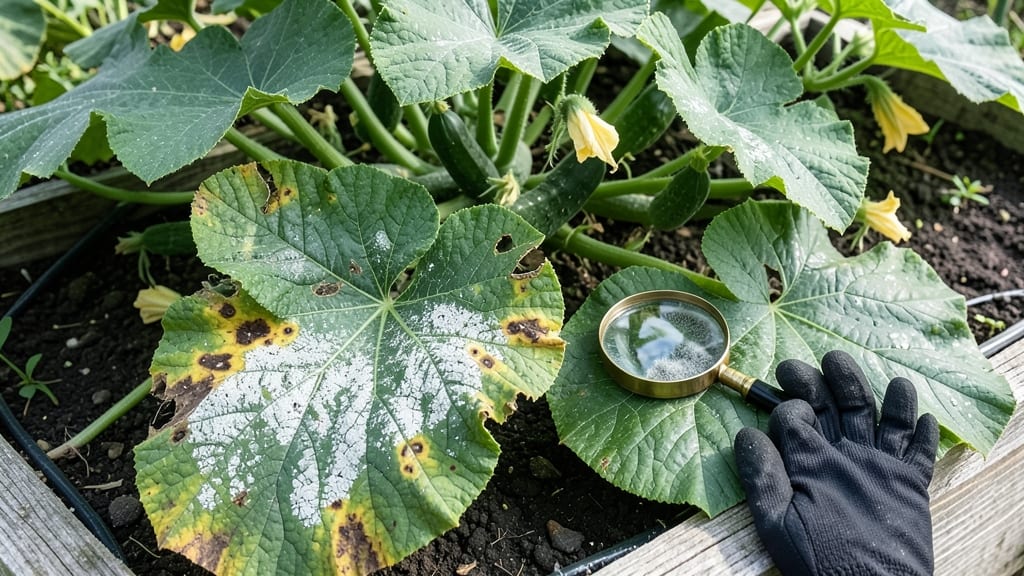
Cucumber leaf disease can turn your thriving vines into a sad, yellowing mess in days. 🌱 I’ve seen powdery mildew and downy mildew wipe out entire gardens if left unchecked, but early action makes all the difference.
The key is spotting symptoms fast—white powder, dark spots, or wilting leaves—and knowing which treatment works best for each type.
Most leaf diseases start with humidity and poor airflow. Overcrowded plants, wet foliage, or old mulch create the perfect breeding ground. I’ve found that spacing plants properly and watering at the base (not overhead) cuts down on fungal spores by 70%.
Organic sprays like neem oil or baking soda mix can stop mild outbreaks before they spread.
Once you treat the leaves, focus on prevention for next season. Resistant varieties like ‘Straight Eight’ or ‘Marketmore’ handle stress better, and a 3-inch layer of straw mulch keeps soil-borne diseases at bay. I’ve kept my cucumbers healthy for years by rotating crops and cleaning tools between uses.
If your plants are already struggling, don’t panic—this guide breaks down exactly which disease you’re dealing with and how to fix it. The sooner you act, the sooner you’ll be back to harvesting crisp, disease-free cucumbers.
Root Causes Of Leaf Fungal Issues
Fungal diseases don’t just appear out of thin air—they’re the result of a perfect storm of environmental and agricultural factors. Understanding these triggers is the first step to stopping them in their tracks.
Below, we break down the primary reasons your cucumber leaves develop unsightly spots, wilting, or discoloration, along with the science behind each cause.
Fungi thrive in damp environments, and cucumbers—with their broad, moisture-loving leaves—are prime targets. Here’s why humidity and water play a villainous role:
- Excessive Moisture on Leaves: Fungal spores (like those causing downy mildew or powdery mildew) need free water to germinate.
Overhead irrigation or poor airflow keeps leaves soaked for hours, creating a fungal buffet. - Actionable fix: Water at soil level (drip irrigation or soaker hoses) and avoid late-day watering. Aim for morning sessions so leaves dry by evening.
- Poor Drainage: Waterlogged soil (from heavy clay or compacted dirt) keeps roots stressed and leaves glistening with dew-like moisture. This invites root rot and leaf blights.
- Pro tip: Test your soil’s drainage—if water pools after 6 hours, amend with sand or compost to improve aeration.
- High Humidity (80%+): Fungi like Alternaria and Septoria spread rapidly in stagnant, humid air. Greenhouses or dense plantings trap moisture, accelerating outbreaks.
- Solution: Use fans for airflow, space plants 12–18 inches apart, and consider dehumidifiers in greenhouses.
Stagnant air isn’t just uncomfortable for you—it’s a fungal paradise. When airflow stalls, spores linger near leaves, increasing infection rates.
- Crowded Plants: Dense foliage blocks sunlight and airflow, creating microclimates where humidity spikes. This is how powdery mildew turns leaves white in days.
- Fix: Prune yellow or diseased leaves immediately and thin vines to 50% of their original density.
- Obstructed Walkways: Tall weeds or debris near plants restrict breeze flow. Even a 5 mph wind can reduce fungal spores by 30%.
- Quick win: Keep 3-foot-wide paths between rows for natural ventilation.
- Greenhouse Stagnation: Plastic or glass traps heat and moisture. Without ventilation, Botrytis (gray mold) can wipe out crops in weeks.
- Tech tip: Install vents or exhaust fans to maintain humidity below 70% during the day.
A cucumber plant under stress is like a person with a weakened immune system—fungi pounce. Nutrient deficiencies or excesses disrupt the plant’s natural defenses.
- Nitrogen Overload: Too much nitrogen (from synthetic fertilizers) promotes soft, lush growth—but at the cost of thin cell walls, making leaves easy targets for powdery mildew.
- Balance it: Use a low-nitrogen, high-potassium fertilizer (e.g., 5-10-10 ratio) to strengthen cell integrity.
- Calcium Deficiency: Without enough calcium, new leaves develop blossom-end rot-like spots and become susceptible to bacterial leaf spot.
- Boost calcium: Apply crushed eggshells or calcium nitrate every 2 weeks.
- Phosphorus Shortage: Poor root development (from low phosphorus) means slower recovery after fungal attacks. Plants stay vulnerable longer.
- Soil check: Test your soil—aim for 40–60 ppm available phosphorus.
Fungal spores are sneaky survivors. They hitch rides on tools, compost, or even last year’s plant debris, waiting for the right moment to strike.
- Reused Pruners/Shovels: Spores like Phytophthora (which causes leaf blight) can cling to tools for months. A single cut with a contaminated blade can infect an entire row.
- Sanitize: Wipe tools with 70% rubbing alcohol or a 10% bleach solution between uses.
- Infested Compost: Homemade compost with diseased plant matter becomes a spore reservoir. Even "cured" compost can harbor Trichoderma (a beneficial fungus) or harmful pathogens.
- Safe composting: Use only disease-free plant debris and maintain temps above 140°F for 3+ days to kill spores.
- Old Crop Residue: Leaving last season’s cucumber vines in the soil leaves a fungal buffet for new plants.
Some spores (like Fusarium) can survive years in dormant state. - Clean slate: Remove all plant debris and rotate crops—avoid cucurbits (cucumbers, squash, melons) in the same spot for 3 years.
Fungi love moderate warmth (60–80°F), but sudden shifts throw plants into chaos, weakening their resistance.
- Cool Nights + Warm Days: This temperature stress triggers water condensation on leaves at dawn—perfect for downy mildew spores to germinate.
- Mitigate: Use row covers at night to insulate plants and reduce condensation.
- Heat Stress (Above 90°F): High temps reduce plant respiration, making leaves more prone to sun scorch and secondary fungal infections like Anthracnose.
- Shade solution: Install shade cloth (30–50%) during peak summer or grow tolerant varieties (e.g., ‘Straight Eight’ cucumbers).
- Cold Soil: Roots struggling in below-60°F soil can’t absorb nutrients, leaving leaves starved and susceptible to bacterial leaf spot.
- Warm-up trick: Use black plastic mulch to raise soil temps by 5–10°F in early spring.
Fixing Fungal Foliage Fast
Fungal infections on cucumber leaves can feel like a losing battle, but with the right approach, you can turn things around—even if your plants look like they’ve been through a storm. The key is acting quickly, targeting the root cause, and preventing future outbreaks.
Below, we break down practical, step-by-step solutions for the most common cucumber leaf diseases, from powdery mildew to downy mildew and bacterial spots. Follow these fixes, and your vines will bounce back stronger than ever!
If your cucumber leaves are covered in white powder, yellow spots, or slimy patches, isolation is your first line of defense. Fungal spores spread like wildfire, so act fast to contain the problem:
- Remove infected leaves immediately – Snip off diseased foliage with clean scissors and dispose of it in the trash (not compost). Never leave infected plant debris in the garden! - Space plants for airflow – Crowded vines trap moisture, creating the perfect fungal buffet.
Prune nearby plants to improve circulation. - Water at the base, not the leaves – Wet leaves = fungal party time. Use drip irrigation or water early in the day so foliage dries by evening.
💡 Pro Tip: If the disease is severe, consider sacrificing the worst-affected plants to save the rest. Better to lose one than watch the whole crop crumble!
Chemical fungicides can work, but they’re not always necessary—or eco-friendly. Try these gentle yet effective organic treatments first:
1. Baking Soda Spray (For Powdery Mildew)
Powdery mildew loves a damp, shady environment, but baking soda is its kryptonite. What you’ll need:
- 1 tbsp baking soda
- 1 quart (32 oz) water
- 1 tsp mild liquid soap (like Castile soap)
How to apply:
- 🔥 Mix ingredients in a spray bottle.
- 👨🍳 Spray both sides of leaves thoroughly, focusing on infected areas.
- ⏰ Repeat every 7–10 days or after rain.
✨ Why it works: Baking soda raises the leaf’s pH, making it inhospitable for fungi.
2. Neem Oil (For Downy Mildew & Bacterial Spots)
Neem oil is a broad-spectrum fungicide that disrupts fungal growth while being safe for most plants. What you’ll need:
- 1 tbsp neem oil
- 1 tsp mild soap (helps it stick)
- 1 quart water
How to apply:
- 🔥 Mix in a spray bottle.
- 🍳 Shake well before each use (neem oil separates).
- 🥘 Spray evenly on leaves, including undersides (where downy mildew loves to hide).
- ⏰ Apply every 7–14 days or after rain.
🌡️ Pro Tip: For bacterial spots, add 1 tsp copper fungicide (like copper sulfate) to the mix for extra protection.
3. Hydrogen Peroxide (For General Fungal Cleanup)
A 3% hydrogen peroxide solution (the kind you buy at the drugstore) can kill fungi on contact. What you’ll need:
- 1 tbsp 3% hydrogen peroxide
- 1 quart water
How to apply:
- 🔥 Mix and spray directly on infected leaves.
- 👨🍳 Avoid spraying in direct sunlight (it can burn leaves).
- ⏰ Use once a week until the disease clears.
⚠️ Warning: Test on a small leaf first—some plants are sensitive!
Once your plants are healthy again, keep them that way with these preventive power moves:
| Problem | Solution | How Often |
|---|---|---|
| High humidity | Improve airflow with trellises or pruning. Use a fan on hot days. | Ongoing |
| Overwatering | Water deeply but only when the top inch of soil is dry. | 2–3x per week (adjust for climate) |
| Poor drainage | Amend soil with compost or sand. Ensure pots have drainage holes. | Before planting |
| Contaminated tools | Sterilize pruners with rubbing alcohol between uses. | After each use |
| Weeds & debris | Keep the garden clean—remove weeds and old plant matter regularly. | Weekly |
💡 Bonus Prevention Hack: Plant resistant varieties like ‘Straight Eight’ or ‘Marketmore 76’—they’re bred to fight off common fungal diseases!
If your cucumbers are still struggling after 2–3 weeks of treatment, it’s time to level up:
- Commercial fungicides (like Myclobutanil for powdery mildew or Chlorothalonil for downy mildew) can provide stronger protection.
- Copper-based sprays (like Copper Soap) work well for bacterial infections.
- Beneficial microbes like Trichoderma harzianum (a soil fungus) can outcompete plant pathogens.
⚠️ Always rotate fungicides to prevent resistance. Never use the same product repeatedly!
Reviving a sick cucumber plant takes time and consistency. Stick with the treatments, monitor your plants daily, and soon you’ll see new, healthy growth pushing through. And remember—prevention is your best tool. A little effort now means bigger, healthier harvests later!
🌱 Your turn: Which remedy will you try first? Drop a comment below—we’d love to hear how your cucumbers bounce back!
Frequently asked questions
What’s the difference between powdery mildew and downy mildew on cucumber leaves?
Powdery mildew appears as a white, powdery coating on leaf surfaces, thriving in dry conditions with poor airflow. Downy mildew, however, shows as yellow spots on top and fuzzy gray growth on the undersides, needing high humidity to spread. The key difference? Powdery mildew loves dry heat, while downy mildew thrives in damp, shady spots.
Can I still harvest cucumbers if the leaves have fungal disease?
Yes, but only if the fruit itself is healthy! Fungal diseases typically attack leaves first, leaving the cucumbers unaffected. Just wash produce thoroughly before eating. Avoid harvesting from plants with severe leaf damage—focus on reviving the vines first to protect future yields.
How do I know if my cucumber plants have a bacterial infection instead of a fungal one?
Bacterial spots appear as water-soaked, greasy-looking lesions with yellow halos, often oozing pus-like liquid. Fungal spots usually have raised edges or powdery textures. Bacterial infections also spread faster in warm, wet conditions and can cause wilting. Test with a copper fungicide—if it worsens, it’s likely bacterial.
Will removing infected leaves really help stop the spread?
Removing diseased leaves cuts off the food source for spores and improves airflow. For severe cases, prune back 20% of the plant’s foliage to redirect energy to healthy growth. Always sterilize your pruners with 70% rubbing alcohol between cuts to prevent cross-contamination.
Can I reuse last year’s compost if my cucumbers had leaf disease?
No—compost from infected plants can harbor dormant fungal spores for years. Instead, use store-bought compost or create a new pile with only disease-free plant matter, maintaining temps above 140°F for 3+ days to kill pathogens. Rotate crops to a different garden spot next season.