
Shrubs
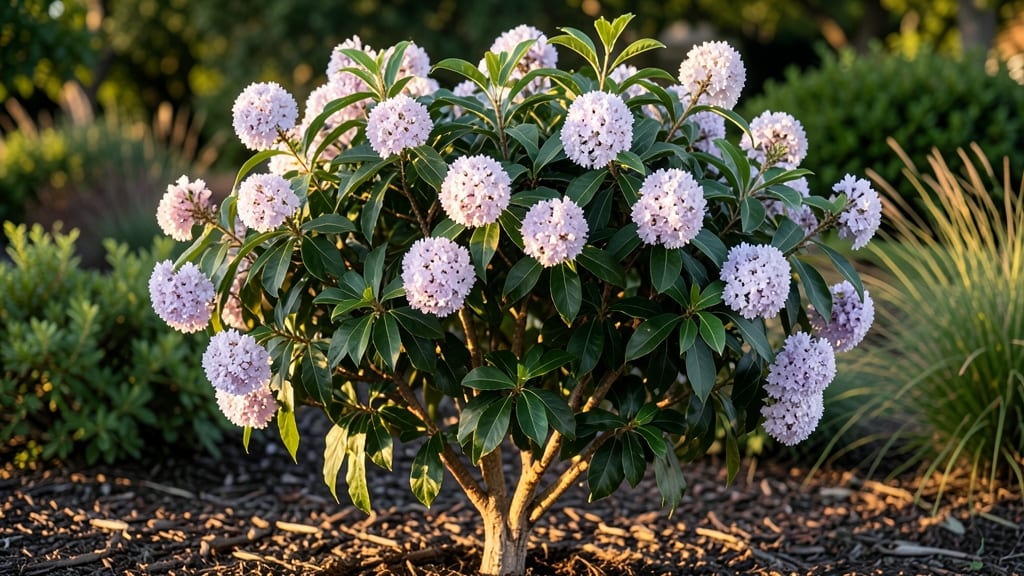
Growing dark leaf crepe myrtle means adding a dramatic, deep-green shrub to your landscape that thrives where others fail. 🌿 I fell for this plant after seeing how it held its rich foliage through winter while still blooming in summer—something most shrubs can’t do.
The secret lies in its cold-hardy nature and adaptable growing habits, making it perfect for zones 5 through 9 without fuss. You’ll need full sun (at least 6 hours daily) and well-draining soil that’s slightly acidic to neutral.
Unlike fussy plants, crepe myrtles tolerate drought once established, but they reward consistent moisture during their first year. The dark leaves create stunning contrast with purple, pink, or white summer blooms, and the bark peels beautifully in winter for year-round interest.
Pruning is simple: cut back old wood in late winter to encourage fresh growth and more flowers. I’ve found that light pruning in early spring keeps them compact and bushy without sacrificing blooms. The only real challenge?
Watching for powdery mildew in humid climates—just spray with neem oil if you spot white dust on leaves. This shrub works as a standalone specimen, in mixed borders, or even as a small tree. Once you plant one, you’ll wonder why you didn’t add it sooner—it’s that foolproof and stunning.
📚 In This Guide
- What you need
- Instructions
- Tips and common mistakes
- Wrapping up and next steps
What you need
- ● Dark leaf crepe myrtle plant: Choose a healthy nursery-grown specimen (bare-root or potted) or seeds (if propagating from scratch). For best results, opt for a Lagerstroemia indica cultivar like 'Natchez,' 'Muskogee,' or 'Tonto' for cold-hardy varieties.
- ● Well-draining soil: A mix of native soil, compost, and sand (or perlite) to prevent waterlogging. Aim for a pH of 5.5–6.5.
- ● Fertilizer: A balanced, slow-release granular fertilizer (10-10-10) or organic options like composted manure. Apply 1–2 pounds per 100 sq ft at planting.
- ● Mulch: Organic mulch (pine straw, shredded bark, or wood chips) to retain moisture and regulate soil temperature. Use 2–3 inches of mulch, keeping it 6 inches away from the trunk.
- ● Watering can or hose: With a gentle spray nozzle for post-planting hydration.
- ● Shovel or spade: For digging planting holes (aim for twice as wide and as deep as the root ball).
- ● Garden trowel: For amending soil and placing amendments around roots.
- ● Pruning shears: To trim dead or damaged branches before planting.
- ● Garden gloves: To protect your hands from thorns and rough soil.
- ● Measuring tape or ruler: For ensuring proper spacing (plant 10–15 feet apart for mature size).
- ○ Stakes and twine (optional but helpful): If your crepe myrtle is top-heavy or in a windy area.
- ● Sunlight: Ensure your planting site gets full sun (6+ hours daily) for optimal growth and vibrant blooms.
- ● Climate zone: Dark leaf crepe myrtles thrive in USDA Zones 6–9. Choose cold-hardy cultivars if you're in Zone 6.
- ● Drainage test: Dig a hole, fill it with water, and check if it drains within 6 hours. Poor drainage = root rot risk!
- ● Pest control: Inspect your plant for aphids, scale, or spider mites before planting. Treat with neem oil if needed.
Step-by-Step instructions for planting dark leaf crepe myrtle
Here’s how to plant these stunning shrubs for maximum impact and resilience.
🪴 Step 1: Choose the Perfect Planting Spot
Dark Leaf Crepe Myrtles thrive in full sun—at least 6-8 hours daily—so pick a location with unobstructed southern or western exposure. I always test the spot by marking where the plant will go and observing sunlight patterns for a full week. If your yard has afternoon shade, position the shrub where it gets morning sun and minimal afternoon filtering.
These plants tolerate a range of soil types but perform best in well-draining soil with a slightly acidic to neutral pH (6.0-7.5). If your soil is heavy clay, amend the planting area with 2-3 inches of compost mixed into the top 12 inches of soil. Avoid low-lying areas where water pools after rain—soggy roots lead to root rot.
🌱 Step 2: Dig the Hole and Prepare the Root Ball
Dig a hole twice as wide as the root ball but only as deep as the container’s root base. This prevents burying the trunk too deeply, which can suffocate the plant. Gently remove the shrub from its container and loosen any circling roots with your fingers—this encourages outward growth instead of girdling.
Place the plant in the hole so the top of the root ball sits 1-2 inches above ground level. The goal is to maintain the same depth as it was in the container. Fill the hole with native soil, tamping lightly every 2 inches to eliminate air pockets. Water deeply to settle the soil around the roots.
☀️ Step 3: Mulch and Water for Establishment
Spread 2-3 inches of mulch (like pine straw or shredded bark) around the base, keeping it 3-4 inches away from the trunk to prevent rot. Mulch conserves moisture and regulates soil temperature, which is especially helpful in hot climates. I always use organic mulch because it breaks down slowly and improves soil structure over time.
Water the newly planted shrub deeply every 2-3 days for the first 2 weeks, then taper to once a week once new growth appears. Dark Leaf Crepe Myrtles are drought-tolerant once established, but young plants need consistent moisture to develop strong roots. You’ll know you’re watering correctly when the top 2 inches of soil feel moist but not soggy.
✂️ Step 4: Prune for Shape and Health
Prune in late winter or early spring before new growth begins. Remove any dead, damaged, or crossing branches first—these compete with healthy growth. Then, cut back the previous year’s blooms to just above a set of buds to encourage fresh, vibrant flowers. Avoid heavy pruning in fall, as it stimulates tender new growth that won’t survive winter.
For a more manicured look, shape the shrub by trimming back 1/3 of the new growth after flowering. This keeps the plant dense and encourages bushier growth. Use clean, sharp pruners to make cuts at a 45-degree angle just above a leaf node. Disinfect your tools with rubbing alcohol between cuts to prevent spreading disease.
Tips & tricks for planting dark leaf crepe myrtle
Between us, these cold-hardy beauties are easier to grow than you think—but a few small details make all the difference. Here's what I've learned from planting dozens of these shrubs over the years.
Sunlight Strategy: The 6-8 hours of full sun mentioned in Step 1 is non-negotiable for vibrant foliage and blooms. If your yard has afternoon shade, position the shrub to catch morning sun instead—those early rays are most critical. I’ve seen plants struggle when placed in spots with only 4-5 hours of light, even if they’re otherwise well-cared for.
Soil Test Tip: Before amending your soil with 2-3 inches of compost, grab a simple soil test kit from your local garden center. Dark Leaf Crepe Myrtles prefer that 6.0-7.5 pH range, but if your soil tests outside this, you might need to adjust with lime (to raise pH) or sulfur (to lower it). I once planted one in slightly alkaline soil without adjusting, and the growth was noticeably slower.
Root Ball Rescue: When loosening circling roots in Step 2, don’t be afraid to get aggressive—these roots can strangle the plant if left intact. I use my fingers to gently pull them apart, almost like untangling yarn. If you notice any mushy or discolored roots during this process, trim them away immediately to prevent rot from spreading.
Watering Wisdom: The 2-3 days of deep watering in Step 3 works perfectly, but here’s the secret: water at the base, not over the leaves. Wet foliage can lead to fungal issues, especially in humid climates. I use a soaker hose for the first two weeks to ensure water penetrates deeply without wasting a drop.
Pro Tips for Dark Leaf Crepe Myrtle
- Between us, these cold-hardy beauties are easier to grow than you think—but a few small details make all the difference.
- Sunlight Strategy: The 6-8 hours of full sun mentioned in Step 1 is non-negotiable for vibrant foliage and blooms.
- Soil Test Tip: Before amending your soil with 2-3 inches of compost, grab a simple soil test kit from your local garden center.
Frequently asked questions
Frequently Asked Questions About Dark Leaf Crepe Myrtle
Got questions about growing and caring for Lagerstroemia ‘Dark Leaf Crepe Myrtle’? Here are some of the most common ones—and their answers!
What’s the best time to plant Dark Leaf Crepe Myrtle?
Plant in early spring or fall when soil temps are cool (60–75°F) but not freezing. Avoid summer heat, which stresses roots. If planting in fall, do it at least 6–8 weeks before frost to allow roots to establish before winter.
How cold-hardy is Dark Leaf Crepe Myrtle?
This variety thrives in USDA Zones 6–9, tolerating temps down to -10°F with proper care. In colder zones, mulch heavily and water deeply before winter. Young plants may need winter protection like burlap wraps.
Why are my crepe myrtle leaves turning yellow or brown?
Yellowing leaves often signal overwatering or poor drainage. Brown edges? It could be underwatering, drought stress, or salt buildup (if using tap water). Check soil moisture and adjust watering—crepe myrtles prefer well-draining soil and hate soggy roots.
Can I prune Dark Leaf Crepe Myrtle for bushier growth?
Yes! Prune in late winter or early spring before new growth starts. Cut back 1/3 of the oldest stems to the ground to encourage fresh blooms. Avoid "crepe murder" (over-pruning)—this variety blooms on new wood, so don’t trim too aggressively!
What’s a good alternative if I want a dark-foliaged shrub but need less maintenance?
Try ‘Natchez’ or ‘Tonto’ crepe myrtles (lighter foliage but equally hardy) or Ilex verticillata ‘Winter Red’ (winterberry holly) for year-round color. For zero-fuss options, ‘Dwarf Fountain’ boxwood or Mahonia ‘Soft Caress’ are great low-maintenance picks.
Are crepe myrtles prone to pests or diseases?
Generally resistant, but watch for aphids, scale, or powdery mildew in humid climates. Treat mild infestations with neem oil or hose off pests. For mildew, improve airflow and avoid overhead watering. Healthy plants rarely have major issues!
Wrapping up and next steps
Growing dark leaf crepe myrtle is a rewarding way to add drama and color to your landscape—whether you're a seasoned gardener or just starting out! 🌿 This cold-hardy beauty thrives with minimal fuss, offering stunning blooms and rich foliage that keeps your yard vibrant year-round.
With the right care, you’ll enjoy its resilience and striking presence for decades.
Ready to transform your outdoor space? Start by choosing the perfect spot—one with full sun and well-draining soil—and follow the steps above to nurture your crepe myrtle into a showstopper. Happy planting! 🌸