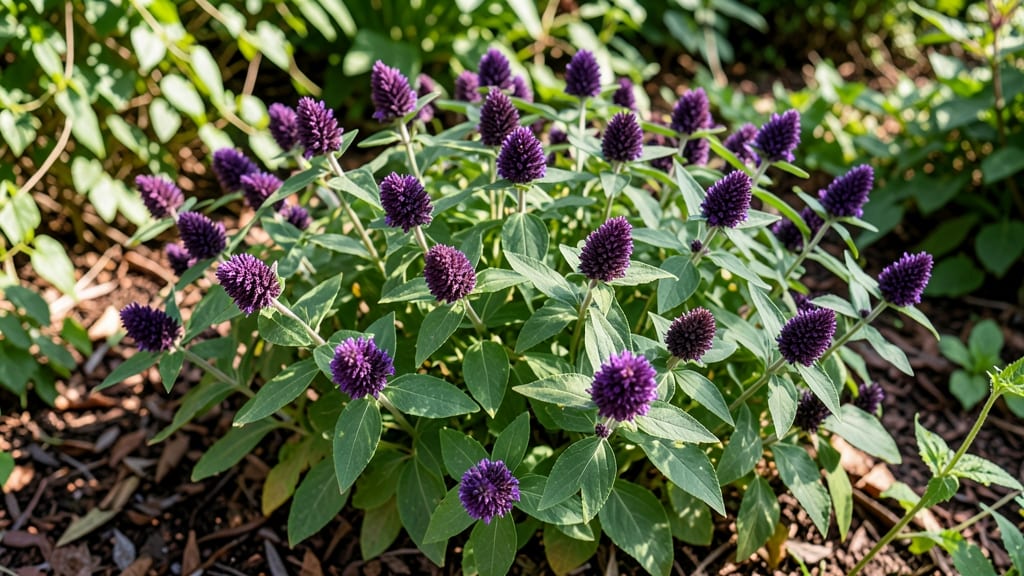
Buying guide: how to choose the right dark purple leaf shrub
1. Light Requirements 💡
Not all dark purple leaf shrubs thrive in the same conditions—light exposure is the #1 factor in selecting the right plant.
Some varieties, like the Purple Smoke Bush, prefer full sun to partial shade and deliver their richest color when exposed to at least 6 hours of sunlight daily.
Others, such as shade-tolerant options, can handle low-light conditions (e.g., under trees or north-facing walls) but may lose some vibrancy. Pro tip: If your garden has mixed lighting, opt for adaptable shrubs like the Dwarf Purple Leaf Japanese Maple, which thrives in both partial shade and full sun.
Always check the specific variety’s care guide—some deep purple foliage fades in deep shade, while others (like Heuchera 'Plum Pudding') actually prefer it!
2. Mature Size and Garden Layout ⚡
Measure twice, plant once! The mature size of your shrub determines its placement and long-term impact. A compact variety (e.g., 2-3 feet tall) is perfect for containers, small gardens, or tight borders, while larger shrubs (5-8 feet) make bold hedges, privacy screens, or focal points.
Counter-intuitively, smaller shrubs often require more frequent pruning to maintain their shape, while larger varieties may need less upkeep if planted correctly. Plan for 3-5 feet of clearance around each shrub for airflow and growth.
For example, the Purple Smoke Bush spreads 3-5 feet wide—ideal for hedges—but the Cold-Hardy Purple Shrub can reach 8 feet, making it better suited for spacious backyards.
3. Climate Hardiness and USDA Zones ✅
Your local climate dictates which shrubs will survive—and thrive—year-round. Always check the USDA hardiness zone (e.g., zones 5-9 for cold-hardy varieties) to ensure your shrub can handle winter lows.
For example, the Classic Essential shrub survives down to -20°F, making it ideal for northern climates, while deer-resistant premium choices may struggle in extreme cold. Zone mismatch = dead plant. If you’re in a transitional zone (e.g., zone 6-7), opt for adaptable varieties like the Purple Smoke Bush, which tolerates a wide range of temperatures.
For coastal or humid regions, prioritize disease-resistant shrubs to avoid fungal issues.
4. Maintenance Needs and Long-Term Care 🔍
Low-maintenance doesn’t mean no-maintenance.
Some dark purple shrubs, like the budget-friendly shade-tolerant option, require zero pruning and grow naturally bushy, while others (e.g., Japanese Maples) need annual pruning to maintain shape. Watering needs vary too: Drought-tolerant shrubs (like the Purple Smoke Bush) only need 1-2 waterings per week the first year, while others prefer consistent moisture.
Deer resistance is a bonus—premium glossy foliage shrubs naturally repel wildlife, saving you from fencing headaches. Pro move: Pair high-maintenance shrubs with low-maintenance companions (e.g., lavender or ornamental grasses) to balance your garden’s care requirements.
5. Aesthetic Pairings and Design Impact 🎨
Dark purple foliage pops against silver, gold, or green plants. For maximum drama, pair your shrub with: - Silver foliage (e.g., lamb’s ear or dusty miller) to create contrast. - White or yellow flowers (e.g., black-eyed Susans) for a striking combo. - Evergreen shrubs (e.g., boxwood) to add structure.
Avoid planting two dark purple shrubs together—they’ll compete for attention. Instead, use them as focal points, hedges, or container stars. For example, a premium deer-resistant shrub in a mixed border with golden sedum creates a luxurious, low-maintenance display.
Frequently asked questions
Q: Which dark purple leaf shrubs work best in full sun vs. shade?
The Purple Smoke Bush (BEST OVERALL) thrives in full sun to partial shade and delivers its richest burgundy color with at least 6 hours of sunlight daily. For shade-tolerant options, the budget-friendly shade-tolerant shrub (ranked #3) handles low-light conditions beautifully, though its foliage may appear slightly less vibrant. If your garden has mixed lighting, the Dwarf Purple Leaf Japanese Maple (BEST VALUE) adapts well to both partial shade and full sun, making it a versatile choice. Always check the care guide—some deep purple varieties fade in deep shade, while others (like Heuchera 'Plum Pudding') actually prefer it!
Q: How do I plant and care for a dark purple leaf shrub for long-term success?
Start by planting in early spring after the last frost, ensuring the hole is twice as wide as the root ball. Water deeply immediately after planting and mulch around the base to retain moisture. For drought-tolerant shrubs like the Purple Smoke Bush, water 1-2 times per week the first year, then reduce to monthly waterings once established. Most varieties prefer well-drained soil—amend heavy clay with compost if needed. Prune lightly in late winter to shape the shrub, avoiding heavy cuts that can stress the plant. For container-grown shrubs like the Dwarf Purple Leaf Japanese Maple, use a pot with drainage holes and repot every 2-3 years.
Q: Why are the leaves on my dark purple shrub turning yellow or brown?
Yellowing leaves often signal overwatering or poor drainage, while brown edges typically indicate underwatering or sunburn. If your shrub is in a container, check for root rot—ensure the pot has drainage holes and avoid letting it sit in standing water. For outdoor plants, adjust watering based on rainfall: most dark purple shrubs need 1 inch of water per week (including rain). Brown, crispy leaves on sun-exposed shrubs may mean they’re getting too much direct sunlight—try moving them to partial shade or providing afternoon shade. Finally, yellow leaves can also indicate nutrient deficiencies—apply a balanced fertilizer in early spring if growth appears weak.
Q: What’s the difference between the Purple Smoke Bush and the Deer-Resistant Glossy Shrub?
The Purple Smoke Bush (BEST OVERALL) is an evergreen with deep burgundy foliage that retains its color year-round, making it ideal for hedges or focal points. It’s drought-tolerant once established and grows to 4-6 feet tall, thriving in full sun to partial shade. In contrast, the Deer-Resistant Glossy Shrub (PREMIUM CHOICE) features velvety, near-black purple leaves with a glossy finish and is deer and rabbit resistant, perfect for high-traffic areas. It matures larger (5-7 feet tall) and has a more architectural shape, making it better suited for statement plants or privacy screens. Choose the Purple Smoke Bush for low-maintenance evergreen color or the Glossy Shrub for luxury foliage and wildlife resistance.
Q: Are dark purple leaf shrubs worth the investment for small gardens?
For small gardens, the Dwarf Purple Leaf Japanese Maple (BEST VALUE) is a budget-friendly powerhouse—it matures to just 2-3 feet tall in 2-3 years, making it perfect for containers, patios, or tight borders. Even the mid-range and premium options can work in small spaces if pruned regularly. The key is choosing a compact variety and pairing it with complementary plants like silver foliage or white flowers to maximize visual impact. For example, a 1-gallon potted shade-tolerant shrub (ranked #3) delivers near-black purple leaves with zero pruning required, offering instant drama for a fraction of the cost of larger shrubs.
Q: How long do dark purple leaf shrubs typically last, and when should I replace them?
With proper care, dark purple leaf shrubs can live for 10-15 years or longer, especially slow-growing varieties like the Classic Essential shrub, which is long-lived and cold-hardy. Signs it’s time to replace your shrub include persistent yellowing or browning despite proper care, stunted growth (indicating root or soil issues), or increased susceptibility to pests/diseases. If your shrub is struggling due to climate mismatches (e.g., extreme heat or cold), consider swapping it for a more adaptable variety suited to your USDA zone. Regular pruning and seasonal fertilization can extend its lifespan significantly.
Q: What’s a good budget alternative to the premium deer-resistant shrub?
If you love the Deer-Resistant Glossy Shrub’s luxurious foliage but want a more affordable option, the budget-friendly shade-tolerant shrub (ranked #3) is an excellent choice. While it lacks the deer resistance, it offers near-black purple leaves that contrast stunningly with green plants and requires no pruning. For a mid-range compromise, the Purple Smoke Bush (BEST OVERALL) provides year-round color and drought tolerance at a lower price point. If deer are a concern, consider adding natural deterrents like lavender or marigolds around your budget shrub to repel wildlife.
★★★★★4.9(5 reviews)