
Shrubs
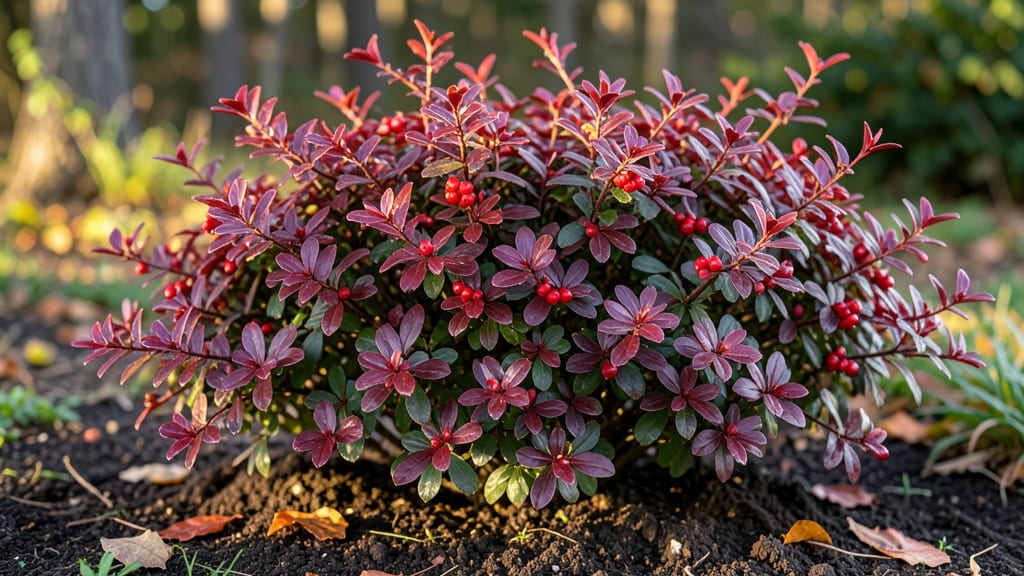
Your garden’s boldest statement starts with a dark red leaf bush—those deep, wine-colored foliage plants that steal the show all year. 🌿 I’ve grown Burford Holly, Cotoneaster, and Euonymus for years, and the secret to their year-round drama isn’t complicated: it’s pruning precision and the right growing conditions.
These shrubs thrive in partial shade, handle drought better than most, and their leaves stay vibrant even in winter.
Planting them in well-draining soil with a touch of compost sets them up for success—think of it as giving them a head start. Spacing matters too: leave 3-5 feet between plants for airflow, which keeps pests at bay and makes pruning easier later.
Most varieties handle full sun but may scorch in hot climates, so morning light with afternoon shade works best.
Pruning isn’t just about shaping—it’s about revitalizing. Cut back leggy growth in early spring, and thin out crowded branches in late winter to encourage fresh, dark foliage. A light feeding with balanced fertilizer in spring keeps them lush, and mulching retains moisture while protecting roots from temperature swings.
These bushes aren’t just for hedges—they’re the stars of borders, containers, or even as a dramatic focal point near patios. Their evergreen or semi-evergreen varieties add structure and color when other plants sleep through winter. Once established, they’re low-maintenance powerhouses that pay dividends in curb appeal and conversation starters.
📚 In This Guide
- What you need
- Instructions
- Tips and common mistakes
- Wrapping up and next steps
What you need
- ● Dark red leaf bush plants: 1–3 nursery-grown specimens (choose Cotinus coggygria ‘Royal Purple’ or similar varieties for deep burgundy hues).
- ● Well-draining soil: 5–10 bags of garden loam mixed with compost (1 part compost to 3 parts soil).
- ● Organic mulch: 2–3 cubic feet of pine bark or shredded leaves to retain moisture and suppress weeds.
- ● Fertilizer: 1–2 lbs of balanced 10-10-10 granular fertilizer or slow-release organic pellets.
- ● Pruning tools: 1 pair bypass pruners (for clean cuts).
- ● 1 loppers (for thicker branches).
- ○ 1 hand saw (optional, for stubborn stems).
- ● Watering supplies: 1 hose with adjustable nozzle or watering can (5-gallon capacity).
- ○ 1 soaker hose (optional, for deep root hydration).
- ● Support (if needed): 1–2 stakes or small trellis (for young, top-heavy plants).
- ● Soil amendments: 1 bag of perlite or vermiculite to improve drainage in heavy clay soil.
- ● Plant food: 1 bottle of liquid seaweed fertilizer for a nutrient boost during growing season.
- ● Protective netting: 1 roll of fine mesh netting to shield from pests like spider mites.
- ● Garden gloves: 1 pair nitrile-coated gloves for comfortable handling of thorny stems.
- ● Pruning sealant: 1 small tube of tree wound sealant (for large cuts to prevent disease).
Step-by-step instructions for cultivating a striking dark red leaf bush
Here’s the method I’ve refined over seasons to keep your dark red leaf bush vibrant year-round.
🌱 Step 1: Select the Right Location and Soil
Dark red leaf bushes thrive in partial shade to full sun, but the deeper the red hue, the more shade they’ll appreciate. I always choose a spot with morning sun and afternoon shade—this prevents leaf scorch while maintaining color intensity. The soil should drain well but retain moisture; amending with compost improves both texture and fertility.
Test your soil’s pH—these bushes prefer 5.0 to 6.5. If your soil is alkaline, add sulfur to lower the pH gradually. Avoid heavy clay or sandy soil; instead, blend in 2-3 inches of organic matter like leaf mold or well-rotted compost. The goal is loose, crumbly soil that roots can easily penetrate.
☀️ Step 2: Plant at the Correct Depth and Spacing
Dig a hole twice as wide as the root ball but no deeper—planting too low suffocates roots and invites rot. Gently remove the bush from its container and loosen any circling roots with your fingers. Place it in the hole so the top of the root ball sits 1 inch above soil level; this prevents water from pooling at the base.
Space bushes 3-5 feet apart depending on the variety. Crowding leads to weak growth and poor air circulation, which encourages fungal diseases. Backfill the hole with native soil mixed with compost, tamping lightly to remove air pockets. Water deeply right after planting to settle the soil and eliminate gaps.
💧 Step 3: Water Deeply and Establish a Routine
Water once a week for the first month, delivering 1-1.5 gallons per plant to encourage deep root growth. Let the top 2-3 inches of soil dry out between waterings—this prevents shallow roots that make the bush vulnerable to drought stress. Over time, you’ll notice the leaves stay a rich, deep red instead of fading to green.
Mulch with 2-3 inches of wood chips or shredded bark to retain moisture and regulate soil temperature. Keep mulch 3 inches away from the stem to avoid rot. In hot climates, mulch also protects roots from extreme heat, while in cooler areas, it insulates against frost. Adjust watering based on seasonal changes—less in winter, more in peak summer.
✂️ Step 4: Prune for Shape and Health Year-Round
Prune in early spring and late fall to shape the bush and encourage dense foliage. Use clean, sharp pruners to make cuts just above a leaf node or bud. Remove any dead, diseased, or crossing branches first—this improves airflow and reduces pests. For a fuller look, trim back 1/3 of the oldest growth each year.
Here’s the thing—I never prune more than 25% of the bush at once. This prevents shock and keeps the plant strong. If you see leggy growth, it’s a sign of insufficient light or over-pruning. After pruning, fertilize lightly with a balanced, slow-release fertilizer to support new growth. The result? A bush that stays lush, compact, and vibrant all season.
🌿 Step 5: Monitor for Pests and Adjust Care
Watch for spider mites or aphids, which thrive on stressed plants. I treat early infestations with a strong spray of water or insecticidal soap. If leaves start yellowing, check for overwatering or poor drainage. Dark red leaf bushes are generally low-maintenance, but they’ll reward you with deeper color when given consistent care.
In winter, reduce watering but keep the soil slightly moist. If your region gets heavy frost, protect the bush with a layer of mulch or burlap wrap. With the right balance of sun, water, and pruning, your dark red leaf bush will stay a showstopper for years. The key is consistency—don’t let it dry out, and keep it pruned.
Tips & tricks for cultivating a vibrant dark red leaf bush
These refined techniques will help you maintain that stunning deep red foliage all year long—without the guesswork.
Soil Preparation Secret: Before planting, mix 2-3 inches of compost directly into the bottom of your planting hole. This creates a nutrient-rich zone right where roots will establish first. For alkaline soils, test your pH before planting—if it's above 6.5, work in sulfur granules (about 1 pound per 100 square feet) 2-3 months ahead of time. The goal is to get that pH between 5.0-6.5 before your bush goes in.
Planting Depth Cue: When positioning your bush in the hole, the top of the root ball should sit 1 inch above soil level. This might seem counterintuitive, but it prevents water from pooling around the stem during irrigation. I've seen many gardeners plant too deep, which leads to root suffocation and fungal issues. After planting, gently firm the soil around the roots to eliminate air pockets, but don't compact it like you would for vegetables.
Watering Routine Hack: The 1-1.5 gallons per plant recommendation in Step 3 is designed to encourage deep root growth. Instead of watering lightly every few days, use a soaker hose or drip irrigation to deliver this amount slowly over 30-45 minutes. This mimics natural rainfall patterns and prevents shallow root development. In summer, you might need to water twice weekly, but always let the top 2-3 inches of soil dry out between sessions to avoid waterlogged roots.
Pruning Precision: When trimming back 1/3 of the oldest growth annually, focus on branches that are thinner and less vibrant. These are the ones that have already contributed their maximum color and structure. Always make cuts just above a leaf node or bud—this ensures new growth will emerge from the right spot. I keep my pruners clean with rubbing alcohol between cuts to prevent spreading any potential diseases from one branch to another.
Pro Tips for Dark Red Leaf Bush
- These refined techniques will help you maintain that stunning deep red foliage all year long—without the guesswork.
- Soil Preparation Secret: Before planting, mix 2-3 inches of compost directly into the bottom of your planting hole.
- Planting Depth Cue: When positioning your bush in the hole, the top of the root ball should sit 1 inch above soil level.
Frequently asked questions
Got questions about keeping your dark red leaf bush thriving? Here are answers to the most common ones—so you can enjoy its bold foliage all year long!
What’s the best time to prune my dark red leaf bush for maximum vibrancy?
Prune your bush late winter or early spring (before new growth starts) to encourage fresh, vibrant foliage. Avoid heavy pruning in fall—it can stress the plant before winter. Light shaping in summer is fine, but skip heavy cuts then.
How do I protect my dark red leaf bush in winter?
Most dark red leaf bushes (like Cotinus coggygria) are hardy, but young plants or harsh climates may need help. Mulch the base with 2–3 inches of organic mulch to insulate roots. Avoid wrapping unless temps drop below -20°F—then use burlap to shield from wind.
Why are my leaves turning brown or yellow? Troubleshooting tips.
Brown/yellow leaves often signal overwatering (check soil—it should be damp but not soggy) or pests (like spider mites). Prune affected branches, water deeply but infrequently, and spray neem oil if pests are present. Underwatering can also cause leaf drop—keep soil consistently moist.
Are there similar bushes with dark red foliage for shade-tolerant gardens?
Yes! Try Euonymus alatus ‘Compactus’ (burning bush) or Cornus sericea ‘Cardinal’ (red-twig dogwood) for shade-friendly reds. Ilex verticillata ‘Red Sprite’ (winterberry) also offers year-round interest. All three thrive in partial shade and handle pruning well.
Can I shape my dark red leaf bush into a hedge or topiary?
These bushes respond well to structured pruning. Use sharp shears to trim evenly, and train branches with stakes for topiary shapes. Prune just after flowering (if applicable) to avoid sacrificing blooms. For hedges, space plants 3–4 feet apart and prune 2–3 times yearly.
Wrapping up and next steps
Transforming your outdoor space with a dark red leaf bush is a rewarding journey that blends beauty and care. With the right soil, sunlight, and pruning techniques, you’ll enjoy its stunning foliage year-round—adding a bold, vibrant touch to any garden. 🌿✨
Now that you’re armed with expert tips, take the next step: schedule your first pruning session and watch your bush thrive! Whether you’re a seasoned gardener or just starting, every trim brings you closer to a lush, eye-catching landscape. Happy growing!