
Planting
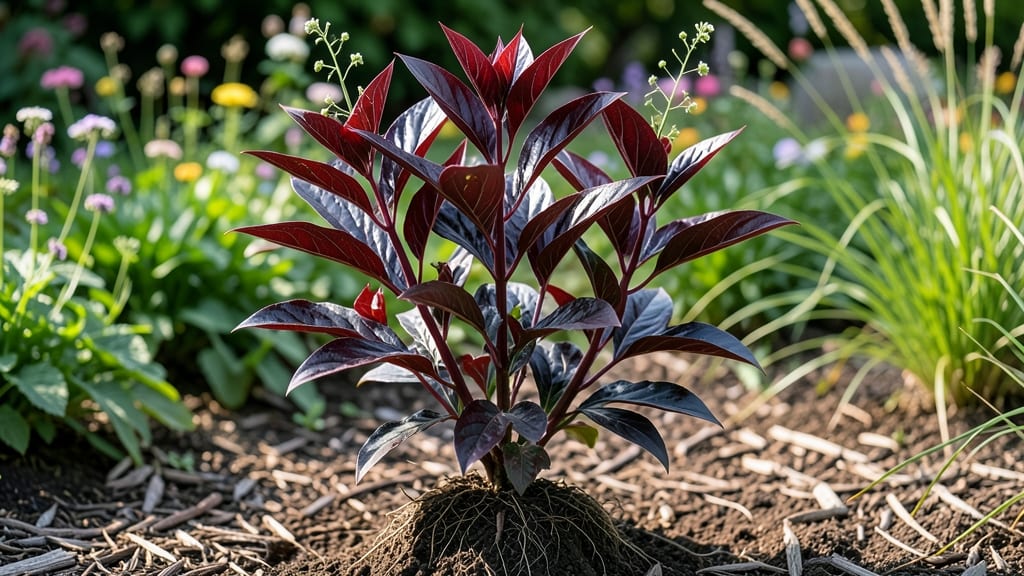
That dark red leaf plant identification is one of gardening’s most classic statements—whether it’s the bold foliage of a Coleus or the delicate lace of a Heuchera. 🌿 The trick to spotting it lies in the leaf’s texture, shape, and whether it’s a tender annual or a hardy perennial that thrives in your zone.
Start with Coleus—its broad, slightly fuzzy leaves burnish from chartreuse to dark ruby with the right light. Heuchera, or coral bells, offers jewel-toned leaves that stay compact, while Japanese Maple delivers fine, maple-shaped foliage that turns fiery in fall.
Each has its own quirks: Coleus loves humidity, Heuchera thrives in shade, and Japanese Maple needs winter protection in colder climates.
The real magic happens when you match the plant to your space. A Coleus can transform a shady corner into a tropical vibe, while Heuchera adds texture to borders. Just watch for pests—Coleus attracts spider mites, and Heuchera can rot if overwatered. A quick leaf inspection reveals their secrets.
For the ultimate showstopper, pair these plants with silver foliage or variegated companions. The contrast makes the red leaves pop even more. And here’s the best part: most of these are beginner-friendly, with minimal fuss once established. Now go find that perfect leaf!
Root Causes Behind Reddish Leaves
If your plant’s leaves are turning a striking dark red instead of their usual vibrant green, don’t panic—it’s often a sign of stress or a natural response to environmental cues. But why does this happen?
The culprit usually lies in one (or more) of these key factors. Understanding the science behind each will help you diagnose and fix the issue before it’s too late.
Plants are sensitive to extreme temperatures, and dark red leaves often signal heat or cold shock. When temperatures spike or plummet beyond a plant’s comfort zone, chlorophyll production slows down, revealing the red anthocyanin pigments underneath.
- Heat Stress: Intense sunlight (especially in summer) can scorch leaves, causing them to darken. Succulents and tropical plants are particularly vulnerable.
- Cold Stress: Frost or sudden temperature drops (below 50°F/10°C for most plants) can trigger reddening as the plant conserves energy.
Actionable Fix: Monitor your plant’s environment—move it to partial shade during heatwaves or protect it with frost cloth in winter. Most houseplants thrive between 60–75°F (15–24°C).
Water plays a crucial role in chlorophyll synthesis. When a plant is overwatered or underwatered, it can’t process nutrients efficiently, leading to reddened leaves as a distress signal.
- Overwatering: Soggy roots suffocate the plant, preventing nutrient uptake. Dark red patches often appear on lower leaves first.
- Underwatering: Drought stress forces the plant to shut down non-essential functions, causing leaves to curl and darken.
Actionable Fix:
- Check soil moisture—stick your finger 1–2 inches deep. If dry, water thoroughly; if soggy, let it dry out before watering again.
- Use well-draining soil and pots with drainage holes to prevent root rot.
Light is the energy source for photosynthesis, and improper exposure can disrupt this process. While some plants (like Coleus or Begonias) naturally develop red leaves in bright light, others turn dark red as a warning sign.
- Excessive Sunlight: Direct sun can bleach chlorophyll, leaving red pigments exposed. This is common in Rubus (raspberry) plants or Ficus species.
- Insufficient Light: Etoliation (stretching toward light) can cause leaves to darken as the plant struggles to produce enough energy.
Actionable Fix:
- Gradually acclimate plants to brighter or dimmer conditions to avoid shock.
- Rotate the plant weekly for even light exposure.
Dark red leaves can also indicate a lack of essential nutrients. While yellowing (chlorosis) usually signals nitrogen deficiency, reddening often points to phosphorus or magnesium shortages, which disrupt chlorophyll production.
| Nutrient | Role | Signs of Deficiency |
|---|---|---|
| Phosphorus (P) | Energy transfer, root growth | Dark red or purple leaves, especially on undersides |
| Magnesium (Mg) | Chlorophyll production | Red veins with yellowing between them (interveinal chlorosis) |
| Potassium (K) | Water regulation, disease resistance | Red edges or tips, weak stems |
Actionable Fix: Conduct a soil test and amend with:
- Bone meal (for phosphorus)
- Epsom salt (for magnesium)
- Banana peel tea or wood ash (potassium)
Some pests (like spider mites or aphids) and diseases (e.g., root rot) weaken plants, causing leaves to turn dark red as a last-ditch survival mechanism. Check the undersides of leaves and stems for signs of infestation.
Actionable Fix:
- Isolate the plant and inspect for pests (webbing, tiny bugs, or sticky residue).
- Use neem oil or insecticidal soap for mild infestations.
- For fungal issues, improve airflow and avoid overhead watering.
Not all red leaves are a cause for concern! Some plants (like Japanese Maple or Red Leaf Lettuce) develop dark red hues as they mature or enter dormancy. This is a normal part of their life cycle.
Actionable Fix: If the plant is otherwise healthy (no wilting, pests, or stunted growth), embrace the change—it might just be seasonal beauty!
Quick Fixes for Reddened Leaves
Dark red leaves on your plant can be a sign of stress, but the good news is that most issues are fixable with the right care. Below, we’ve mapped common causes to practical solutions—plus prevention tips to keep your plant thriving. Let’s get your greenery back to its vibrant best!
Fix: Adjust your watering habits and improve drainage.
- 🔥 Step 1: Check the Soil – Stick your finger 1–2 inches into the soil. If it’s soggy, your plant is overwatered. Let it dry out before watering again.
- 🍳 Step 2: Repot if Needed – If the pot lacks drainage holes, transfer your plant to one with them. Add a layer of perlite or gravel to the bottom for better airflow.
- 👨🍳 Step 3: Water Less Frequently – Most plants prefer slightly dry soil between waterings. Adjust based on your plant type (e.g., succulents need less than ferns).
💡 Prevention Tip: Use a moisture meter or the "finger test" to avoid guesswork. Terra cotta pots dry out faster than plastic, so adjust accordingly.
Fix: Move your plant to a gentler spot and protect it from extreme heat.
- 🔪 Step 1: Relocate Immediately – Shift your plant to a location with bright, indirect light (east or north-facing windows are ideal).
- ⏰ Step 2: Provide Shade – Use a sheer curtain or move it a few feet away from the window if direct sun is unavoidable.
- 🌡️ Step 3: Mist Leaves (If Needed) – For tropical plants, lightly misting leaves can help cool them down. Avoid soggy leaves, though!
🎯 Prevention Tip: If you’re growing outdoors, acclimate plants gradually to full sun by slowly increasing exposure over 1–2 weeks.
Fix: Stabilize the environment to match your plant’s needs.
- 🔥 Step 1: Check Ideal Conditions – Most houseplants thrive in 60–75°F (15–24°C) and 40–60% humidity. Use a thermometer/hygrometer if unsure.
- 🍳 Step 2: Adjust Humidity –
- Low humidity? Place the pot on a tray of pebbles with water (ensure the pot isn’t sitting in water).
- High humidity? Improve airflow with a small fan or open a window.
- 👨🍳 Step 3: Avoid Drafts – Keep plants away from AC vents, heaters, or cold windows in winter.
✨ Prevention Tip: Group plants together to create a microclimate with more stable humidity. A humidifier near your plant collection can also help!
Fix: Balance soil nutrients and adjust feeding schedules.
- 🔥 Step 1: Flush the Soil – If you suspect over-fertilizing, water the plant thoroughly to leach out excess salts. Repeat 2–3 times over a week.
- 🍳 Step 2: Test Soil pH – Use a soil test kit to check if pH is too high (alkaline) or low (acidic). Most plants prefer 6.0–7.0 pH. Adjust with lime (to raise pH) or sulfur (to lower it).
- 👨🍳 Step 3: Fertilize Correctly –
- Underfed? Use a balanced liquid fertilizer (10-10-10 or 20-20-20) diluted to half-strength every 4–6 weeks in growing season.
- Overfed? Skip fertilizer for 2–3 months and water generously.
💡 Prevention Tip: Follow the "less is more" rule—plants absorb nutrients slowly. Always water before fertilizing to prevent root burn.
Fix: Identify the culprit and treat it promptly.
- 🔥 Step 1: Inspect Leaves – Look for spider mites, aphids, or fungal spots. Isolate the plant if pests are present.
- 🍳 Step 2: Treat Pests –
- Soft-bodied pests (aphids, mealybugs): Wipe leaves with soapy water (1 tsp mild dish soap + 1 quart water) or use neem oil spray.
- Spider mites: Spray with water to dislodge them, then apply neem oil weekly.
- 👨🍳 Step 3: Address Fungal Issues –
- Powdery mildew? Improve airflow and spray with baking soda solution (1 tsp baking soda + 1 quart water + a drop of soap).
- Root rot? Trim affected roots, repot in fresh soil, and avoid overwatering.
🎯 Prevention Tip: Quarantine new plants for 2–4 weeks before introducing them to your collection. Healthy plants resist pests better!
📊 Pro Tip: Keep a plant care journal to track watering, light, and fertilizer schedules. This helps you spot patterns and prevent future issues!
Frequently asked questions
What are the most common plants with naturally dark red leaves?
Top contenders include Coleus (bold, fuzzy leaves), Heuchera (compact coral bells), Japanese Maple (delicate autumn foliage), and Red Leaf Lettuce (edible garden staple). Each thrives in different conditions—Coleus loves humidity, while Heuchera prefers shade.
How can I tell if my plant’s red leaves are healthy or a problem?
Healthy red leaves belong to mature plants like Japanese Maple or Heuchera. Problematic red appears suddenly with wilting, spots, or pests. Check leaf edges—crispy edges signal underwatering, while yellow patches may mean nutrient issues.
Are dark red leaf plants toxic to pets?
Some are! Coleus and Heuchera are generally safe, but Japanese Maple seeds contain cyanide. Always research before planting—pet-safe alternatives include Caladium (elephant ear) or Begonia varieties.
Can I propagate plants with dark red leaves?
Coleus and Heuchera root easily from stem cuttings in water or soil. For Japanese Maple, layering works best. Use sharp scissors, let cuttings dry for 1 hour, then plant in moist soil. Keep humidity high until roots form (2-4 weeks).
Why do some red leaf plants lose their color in winter?
Many Coleus and Begonias are tropical annuals—their vibrant red fades in cooler months. For perennials like Heuchera, this is normal dormancy. Move potted plants indoors near bright windows to preserve color longer.