
Diseases
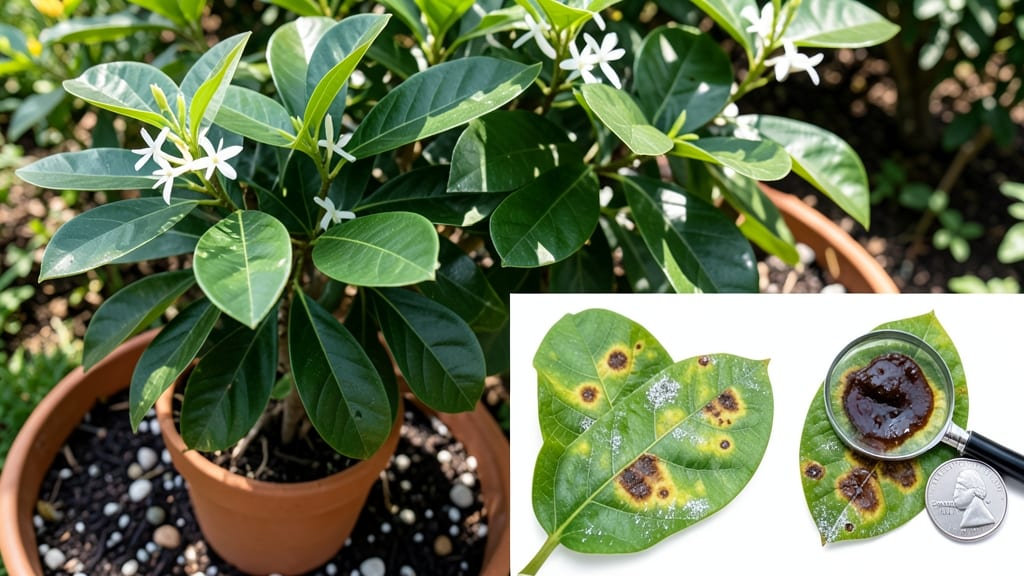
The diseases of the curry leaf plant strike fast when humidity and poor airflow team up against them. 🌿 I’ve seen healthy plants turn spotty overnight—until I learned the fast fixes that stop the spread in its tracks. The key is catching these diseases early, before they turn your kitchen staple into a sad, yellowing mess.
Most problems start with powdery mildew (white fuzz) or leaf spot (brown patches), both thriving in damp conditions. My plants stayed healthy after I swapped overhead watering for a gentle hose at the base and added a few inches of space between them.
Pruning crowded branches cut off fungal highways overnight.
You’ll fix it fast with a mix of neem oil spray (1 tbsp per quart of water) and copper fungicide for stubborn cases. Spray undersides of leaves where spores hide, and repeat every 7-10 days until new growth appears.
The first sign of recovery? Fresh green leaves pushing through the old spots.
Prevention is easier than curing—just airflow, airflow, airflow. A small fan on low near the plant mimics natural wind, and mulching keeps roots from sitting in soggy soil. Once you spot these early warning signs, you’ll save your curry leaves before they’re history.
Root Causes Behind Plant Stress
Curry leaf plants (Murraya koenigii) are hardy but not invincible—just like us, they fall ill when their environment or care tips the balance. Understanding why these diseases strike is half the battle. Let’s break down the key culprits, from sneaky pathogens to care mistakes that invite trouble.
Fungi thrive in warm, humid conditions, and curry leaf plants are prime targets. Here’s how they exploit weaknesses:
- 🍄 Anthracnose (Colletotrichum spp.)
- Actionable trigger: Prolonged leaf wetness (e.g., rain + no shade) or high humidity (>80%) without ventilation.
Some diseases hitch a ride on pests. Here’s how insects turn your curry leaf plant into a buffet:
- 🐜 Scale Insects and Mealybugs
- Why they matter: These sap-sucking pests weaken the plant by draining nutrients, making it vulnerable to secondary fungal infections. Their sticky residue ("honeydew") also attracts sooty mold—a black, crusty fungus that smothers leaves.
- Actionable trigger: Drought stress (plants under water stress attract more pests) or lack of natural predators (e.g., ladybugs, lacewings).
- 🦟 Whiteflies
- Actionable trigger: Overhead watering (keeps adults and nymphs hydrated) or plastic mulch (traps heat and humidity).
Curry leaf plants are tropical but still need balance. Push the extremes, and diseases move in:
- 💦 Overwatering or Poor Drainage
- Why it causes rot: Curry leaves hate soggy roots. Waterlogged soil cuts off oxygen, inviting root rot (Phytophthora spp.) and stem canker. Symptoms? Yellowing leaves, mushy stems, and a musty smell from the soil.
- Actionable trigger: Clay-heavy soil (no drainage) or watering on a schedule (ignore the plant’s thirst signals).
- 🌡️ Temperature Extremes
- Actionable trigger: Sudden cold snaps (e.g., moving potted plants outside too early) or lack of shade in hot climates.
- Why it’s deadly: Stagnant air traps humidity and fungal spores. In greenhouses or dense plantings, relative humidity stays high even when it’s not raining, giving fungi a 24/7 party to spread.
- Actionable trigger: No pruning (overgrown branches block airflow) or closed greenhouses without ventilation.
💡 Pro Tip: Most curry leaf diseases start with one of these three factors: water, stress, or crowding. Fix these, and you’ve already cut 80% of the risk! Next up: how to spot these issues before they spiral.
How to Fix Curry Leaf Woes
Reviving your curry leaf plant starts with quick action—whether it’s fungal spots, wilting, or stunted growth. Below are practical, step-by-step solutions tailored to each common issue, plus prevention tips to keep your plant thriving. No green thumb? No problem—these fixes are beginner-friendly!
🔥 Cause: Overwatering, poor airflow, or high humidity. 👨🍳 Fix:
- Prune infected leaves 🔪—Use sterilized scissors to cut off yellow/brown spots and a ½-inch of healthy tissue around them. Dispose of them in a sealed bin (not compost).
- Apply neem oil spray 🌿—Mix 1 tsp neem oil + 1 tsp mild soap + 1 quart water. Spray early morning (avoid direct sun) every 5–7 days for 2–3 weeks.
- Boost airflow ⚡—Space plants 12–18 inches apart or use a small fan (set to low) near the plant for 2–3 hours daily.
- Adjust watering 💧—Let soil dry 2–3 inches deep before watering again. Use pots with drainage holes!
✨ Prevention Tip: Water at the base (not leaves) and avoid overhead sprinklers.
🌡️ Cause: Poor soil, over/under-fertilizing, or pests. 💡 Fix:
- Test your soil 📊—Use a DIY pH test kit (target 6.0–7.0). If acidic, mix in lime; if alkaline, add sulfur.
- Fertilize right 🌱—Use a balanced 10-10-10 fertilizer (or compost tea) once a month during growing season (spring–fall). Skip in winter!
- Flush the soil 🚿—If salt buildup is suspected, water the plant heavily for 10 minutes to leach excess salts.
- Check for pests 🐜—Inspect undersides of leaves for aphids or mites. Spray with soapy water (1 tbsp mild soap + 1 quart water) if needed.
🎯 Pro Tip: Yellow edges = too much salt; yellow between veins = nitrogen deficiency.
💦 Cause: Underwatering, root rot, or heat stress. 👨🍳 Fix:
- Check the roots 🌱—Gently remove the plant from its pot. If roots are black/mushy, it’s root rot (overwatering). Trim rotten roots and repot in fresh, dry soil.
- Adjust watering 💧—Curry leaves hate soggy soil! Water only when the top 1–2 inches are dry. Use a moisture meter for accuracy.
- Move to shade ☀️—If leaves are crispy or brown, it’s heat stress. Relocate to partial shade (4–6 hours of morning sun max).
- Mist lightly 🌧️—In dry climates, mist leaves daily (early morning) to boost humidity.
🔥 Emergency Fix: Place the pot in a tray of water for 10 minutes (only if soil is bone-dry).
🕷️ Cause: Weak plants, poor hygiene, or outdoor exposure. 🛡️ Fix:
- Isolate the plant 🚫—Keep it away from others to prevent spread.
- Blast pests off 💨—Spray with water (forceful stream) to knock off aphids/mealybugs.
- Neem oil or insecticidal soap 🍃—Apply neem oil spray (recipe above) every 3 days for 2 weeks.
- Introduce beneficial insects 🐞—Release ladybugs or lacewings (available at garden centers) to eat pests naturally.
💡 Prevention Tip: Wipe leaves with a damp cloth weekly to remove eggs.
- Repot if needed 🏺—If roots are circling or soil is depleted, move to a slightly larger pot with fresh well-draining soil (mix garden soil + perlite).
- Trim for airflow ⚡—Remove crowded or dead leaves to improve circulation.
- Rotate the pot 🌀—Every 2 weeks to ensure even sunlight exposure.
⏰ Timeframe: Most issues improve in 2–4 weeks with consistent care. If symptoms persist, your plant may need more drastic measures (like replacing soil or repotting entirely).
🌟 Remember: Curry leaf plants are tough—with the right fixes, they’ll bounce back faster than you think!
Frequently asked questions
What are the first signs my curry leaf plant has a fungal disease?
Watch for white powdery coatings (powdery mildew) or dark brown/black spots with yellow halos (leaf spot). Early signs also include stunted growth or leaves curling at the edges. Check leaf undersides—fungal spores often hide there first.
Can I save my curry leaf plant if it has root rot?
Yes, but act fast! Remove the plant, trim all black/mushy roots with sterilized scissors, and repot in fresh, well-draining soil (mix garden soil + perlite). Water lightly only when the top 1-2 inches of soil are dry. Keep it in bright, indirect light for 2-3 weeks to recover.
How often should I spray neem oil on my curry leaf plant?
Apply neem oil every 5-7 days for 2-3 weeks to treat fungal diseases. Mix 1 tsp neem oil + 1 tsp mild soap + 1 quart water, and spray early morning (avoid direct sun). For prevention, reduce to once a month during humid seasons.
Why do my curry leaves turn yellow even when I water them regularly?
Yellowing leaves often signal overwatering (check for soggy soil) or nutrient deficiency. Test soil pH (aim for 6.0-7.0) and fertilize with a balanced 10-10-10 formula monthly. Yellow edges = excess salt; yellow between veins = nitrogen deficiency. Flush soil with water if salt buildup is suspected.
Can I use chemical fungicides on my curry leaf plant?
Yes, but organic options work just as well! For stubborn fungal issues, try copper fungicide (follow label instructions) or baking soda spray (1 tsp baking soda + 1 quart water + few drops of soap). Avoid harsh chemicals—curry leaves are sensitive to residues that may harm future harvests.