
Planting
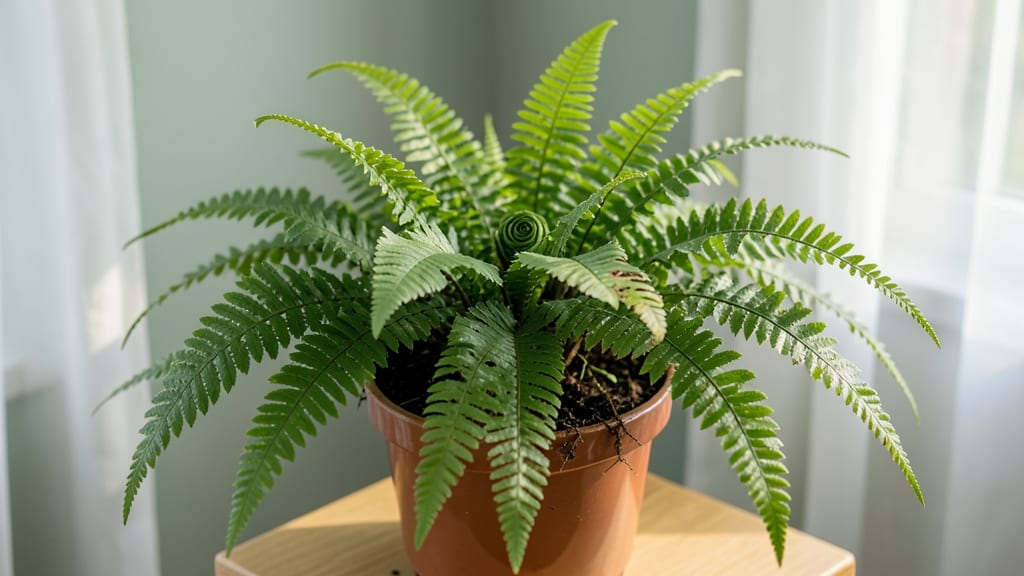
Mastering five-leaf plant identification can save you from rashes, ruined gardens, and costly mistakes. 🌿 That classic "five-fingered" leaf pattern shows up in everything from poison ivy to prized ferns—but one wrong cut could mean months of itching or a dead plant.
The secret lies in how those leaves grow, their edges, and what's underneath.
Start with the stem: poison ivy's leaves grow in clusters of three (not five), but its vine often sports five-leaf groupings. Boston ferns have delicate, five-lobed fronds that unfurl like lace, while ivy's leaves are glossy and grow in spirals.
Touch matters too—some have smooth edges, others jagged or serrated, and that's your first clue about care or danger.
You'll instantly recognize the difference between a harmless houseplant and a toxic intruder. That five-leaf shape can mean lush foliage for your garden or an emergency room visit.
The key is noticing the details most people miss—the leaf's underside, how it attaches to the stem, and whether it grows on a vine or a bush.
This skill transforms gardening from guesswork to confidence. You'll prune with purpose, spot invasive species early, and even identify rare ornamental varieties. Once you see the patterns, they stick—like recognizing a face in a crowd. Let's start with the most common five-leaf plants and their telltale traits.
Understanding Leaf Shape Mysteries
Identifying plants by their leaf shapes—especially those with five distinct lobes or leaves—can feel like solving a botanical puzzle. But why do these patterns form in the first place?
The answer lies in a mix of evolutionary advantages, environmental pressures, and plant biology. Let’s break down the key reasons behind these striking leaf structures.
Nature favors efficiency, and five-leaf patterns often emerge as a result of plants optimizing their survival tactics. Here’s how:
- Maximized Sunlight Capture: Plants with compound leaves (like the five-leaf clover or Oxalis species) split light absorption across multiple leaflets. This allows them to thrive in shaded or dense forests where direct sunlight is scarce. Each leaflet acts like a tiny solar panel, ensuring the plant doesn’t miss a ray of light.
- Reduced Water Loss: Some five-leaf structures (e.g., Trifolium or shamrock varieties) have thicker, waxy surfaces that minimize evaporation. The segmented design also creates microclimates, trapping moisture near the stem.
- Defense Against Herbivores: The odd number of leaves (like five) can confuse grazing animals, making it harder for them to eat the entire plant. Even if one leaflet is nibbled, the others remain intact, giving the plant a fighting chance to regenerate.
Pro Tip: 🌡️ If you’re growing a five-leaf plant in a dry climate, look for varieties with silvery undersides—this is a natural adaptation to retain moisture!
Not all plants have five leaves—so why does this number appear so frequently? The answer traces back to genetic programming and developmental biology:
- Meristem Growth Patterns: The apical meristem (growth tip) of many plants follows a phyllotactic spiral, where leaves emerge in a mathematically predictable pattern. In some species, this results in five primary leaflets due to hormonal signals (like auxin) that dictate branching.
- Polyploidy and Hybridization: Some five-leaf plants (like Potentilla or Geum) are hybrids or polyploids, meaning they inherited multiple sets of chromosomes. This genetic mixing can stabilize five-leaf structures as a dominant trait.
- Symmetry in Reproduction: Flowers and leaves often share developmental pathways. A five-leaf arrangement can align with floral symmetry, making pollinators more likely to visit (think of the five-petaled rose or five-sepal structure in many plants).
Fun Fact: ✨ The five-leaf clover (Oxalis) gets its shape from a palmate venation pattern, where all leaflets radiate from a single point—like fingers on a hand!
Sometimes, a plant’s leaf count isn’t hardwired—it adapts in response to conditions. Here’s how environment plays a role:
| Factor | Effect on Leaf Structure | Example Plants |
|---|---|---|
| Light Intensity | Low light can cause fewer, larger leaflets to maximize light absorption. High light may lead to more segmented leaves for shade avoidance. | Oxalis, Trifolium |
| Soil Nutrients | Nitrogen-rich soil may produce broader, fewer leaflets, while phosphorus deficiency can lead to smaller, more numerous segments. | Potentilla, Geum |
| Temperature | Cooler climates often favor thicker, lobed leaves (like maple or horse chestnut), while tropical five-leaf plants (e.g., Desmodium) stay delicate and divided. | Acer (maple), Hippocastanum |
Grower Alert: 💡 If your five-leaf plant’s segments are yellowing or curling, it may be a sign of nutrient imbalance—try a balanced fertilizer to encourage healthy leaf development!
By understanding these biological and environmental triggers, you’ll not only recognize five-leaf plants more easily but also care for them like a pro. Next up: how to use these leaf secrets to identify specific species with confidence!
Quick Fixes for Common Five-Leaf Plant Woes
Got a five-leafed friend (like a Pothos, Philodendron, or Monstera) that’s throwing red flags? Don’t panic! Most issues have simple, actionable solutions—whether it’s yellowing leaves, pests, or slow growth.
Below, we’ve mapped the most common problems to practical fixes, plus prevention tips to keep your plant thriving long-term.
Cause: The #1 killer of five-leaf plants is inconsistent moisture. Too much water = root rot; too little = crispy leaves. Fix:
- 🔥 Check the soil first: Stick your finger 1-2 inches deep—if it’s soggy, hold off on watering. If dry, it’s time to hydrate.
- ⏰ Adjust your watering schedule: Water only when the top 50% of soil is dry (usually every 1-2 weeks, depending on light).
- 🌡️ Drainage matters: Ensure pots have holes and use a well-draining mix (add perlite or orchid bark if needed).
- 💦 Bottom-watering hack: Place the pot in a tray of water for 10-15 mins to avoid over-saturating the roots.
💡 Prevention Tip: Group plants together—humidity from their breath helps regulate moisture!
Cause: These critters love the sap of five-leaf plants (especially Pothos and Philodendron). Early detection = easier removal. Fix:
- 🔪 Manual removal (for small infestations):
- Spiders: Wipe leaves with a soapy water cloth (1 tsp mild dish soap + 1 cup water).
- Mealybugs/Scale: Scrape off with a soft toothbrush dipped in rubbing alcohol (70% isopropyl).
- 🌿 Natural sprays (for bigger problems):
- Neem oil mix: 1 tsp neem oil + 1 tsp mild soap + 1 quart water. Spray every 7 days for 2 weeks.
- Insecticidal soap: Follow label instructions—reapply every 5-7 days.
- 🛡️ Quarantine new plants: Keep them separate for 2 weeks before introducing to your collection.
💡 Prevention Tip: Inspect leaves weekly under bright light—pests hide on the undersides!
Cause: Five-leaf plants (like Monstera deliciosa) stretch toward light, turning long and weak if deprived. Fix:
- 🔥 Move to brighter indirect light: Near an east or north-facing window is ideal. Avoid direct sun (can scorch leaves).
- 💡 Supplement with grow lights: A full-spectrum LED (12-14 hrs/day) works wonders for indoor setups.
- 🍃 Rotate the pot: Every 2-4 weeks, turn it 90 degrees so all sides get even light.
- 🌿 Prune leggy vines: Cut back overgrown stems to encourage bushier growth (use clean scissors).
💡 Prevention Tip: If your plant is reaching for the sky, it’s begging for more light—don’t ignore those signals!
Cause: Sudden drafts, cold windowsills, or dry air (from AC/heaters) shock five-leaf plants. Fix:
- 🌡️ Keep temps stable: Ideal range is 65–85°F (18–30°C). Avoid cold drafts (AC vents, open windows in winter).
- 💦 Boost humidity: Place the pot on a pebble tray with water or use a humidifier nearby.
- 🍃 Mist leaves (but not too much): Lightly mist 2-3 times a week—avoid soggy leaf tips.
- 🏡 Rehome if needed: Move away from kitchen/bathroom vents or direct outdoor breezes.
💡 Prevention Tip: Acclimate slowly if moving plants indoors/outdoors—let them adjust over 3-5 days.
Cause: Too much moisture on leaves or waterlogged soil invites fungi. Fix:
- 🍄 Powdery mildew (white dust):
- Wipe leaves with a 70% alcohol spray (1:1 with water).
- Improve airflow by spacing plants apart.
- Fungicide spray: Use copper-based or baking soda mix (1 tsp baking soda + 1 quart water + drop of soap).
- 💀 Root rot (black/mushy stems):
- Trim affected roots with sterilized scissors.
- Repot in fresh, dry soil and hold off on watering for 1 week.
- Add fungicide (like Mycorrhizal powder) to prevent recurrence.
💡 Prevention Tip: Water at the base (not overhead) to keep leaves dry!
Keep your five-leaf plant happy with these quick wins:
- 🌱 Fertilize lightly: Use a balanced liquid fertilizer (10-10-10) every 4-6 weeks in spring/summer. Skip in winter!
- 🍃 Dust leaves: Wipe with a damp microfiber cloth monthly to boost photosynthesis.
- 🔄 Repot every 2 years: Move to a slightly larger pot with fresh soil to prevent nutrient depletion.
Remember: Most five-leaf plants are forgiving—they’ll bounce back with a little TLC! Start with one fix at a time, monitor changes, and adjust as needed. Your plant will thank you with lush, vibrant growth in no time. 🌿✨
Frequently asked questions
What's the most important feature to check when identifying a five-leaf plant?
Look at the leaf arrangement on the stem. Most five-leaf plants have palmate (hand-like) or pinnate (feather-like) patterns. For example, poison ivy actually has three leaves per stem but often grows in clusters that look like five. Always check the stem attachment point—true five-leaf plants like Boston ferns have all leaflets radiating from one central point.
How can I tell if a five-leaf plant is toxic?
Check for these red flags: Smooth, shiny leaves (common in poison ivy) and reddish stems are danger signs. Rubbing the leaf between your fingers can help—if it leaves an oily residue, it's likely toxic. Never assume based on leaf shape alone; always cross-reference with other features like leaf edges (serrated = often safe, smooth = often toxic).
Why do some five-leaf plants have uneven leaflet sizes?
This happens due to genetic variation or environmental stress. In tropical five-leaf plants like Monstera, uneven growth often means the plant is reaching for light. For ornamental varieties, breeders intentionally create uneven patterns for visual interest. If your plant's leaflets are significantly smaller on one side, it might be getting uneven light exposure—rotate the pot to balance growth.
Can a five-leaf plant grow from a single leaf?
It depends on the species! Pothos and Philodendron (common five-leaf houseplants) can regrow from a single leaf with a node (the bump where leaves attach). Place the leaf in water with just the node submerged—roots will sprout in 2-4 weeks. For ferns or ivy, you'll need a stem section with multiple leaves for successful propagation.
What's the difference between a five-leaf clover and a shamrock?
Shamrocks are three-leaf plants (usually Oxalis species), while true five-leaf clovers belong to the Trifolium family with five leaflets. The confusion comes from folklore—Irish shamrocks were often Oxalis plants with heart-shaped three-leaf clusters. For identification, count the leaflets: three = shamrock, five = clover. Both have white or pink flowers!