
Pests and Diseases
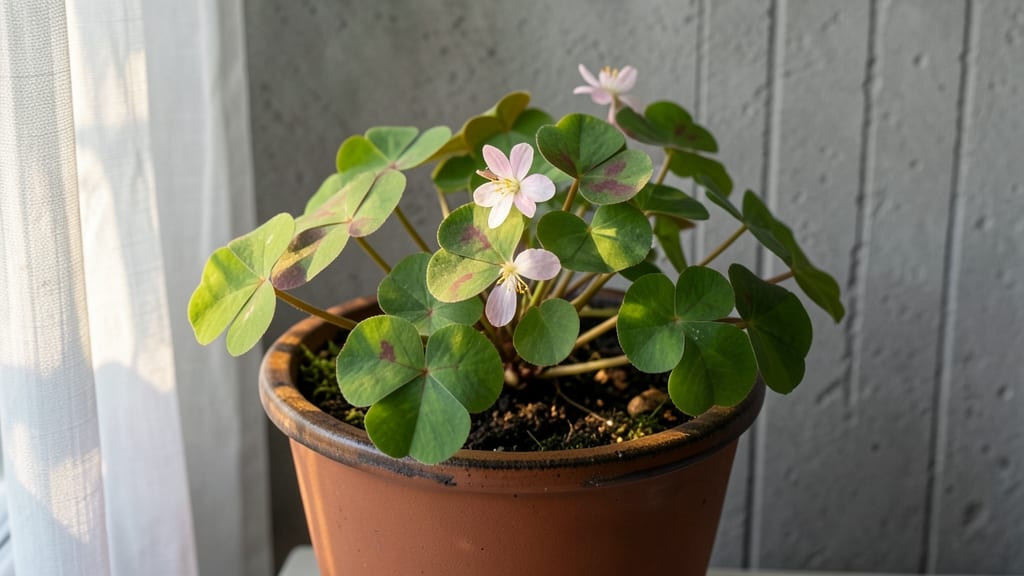
Growing four-point leaf from a single cutting means fast propagation—whether you root it in water or soil. 🌱 I’ve propagated mine in both methods, and the soil route actually yields stronger plants faster, though water lets you watch roots grow like magic.
This plant thrives in bright, indirect light and well-draining soil (think 60% potting mix, 40% perlite). It’s the kind of houseplant that rewards patience—new leaves unfurl in just 2-3 weeks when conditions are right, and it’s nearly impossible to kill once established. The real payoff?
A single cutting can become a lush, clover-like ground cover in months, perfect for hanging baskets or trailing down shelves. Plus, its four-leaf clover shape makes it a luck-bringing favorite for gardeners who love symbolism. Just watch for frost—it’s tender and bolts at the first chill.
Here’s how to keep it growing all year, no matter your climate.
Rooting Problems Explained
Understanding why a four-leafed plant struggles to develop properly often comes down to biological triggers and environmental stressors. Here’s a breakdown of the most common causes—and how they disrupt healthy growth.
Some plants naturally produce four-pointed leaves due to their genetics. While rare, certain species (like Oxalis or Trifolium hybrids) may exhibit this trait as a hereditary quirk rather than a defect. If your plant consistently grows four-pointed leaves across generations, it’s likely just part of its DNA blueprint.
Actionable Tip: 🔍
- Research your plant’s species—some varieties (like Oxalis acetosella) are known for this trait.
- If breeding, cross-pollinate with standard-leaf plants to see if offspring revert to three points.
Plants absorb nutrients through their roots, and nutrient deficiencies or toxic buildups can alter leaf development. Two key culprits:
- Nitrogen Deficiency (N)
- Why? Nitrogen is critical for chlorophyll production and cell division. Without enough, leaves may develop abnormal lobes or points.
- Signs: Yellowing between veins (chlorosis), stunted growth.
- Excessive Phosphorus (P) or Potassium (K)
- Why? Too much phosphorus can disrupt calcium uptake, leading to irregular leaf shapes. Potassium imbalances may cause weak cell walls, making leaves more prone to deformities.
- Signs: Dark green leaves with uneven edges, brittle stems.
Actionable Tip: 📊
- Test your soil/water with a DIY nutrient kit (or send a sample to a lab).
- Adjust fertilizers: Use a balanced 10-10-10 NPK for general growth, or switch to organic compost tea if synthetic fertilizers are overused.
Extreme or inconsistent temperature swings and light exposure can scramble a plant’s growth signals, leading to abnormal leaf formation.
- Cold Stress (Below 50°F / 10°C)
- Why? Cold slows enzyme activity, causing meristem cells (growth points) to divide irregularly. This can result in extra lobes or points.
- Signs: Purple-tinged leaves, slow growth, or crinkled edges.
- Heat Shock (Above 90°F / 32°C)
- Why? High heat denatures proteins in young leaves, leading to malformed structures as the plant struggles to regulate growth.
- Signs: Wilting, thickened or cupped leaves, sunburn spots.
- Inconsistent Light (Low or Harsh Light) - Why? Plants need stable light (12–16 hours/day for most) to maintain photoperiodic growth.
Sudden light changes (like moving from shade to sun) can confuse the plant’s circadian rhythm, leading to asymmetrical leaves. - Signs: Leaves growing toward light (etiolation), stretched stems, or lopsided points.
Actionable Tip: 🌿
- Keep temperatures stable (ideal range: 65–75°F / 18–24°C for most houseplants).
- Use grow lights if natural light is inconsistent (LED full-spectrum bulbs work best).
- Rotate plants weekly to ensure even light exposure.
Certain insects and diseases can physically alter leaf development by feeding on meristem tissue (the growing tip) or injecting toxins.
- Aphids & Spider Mites
- Why? These pests suck sap from new growth, starving developing leaves of nutrients. The plant may compensate by adding extra points to maximize surface area.
- Signs: Sticky residue (honeydew), yellow stippling, or distorted leaf shapes.
- Fungal Infections (e.g., Powdery Mildew, Rust)
- Why? Fungi like powdery mildew release ethylene gas, a plant hormone that triggers abnormal growth patterns, including extra leaf points.
- Signs: White powdery coating, dark spots, or leaf curling.
- Bacterial Leaf Spot
- Why? Bacteria (like Xanthomonas) clog stomata and disrupt cell division, leading to irregular leaf margins and points.
- Signs: Water-soaked lesions, yellow halos around spots.
Actionable Tip: 🛡️
- Isolate infected plants to prevent spread.
- Spray with neem oil (for pests) or copper fungicide (for fungal/bacterial issues).
- Prune damaged leaves with sterilized scissors to encourage new, healthy growth.
Water stress—whether drought or overwatering—can lead to oxidative stress in cells, causing mutations in leaf shape.
- Underwatering (Drought Stress)
- Why? When roots can’t absorb enough water, the plant conserves resources by reducing leaf surface area—sometimes resulting in extra points for stability.
- Signs: Dry, crispy edges, drooping leaves, or yellowing.
- Overwatering (Root Rot & Anaerobic Stress)
- Why? Soggy soil cuts off oxygen, leading to root suffocation. The plant may produce deformed leaves as a survival mechanism.
- Signs: Mushy stems, black roots, or foul-smelling soil.
Actionable Tip: 💧
- Check soil moisture with your finger—water only when the top 1–2 inches are dry.
- Use well-draining soil (mix in perlite or sand) and pots with drainage holes.
- Avoid letting plants sit in saucers of water—empty excess after 10 minutes.
Plants produce growth hormones like ethylene and auxins to regulate development. External factors can throw these hormones off balance:
- Ethylene Overproduction
- Why? Ethylene (released by rotting fruit, cigarette smoke, or overripe produce) can trigger premature aging in leaves, leading to extra lobes or points.
- Signs: Stunted growth, premature leaf drop, or abnormal leaf shapes.
- Auxin Imbalance (From Pruning or Stress)
- Why? Auxins control cell elongation. If a plant is pruned incorrectly or experiences stress, auxin levels may spike, causing irregular growth patterns.
- Signs: Leaning stems, curled leaves, or asymmetrical points.
Actionable Tip: 🌿
- Remove ethylene sources (like ripe bananas or gas stoves) near plants.
- Prune at the right time—use clean, sharp scissors and cut just above a leaf node.
- Avoid over-fertilizing with auxin-rich supplements (like some rooting hormones).
Fixing Common Four-Leaf Woes
When your prized four-point leaf (or Trifolium sp.) starts looking less than vibrant, quick action can save the day. Below are targeted solutions for the most frequent issues—whether it’s yellowing, stunted growth, or pest attacks—along with prevention tips to keep your plant thriving.
Cause: Overwatering, root rot, or nutrient deficiency. Fix:
- 💧 Drainage Check: Ensure pots have drainage holes. If soil stays soggy for more than 24 hours, repot with well-draining soil (mix potting soil with perlite or sand).
- 🌡️ Water Wisely: Water only when the top inch of soil feels dry. Avoid letting leaves sit in water.
- 🍃 Nutrient Boost: Add a balanced liquid fertilizer (10-10-10) every 4–6 weeks during growing season.
Prevention: ✔️ Use terracotta pots to prevent over-moisture. ✔️ Mulch soil with straw to retain moisture without suffocating roots.
Cause: Weak plants attract pests, or outdoor exposure spreads them. Fix:
- 🔥 Manual Removal: Spray pests off with a strong stream of water or wipe leaves with soapy water (1 tsp mild dish soap per quart of water).
- 🌿 Natural Repellents: Apply neem oil (1 tbsp per liter of water) weekly until pests vanish.
- 🛡️ Quarantine: Isolate infected plants until pests are gone.
Prevention: ✔️ Inspect new plants before bringing them indoors. ✔️ Encourage beneficial insects (like ladybugs) for organic pest control.
Cause: Lack of light, overcrowding, or poor soil quality. Fix:
- ☀️ Light Adjustment: Move to a brighter spot (4–6 hours of direct sunlight daily). South-facing windows or grow lights work well.
- 🌱 Prune & Thin: Trim crowded stems to improve airflow. Pinch back leggy growth to encourage bushier growth.
- 🔄 Soil Refresh: Replace depleted soil with fresh, nutrient-rich mix (add compost or worm castings).
Prevention: ✔️ Rotate pots weekly for even light exposure. ✔️ Fertilize lightly during active growth (spring/summer).
Cause: High humidity, poor airflow, or wet foliage. Fix:
- 🌬️ Improve Airflow: Space plants apart and use a small fan (2–3 hours daily) to dry leaves faster.
- 💧 Water at the Base: Avoid overhead watering; use a watering can with a narrow spout.
- 🌿 Fungicide Spray: Apply baking soda spray (1 tsp baking soda + 1 quart water + drop of dish soap) weekly until cleared.
Prevention: ✔️ Space plants 6+ inches apart. ✔️ Avoid watering late in the day to prevent overnight moisture buildup.
Cause: Stagnant water or contaminated propagation medium. Fix:
- 💦 Fresh Water Change: Replace water every 3–4 days. Use room-temperature, filtered water.
- 🧼 Clean Cuttings: Rinse stems with hydrogen peroxide (3%) for 10 minutes to kill bacteria before replanting.
- 🌿 Transition to Soil: Once roots reach 1–2 inches, transplant to soil and keep soil lightly moist for 2 weeks.
Prevention: ✔️ Use a small pebble at the bottom of the jar to prevent stems from sitting in water. ✔️ Sterilize containers with bleach (1:10 ratio) before reuse.
Pro Tip: 💡 For all issues, observe your plant daily. Early intervention = happier leaves! Keep a journal to track watering, light, and growth patterns—it’s your secret weapon for troubleshooting.
Frequently asked questions
Is a four-point leaf plant the same as a four-leaf clover?
Not exactly! While both feature four points, they're different plants. A true four-leaf clover (Trifolium repens) is a rare variation of the common three-leaf clover, often considered lucky. The four-point leaf plant (like Oxalis tetraphylla) is a separate species with naturally four-pointed leaves due to its genetics.
Can I grow a four-point leaf plant indoors year-round?
Yes, but it needs the right conditions! These plants thrive indoors with bright, indirect light (like an east or west window) and temperatures between 65–75°F (18–24°C). Keep soil lightly moist and avoid cold drafts—most varieties are frost-sensitive and will die if exposed to temperatures below 50°F (10°C).
Why are my four-point leaf cuttings rotting in water?
This usually happens from bacteria or stagnant water. Replace the water every 3–4 days and use room-temperature, filtered water. Add a small pebble to the jar to prevent stems from sitting directly in water. If roots appear mushy or black, clean the cutting with hydrogen peroxide (3% solution) for 10 minutes before replanting.
How do I encourage more four-pointed leaves?
Genetics play a big role, but you can optimize conditions! Use well-draining soil with perlite and provide consistent light (12–16 hours/day). Avoid over-fertilizing—too much nitrogen can lead to larger but fewer leaves. If growing from seed, select the healthiest seedlings with the most consistent four-pointed shapes for propagation.
Are four-point leaf plants toxic to pets?
Most varieties, like Oxalis tetraphylla, are non-toxic to cats and dogs. However, always monitor your pet when introducing new plants, as individual sensitivities can vary. If you're unsure about a specific variety, check with your vet or the ASPCA's plant toxicity database before bringing it home.