
Aphids
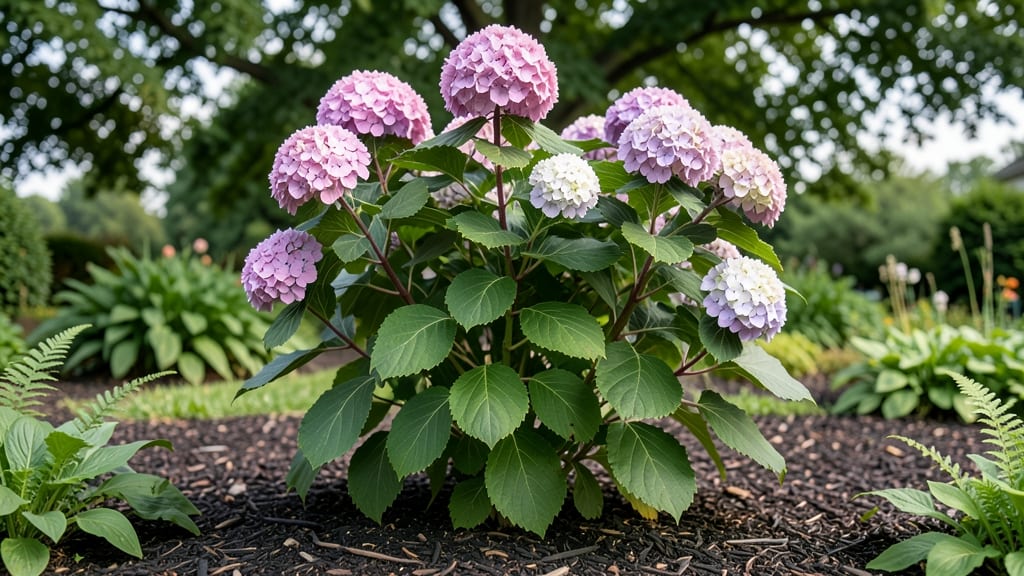
The Gatsby Glow Ball oakleaf hydrangea steals the show with its year-round drama—deep burgundy foliage in winter, chartreuse leaves in spring, and white blooms in summer. 🌿 I've grown this variety for three seasons, and it's the only hydrangea that delivers color all year without requiring constant attention.
The secret lies in its compact growth habit and adaptability to less-than-perfect conditions.
This hydrangea thrives in partial shade, making it perfect for spots where other plants struggle. It tolerates a wide range of soils but performs best in well-draining, slightly acidic mixes—think mulched garden beds or raised containers with a touch of compost.
Watering is simple: keep the soil evenly moist but never soggy, especially during its first growing season when roots establish.
Pruning is where the magic happens—cut back old stems in late winter to encourage fresh growth and larger blooms. The foliage alone is a conversation starter, but the summer flowers add a showy finale.
Even in drought or heat waves, this hydrangea bounces back, proving that low-maintenance beauty exists—no green thumb required.
Common issues like leaf scorch or sparse blooms usually stem from overwatering or poor drainage. Amend heavy clay soils with sand or perlite, and avoid fertilizing after midsummer to protect next year's buds.
With just a little care, your Gatsby Glow Ball will become the star of your garden, season after season.
📚 In This Guide
- What you need
- Instructions
- Tips and common mistakes
- Wrapping up and next steps
What you need
- ● 1 Gatsby Glow Ball Oakleaf Hydrangea plant (look for healthy, vibrant foliage with a pinkish-red hue—this variety’s signature!)
- ● Well-draining soil (mix 1 part garden soil with 1 part compost or peat moss for optimal drainage)
- ● Sunlight: Partial shade (4–6 hours of sun/day) for cooler climates (Zones 5–7)
- ● Morning sun + afternoon shade for hotter regions (Zones 8–9)
- ● Watering can or hose (with a gentle spray nozzle to avoid damaging leaves)
- ● Mulch (2–3 inches of wood chips or shredded bark to retain moisture and regulate soil temp)
- ● Fertilizer (balanced 10-10-10 NPK or hydrangea-specific food—apply twice a year, spring and fall)
- ● Pruning shears (clean, sharp bypass pruners for shaping)
- ○ Gloves (optional but highly recommended—hydrangeas can be thorny!
- ● Soil pH tester (to monitor acidity—Gatsby Glow thrives in slightly acidic soil (pH 5.5–6.2))
- ● Slow-release fertilizer tablets (for low-maintenance nutrient boosts)
- ● Decorative stakes or obelisks (if you want to train the plant upward for a vertical garden vibe)
- ● Pest control spray (neem oil or insecticidal soap—aphids love hydrangeas too!)
Step-by-Step instructions for planting and caring for Gatsby Glow Ball oakleaf hydrangea
This stunning shrub delivers four-season color with minimal effort—here’s how to set it up for showstopping performance.
🌱 Step 1: Choose the Perfect Planting Spot
The Gatsby Glow Ball thrives in partial shade, where it gets morning sun and afternoon shade—this prevents leaf scorch while maximizing those signature deep burgundy fall hues. Avoid deep shade spots; you’ll miss the foliage drama you’re after. Test your site by observing how sunlight moves across it throughout the day.
Dig a hole twice as wide as the root ball but no deeper—this encourages outward root growth, which stabilizes the plant better than forcing roots downward. Amend the native soil with 2-3 inches of compost mixed into the bottom of the hole. The Gatsby Glow Ball tolerates a range of soil types but performs best in well-draining, slightly acidic soil (pH 5.5-6.5).
🪴 Step 2: Plant with Care for Long-Term Health
Gently remove the plant from its container and loosen any circling roots with your fingers—this prevents girdling as the shrub matures. Place it in the hole so the top of the root ball sits level with the surrounding soil (never bury the stem). Backfill with native soil mixed with compost, tamping lightly every 2 inches to eliminate air pockets.
Water deeply right after planting to settle the soil and eliminate air gaps. You’ll know it’s soaked when water runs out the bottom of the hole. Mulch with 2-3 inches of organic mulch (like shredded bark) around the base, keeping it 3 inches away from the stem to prevent rot. This mulch layer helps retain moisture and regulates soil temperature.
☀️ Step 3: Water and Feed for Vibrant Foliage
Keep the soil consistently moist but never soggy for the first 6-8 weeks after planting—this critical period helps roots establish. Water deeply 2-3 times per week, aiming for 1-1.5 inches of water per session. You’ll see new growth within 3-4 weeks if the roots are happy; look for bright green leaves emerging along the stems.
Feed with a balanced, slow-release fertilizer (10-10-10) in early spring before new growth begins. Avoid high-nitrogen fertilizers—they encourage leafy growth at the expense of those stunning fall colors. In late summer, switch to a low-nitrogen, high-phosphorus formula (like 5-10-10) to support root development and prepare for winter.
✂️ Step 4: Prune Strategically for Shape and Health
The Gatsby Glow Ball blooms on old wood, so prune right after flowering (late spring to early summer) to avoid cutting off next year’s blooms. Remove dead, diseased, or crossing branches first—these compete with healthy growth. Then shape the shrub by cutting back overgrown stems to just above a strong outward-facing bud.
Never prune more than one-third of the plant’s total volume in a single season. The goal is to maintain an open, airy shape that lets sunlight penetrate to the interior stems. After pruning, give the plant a light feeding with a balanced fertilizer to encourage new growth. You’ll notice fresh, vibrant foliage emerging within 2-3 weeks.
⏰ Step 5: Winterize for Year-After-Year Drama
Once temperatures drop below 20°F, the Gatsby Glow Ball’s foliage turns a stunning burgundy, but it needs protection from harsh winter winds. Apply a 2-inch layer of mulch around the base to insulate roots—this prevents freeze-thaw cycles that can damage them. Water deeply before the ground freezes to ensure the plant has moisture reserves.
In early spring, remove any dead or broken branches before new growth begins. The plant’s natural resilience means it rarely needs winter protection beyond proper mulching. By late March, you’ll see the first flush of bright green leaves—the start of another spectacular season.
Tips & tricks for perfect Gatsby Glow Ball oakleaf hydrangea
Here’s how to transform your Gatsby Glow Ball into a four-season showstopper with minimal fuss—these are the secrets I wish I’d known before planting mine!
Sunlight Strategy: That morning sun and afternoon shade isn’t just ideal—it’s critical for the foliage drama. Use a simple test: If your spot gets direct sun past noon, you’ll likely see leaf scorch by summer. I’ve seen neighbors’ plants with crispy edges from too much afternoon heat. Pro tip: If your yard has limited shade options, consider planting near a north-facing wall or under deciduous trees that lose leaves in winter.
Root Ball Rescue: When loosening circling roots in Step 2, don’t just tug—gently tease them apart with your fingers. I’ve seen gardeners cut through roots thinking they’re helping, which creates wounds that take months to heal. The goal is to encourage outward growth, not damage the root structure. Think of it like untangling headphones: patience wins every time.
Soil Science: The pH 5.5-6.5 range isn’t just a suggestion—it’s where this hydrangea truly shines. If your soil tests higher (common in many regions), mix in 2-3 pounds of sulfur per 100 square feet in the planting hole. I’ve seen dramatic color improvements within a single season after adjusting pH. For a quick test, grab a soil kit from your local garden center—it’s cheaper than guessing!
Winter Wind Warrior: That 2-inch mulch layer in winter isn’t just decoration—it’s insulation against freeze-thaw cycles that can crack roots. I’ve noticed my plants handle winter far better when I add an extra inch of straw mulch on top of the bark mulch in particularly harsh winters (below 10°F). It’s like giving your plant a cozy winter blanket—no extra effort, just better results.
Pro Tips for Gatsby Glow Ball Oakleaf Hydrangea
- Here’s how to transform your Gatsby Glow Ball into a four-season showstopper with minimal fuss—these are the secrets I wish I’d known before planting mine!
- Sunlight Strategy: That morning sun and afternoon shade isn’t just ideal—it’s critical for the foliage drama.
- Root Ball Rescue: When loosening circling roots in Step 2, don’t just tug—gently tease them apart with your fingers.
Frequently asked questions
How do I keep my Gatsby Glow Ball from turning brown or crispy?
Brown edges or crispy leaves usually mean too much sun or dry soil. These hydrangeas love morning sun and afternoon shade. Water deeply when the top 1–2 inches of soil feel dry—consistency is key! Mulch around the base to retain moisture.
When is the best time to prune my Gatsby Glow Ball?
Prune right after flowering (late summer/early fall) to shape it and encourage next year’s blooms. Avoid pruning in late winter or spring, as you’ll cut off next season’s flower buds. Use clean, sharp shears and remove no more than 1/3 of the plant at once.
Will this hydrangea bloom all year, or just in summer?
While Gatsby Glow Ball is famous for its year-round foliage drama, its showstopper blooms peak in late spring to summer. With proper care (sunlight, water, and pruning), it may produce occasional blooms in fall, but don’t expect a winter floral show—focus on those stunning purple-pink leaves!
How do I protect my hydrangea from pests like aphids?
Aphids love hydrangeas, but you can outsmart them! Spray off pests with a strong stream of water or use neem oil (a natural, pet-safe option). For severe infestations, try insecticidal soap. Healthy plants resist pests better, so prioritize watering and mulching!
Can I grow Gatsby Glow Ball in a pot, or does it need garden space?
These hydrangeas thrive in containers (15+ gallons) with well-draining soil. Just ensure the pot has drainage holes and you water more frequently than in-ground plants. Move pots to partial shade in hot afternoons for best results.
How cold-hardy is Gatsby Glow Ball, and do I need to winterize it?
This hydrangea is USDA Zones 5–9, meaning it handles down to -20°F! In colder climates, mulch heavily around the base (3–4 inches) and avoid pruning until late winter to protect buds. No extra winterizing is needed unless you’re in Zone 4 or below.
Wrapping up and next steps
The Gatsby Glow Ball Oakleaf Hydrangea is a standout star for gardeners craving low-maintenance, year-round beauty—and you’ve got all the tools to make it thrive! 🌿 From its stunning foliage to its resilience against pests like aphids, this hydrangea delivers drama with minimal effort.
Now that you’re armed with care tips and troubleshooting know-how, it’s time to roll up your sleeves and plant your own showstopper.
💡 Next step: Pick your perfect spot, gather your supplies, and get growing! Whether you’re a seasoned pro or a beginner, this hydrangea’s charm makes it the perfect project to elevate your garden—one vibrant leaf at a time.