
Pests and Diseases
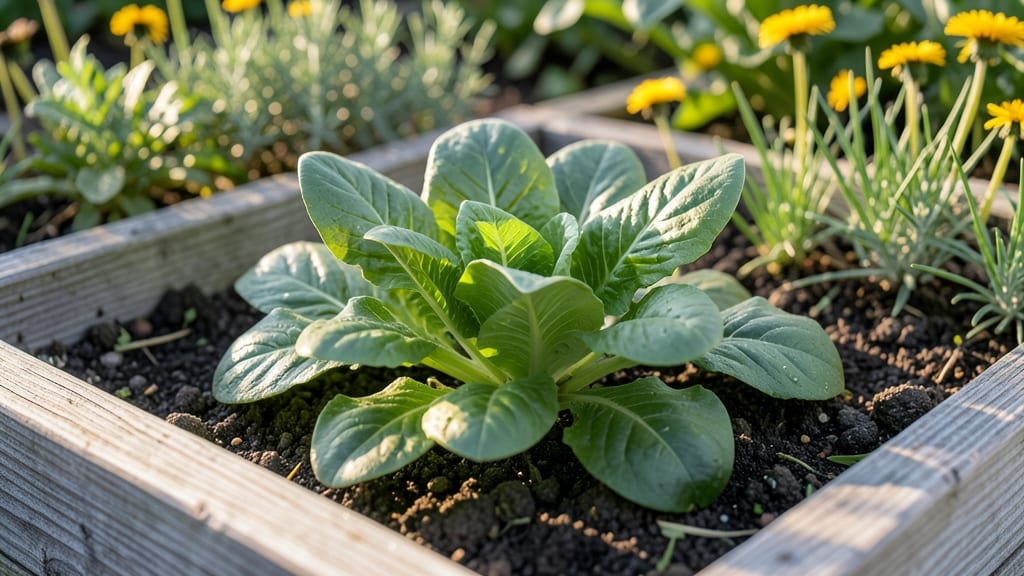
Growing Grand Rapids leaf lettuce in 30°F gardens proves you don’t need summer heat for crisp, sweet greens. 🌱 This cold-hardy variety thrives when most lettuces bolt, giving you harvests in early spring and fall when others fail.
The secret lies in its genetics—developed to withstand temperatures that would turn other varieties bitter or tough.
Start with loose, well-draining soil rich in organic matter (think compost or aged manure). Plant seeds just ¼-inch deep, spacing them 6-8 inches apart in rows 12-18 inches apart. A sunny spot with 4-6 hours of morning sun prevents bolting while keeping leaves tender—afternoon shade helps in hotter climates.
Water consistently to keep soil moist but never soggy; drip irrigation works best to avoid fungal issues.
You’ll harvest your first leaves in 30-40 days, but the real magic happens when you let the plants grow larger—outer leaves stay crisp while inner ones remain sweet. Cut-and-come-again harvesting extends the season for months.
The variety’s resistance to common pests like aphids and slugs means fewer sprays, and its tolerance for light frost keeps production steady even when temperatures dip.
For best results, source certified organic seeds from reputable suppliers like Johnny’s Selected Seeds or Baker Creek Heirloom Seeds. If you notice bitter flavors, it’s often a sign of heat stress—try succession planting every 2-3 weeks to keep a steady supply of cool-season greens.
This lettuce proves cold gardens can be just as productive as warm ones.
📚 In This Guide
- What you need
- Instructions
- Tips and common mistakes
- Wrapping up and next steps
What you need
- ● Grand Rapids Leaf Lettuce Seeds – 1 packet (500-1,000 seeds) or pre-started seedlings (if available). Look for cold-hardy, heirloom varieties!
- ● Growing Containers or Garden Bed – For containers: 6–12" deep pots (minimum 6" diameter per plant) with drainage holes. 3–5 plants per 12" pot.
- ● For in-ground beds: Well-draining soil, raised beds, or row covers for extra protection.
- ● High-Quality Potting Mix or Garden Soil – Sterilized, loamy soil with a pH of 6.0–7.0. Mix in compost (1 part compost to 3 parts soil) for nutrients.
- ● Cold Frame or Row Covers – Floating row covers (like Agribon) or a mini greenhouse to shield from frost (30°F is the limit—push it with protection!).
- ● Watering Can or Drip Irrigation – Lettuce loves consistent moisture but hates soggy roots. Aim for 1–1.5 inches of water per week.
- ● Organic Fertilizer – Balanced, slow-release fertilizer (e.g., 5-5-5) or compost tea to boost growth.
- ● Pruning Shears or Scissors – For harvesting outer leaves without damaging the plant.
- ● Seedling Heat Mat – If starting indoors, keeps soil 60–70°F for faster germination.
- ● Shade Cloth (30–50%) – Protects from hot afternoon sun in spring/fall.
- ● Epsom Salt – 1 tbsp per gallon of water every 2–3 weeks for magnesium boost.
- ● Beneficial Insects – Ladybugs or lacewings to deter pests like aphids.
- ● Garden Journal – Track planting dates, watering, and harvests for future success!
Step-by-step instructions for growing Grand Rapids leaf lettuce
This cold-hardy variety thrives even when temperatures dip to 30°F, making it perfect for early spring or fall gardens.
🌱 Step 1: Prepare the Soil and Planting Site
Grand Rapids leaf lettuce prefers well-draining, fertile soil with a pH between 6.0 and 7.0. Work in 2-3 inches of compost before planting to improve soil structure and nutrient availability. This variety tolerates cooler soils, so you don’t need to wait for warm conditions—just ensure the ground isn’t frozen or waterlogged.
Choose a location with partial shade during the hottest part of the day, especially in summer. Too much direct sun causes bolting (premature flowering), which turns bitter leaves. If your garden gets intense afternoon sun, provide light shade with a 30-50% shade cloth or plant near taller crops like tomatoes or peppers.
🌱 Step 2: Sow Seeds at the Right Depth and Spacing
Scatter seeds ¼ inch deep in rows spaced 12-18 inches apart or broadcast them directly into the bed. Grand Rapids lettuce germinates best in soil temperatures between 50-70°F, so aim to plant 4-6 weeks before your last frost date or as soon as the soil is workable in spring. Thin seedlings to 6-8 inches apart once they develop 2-3 true leaves—this prevents overcrowding and encourages larger, more tender leaves.
I like to sow seeds in successive batches every 2 weeks for a continuous harvest. This ensures you always have fresh leaves, even if the first planting bolts from heat or cold stress. Keep seeds evenly moist during germination, which typically takes 7-14 days depending on soil temperature.
💧 Step 3: Water Consistently Without Overhead Moisture
Grand Rapids lettuce thrives with consistent moisture—keep the soil evenly damp but never soggy. Water at the base of plants in the morning to reduce fungal risks like downy mildew. Avoid wetting the leaves, as prolonged moisture encourages disease. A drip irrigation system or soaker hose works best for even distribution.
This variety is more drought-tolerant than many lettuces, but wilting leaves signal underwatering. If you notice crisp edges or bitter flavor, increase watering slightly. Mulch with 1-2 inches of straw or shredded leaves to retain moisture and suppress weeds, which compete for nutrients.
☀️ Step 4: Protect from Heat and Bolting
When daytime temperatures exceed 75°F, Grand Rapids lettuce may bolt prematurely. Provide afternoon shade or use floating row covers to keep leaves tender. If bolting occurs, harvest the outer leaves immediately—the inner leaves may still be edible. In hot climates, consider growing this variety in late summer or fall when temperatures cool.
Fertilize lightly with a balanced organic fertilizer (10-10-10) at planting and again 4-6 weeks later. Too much nitrogen promotes leafy growth at the expense of flavor, so avoid heavy feeding. Instead, focus on regular harvests to encourage continuous production.
✂️ Step 5: Harvest Outer Leaves for Continuous Yield
Begin harvesting outer leaves when they reach 4-6 inches tall, using clean scissors or fingers to avoid damaging the inner growth. This method encourages bushier, longer production—you’ll get multiple harvests per plant over 4-6 weeks. Avoid cutting into the center, as this can stunt regrowth.
Store harvested leaves in the crisper drawer of your refrigerator for up to 5-7 days. For longer storage, blanch and freeze whole leaves. Grand Rapids lettuce holds up better than many varieties when stored properly, making it ideal for meal prep or winter salads.
Tips & tricks for perfect Grand Rapids leaf lettuce growth
These cold-hardy plants reward patience with tender, flavorful leaves—here's how to maximize your harvest.
Soil Temperature Secret: The 50-70°F soil temperature range is critical for germination. Use a soil thermometer to verify conditions before planting—cold soil below 50°F delays sprouting by weeks. If your spring arrives late, consider using black plastic mulch to warm the soil faster. This variety's cold tolerance means you can plant earlier than most lettuces, but don't rush into frozen ground.
Thinning Technique: When thinning seedlings to 6-8 inches apart, use sharp scissors to cut at soil level rather than pulling. This prevents disturbing nearby plants' roots. I've found that thinning at the 2-3 true leaf stage gives plants enough room to develop without sacrificing early growth. The removed seedlings make excellent microgreens if you harvest them quickly.
Heat Protection Strategy: When temperatures approach 75°F, I recommend installing shade cloth before bolting occurs. Even partial afternoon shade makes a dramatic difference. For container growers, white-washed pots reflect heat and can lower root zone temperatures by 5-10°F during peak afternoon sun. This simple trick extends your growing season by weeks in hot climates.
Fertilizer Timing: The 4-6 week interval between fertilizations is perfect for this variety. I've discovered that applying too much nitrogen early causes rapid leaf growth that often becomes bitter. Instead, focus on the 10-10-10 balanced fertilizer at planting, then again when you notice the first harvestable leaves forming. This two-step approach maintains flavor while supporting growth.
Pro Tips for Grand Rapids Leaf Lettuce
- These cold-hardy plants reward patience with tender, flavorful leaves—here's how to maximize your harvest.
- Soil Temperature Secret: The 50-70°F soil temperature range is critical for germination.
- Thinning Technique: When thinning seedlings to 6-8 inches apart, use sharp scissors to cut at soil level rather than pulling.
Frequently asked questions
Got questions about growing Grand Rapids Leaf Lettuce in chilly climates? You’re not alone! Here are answers to the most common queries—whether you’re a first-time gardener or a seasoned green thumb troubleshooting a frosty patch.
Can Grand Rapids Leaf Lettuce survive a hard frost (30°F or below)?
This variety is cold-hardy and can tolerate light frosts down to 25°F without bolting. For extra protection in deep freezes, use row covers or mulch with straw. Just avoid heavy frost or ice—it’ll wilt but bounce back once temperatures rise!
How long does it take to harvest Grand Rapids Leaf Lettuce?
You can start harvesting outer leaves in 30–40 days after sowing, while full heads mature in 45–55 days. The beauty of leaf lettuce? It’s cut-and-come-again—snip what you need, and new growth will keep coming! For continuous harvests, succession plant every 2–3 weeks.
What pests or diseases should I watch for in cold weather?
Even in cooler temps, keep an eye out for:
- Slugs/snails: Use beer traps or diatomaceous earth.
- Downy mildew: Space plants for airflow and avoid overhead watering.
- Aphids: Blast off with water or introduce ladybugs.
Can I grow Grand Rapids Leaf Lettuce in containers?
Yes! It thrives in 5–6 inch-deep containers with drainage holes. Use a light, well-draining potting mix and place pots in full sun to partial shade. For winter, move containers to a protected spot or use a grow light to extend the season.
What’s the best alternative if Grand Rapids bolts too quickly?
If your lettuce bolts prematurely (due to heat or age), try these slow-bolting alternatives:
- Winter Density (cold-hardy, bolt-resistant)
- Black Seeded Simpson (heat-tolerant)
- Arctic King (extreme cold tolerance)
Wrapping up and next steps
Grand Rapids Leaf Lettuce stands out as a hardy, cold-resistant champion for gardeners in cooler climates—proving that crisp, flavorful greens aren’t just for summer! 🥬 With its pest-resilient nature and adaptability to temperatures as low as 30°F, this variety is a game-changer for year-round harvests.
Whether you're battling aphids, slugs, or frigid winds, its resilience makes it a must-have for any home garden.
Ready to grow your own thriving patch? Start by selecting disease-free seeds, prepping your soil, and keeping an eye out for early signs of pests. Your next step? Plant a few rows this week—your taste buds (and dinner plate) will thank you!