
How To
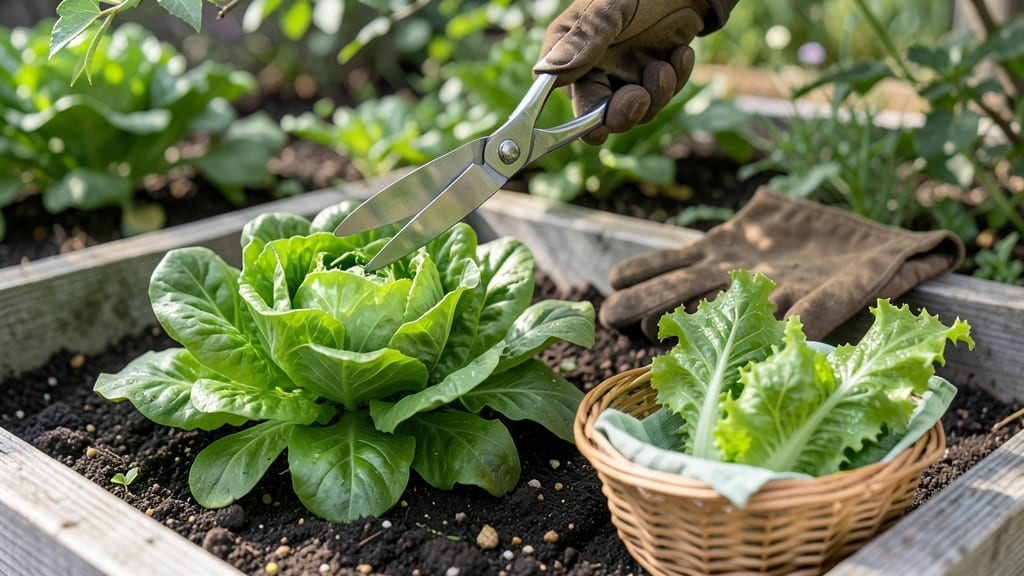
Harvesting green leaf lettuce 🥬 at the right time and with the right technique is the secret to crisp, flavorful leaves that keep coming back—no bitter disappointment here.
Picture this: you’ve waited 35 days for those tender leaves to reach 4-6 inches, only to pull them too hard or too late, and suddenly your salad greens taste like cardboard. That’s the moment you realize timing and method matter more than you thought.
In this guide, I’ll walk you through the perfect indicators for harvesting—when the leaves are firm, vibrant, and ready to eat—plus the best cutting techniques to keep your lettuce producing for weeks. No guesswork, just a foolproof system for maximum yield.
You’ll also learn how to store your harvest so it stays fresh longer and even how to encourage regrowth, so you’re never without fresh greens again. Let’s get started.


When to harvest green leaf lettuce for maximum freshness & flavor
Timing your green leaf lettuce harvest is everything—pick too early, and you’ll miss out on full flavor and crispness. Wait too long, and you risk bitterness or bolting, especially in hot weather.
The ideal harvest window balances leaf maturity, tender texture, and regrowth potential for continued production.
Most green leaf varieties like Buttercrunch or Oakleaf reach harvest readiness in 35–50 days after sowing, depending on temperature and growing conditions. For the best flavor and texture, aim to harvest when leaves reach 4–6 inches long and remain firm and vibrant.
This ensures they’re large enough to use but still tender enough to eat raw.
Here’s how to check if your lettuce is ready—plus key factors that affect timing:
Seasonal timing plays a huge role in harvest success. In spring, green leaf lettuce thrives in cooler weather (ideal temps: 50–65°F (10–18°C)). If you planted in late winter, you’ll likely harvest in April or May.
For a fall crop, sow seeds in August to harvest before first frost (typically October–November in most climates).
Environmental factors like daylight hours and temperature shifts can speed up or slow down growth. For example, longer daylight in summer accelerates bolting, so always harvest outer leaves first to prolong the plant’s life.
If your lettuce starts forming flower stalks, it’s past its prime—harvest what you can and compost the rest to avoid spreading seeds.
Pro tip: Use a shade cloth (30–50%) during hot afternoons to slow bolting and extend your harvest window. This is especially helpful in USDA Zones 7–10, where summer heat can turn lettuce bitter in days. Even a simple row cover can buy you 2–3 extra weeks of harvestable leaves.
If you’re growing green leaf lettuce in containers, monitor growth closely—smaller pots mean faster maturity. Harvest when leaves reach 3–4 inches (slightly smaller than in-ground plants) to prevent overcrowding. Container-grown lettuce also bolts faster, so keep it in partial shade during peak heat.
One of the biggest mistakes gardeners make is waiting until the entire plant is mature before harvesting. Instead, practice cut-and-come-again harvesting: Snip or pinch off outer leaves when they’re large enough, leaving the inner leaves to grow.
This method gives you continuous harvests for 4–6 weeks per planting, maximizing your yield.
For the best flavor, harvest in the morning after dew has dried but before the sun intensifies. Leaves are crispest and most hydrated at this time, making them ideal for salads or sandwiches.
If you must harvest later in the day, store leaves in the refrigerator immediately to preserve freshness.
Remember: Timing is everything with green leaf lettuce. A well-timed harvest ensures tender, flavorful leaves while keeping your plants productive. Start checking for maturity at 28 days after sowing, and you’ll never miss the perfect moment again. 🥬
Step-by-Step cutting techniques to preserve lettuce growth & quality
Harvesting green leaf lettuce the right way can mean the difference between a continuous harvest and a bitter, bolted plant. The key is using gentle techniques that encourage regrowth while keeping leaves tender.
I’ve found that outer-leaf trimming works best for most varieties, but there are times when a full cut is necessary. Let’s break down the best methods to avoid damaging your lettuce.
Before you grab your scissors, always use clean, sharp tools to prevent disease. Dull blades crush stems, leading to rotting or stunted growth. I recommend using bypass pruners or a sharp kitchen knife sterilized with rubbing alcohol.
Never pull leaves by hand—this tears the plant and invites pests. The right technique ensures your lettuce keeps producing fresh, crisp leaves for weeks.
How to Harvest Green Leaf Lettuce
- 🌱 Step 1: Choose the Right Leaves
Select outer leaves that are at least 4-6 inches long and fully mature. Avoid harvesting from the center, as this stunts growth. - 🪴 Step 2: Sterilize Your Tools
Wipe blades with rubbing alcohol to prevent bacterial spread. Clean tools between cuts if harvesting multiple plants. - ✂️ Step 3: Make a Clean Cut
Cut leaves 1 inch above the base at a 45-degree angle. This allows water to drain away from the stem, reducing rot risk. - 💧 Step 4: Water Immediately After
Give the plant 1 cup of water post-harvest to recover. Avoid overwatering, which can cause root rot. - 🌿 Step 5: Harvest Inner Leaves (Optional)
If the heart leaves are mature (6+ inches), you can harvest them by cutting the entire head just above the soil line. This encourages a flush of new growth. - ☀️ Step 6: Monitor for Regrowth
Within 5-7 days, new leaves should emerge. If growth stalls, check for pests or nutrient deficiencies.
One of the biggest mistakes I see is harvesting too aggressively. If you cut more than one-third of the plant at once, it can shock the lettuce into bolting (flowering). Instead, focus on selective leaf harvesting—this method lets you enjoy fresh leaves for 6-8 weeks from a single planting.
For varieties like Buttercrunch or Romaine, you can even try the "cut-and-come-again" method, where you harvest the entire head and let it regrow.
Timing matters too. Always harvest in the morning after dew has dried but before the midday heat. Leaves are crispest then, and cutting in extreme heat causes wilting.
Pro tip: If your lettuce starts to bolt (send up a flower stalk), harvest the entire plant immediately—bolted leaves become bitter and tough. This is your cue to replant for a second harvest.
After harvesting, store your leaves in a plastic bag with a paper towel to absorb moisture. Place them in the crispest drawer of your fridge (usually the one with the highest humidity setting).
This keeps them fresh for up to 10 days. If you’re not using them right away, consider blanching and freezing the leaves for later use in soups or smoothies.
With these techniques, you’ll enjoy a steady supply of fresh lettuce without sacrificing future growth. The key is patience—let your plant recover between harvests, and it’ll reward you with tender, flavorful leaves all season long. Happy harvesting! 🥬