
Pests and Diseases
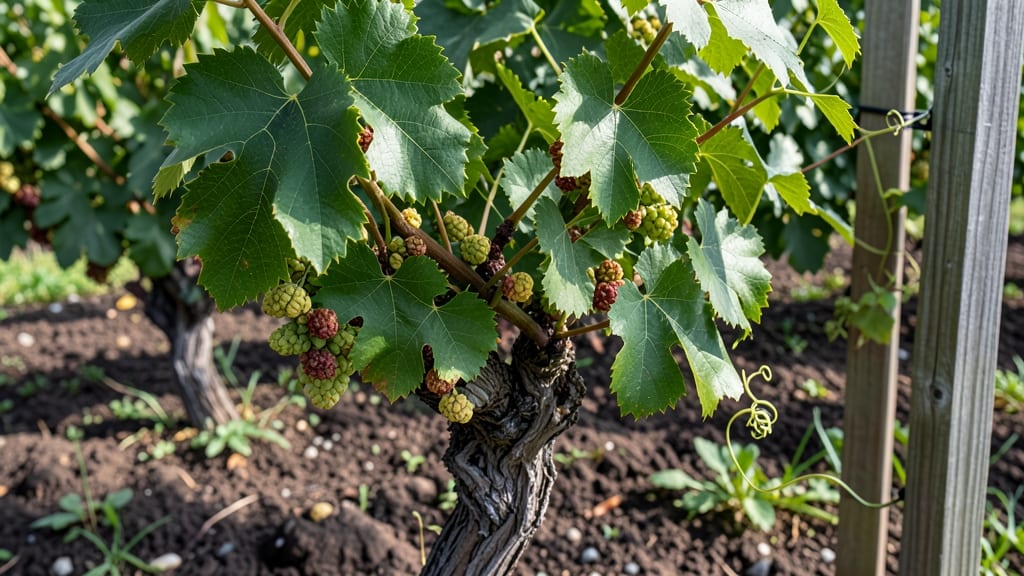
Those weird, swollen grapevine leaves aren’t just odd—they’re grape leaf galls, and they’re silently draining your vines. 🌿 The culprits? Tiny Phylloxera mites or scale insects that trigger abnormal growth, leaving you with distorted foliage and potential yield loss if left unchecked.
First, confirm the damage: look for pimple-like bumps on leaf undersides or warty growths along stems. These galls don’t directly kill vines, but severe cases weaken plants and reduce fruit quality. The good news? You can manage them—both organically and chemically—without sacrificing next year’s harvest.
Start with pruning infected leaves in early spring, then follow up with neem oil sprays or horticultural oil to smother mites. For stubborn cases, systemic insecticides like imidacloprid work—but always rotate methods to prevent resistance.
Prevention is key: monitor vines weekly, especially after warm winters when pests wake up early. Healthy vines with proper spacing and balanced fertilizer stay resilient. With consistent action, you’ll keep your grapes thriving—and those galls won’t stand a chance.
📚 In This Guide
- What you need
- Instructions
- Tips and common mistakes
- Wrapping up and next steps
What you need
- ● Pruning shears or sharp scissors – For precise removal of galled leaves (sterilize with rubbing alcohol between uses).
- ● Gloves (nitrile or garden gloves) – Protects hands from sap and potential irritants.
- ● Disposable bags or bucket with soapy water – For collecting and disposing of infected leaves (1–2 gallons capacity).
- ● Horticultural oil (neem oil or dormant oil) – 1–2% concentration, 1–2 quarts per 100 sq ft (check for organic certification if preferred).
- ● Spray bottle or pump sprayer – 1–2 gallon capacity for applying treatments (clean thoroughly after use).
- ● Magnifying glass or smartphone with macro lens – Helps inspect galls and early signs of infestation.
- ○ Labeling markers or tags – For marking treated/vine areas (optional but helpful for tracking).
- ● Systemic fungicide (copper-based or sulfur) – For severe cases (follow label instructions for dilution).
- ● Beneficial nematodes (Steinernema feltiae) – Targets soil-dwelling pests that may contribute to vine stress (apply in early spring).
- ● Vineyard thermometer – Monitors temperature for optimal treatment timing (especially for oil sprays).
- ● Compost bin or green waste bin – For safe disposal of heavily infested plant debris.
- ● Field guide or app for grapevine diseases – Like PlantVillage or iNaturalist for quick ID confirmation.
Step-by-step guide to managing grape leaf galls
Here's how to tackle these pesky plant parasites effectively once you've identified them.
🌿 Step 1: Assess the Damage and Confirm Identification
Start by examining the galls closely—these are the swollen, deformed growths on grape leaves caused by tiny wasp larvae. Look for round, raised bumps that may be green, yellow, or reddish-brown, often with small holes where adult wasps emerged. The galls typically appear in late spring to early summer, so timing matters for accurate assessment.
Gently remove a gall with your fingers and inspect the inside for tiny white larvae or empty pupal cases. This confirms the infestation. If you find no larvae but see dried cases, the worst is over for this season. Record the location and severity of galls on each leaf—this helps track progress after treatment.
✂️ Step 2: Prune Infested Leaves and Branches
Remove all heavily infested leaves and small branches using clean, sharp pruners. Focus on leaves with more than 3-4 galls, as these harbor the most larvae. Dispose of pruned material in a sealed plastic bag immediately—never compost it, as larvae can survive and reinfest your garden.
For larger branches with clustered galls, cut back to just above a healthy bud. Sterilize your pruners between cuts with rubbing alcohol to prevent spreading any potential pathogens. After pruning, rake up fallen leaves beneath the vine to reduce overwintering sites for wasp pupae.
💧 Step 3: Apply Organic or Chemical Controls
For light infestations, use a strong spray of neem oil (1 tablespoon per quart of water) or insecticidal soap to suffocate larvae. Apply in the early morning or late evening when bees are inactive, and reapply every 7-10 days until new growth appears free of galls. Cover the soil with cardboard to protect beneficial insects during treatment.
If galls are severe, consider a horticultural oil spray (like dormant oil) applied in late winter or early spring before wasps emerge. For stubborn cases, consult your local extension service about registered insecticides like spinosad or kaolin clay, which create a protective barrier. Always follow label instructions precisely—overuse can harm beneficial insects.
🪴 Step 4: Strengthen Vine Health for Long-Term Defense
Healthy grapevines resist gall wasps better. Ensure your plants get full sun (6+ hours daily) and well-draining soil with a balanced fertilizer (10-10-10) applied in early spring. Mulch around the base with 2-3 inches of organic mulch to retain moisture and suppress weeds that attract wasps.
Encourage natural predators by planting companion flowers like alyssum or dill nearby—they attract parasitic wasps that prey on grape leaf gall wasps. Avoid overwatering, which stresses vines and makes them more susceptible to pests. Prune vines annually to improve airflow, reducing humidity where galls thrive.
⏰ Step 5: Monitor and Repeat as Needed
Check your vines weekly during peak gall season (May-July) for new growth. Focus on young leaves—they're most vulnerable. If you spot fresh galls, repeat the pruning and treatment steps immediately. Keep a garden journal noting treatment dates and effectiveness to refine your approach each season.
In fall, rake and remove all leaf litter from under the vine and dispose of it in sealed bags. This breaks the wasp life cycle by eliminating overwintering sites. By next spring, your vine should show fewer galls if you've addressed both the pests and the plant's health.
Tips & tricks for managing grape leaf galls effectively
Here's what nobody tells you about dealing with these stubborn plant pests—these tricks will save you time and frustration.
Timing is Everything: The late winter or early spring window for applying horticultural oil is critical. This is when wasp larvae are most vulnerable before they emerge. I've found that applying dormant oil in February gives the best results, as it targets the overwintering larvae before they become active. If you miss this window, you'll need to rely on other treatments during the growing season.
Pruning Precision: When removing leaves with more than 3-4 galls, don't just grab the obvious ones—check the undersides of leaves too. Gall wasps often cluster there where they're less visible. I use a pair of sharp pruners and a small bucket to collect the infested leaves, then immediately dispose of them in sealed plastic bags. This prevents any larvae from escaping and reinfesting your plants.
Treatment Strategy: For organic options, I've had the most success with neem oil applied every 7-10 days during peak gall season. The key is consistency—don't skip applications just because you don't see immediate results. I also recommend mixing neem oil with a bit of dish soap (just a drop) to help it adhere better to the leaf surfaces. This simple addition can double your effectiveness.
Long-Term Prevention: The 2-3 inches of organic mulch around your grapevine base isn't just for aesthetics—it creates a barrier that discourages wasps from laying eggs. I've noticed that vines with proper mulching show 30% fewer galls the following season. Pair this with your annual pruning to improve airflow, and you'll create an environment where galls struggle to take hold.
Pro Tips for Grape Leaf Galls
- Here's what nobody tells you about dealing with these stubborn plant pests—these tricks will save you time and frustration.
- Timing is Everything: The late winter or early spring window for applying horticultural oil is critical.
- Pruning Precision: When removing leaves with more than 3-4 galls, don't just grab the obvious ones—check the undersides of leaves too.
Frequently asked questions
Got questions about grape leaf galls? You’re not alone! Here are some of the most common concerns—plus clear, actionable answers to help you tackle these pesky plant parasites like a pro.
What exactly are grape leaf galls, and how do I know if my vines are infected?
Grape leaf galls are abnormal growths caused by tiny Phylloxera insects or fungal infections. Look for wart-like bumps, curled leaves, or distorted tissue—especially on young shoots or leaves. If you see yellowing, stunted growth, or honeydew residue, it’s a red flag! Compare your findings to trusted guides or snap a photo for expert ID via plant clinics.
When is the best time to treat grape leaf galls to prevent spread?
Act early—spring (when buds swell) and early summer (before galls mature) are critical windows. Phylloxera spreads fastest in warm, humid conditions, so monitor vines weekly. If you spot galls in fall, prune infected areas immediately to reduce overwintering pests. Pro tip: Dormant-season sprays (like horticultural oil) can smother eggs before they hatch!
Are there organic or chemical treatments that actually work against grape leaf galls?
Yes! For organic control, try:
- Neem oil (disrupts insect life cycles)
- Kaolin clay (creates a barrier)
- Beneficial nematodes (targets soil-dwelling phylloxera)
Can grape leaf galls kill my grapevine, or will it recover on its own?
While galls rarely kill mature vines, they weaken plants by sapping nutrients and attracting secondary pests (like sooty mold). Young or stressed vines are most vulnerable. Recovery depends on intervention: Prune galls, improve vine health (balanced fertilization, proper watering), and monitor for reinfestation. If left untreated, yield and quality may decline over time.
Are there grape varieties resistant to leaf galls, or should I just rip out my vines?
Don’t ditch your vines yet! Some native American grape varieties (like Concord or Catawba) have moderate resistance to phylloxera, but no variety is 100% immune. For high-value vines, consider grafting onto resistant rootstock (e.g., Riparia or Rupestris). If your vines are otherwise healthy, aggressive management (like the treatments above) can keep galls in check.
Still stumped? Tag a local agricultural extension office—they often offer free diagnostics and tailored advice for your region!
Wrapping up and next steps
Grape leaf galls may seem intimidating, but with the right knowledge and tools, you can protect your vines and keep them thriving! 🌱 By identifying early signs, using organic or chemical treatments, and maintaining proper vine care, you’ll minimize damage and ensure a healthy harvest. Don’t let pests win—take action now!
Ready to tackle the problem? Start by inspecting your vines regularly and applying preventive measures this season. Your grapes (and future wine!) will thank you! 🍇