
Pests
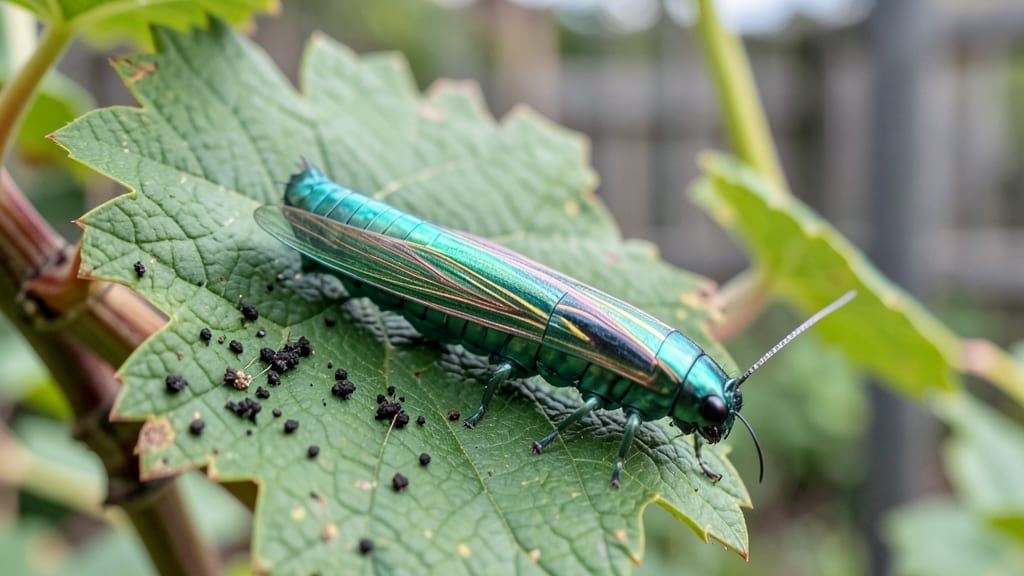
Those tiny white moths turning your grape leaves into lace are the grape leaf skeletonizer moth—and they’re about to become your least favorite garden pest. 🌿 I’ve battled these guys in my backyard vines, and the key to stopping them is acting fast before they skeletonize your entire crop.
The damage starts with small holes that expand into a web of bare veins, leaving leaves looking like Swiss cheese. Most gardeners panic and reach for harsh chemicals, but I’ve found organic traps and sprays work just as well—if you catch them early.
The trick is combining physical barriers with targeted sprays that disrupt their life cycle. By the end of this, your vines will stay lush and productive, with fewer holes and more grapes. The best part? These methods protect pollinators while keeping your harvest safe.
Let’s get those leaves healthy again—no lace patterns allowed.
First, identify the problem: look for tiny white moths fluttering near leaves or tiny black fecal pellets on the foliage. These are your first warning signs. The moths lay eggs on the undersides of leaves, and within weeks, their larvae chew through the leaf tissue, leaving only the veins behind.
I’ve seen entire vines defoliated in just a few weeks if left unchecked. The good news is that organic solutions work—pheromone traps disrupt mating, neem oil confuses their senses, and beneficial insects like parasitic wasps keep populations in check.
The secret is consistency: check your vines every few days during peak season (late spring to early summer) and act at the first sign of trouble.
Your goal is to break their life cycle before they take over. Start with pheromone traps to cut down on mating, then apply neem oil or insecticidal soap every 5-7 days for two weeks.
For severe cases, a targeted spray of kaolin clay can create a protective barrier that deters feeding. I’ve seen vines recover completely within a month of consistent treatment—no more skeletonized leaves, just healthy growth.
Long-term prevention is about creating an unfriendly environment. Plant companion flowers like alyssum or dill to attract beneficial predators, and keep your vines pruned for better airflow.
The key is vigilance: check leaves regularly, especially after rain when moths are most active. With these steps, you’ll enjoy full, vibrant grapevines all season long.
Root Causes Of Leaf Damage
The grape leaf skeletonizer moth isn’t just a random pest—it’s a highly specialized insect with a few key triggers that turn your vineyard into its all-you-can-eat buffet. Understanding these causes helps you disrupt its lifecycle before it wreaks havoc on your grapes. Here’s why this moth becomes such a nuisance.
The skeletonizer moth thrives in dense grapevines, where leaves brush against each other, creating the perfect microclimate for its survival. When vines are overpruned, overwatered, or left unthinned, the result is a tangled mess of foliage that:
- Traps heat and humidity, slowing leaf drying and extending the moth’s feeding window.
- Hides larvae from natural predators like birds and parasitic wasps.
- Reduces airflow, making fungicides and organic sprays less effective.
Actionable fix: Prune vines to open the canopy (aim for 30–50% sunlight penetration) and thin clusters to improve air circulation. Pro tip: 💡 Use vertical shoot positioning (VSP) to lift canes away from leaves, disrupting larval movement.
Skeletonizer moths time their egg-laying to coincide with new grape leaf growth—typically late May to early June in most regions. If your vines flush leaves late (due to cold springs, poor soil nutrients, or drought stress), you’re essentially rolling out the welcome mat:
- Fresh, tender leaves are the moth’s favorite snack—high in water and low in defensive compounds.
- Delayed pruning or fertilization can push new growth into peak moth activity windows.
- Organic matter buildup (like fallen leaves or mulch) provides shelter for overwintering pupae.
Actionable fix: Monitor leaf phenology (track budburst dates) and apply kaolin clay or neem oil as a deterrent 2–3 weeks before expected hatching. Pro tip: 🌡️ Use a degree-day model (base 50°F) to predict emergence—most regions hit 300–400 DD50 in late spring.
In healthy ecosystems, parasitic wasps, lacewings, and birds keep skeletonizer populations in check. But when these predators vanish—due to pesticide overuse, habitat loss, or monoculture farming—the moths explode. Key disruptors include:
| Cause | Impact on Predators |
|---|---|
| Broad-spectrum insecticides (e.g., pyrethroids) | Kills beneficial insects like ladybugs and wasps faster than the moths. |
| Removing hedgerows or wildflower strips | Eliminates nesting sites for birds and alternative prey for predators. |
| Excessive tilling or herbicide use | Destroys ground-dwelling predators (e.g., ground beetles) that eat pupae. |
Actionable fix: Introduce beneficial insects like Trichogramma wasps (egg parasites) or Cotesia (larval parasites). Plant native wildflowers (e.g., alyssum, dill) near vines to attract predators. Pro tip: ✨ Avoid spraying after dark—many beneficials are nocturnal and get caught in drift.
By addressing these root causes—vineyard density, timing of growth, and predator support—you’re not just treating symptoms; you’re starving the skeletonizer moth of its competitive edge. Next up: how to disrupt its lifecycle with organic traps and sprays.
Natural Fixes for Leaf-Eating Pests
When those tiny caterpillars start turning your grape leaves into lace-like skeletons, it’s time to act—but not with harsh chemicals! The good news? You can tackle these pests organically, effectively, and without breaking the bank.
Below are targeted solutions based on the root causes, from early detection to long-term prevention.
If you spot chewed leaves or silken webbing, act fast. These pests multiply quickly, so the sooner you intervene, the easier the fix.
🍳 Step 1: Handpick & Remove Infested Leaves
- How: Wear gloves and inspect leaves early in the morning when caterpillars are sluggish. Drop them into a soapy water bucket (1 tbsp dish soap per gallon) to kill them instantly.
- Why: Removes adults and larvae before they spread eggs.
- Pro Tip: 💡 Check under leaves, in clusters, and near new growth—these are hotspots.
👨🍳 Step 2: Disrupt Their Life Cycle with Traps
- Pheromone Traps: Place moth traps (like those for codling moths) in your vineyard. Females are drawn to the scent, reducing egg-laying.
- Yellow Sticky Traps: Hang yellow cards coated in petroleum jelly—adult moths get stuck, preventing new infestations.
- DIY Beer Trap: 🌡️ Fill a jar with beer and bury it near vines. The yeast attracts moths, drowning them overnight.
Instead of chemicals, harness predators that already hunt these pests.
🔪 Step 3: Introduce Beneficial Insects
- Parasitic Wasps (Trichogramma): These tiny wasps lay eggs inside skeletonizer eggs, killing them before they hatch. Order them online or release them at dusk when they’re most active.
- Ladybugs & Lacewings: Release 1,000–2,000 per acre—they devour young larvae. Buy them from garden centers or breed your own.
- Birds & Bats: Install bat houses or bird feeders to encourage natural pest control.
⏰ Step 4: Apply Microbial Pesticides (When Needed) If the infestation is severe, use low-toxicity sprays:
- Bacillus thuringiensis (Bt): A natural bacteria that targets caterpillars but is safe for humans, bees, and other wildlife. Spray every 7–10 days during outbreaks.
- Spinosad: Derived from soil bacteria, this neem-based alternative disrupts the moths’ nervous system. Reapply after rain.
The best defense? A healthy vineyard + smart habits to keep pests away.
🎯 Prevention Checklist: ✅ Prune for Airflow: Thin vines to reduce humidity—skeletonizers love damp, shaded areas. ✅ Mulch with Straw: Keeps soil moist but discourages moth egg-laying near the base. ✅ Crop Rotation: If possible, avoid planting grapes in the same spot year after year. ✅ Early Season Monitoring: Check for eggs (tiny white specks on leaves) in May–June and treat before larvae appear. ✅ Reflective Mulch: Use silver plastic mulch—it confuses moths and reduces egg-laying.
✨ Bonus Tip: Neem Oil Spray (Preventative Use)
- Mix 1 tsp neem oil + 1 tsp mild soap per quart of water and spray every 2 weeks during peak season. It repels adults and weakens eggs.
If your vineyard is large-scale or the infestation is uncontrollable, consider:
- Hiring a local organic pest control service (many specialize in IPM—Integrated Pest Management).
- Consulting your local Cooperative Extension office for region-specific solutions.
Remember: Patience and consistency are key. These pests won’t disappear overnight, but with early action + prevention, you’ll keep your grape leaves lush—and your harvest intact! 🍇🚫🐛
Frequently asked questions about grape leaf skeletonizer moths
What do grape leaf skeletonizer moth eggs look like?
Look for tiny, white specks about the size of a pinhead on the undersides of leaves. These eggs are often clustered near leaf veins or along the midrib. They’re nearly invisible at first but become more noticeable as they age and turn slightly yellowish before hatching.
Can I use neem oil if I have bees in my garden?
Yes, but with caution! Neem oil is generally safe for bees when applied after sunset or on cool, cloudy days. Avoid spraying directly on flowers where bees forage. For extra protection, use a 1% neem oil solution (1 tsp per quart of water) and reapply every 7-10 days during peak moth season.
How long does it take for Bacillus thuringiensis (Bt) to work?
Bt starts working within 24-48 hours after application, but you’ll see the most noticeable results in 3-5 days. The bacteria must be ingested by the caterpillars to be effective, so reapply every 7-10 days or after heavy rain. For best results, spray in the early morning when caterpillars are most active.
Will pruning my grapevines help prevent skeletonizer moths?
Pruning to open the canopy (30-50% sunlight penetration) reduces humidity and removes hiding spots for larvae. Focus on removing dense, overlapping foliage and thinning clusters to improve airflow. This makes your vines less hospitable to moths while also strengthening plant health.
What’s the best time of year to set up pheromone traps?
Set up traps in late April to early May, just as grape leaves begin to emerge. This catches adult moths before they lay eggs. Replace traps every 4-6 weeks or when they become saturated with moths. For best results, place traps 10-15 feet above ground near the outer edges of your vineyard.