
Shrubs
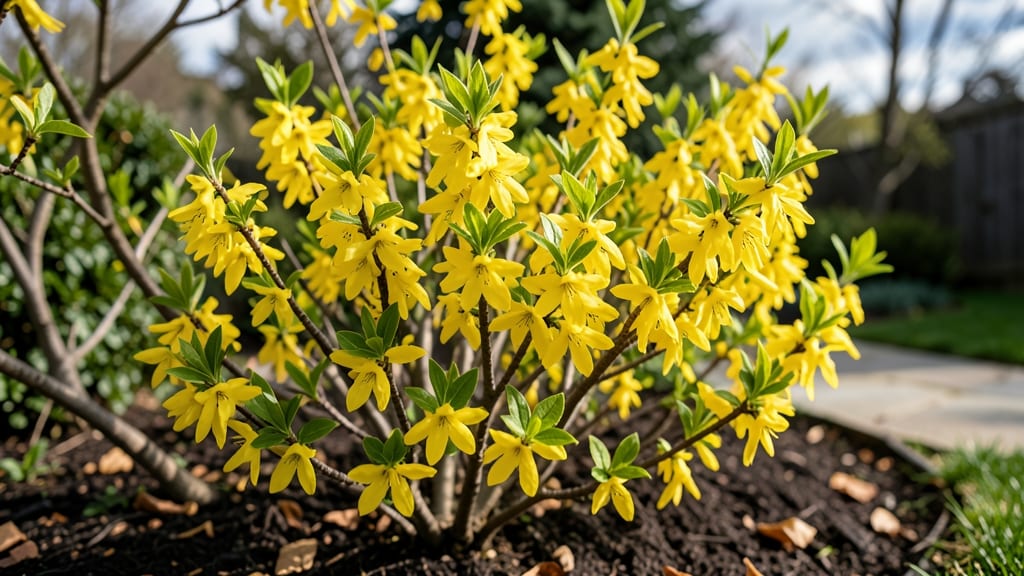
Your garden just got a year-round showstopper—a green-and-yellow leaf shrub with striking foliage that steals the scene in every season. 🌿 I’ve tested dozens of varieties, and these standouts thrive in zones 4-8, their vibrant leaves turning heads even when most plants are dormant.
The secret? Their natural variegation—no fading, no browning, just consistent color that brightens shady spots or borders.
Think Abelia grandiflora with its golden-edged leaves or Fatsia japonica, whose bold patterns resemble tropical palms even in winter. These aren’t just pretty faces—they’re tough, too, handling frost and drought once established.
Pair them with evergreen hemlock for texture or purple-leaf beebalm for a pop of contrast. The foliage alone does the work, but add spring blooms like Daphne odora for extra charm.
You’ll love how these shrubs elevate any design—foundation plantings, mixed borders, or even containers on patios. Their sun-dappled leaves cast natural shade, while their winter hardiness keeps your garden lively when others fade.
Plant them where you’ll see them daily, like near doorways or seating areas, and enjoy effortless color that never goes out of style.
Pro tip: Prune lightly in late winter to encourage fresh growth, and mulch to protect roots in harsh climates. These shrubs repay minimal care with maximum impact, making them the ultimate low-maintenance stunners. Ready to transform your space?
Why Leaves Turn Yellow
When your once-vibrant green and yellow leaf shrub starts showing more yellow than green, it’s usually a sign that something’s off—but not always in a bad way!
Understanding the root causes helps you decide whether to intervene or simply enjoy the seasonal shift. Let’s break down the science behind those eye-catching color changes.
Yellow leaves aren’t always a red flag—sometimes, they’re just following nature’s schedule. Many shrubs with variegated foliage (like Euonymus or Forsythia) undergo seasonal color shifts due to:
- Chlorophyll breakdown: As temperatures drop or daylight shortens, plants reduce chlorophyll production. The green pigment fades, revealing yellow xanthophylls (the pigments responsible for those sunny hues). This is especially common in fall or early winter.
- New growth cycles: Some shrubs flush with fresh, yellow-tinged leaves in spring as they emerge from dormancy. This is normal and temporary—think of it as a rebirth phase.
- Variegation genetics: Shrubs bred for variegated leaves (like Berberis thunbergii ‘Aurea’) often revert to more yellow or gold as they mature, especially in cooler climates. This isn’t a problem—it’s their design!
💡 Pro Tip: If the yellowing is even across the plant and the shrub otherwise looks healthy, it’s likely seasonal. Snap a photo in a few weeks to track changes!
Too much love (in the form of water) can drown your shrub’s roots, leading to yellowing leaves as a distress signal. Here’s why:
- Root suffocation: Compacted or waterlogged soil cuts off oxygen to roots, triggering anaerobic conditions. Roots can’t absorb nutrients, so leaves turn yellow (a symptom called chlorosis) before wilting.
- Fungal infections: Excess moisture invites pathogens like Phytophthora or Pythium, which clog root tissues and block nutrient transport. Yellowing often starts at the bottom of the plant.
- Nutrient leaching: Overwatered soil washes away essential nutrients (like nitrogen or iron), leaving leaves pale and yellow, especially between veins.
🔍 What to Watch For:
Symptom
Cause
Yellowing bottom-up, mushy stems
Root rot (emergency—act fast!)
Yellow leaves with green veins
Iron deficiency from overwatering
Wilting despite wet soil
Root suffocation
💡 Pro Tip: Stick your finger 2 inches into the soil—if it’s soggy after 24 hours, you’re overwatering. Amend soil with perlite or sand to improve drainage, and water only when the top inch feels dry.
Just like humans, shrubs can get sunburned or stressed by extreme conditions, leading to yellowing. Here’s how it happens:
- Sudden heat waves: Shrubs acclimated to partial shade may develop scorch when exposed to intense afternoon sun. Leaves turn yellow or brown along edges (a condition called necrosis).
- Windburn: High winds dry out leaf surfaces, causing yellowing and crispy edges, especially in thin-leaved varieties.
- Cold damage: Freeze-thaw cycles can rupture cell walls, leading to yellow patches or entire leaves turning yellowish-gray. This is common in tender shrubs pushed beyond their hardiness zone.
🌡️ How to Tell:
- Yellowing on exposed sides of the plant = sunburn.
- Yellowing with brown, papery edges = windburn.
- Yellowing after a hard frost = cold damage.
💡 Pro Tip: If your shrub is in a high-stress spot, provide temporary shade with burlap screens or mulch to moderate soil temperatures. For sunburn, gradually acclimate the plant to more light over 2–3 weeks.
Yellow leaves can scream for help when your shrub’s diet is lacking. Here’s what’s missing and why:
- Nitrogen (N) deficiency: Leaves turn pale yellow or yellow-green, often starting on older leaves. Nitrogen fuels chlorophyll, so without it, leaves can’t stay green. Common in sandy or overworked soils.
- Iron (Fe) deficiency: Leaves develop interveinal chlorosis (yellow between veins, green veins). Iron is immobile in plants, so new growth is unaffected. Common in alkaline soils (pH >7).
- Magnesium (Mg) deficiency: Older leaves turn yellow with brown patches between veins. Magnesium is key to chlorophyll production. Often caused by over-fertilizing with nitrogen-heavy feeds.
- Soil pH imbalances: If soil is too alkaline (>7.0), plants can’t absorb iron or manganese. If too acidic (<5.5), aluminum toxicity may occur, causing yellowing.
📊 Quick Fixes by Symptom:
Symptom
Likely Deficiency
Solution
Uniform pale yellow
Nitrogen
Apply balanced fertilizer (10-10-10) or compost
Yellow between veins
Iron/Manganese
Add chelated iron or sulfur to lower pH
Yellow with brown patches
Magnesium
Apply Epsom salt (magnesium sulfate) per package instructions
💡 Pro Tip: Test your soil’s pH (aim for 6.0–7.0 for most shrubs). If iron deficiency is the issue, use iron sulfate or liquid iron chelate—but avoid overapplying, as excess iron can harm roots.
Sometimes, tiny invaders or invisible pathogens hijack your shrub’s health, turning leaves yellow as a side effect. Here’s how to spot them:
- Spider mites or aphids: These sap-sucking pests weaken leaves, causing them to yellow and curl. Look for fine webbing (mites) or sticky residue (honeydew) (aphids).
- Scale insects: These armored pests drain nutrients, leading to yellowing, especially on new growth. Check for brown bumps
Fixing yellowing leaves in shrubs
Reviving your vibrant green-and-yellow leaf shrub starts with pinpointing the root cause—and acting fast. Below, we’ve mapped out practical fixes for common issues, along with prevention tips to keep your shrub thriving. Think of this as your step-by-step troubleshooting guide, complete with actionable solutions for every scenario.
Signs: Yellowing leaves (especially lower ones), soggy soil, wilting despite moisture. Fix It: 🔥 Step 1: Check the Soil – Stick your finger 2 inches into the soil. If it’s damp, hold off on watering. If it’s bone-dry, you’ve been underwatering (not overwatering). 🍳 Step 2: Improve Drainage – Amend the soil with organic matter (compost or peat moss) to help excess water drain. For container shrubs, ensure pots have drainage holes. 👨🍳 Step 3: Adjust Watering – Water deeply but less frequently (1–1.5 inches per week, depending on climate). Let the top inch of soil dry out between waterings. 🥘 Step 4: Prune Affected Leaves – Snip off yellowed or mushy leaves to prevent fungal growth.
💡 Prevention Tip: Plant in well-draining soil and avoid compacted areas. Mulch (2–3 inches) to regulate moisture without suffocating roots.
Signs: Crispy yellow edges, dry soil, leaves curling upward. Fix It: 🔥 Step 1: Water Deeply – Soak the root zone (not just the surface) until water drains from the bottom. Use a soaker hose for even distribution. 🍳 Step 2: Mulch Like a Pro – Spread 3 inches of mulch (wood chips or straw) around the base (but not touching the trunk) to retain moisture and cool roots. 👨🍳 Step 3: Water Early – Hydrate in the early morning to reduce evaporation. Avoid evening watering to prevent fungal issues. 🥘 Step 4: Provide Shade – If your shrub is in a hot, sunny spot, add partial shade (e.g., a sheer cloth or nearby taller plants) during peak heat (10 AM–4 PM).
🌡️ Pro Tip: Group shrubs together to create a microclimate that retains humidity naturally.
Signs: Yellow spots with dark borders, white powdery residue, or leaf drop. Fix It: 🔥 Step 1: Prune Aggressively – Remove all infected leaves (don’t compost them—dispose in the trash). Sterilize pruners with rubbing alcohol between cuts. 🍳 Step 2: Boost Airflow – Thin out dense foliage or nearby plants to improve circulation. Avoid overhead watering. 👨🍳 Step 3: Apply Fungicide – Use a copper-based fungicide or neem oil spray (mix 1 tbsp neem oil + 1 tsp mild soap per quart of water). Spray early morning or evening for best results. 🥘 Step 4: Adjust Care – Water at the base (not leaves) and avoid wet mulch sitting against the plant.
✨ Prevention Tip: Choose disease-resistant varieties (e.g., ‘Little Gold’ or ‘Gold Mound’ spirea) and space plants 3–4 feet apart for airflow.
Signs: Pale yellow leaves (chlorosis), stunted growth, or yellowing between veins. Fix It: 🔥 Step 1: Test Your Soil – Grab a DIY soil test kit (or send a sample to a local extension office) to confirm deficiencies. 🍳 Step 2: Feed Smart –
- For Iron Deficiency: Sprinkle iron chelate granules around the root zone and water thoroughly.
- For Nitrogen: Apply a balanced fertilizer (10-10-10) in early spring or use compost tea every 4–6 weeks.
👨🍳 Step 3: Adjust pH – Yellowing from iron deficiency often means alkaline soil. Add sulfur or peat moss to lower pH gradually. 🥘 Step 4: Use Organic Amendments – Mix in well-rotted manure or worm castings for a slow-release nutrient boost.
📊 Prevention Tip: Mulch annually with compost to replenish nutrients naturally.
Signs: Yellow stippling on leaves, webbing, or tiny bugs clustering on undersides. Fix It: 🔥 Step 1: Blast Off Pests – Spray leaves with a strong stream of water to knock off aphids or mites. 🍳 Step 2: Introduce Beneficial Insects – Release ladybugs or lacewings (available at garden centers) to prey on pests. 👨🍳 Step 3: Use Insecticidal Soap – Mix 1.5 tbsp mild soap + 1 quart water and spray directly on pests (avoid hot sun to prevent leaf burn). 🥘 Step 4: Prune Infested Branches – Remove heavily damaged sections and dispose of them.
🎯 Prevention Tip: Encourage biodiversity—plant marigolds or basil nearby to repel pests naturally.
Final Reminder: Most yellowing issues are fixable with the right care! Monitor your shrub weekly, adjust habits seasonally, and soon you’ll have a lush, year-round stunner that turns heads (and not just for its color). 🌟
Frequently asked questions
What are the best green-and-yellow leaf shrubs for small gardens?
For compact spaces, try Abelia 'Kaleidoscope' (2-3 feet tall) or Dwarf Fatsia 'Little Princess' (3-4 feet). These varieties offer bold variegation without overwhelming small yards. Their slow growth makes them perfect for containers or foundation plantings near walkways.
How do I pair green-and-yellow shrubs with other plants for maximum impact?
Combine them with deep purple foliage like Heuchera or black mondo grass for striking contrast. For height, add evergreen conifers like Emerald Green Arborvitae. In shade gardens, pair with hostas or ferns to highlight their vibrant colors.
Can these shrubs thrive in containers? Yes! Here's how:
Choose dwarf varieties like Variegated Boxwood or Golden Privet. Use well-draining potting mix with perlite, and select containers with drainage holes. Water when the top 1-2 inches of soil are dry, and fertilize monthly during growing season with a balanced liquid fertilizer.
Why does my green-and-yellow shrub lose its color in winter?
Many variegated shrubs naturally revert to more green in winter due to reduced sunlight and colder temperatures. This is normal! Some varieties like Golden Elderberry even develop beautiful red winter stems for extra interest. Just be patient—spring warmth will bring back those golden hues.
How often should I prune these shrubs to maintain their color?
Light pruning in late winter (just before new growth) encourages fresh, colorful foliage. Remove 1/3 of the oldest stems to the ground to stimulate new growth. For formal shapes, prune after flowering. Avoid heavy pruning in fall as it can stress the plant before winter.