
Pests and Diseases
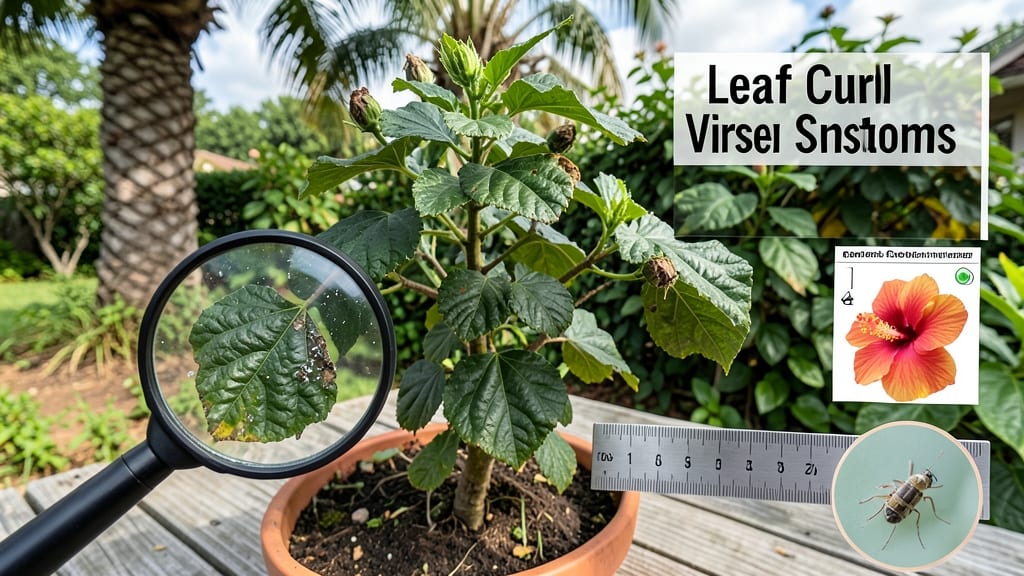
When your hibiscus leaves start curling like a crumpled paper bag, that’s hibiscus leaf curl disease striking—🌿 and it spreads faster than you’d think. I’ve watched this virus turn vibrant tropical blooms into sad, stunted shrubs, but there’s hope if you catch it early.
The key is spotting those telltale curled leaves and yellowing veins before the whole plant gives up.
This disease usually hitches a ride on aphids or through infected cuttings, so prevention starts with keeping your plants healthy and aphid-free. Once it’s in your garden, though, you’ll need to act fast—removing infected leaves (or plants) and using organic sprays like neem oil can slow it down.
It’s not a cure, but it buys you time to save your hibiscus.
With the right approach, you can keep your hibiscus thriving for years. The goal is to stop the spread, strengthen the plant’s defenses, and—if all else fails—replace heavily infected plants before the virus takes over. Here’s how to do it without harsh chemicals.
Even if you’ve lost plants to this before, don’t give up. Hibiscus are resilient, and with early action, you can protect your garden’s beauty. Let’s get your plants back on track.
Root Causes Of Leaf Distortion
When your hibiscus plants start showing signs of curling, yellowing, or stunted growth, it’s often a cry for help from the plant itself. Understanding the why behind these symptoms is the first step toward effective prevention and treatment.
Hibiscus leaf curl disease—primarily caused by the Hibiscus Chlorotic Ringspot Virus (HCRSV) or Hibiscus Leaf Curl Virus (HLCV)—is a complex issue rooted in biological, environmental, and human factors. Below, we break down the key culprits behind this frustrating problem.
At the heart of hibiscus leaf curl disease lies a viral infection, typically transmitted by whiteflies (Bemisia tabaci). These tiny, sap-sucking pests don’t just feed on your plants—they act as vectors, spreading viruses from infected plants to healthy ones. Here’s how it works:
- Whitefly Feeding: When whiteflies pierce plant tissues to feed, they inject viral particles into the phloem (the plant’s vascular system). The virus then replicates, disrupting normal cell function and causing leaf curling, thickening, and distortion.
- Virus Types:
- Hibiscus Chlorotic Ringspot Virus (HCRSV): Causes yellow rings, leaf curling, and stunted growth.
- Hibiscus Leaf Curl Virus (HLCV): Leads to severe leaf deformation, reduced flowering, and even plant death in advanced stages.
- Systemic Spread: Once infected, the virus spreads throughout the plant via the vascular system. There’s no cure—only management to prevent further spread.
💡 Pro Tip: If you notice whiteflies on your hibiscus (check the undersides of leaves for tiny, white, moth-like insects), act fast. Isolate infected plants immediately to contain the virus.
While viruses are the primary cause, environmental factors create the perfect storm for outbreaks. Stressed hibiscus plants are far more susceptible to infections. Key stressors include:
| Factor | How It Contributes | Actionable Fix |
|---|---|---|
| Poor Drainage | Waterlogged soil weakens roots, reducing the plant’s ability to fight off pathogens. | Amend soil with perlite or sand; ensure pots have drainage holes. |
| Extreme Temperatures | Heatwaves or cold snaps shock the plant, making it vulnerable to viral attacks. | Provide shade in summer; mulch to regulate soil temperature. |
| Nutrient Deficiencies | Lack of nitrogen, phosphorus, or magnesium weakens foliage, making it easier for viruses to take hold. | Use a balanced fertilizer (e.g., 10-10-10) every 4-6 weeks. |
| High Humidity | Moist conditions encourage whitefly populations and fungal secondary infections. | Improve airflow with spacing or fans; avoid overhead watering. |
✨ Key Insight: Healthy hibiscus plants are resistant to viral infections. Focus on optimal growing conditions to bolster their natural defenses.
Sometimes, the problem isn’t nature—it’s us. Hibiscus leaf curl disease often spreads due to poor gardening practices. Here’s how:
- Contaminated Tools: Pruners, knives, or even hands can transfer viral particles from infected to healthy plants. Always sanitize tools with 70% rubbing alcohol between uses.
- Infected Plant Material: Buying or propagating hibiscus from nurseries with infected stock is a common mistake. Inspect new plants for curling, yellowing, or whitefly activity before bringing them home.
- Cross-Contamination in Greenhouses: If you grow hibiscus in a greenhouse, poor ventilation or shared spaces with infected crops can accelerate viral spread.
- Overcrowding: Dense plantings reduce airflow, creating ideal conditions for whiteflies and secondary infections.
🔥 Prevention Tip: Quarantine new plants for 2-4 weeks and monitor them closely before introducing them to your garden.
Once a hibiscus plant is weakened by a viral infection, it becomes an easy target for fungal pathogens. Common culprits include:
- Botrytis cinerea (Gray Mold): Thrives in moist, curled leaves, causing brown, mushy spots.
- Alternaria spp.: Leads to dark, concentric rings on leaves, further stressing the plant.
These fungi don’t cause leaf curl directly but exacerbate the damage, making recovery nearly impossible. The solution? Prevent the initial viral infection and maintain a clean, dry growing environment.
Revive Your Hibiscus Naturally
Once you’ve spotted the twisted leaves, yellowing, or stunted growth of hibiscus leaf curl disease, act fast with these targeted solutions. Below, we’ve mapped the most common causes to practical fixes—plus prevention tips to keep your plants thriving.
If your hibiscus leaves are curling, thickening, or developing a mosaic pattern, a virus (likely transmitted by whiteflies) is the culprit. Unfortunately, there’s no cure for viral infections, but you can contain and manage the spread:
- 🔥 Remove Infected Plants Immediately
- Snip off severely curled leaves with sterilized pruners (wipe with rubbing alcohol between cuts).
- If the entire plant is infected, dig it up and dispose of it in sealed trash (not compost) to prevent spreading.
- 👨🍳 Boost Plant Immunity
- Neem oil spray (1 tsp neem oil + 1 tsp mild soap + 1 quart water) applied weekly can help strengthen healthy leaves.
- Compost tea (fermented compost in water) provides beneficial microbes that support plant resilience.
- 🌡️ Optimize Growing Conditions
- Prune for airflow: Thin dense foliage to reduce humidity where whiteflies thrive.
- Avoid overhead watering—water at the base to discourage fungal secondary infections.
Whiteflies spread the virus, so eliminating them is critical. Try these organic methods:
| Method | How to Do It | Frequency |
|---|---|---|
| 🍳 Yellow Sticky Traps | Hang yellow cards coated with petroleum jelly near plants. | Check weekly |
| 🔪 Neem Oil Spray | Mix 2 tbsp neem oil + 1 tsp dish soap in 1 gallon water. Spray undersides of leaves. | Every 5–7 days |
| 🌿 Beneficial Insects | Release ladybugs or lacewings (natural whitefly predators). | Once per season |
| 💡 DIY Soap Spray | 1 tbsp castile soap + 1 quart water. Spray directly on whiteflies. | Every 3–4 days |
✨ Pro Tip: Whiteflies love new growth—focus sprays on tender shoots and flowers.
An ounce of prevention saves pounds of heartache. Follow these long-term strategies:
- 🔥 Quarantine New Plants
- Keep newly purchased hibiscus separate for 2–4 weeks before introducing them to your garden.
- 🌡️ Maintain Plant Health
- Fertilize lightly (too much nitrogen = weak plants vulnerable to pests).
- Rotate crops if growing hibiscus in containers—don’t replant in the same soil yearly.
- 🎯 Monitor & Act Early
- Inspect leaves weekly (especially undersides) for whiteflies or curling.
- Remove fallen leaves—they can harbor viruses and pests.
- 💡 Strengthen Soil
- Amend soil with compost and mycorrhizal fungi to improve root health and disease resistance.
Final Reminder: While you can’t cure a viral infection, aggressive pest control and plant care can help your hibiscus recover—and prevent the disease from spreading to other plants. 🌿✨
Frequently asked questions
What are the first signs of hibiscus leaf curl disease?
Look for new leaves curling upward like tiny cups, yellowing veins, and thickened, leathery texture. You may also spot whiteflies on leaf undersides—these tiny pests spread the virus. Early detection is key to preventing spread.
Can I save a hibiscus plant already showing leaf curl symptoms?
There's no cure for the virus, but you can prune infected leaves immediately with sterilized tools and isolate the plant to prevent spread. Boost its health with neem oil sprays and compost tea to support recovery of unaffected growth.
How do I prevent hibiscus leaf curl from spreading to other plants?
Remove infected plants completely (don't compost them), sterilize tools between cuts with rubbing alcohol, and quarantine new plants for 2-4 weeks. Use yellow sticky traps to monitor for whiteflies and release beneficial insects like ladybugs.
What's the difference between leaf curl disease and regular heat stress?
Heat stress causes drooping leaves that recover when temperatures drop, while leaf curl disease creates permanent upward curling with thickened veins. Check for whiteflies—if present, it's likely the virus. Heat stress also affects older leaves first, while leaf curl targets new growth.
Will chemical pesticides work against hibiscus leaf curl?
Chemical pesticides won't cure the viral infection, but they can help control whiteflies that spread it. For organic options, neem oil or insecticidal soap work well. The focus should be on removing infected plants and preventing whitefly infestations rather than treating the virus itself.