
Leaf Blower
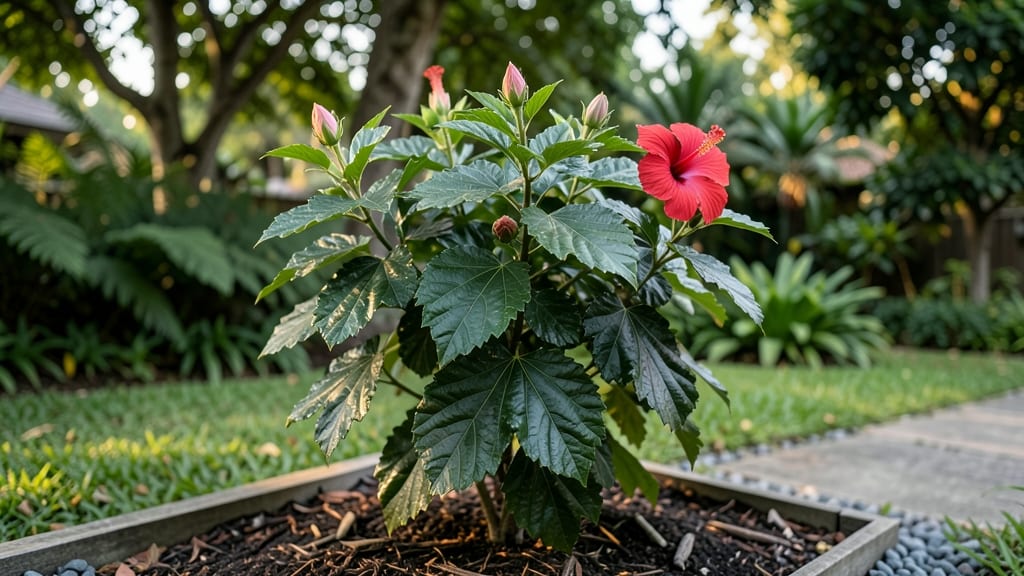
Growing hibiscus maple leaf turns your garden into a living masterpiece with bold foliage that thrives through winter. 🌿 The secret lies in its cold-hardy nature and dramatic, maple-like leaves that shift from deep red to vibrant green—plus stunning flowers that bloom from summer into fall.
This isn’t your average hibiscus; it’s a low-maintenance showstopper that rewards patience with year-round interest. The plant loves full sun to partial shade and well-draining soil, but it’s surprisingly forgiving—even in less-than-ideal conditions. Water consistently the first year to establish roots, then let the soil dry slightly between waterings.
Prune in late winter or early spring to shape the plant and encourage fresh growth, but avoid heavy cuts that could stress it. By summer, you’ll be rewarded with clusters of bright red or pink flowers that attract hummingbirds, followed by seed pods that add texture.
The foliage alone makes it worth growing, but the flowers turn heads in any season. Even in colder climates, this hibiscus keeps its leaves longer than most, making it a standout perennial. Works in borders, containers, or as a focal point—just give it space to spread.
The best part? It’s disease-resistant and rarely bothered by pests, so you’ll spend more time admiring it than fixing problems. Let’s get your garden ready for this cold-hardy star!
Understanding Leaf Distress Causes
When your hibiscus maple leaf (or Abutilon hybridum) starts showing signs of stress—whether it’s yellowing, curling, or dropping prematurely—it’s often a cry for help from the plant itself.
But what’s really triggering these reactions? Let’s break down the most common culprits and why they disrupt your plant’s health, so you can take targeted action.
Hibiscus maple leaves are notoriously cold-sensitive, even though they’re often marketed as "cold-hardy." Here’s why they suffer in chilly weather:
- Cold Shock Damage 🥶: Temperatures below 40°F (4°C) can cause cellular damage in leaves, leading to brown, crispy edges or blackened patches. This happens because cold weather disrupts water flow in the plant’s vascular system, causing oxidative stress (like rust forming inside cells).
- Frostbite vs. Freeze Injury:
- Frostbite (32–40°F / 0–4°C): Leaves may develop water-soaked spots that turn brown.
- Hard Freeze (<32°F / 0°C): Cells burst from ice crystal formation, leading to sudden leaf drop or blackened stems.
- Recovery Signs: If leaves survive mild cold snaps, they may recover once temperatures rise—but severe damage is permanent.
Actionable Fix:
- Protect young plants with frost cloth or move potted varieties indoors before the first frost.
- Mulch heavily (3–4 inches of straw or wood chips) to insulate roots.
- Avoid overhead watering before cold snaps—wet leaves freeze faster.
Hibiscus maple leaves hate inconsistency—whether from drought or soggy soil. Here’s the science behind the struggle:
| Issue | Why It Happens | Leaf Symptoms |
|---|---|---|
| Underwatering | Roots shrink from dehydration, plasma membranes (cell walls) break, and chlorophyll production stops. | Crispy, brown edges, wilting, leaf drop. |
| Overwatering | Oxygen deprivation in roots triggers anaerobic respiration, producing ethanol (toxic to cells). | Yellowing (chlorosis), mushy stems, fungal root rot. |
| Poor Drainage | Waterlogging causes root suffocation, leading to nutrient starvation. | Drooping leaves, stunted growth, blackened roots. |
Actionable Fix:
- Water deeply but infrequently—let the top 1–2 inches of soil dry out between waterings.
- Use well-draining soil (mix potting soil with perlite or sand).
- Check soil moisture with a moisture meter or stick your finger 2 inches deep—if dry, water; if soggy, hold off.
Hibiscus maple leaves love bright light but burn easily in harsh conditions. Here’s how light affects them:
- Sunburn (Excess Light) 🔥: Direct midday sun (especially in hot climates) causes photoxidative damage, where excess UV light breaks down chlorophyll. Leaves develop bleached or white patches (like sunburn on skin).
- Leggy Growth (Low Light) 🌿: Without enough photosynthesis, leaves stretch out (etiolation) to seek light, becoming pale, weak, and sparse.
Actionable Fix:
- Morning sun + afternoon shade is ideal (e.g., east-facing window or dappled sunlight outdoors).
- Gradually acclimate indoor plants to outdoor light to avoid sun shock.
- Use sheer curtains to diffuse harsh indoor light.
Hidden attackers can sap nutrients or clog leaf pores, leading to distress. Common culprits:
- Spider Mites 🕸️: These tiny arachnids suck cell sap, causing yellow stippling (tiny white dots) and webbing on undersides of leaves. They thrive in dry, hot conditions.
- Aphids 🐜: Cluster on new growth, injecting toxins that cause curling, sticky honeydew (leading to sooty mold).
- Fungal Leaf Spot 🍄: Overhead watering or high humidity creates perfect conditions for Alternaria or Septoria fungi, causing dark spots with yellow halos.
Actionable Fix:
- Spray leaves with neem oil (1 tsp per quart of water) weekly as a preventive.
- Blast off pests with a strong water spray (disrupts their life cycle).
- Remove infected leaves immediately and sterilize pruners with rubbing alcohol.
Even the hardiest hibiscus maple leaves struggle without the right balance of nutrients. Here’s what’s missing (or in excess):
| Symptom | Likely Cause | Fix It With |
|---|---|---|
| Yellowing between veins (chlorosis) | Iron or magnesium deficiency (can’t produce chlorophyll). | Chelated iron spray or Epsom salt (1 tbsp/gallon water). |
| Purple stems/leaves | Phosphorus deficiency (struggling to flower/grow). | Bone meal or phosphorus-rich fertilizer. |
| Brown leaf tips | Over-fertilization (salt buildup) or low humidity. | Flush soil with water, reduce fertilizer, use humidifier. |
| Slow growth, weak stems | Nitrogen deficiency (can’t build proteins). | Balanced fertilizer (10-10-10) or compost tea. |
Actionable Fix:
- Test soil pH (ideal: 6.0–7.0 for hibiscus maples).
- Fertilize lightly in spring/summer (avoid fall/winter).
- Use organic matter (compost, worm castings) to slow-release nutrients.
Beyond the basics, wind, pollution, and even household toxins can stress your plant:
- Wind Burn 💨: Dry, gusty winds desiccate leaf edges, causing brown, papery margins (common in outdoor plants).
- Indoor Pollutants 🏠: Smoke, chemicals, or dry air (from HVAC) clog stomata (leaf pores), reducing gas exchange and causing stunted growth.
Actionable Fix:
- Shelter outdoor plants from prevailing winds with a windbreak (e.g., lattice fence).
- Keep indoors away from kitchens, bathrooms, or heaters.
- Mist leaves occasionally (or use a pebble tray) to boost humidity.
Revive Your Hibiscus Maple Leaf
Transforming your hibiscus maple leaf from struggling to stunning is easier than you think! Whether it’s wilting, discolored, or plagued by pests, these targeted solutions will help you nurse it back to health—plus, pro tips to keep it thriving long-term. Let’s dive in!
Cause: Overwatering, underwatering, or nutrient deficiencies. Solution:
- Check the soil moisture 💧—stick your finger 1–2 inches deep. If damp, hold off on watering; if dry, give it a deep drink.
- Adjust your watering routine: Hibiscus maple leaves prefer consistently moist (not soggy) soil. Water when the top inch feels dry, and ensure pots have drainage holes.
- Fertilize lightly 🌿—use a balanced, water-soluble fertilizer (10-10-10) every 4–6 weeks during growing season (spring–fall). Overdoing it burns roots!
- Prune damaged leaves ✂️—snip off yellow or brown leaves at the base to redirect energy to healthy growth.
Prevention Tip: 💡 Mulch around the base (2–3 inches of organic mulch) to retain moisture and regulate soil temperature.
Cause: Excess humidity, poor airflow, or contaminated tools. Solution:
- Remove infected leaves immediately 🧹—dispose of them in the trash (not compost) to prevent spread.
- Apply a fungicide 🛡️—use neem oil (1 tsp per quart of water) or a copper-based fungicide every 7–10 days until the issue clears.
- Improve airflow 🌬️—space plants 3–4 feet apart or trim nearby foliage blocking sunlight.
- Water at the base 💦—avoid wetting leaves (especially in the evening) to reduce fungal growth.
Prevention Tip: ✨ Sterilize pruners with rubbing alcohol between cuts to avoid cross-contamination.
Cause: Weak plants attract pests; dry conditions invite mites. Solution:
- Blast off pests 💦—spray leaves with a strong stream of water to dislodge aphids or spider mites.
- Use insecticidal soap 🧼—mix 2 tbsp mild soap (like Castile) with 1 quart water, spray thoroughly, and reapply every 3–5 days.
- Introduce beneficial insects 🐞—ladybugs or lacewings devour aphids naturally (available at garden centers).
- Wipe down leaves 🧽—use a damp cloth to remove scale insects or sticky residue from aphids.
Prevention Tip: 🌡️ Keep humidity moderate (40–60%)—pests thrive in dry, dusty environments.
Cause: Temperatures below 20°F (-7°C) harm hibiscus maple leaves. Solution:
- Prune dead branches ✂️—cut back blackened or mushy stems to the first healthy bud.
- Protect young plants ❄️—cover with burlap or frost cloth if frost is forecasted (remove during the day).
- Mulch heavily 🍂—add 4–6 inches of straw or leaves around the base to insulate roots.
- Wait to fertilize 🚫—hold off until spring to avoid stressing the plant.
Prevention Tip: 🎯 Plant in sheltered spots near walls or fences to reduce wind chill.
Bonus Pro Tip: 🌿 Rotate your plant every few weeks to ensure even sunlight exposure—this prevents leggy growth and keeps leaves lush!
With these fixes, your hibiscus maple leaf will bounce back stronger than ever. Consistency is key—monitor soil, pests, and sunlight regularly to keep it happy year-round!
Frequently asked questions
What exactly is a hibiscus maple leaf plant?
This stunning perennial features dramatic, maple-shaped leaves that shift from deep red to vibrant green as they mature. The plant belongs to the hibiscus family but differs from tropical hibiscus—it’s cold-hardy and prized for its bold foliage and clusters of bright flowers that bloom from summer through fall. Its scientific name is often Abutilon hybridum.
How cold can hibiscus maple leaf tolerate?
Most varieties handle light frosts down to 20°F (-7°C), but prolonged exposure below 15°F (-9°C) can cause leaf damage. Young plants are more vulnerable—protect them with frost cloth or move potted specimens indoors during winter. Mulching heavily (3-4 inches) helps insulate roots in colder climates.
Can I grow hibiscus maple leaf in containers?
This plant thrives in pots with proper drainage and well-draining soil. Choose containers at least 12 inches wide to accommodate its spreading habit. Use a mix of potting soil and perlite, and water consistently—containers dry out faster than garden beds. Rotate the pot occasionally for even growth.
Why are my hibiscus maple leaves turning yellow?
Yellowing typically signals overwatering or nutrient deficiency. Check soil moisture—if soggy, reduce watering. Yellowing between veins often indicates iron deficiency (try chelated iron spray), while yellowing with brown edges suggests salt buildup from over-fertilizing. Prune affected leaves to encourage new growth.
How do I encourage more flowers on my hibiscus maple leaf?
Prune strategically in late winter to remove dead growth and shape the plant. Feed with a phosphorus-rich fertilizer (like bone meal) in early spring, and ensure it gets 6+ hours of sunlight daily. Deadhead spent blooms regularly to redirect energy toward new flowers. Avoid heavy pruning after mid-summer.