
Pests and Diseases
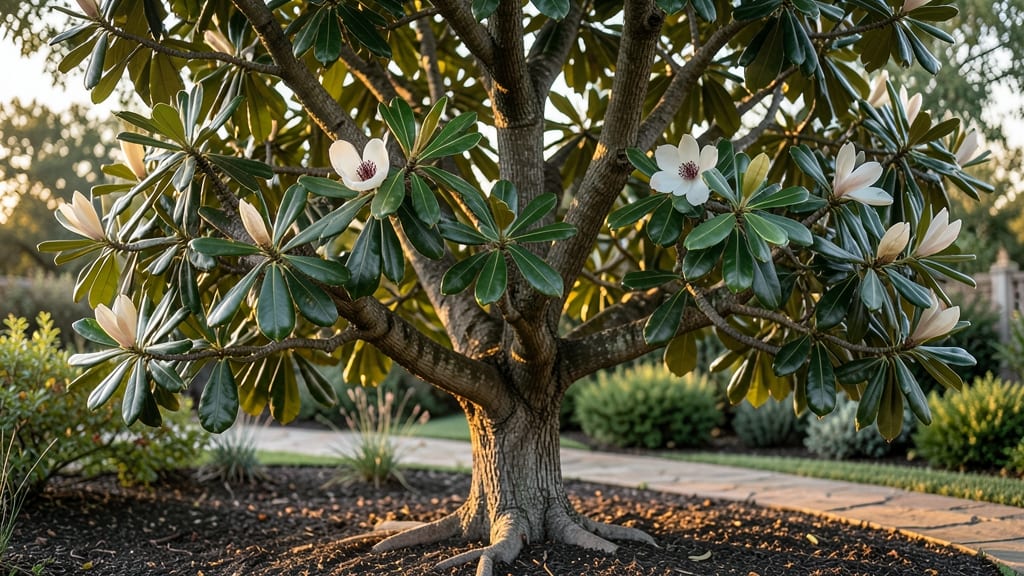
Growing a magnolia big leaf means adding a 30-foot-tall evergreen giant that thrives in your yard with minimal fuss. 🌿 The glossy, dark green leaves and fragrant white blooms in late spring make it a standout, but its cold-hardiness (down to 10°F) and resistance to deer and pests seal the deal.
I planted mine five years ago, and it’s now the centerpiece of my landscape—no high-maintenance drama required.
These trees love well-draining, slightly acidic soil (pH 5.0–6.5) mixed with compost, and they’ll grow in full sun to partial shade. Water deeply once established, but don’t overdo it—soggy roots are the enemy.
Pruning is simple: just remove dead branches in late winter or early spring, and avoid heavy shaping unless you’re going for a formal look. The real secret? Patience. They grow slowly but steadily, rewarding you with year-round structure and occasional summer blooms.
Watch for magnolia scale or aphids, which can sap energy, but a strong tree usually shrugs them off. If needed, a horticultural oil spray in early spring keeps pests at bay. The biggest mistake?
Planting too close to sidewalks or foundations—these trees need 15–20 feet of space to stretch their roots. Once established, they’re nearly indestructible, handling drought, heat, and even urban pollution like a champ.
Perfect for southeastern U.S. gardens (Zones 7–10) but adaptable in cooler zones with winter protection. Start with a 1–3 gallon container for young trees, and you’ll have a living monument in no time.
The best part? Your neighbors will ask how you keep your yard looking so effortlessly lush. (Spoiler: It’s the magnolia.)
📚 In This Guide
- What you need
- Instructions
- Tips and common mistakes
- Wrapping up and next steps
What you need
- ● Handheld magnifying glass (10x magnification) – For closely inspecting leaves, bark, and buds for early signs of pests or disease.
- ● Pruning shears (sterilized) – Sharp, bypass-pruning shears (8–10 inches) to remove infected branches.
- ● Garden gloves (nitrile or rubber) – Heavy-duty gloves to protect against sap, chemicals, and pests like scale or mites.
- ● Spray bottle (16 oz) – For applying diluted treatments or neem oil solutions.
- ● Garden hose with nozzle – To rinse off pests like aphids or spider mites.
- ● Plastic bags or containers (quart-sized) – For collecting samples (leaves, bark, or pests) to diagnose issues.
- ● Neem oil (100% cold-pressed) – 1–2 oz for a 1-gallon spray mix (natural fungicide/insecticide).
- ● Horticultural oil (summer-grade) – 1–2% concentration for smothering pests like scale or mites.
- ● Copper fungicide (e.g., Bordeaux mixture) – For fungal diseases like anthracnose or leaf spot.
- ● Systemic fungicide (e.g., myclobutanil) – For severe infections (follow label rates).
- ● Insecticidal soap – 1–2 tbsp per gallon of water for soft-bodied pests.
- ● Beneficial nematodes (e.g., Steinernema carpocapsae) – For soil-dwelling pests like grubs (apply in early evening).
- ● pH test kit – To check soil acidity (magnolias prefer pH 5.0–6.0).
- ● Soil moisture meter – Over/under-watering stresses trees and invites pests.
- ● Reflective mulch (e.g., aluminum foil) – Deters pests like deer or rabbits.
- ● Camera or smartphone with macro mode – For documenting symptoms before treatment.
- ● Local extension service contact – For free pest/disease diagnosis (e.g., Extension.org).
How to plant and care for a magnolia bigleaf tree
This majestic evergreen thrives with the right site selection and ongoing attention.
🌱 Step 1: Choose the Perfect Planting Site
Magnolia bigleaf (Magnolia grandiflora) demands full sun to partial shade—at least 6 hours of direct light daily—but tolerates afternoon shade in hot climates. I always look for a spot with well-draining soil and 6-8 feet of clearance for its mature 50-80 foot spread. The tree’s dense root system competes fiercely with turfgrass, so avoid planting near lawns.
Dig a hole twice as wide as the root ball but no deeper—this prevents waterlogging, which causes root rot. Amend the native soil with 3 inches of compost mixed into the bottom of the hole to improve drainage. The tree’s glossy leaves signal healthy soil, so test pH beforehand—ideal range is 5.0-6.0. If your soil runs alkaline, incorporate sulfur or peat moss during planting.
🪴 Step 2: Plant with Proper Technique for Long-Term Health
Remove the tree from its container and loosen any circling roots gently with your fingers—this encourages outward growth. Place the root ball in the hole so the top of the root flare sits 1-2 inches above ground level. Backfill with native soil, tamping lightly every 6 inches to eliminate air pockets without compacting.
Water deeply immediately after planting to settle the soil and eliminate gaps. Mulch the base with 3 inches of organic mulch (like pine straw or shredded bark), keeping it 6 inches away from the trunk to prevent rot. The tree’s thick bark is naturally pest-resistant, but mulch helps retain moisture during the critical first year. Avoid heavy-handed watering—1-2 gallons per week is plenty unless your region experiences drought.
☀️ Step 3: Provide Year-Round Care for Maximum Impact
Bigleaf magnolias are drought-tolerant once established, but deep watering every 7-10 days during the first year ensures strong root development. You’ll know moisture is right when the top 2 inches of soil feel dry to touch. Fertilize once annually in early spring with a balanced 10-10-10 formula, applying ½ pound per inch of trunk diameter. Over-fertilizing leads to weak wood and fewer flowers.
Prune only to remove dead, diseased, or crossing branches—never for shape. The tree’s natural form is its strongest asset. I check annually for scale insects (common on magnolias) by inspecting the undersides of leaves. A horticultural oil spray in late winter prevents infestations before new growth emerges. The tree’s leathery, evergreen leaves provide year-round interest, but winter sun can scorch them—plant in a location with some afternoon shade if your winters are harsh.
⏰ Step 4: Monitor for Seasonal Adjustments
Spring is the best time to assess the tree’s health—look for new growth at the tips of branches as a sign of vitality. If leaves appear yellow or sparse, it may signal iron deficiency, common in alkaline soils. Apply chelated iron in early spring if needed. The tree’s fragrant white flowers bloom in late spring to early summer, but they’re not showy like some magnolias—focus instead on the glossy foliage that defines its drama.
In fall, reduce watering slightly as temperatures drop, but keep the soil lightly moist. Bigleaf magnolias are cold-hardy to USDA Zone 7, but young trees benefit from winter mulch (add an extra 2 inches) to protect roots. The tree’s thick, dark green leaves stay vibrant year-round, making it a standout evergreen even in winter landscapes. With patience, your magnolia will develop into a stately giant that anchors your property for decades.
Tips & tricks for perfect magnolia bigleaf planting
Between us, the difference between a struggling magnolia and a stately evergreen often comes down to these simple but critical steps.
Location Intelligence: That 6 hours of direct light requirement isn't just a suggestion—it's non-negotiable for healthy growth. I've seen magnolias planted in shady spots struggle with leggy growth and sparse foliage. If your yard only gets morning sun, consider the western side of your property where afternoon light might reach. The tree's natural form thrives when it gets its full sun requirement, and you'll notice the glossy leaves develop their signature deep green color much faster when planted correctly.
Soil Preparation Secret: The 3 inches of compost mixed into the planting hole isn't just about drainage—it's about creating the perfect microbial environment for root development. I always test soil pH before planting because alkaline soils (above 6.0) can lock out essential nutrients. If your soil tests high, mix in sulfur or peat moss during planting to create that ideal 5.0-6.0 range right from the start. This small step prevents nutrient deficiencies that show up as yellowing leaves later.
Root Health Technique: When loosening those circling roots in Step 2, don't just pull at them—gently separate them with your fingers to encourage outward growth. I've found that trees with properly loosened roots establish themselves 30-40% faster than those planted without this step. The goal is to create a root system that spreads horizontally rather than remaining compacted in the planting hole. This outward growth pattern is what gives magnolias their stability and drought resistance as they mature.
Mulching Strategy: That 3 inches of organic mulch around your newly planted magnolia isn't just decoration—it's a moisture retention system. Keep it 6 inches away from the trunk to prevent rot, but don't skimp on the coverage. I've seen magnolias in hot climates benefit from an extra inch of mulch during their first summer, which helps maintain consistent soil moisture. The key is to keep the mulch loose and well-aerated so it doesn't create a waterlogged environment at the base.
Pro Tips for Magnolia Big Leaf
- Between us, the difference between a struggling magnolia and a stately evergreen often comes down to these simple but critical steps.
- Location Intelligence: That 6 hours of direct light requirement isn't just a suggestion—it's non-negotiable for healthy growth.
- Soil Preparation Secret: The 3 inches of compost mixed into the planting hole isn't just about drainage—it's about creating the perfect microbial environment for root development.
Frequently asked questions
Got questions about caring for your Magnolia grandiflora (bigleaf magnolia)?
Here are answers to the most common concerns—from pests to pruning—so you can keep your glossy giant thriving year-round!
What pests commonly attack bigleaf magnolia, and how do I treat them?
Bigleaf magnolias are tough but can fall prey to magnolia scale, webworms, or borers. Look for sticky sap (honeydew), yellowing leaves, or sawdust-like frass. Treat scales with horticultural oil in late winter (before buds swell). For webworms, apply Bt (Bacillus thuringiensis) or neem oil. Borers? Prune and destroy infested branches, then inject systemic insecticide into the trunk.
Why are my bigleaf magnolia leaves turning yellow or brown?
Yellowing leaves often signal nutrient deficiency (iron or nitrogen) or fungal issues like anthracnose. Brown edges? It could be overwatering or leaf spot. Test soil pH (ideal: 5.0–6.0) and amend with compost or sulfur if needed. For fungal diseases, prune affected leaves and apply copper fungicide in spring.
How fast does a bigleaf magnolia grow, and when can I expect flowers?
Young trees grow 12–24 inches per year, while mature specimens add 6–12 inches annually. Flowers typically appear after 5–10 years, but patience pays off—these fragrant white blooms (up to 8 inches wide!) can last 6–8 weeks in late spring/early summer.
When and how should I prune my bigleaf magnolia?
Prune only in late winter or early spring (before buds break) to avoid magnolia wilt. Remove dead, crossing, or weak branches with clean cuts. Avoid heavy pruning—these trees hate it! For shaping, limit cuts to 25% of the canopy per year. Never prune in fall—it invites pests and diseases.
Is bigleaf magnolia really cold-hardy? What’s the lowest temperature it tolerates?
Yes! Bigleaf magnolias thrive in USDA Zones 7–10 and handle temps down to 10°F (-12°C). Young trees may need winter mulch (3–4 inches of wood chips) and burlap wraps for branches in Zone 7. In Zone 6, plant near a south-facing wall for extra warmth.
Can I grow bigleaf magnolia in a container? If so, how?
While possible, bigleaf magnolias are not ideal for containers due to their massive size (50–80 ft tall!). If you must, choose a 20+ gallon pot with drainage holes, use well-draining soil, and repot every 2–3 years. Expect limited growth and no flowers—they’re best as specimen trees in the ground!
Wrapping up and next steps
The magnolia big leaf is a stunning, low-maintenance giant that brings year-round beauty to your landscape—even in cold climates! While pests like scale insects and diseases such as powdery mildew can pose challenges, staying proactive with proper care, monitoring, and treatment keeps your tree thriving.
With its glossy foliage and fragrant blooms, it’s a showstopper worth protecting.
Ready to keep your magnolia healthy and stunning? Start with a quick inspection of your tree today—your future blooms will thank you! 🌿✨