
Pests and Diseases
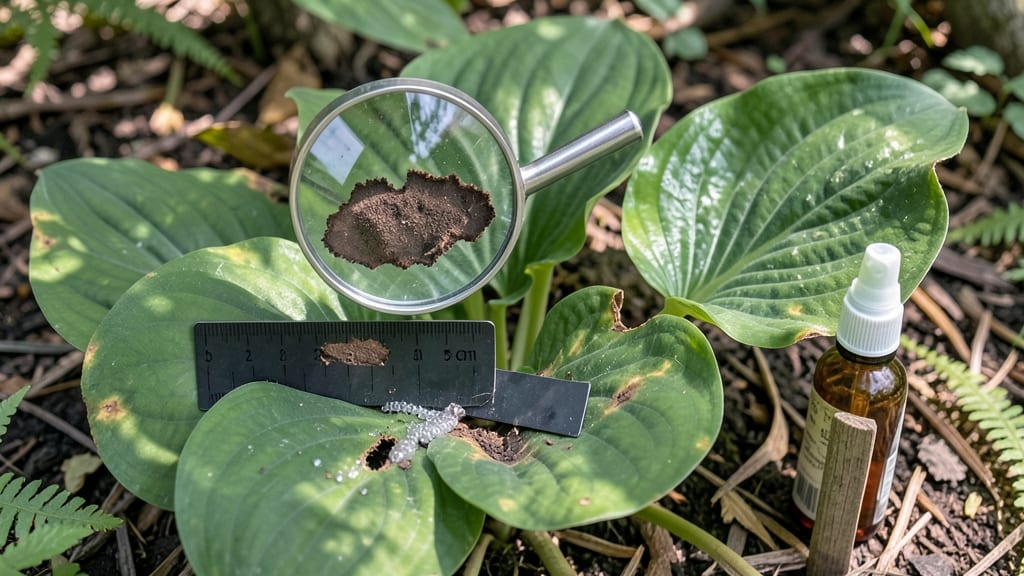
Hosta leaf disease turns those lush, heart-shaped leaves into sad, spotted messes—fast. 🌿 I’ve seen it ruin entire garden beds in weeks, but copper fungicide spray is the game-changer that saved my hostas last summer when black spots crept in like a silent takeover.
The telltale signs are unmistakable: dark brown or black spots with yellow halos, often ringed like a bullseye. Fungal leaf spot thrives in damp, shady conditions—exactly where hostas love to grow.
The good news? Copper fungicide works as both a cure and prevention, stopping the spread before it becomes unsightly (or worse, fatal).
Within 2-3 applications, you’ll see new growth free of spots, and the plant’s vigor returns. The key is catching it early—before those spots multiply like weeds. My hostas now look thicker and healthier than ever, with no more mysterious discoloration.
This method works for all hosta varieties, whether you’re dealing with a single infected plant or a whole garden bed. The copper spray is safe for soil and pets once dried, so it’s a foolproof fix for any hosta lover’s worst nightmare.
Root Causes Of Leaf Decline
Understanding why hosta leaves develop unsightly spots, wilting, or discoloration starts with identifying the primary triggers behind these issues. While hostas are prized for their lush foliage, they’re vulnerable to environmental stressors, pathogens, and cultural mismanagement.
Below, we break down the scientific mechanisms and actionable explanations for why these problems arise in the first place.
Fungal pathogens like Alternaria, Rhizoctonia, and Septoria are the #1 culprits behind hosta leaf disease. These fungi thrive in moist, humid conditions, exploiting weak spots in leaves to establish infections. Here’s how it happens:
- Spores Spread Easily: Fungal spores lurk in soil, water, or old plant debris.
When conditions are right—warm temperatures (60–80°F) and high humidity (70%+)—they germinate and penetrate leaf tissue through stomata (tiny pores) or wounds. - Necrotic Lesions Form: Once inside, fungi release enzymes that break down plant cell walls, causing brown, sunken, or concentric-ringed spots (classic signs of fungal leaf spot). - Secondary Spread: Infected leaves become spore factories.
Rain splashes or wind disperses spores to nearby healthy foliage, creating a feedback loop of infection.
💡 Pro Tip: Overhead watering amplifies fungal spread by keeping leaves wet for prolonged periods. Aim for drip irrigation or early-morning watering to let foliage dry quickly.
Hostas with crowded foliage or dense mulch layers create a microclimate that fungi and bacteria love. Here’s the science behind it:
- Stagnant Air = High Humidity: Poor airflow prevents water evaporation, keeping leaves damp for hours—the perfect breeding ground for pathogens. - Mulch Overload: Thick mulch (especially organic matter like wood chips) can smother roots, stressing plants and weakening their defenses.
It also traps moisture against the soil surface. - Compacted Soil: Heavy, clay-like soil restricts root growth and slows drainage, leading to waterlogged roots—a stress signal that invites disease.
✨ Actionable Fix: Space hostas 12–18 inches apart and use 2–3 inches of mulch (inorganic like gravel works better for airflow). Prune inner leaves to improve circulation.
Hostas under environmental duress produce thinner, more vulnerable leaves that succumb to disease faster. Key stressors include:
| Stressor | How It Weakens Hostas | Solution |
|---|---|---|
| Excess Sun | Leaves scorch, losing protective cuticle integrity, making them prone to fungal entry. | Provide partial shade (4–6 hours of morning sun). |
| Nutrient Deficiency | Low nitrogen (N) or magnesium (Mg) leads to pale, weak leaves with poor disease resistance. | Test soil and amend with balanced fertilizer (10-10-10) or Epsom salt. |
| Extreme Temperatures | Cold snaps or heatwaves shock plants, opening stomata and inviting pathogens. | Mulch heavily in winter; water deeply during heatwaves. |
| Improper Watering | Overwatering causes root rot; underwatering stresses plants. | Water 1 inch per week, ensuring well-draining soil. |
🔥 Warning: Yellowing leaves + soft stems = likely root rot from overwatering. Adjust irrigation immediately.
Insects like slugs, snails, and aphids don’t just eat hosta leaves—they damage tissue, leaving wounds that fungi exploit. Here’s the chain reaction:
- Physical Damage: Slugs leave irregular holes; aphids inject toxins via saliva, causing stunted growth.
- Bacterial/Fungal Hitchhikers: Open wounds allow secondary infections (e.g., Botrytis blight) to colonize.
- Honeydew Buildup: Aphids excrete sticky honeydew, which fosters sooty mold—a black fungal growth that blocks sunlight.
🎯 Prevention: Use copper tape barriers for slugs, neem oil sprays for aphids, and row covers for young plants.
Even healthy hostas can sicken if planted in suboptimal conditions. Common mistakes include:
- Wrong Soil pH: Hostas prefer slightly acidic to neutral soil (6.0–7.5). Alkaline soil (pH 8+) locks out magnesium and iron, causing yellowing between veins (interveinal chlorosis)—a stress signal for pathogens.
- Overcrowding: Too many plants in one spot competes for nutrients, weakening immunity.
- Improper Spacing: Planting too close to shady trees (e.g., maples) creates competition for water and nutrients.
🔪 Fix It: Test soil pH; amend with sulfur (to lower pH) or lime (to raise it). Space hostas 1–2 feet apart for airflow.
While copper fungicides can help, overusing chemicals (or broad-spectrum pesticides) can disrupt beneficial microbes in the soil, leaving hostas defenseless. Here’s how:
- Soil Microbe Imbalance: Harsh fungicides kill mycorrhizal fungi, which help hostas absorb nutrients.
- Phytotoxicity: Some sprays (e.g., synthetic fungicides) leave residue on leaves, burning tissue and creating entry points.
- Pesticide Resistance: Repeated use of the same chemical can lead to super-fungal strains that shrug off treatments.
💡 Better Approach: Rotate copper fungicides with baking soda sprays (1 tsp baking soda + 1 quart water) or compost tea to boost natural defenses.
Revive Your Hostas Fast
If your hosta leaves are showing signs of disease—whether it’s brown spots, yellowing edges, or mushy rot—don’t panic. With the right approach, you can nurse your plants back to health and prevent future outbreaks.
Below are targeted solutions based on the most common causes of hosta leaf issues, along with practical steps to fix and protect your garden.
Fungal diseases like Alternaria or Septoria leaf spot thrive in damp, shady conditions. Here’s how to tackle them:
🍳 Clean Up the Infected Leaves
- Remove affected foliage immediately—don’t compost it! Toss it in the trash to prevent spores from spreading.
- Wear gloves to avoid spreading spores to other plants.
- Prune with sterilized shears (wipe with rubbing alcohol between cuts).
👨🍳 Apply Fungicide (The Copper Cure)
- Spray with a copper fungicide (like Bordeaux mixture or copper soap) every 7–10 days until new growth appears.
- Follow label instructions—overapplying can harm plants or beneficial insects.
- Best time to spray: Early morning or late evening when humidity is high (fungi love moisture!).
🌡️ Improve Airflow & Light
- Space plants 12–18 inches apart to reduce humidity buildup.
- Thin out overgrown foliage blocking sunlight.
- Avoid overhead watering—use drip irrigation or water at the base.
If leaves turn yellow or develop dry, brown edges, it’s often a sign of overwatering, underwatering, or nutrient imbalance.
⏰ Check Your Watering Routine
- Hostas need moist (not soggy) soil. Stick your finger 1–2 inches deep—if it’s dry, water; if it’s muddy, hold off.
- Water deeply but infrequently—once or twice a week, depending on rainfall.
- Ensure proper drainage—amend heavy clay soil with compost or perlite.
💪 Boost Nutrients with Organic Amendments
- Add a balanced fertilizer (10-10-10) in early spring or a slow-release organic option like fish emulsion.
- Mulch with 2–3 inches of shredded bark or compost to retain moisture and nutrients.
- For magnesium deficiency (yellow patches between veins): Sprinkle Epsom salt (1 tbsp per gallon of water) every 4–6 weeks.
If leaves feel squishy or have irregular holes, bacteria or pests are likely the culprits.
🛡️ Treat Bacterial Rot
- Remove all infected leaves and stems—bacteria spread quickly.
- Apply a copper-based bactericide (like Copper Fungicide) as a preventive spray.
- Avoid watering overhead—use a soaker hose instead.
🐌 Stop Slug & Snail Attacks
- Set out beer traps (bury a shallow dish filled with beer—slugs drown in it overnight).
- Use iron phosphate baits (pet-safe and effective).
- Handpick pests at night with a flashlight and drop them in soapy water.
An ounce of prevention is worth a pound of cure! Follow these steps to keep your hostas thriving:
- 💡 Choose disease-resistant varieties like 'Halcyon' or 'Francee', which are less prone to fungal issues.
- 🌡️ Plant in partial shade—hostas hate hot, dry sun, which stresses them and invites pests.
- ✨ Rotate crops—if you grow hostas in the same spot yearly, move them every 3–4 years to prevent soil-borne diseases.
- 🔥 Sterilize tools—clean pruners and garden tools with rubbing alcohol between uses.
With these steps, your hostas should bounce back in no time! Monitor them closely, and don’t hesitate to act at the first sign of trouble. A little TLC goes a long way in keeping your garden lush and disease-free. 🌿
Frequently asked questions
What do brown spots with yellow halos on hosta leaves mean?
Those are classic signs of fungal leaf spot, often caused by Alternaria or Septoria. The yellow halo appears as the fungus breaks down leaf tissue. Remove infected leaves immediately and apply copper fungicide every 7-10 days to stop the spread.
Can I save my hosta if the disease has spread to the roots?
Root infections are serious, but not always fatal. Dig up the plant and inspect roots for mushy, blackened areas. Prune affected roots with sterilized shears, replant in fresh soil with improved drainage, and apply a copper-based fungicide. Monitor closely for 2-3 weeks to see if new growth appears.
How often should I spray copper fungicide for prevention?
For prevention, spray every 4-6 weeks during growing season (spring-fall). If you've had issues before, apply at the first sign of rain or high humidity (70%+). Always follow label instructions—overuse can harm beneficial microbes in your soil.
Are there organic alternatives to copper fungicide?
Yes! Try a baking soda spray (1 tsp baking soda + 1 quart water + few drops of dish soap) or neem oil (1 tbsp per quart of water). Both work well for prevention but may require more frequent applications than copper. Test on a small area first to check for sensitivity.
Will my hostas recover if I only treat the leaves and not the soil?
Leaves are just the symptom—the real battle is in the soil. Fungal spores linger there for years. While treating leaves helps, also sterilize tools, remove old mulch, and consider soil solarization (covering soil with clear plastic for 4-6 weeks in summer) to kill dormant spores.