
How To
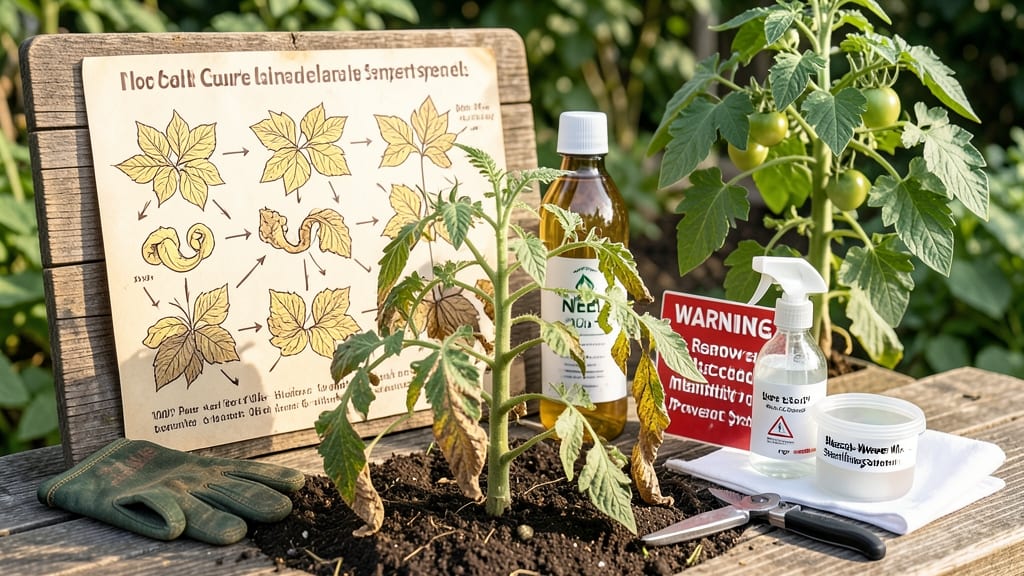
How do you treat leaf curl when your once-lush plants suddenly crumple into twisted, yellowing messes? The answer lies in a simple, organic spray protocol that restores health without chemicals—one I’ve used to revive citrus trees, roses, and tomatoes time and time again. 🌿 The secret starts with diagnosing the root cause: check leaf undersides for tiny webs (spider mites), sticky residue (aphids), or puckered edges spreading upward. Most organic treatments focus on pest control or plant resilience, but speed is critical—act before the damage reaches new growth. Your solution? A potent mix of neem oil, insecticidal soap, and baking soda, applied in 2-3 treatments, spaced a week apart. Within 10 days, leaves smooth out, and plants rebound stronger than ever. This method works for citrus, roses, tomatoes, and even houseplants—no matter whether mites, viruses, or environmental stress caused the curl. Here’s how to do it right the first time.
Root Causes Of Leaf Curl
Leaf curl isn’t just an unsightly nuisance—it’s a plant’s distress signal, often triggered by a mix of environmental stressors and microbial invaders. Understanding the why behind the wavy, curled leaves is the first step to restoring your plant’s health.
Let’s break down the key culprits, from microscopic pathogens to everyday gardening oversights.
Fungal pathogens like Taphrina (the primary cause of peach leaf curl) or Cercospora thrive in damp, humid conditions. These fungi infect plants through wounds, spores, or even healthy tissue, disrupting cell growth and causing leaves to pucker and thicken.
- How it happens: - Overwintering spores: Many fungal pathogens survive winter on fallen leaves, bark, or plant debris. When spring arrives, spores splash onto new growth during rain or irrigation. - High humidity: Fungi love moisture.
If your plants are watered late in the day or lack airflow, spores germinate and infect leaves within days. - Weakened plants: Stressed plants (from drought, poor soil, or nutrient deficiencies) are easier targets.
💡 Pro Tip: If you notice leaf curl in early spring, check for fuzzy white or orange growth on the undersides of leaves—a classic fungal signature.
Viruses like Tobacco Mosaic Virus (TMV) or Cucumber Mosaic Virus (CMV) cause leaf curl by hijacking a plant’s genetic machinery. Unlike fungi, viruses spread through sap-sucking insects (aphids, whiteflies) or contaminated tools.
- How it happens: - Insect vectors: Aphids feeding on infected plants pick up viruses and transmit them to healthy ones.
Even a single infestation can spread disease rapidly. - Human error: Reusing pruners, gloves, or even your hands to move plants can transfer viral particles from one plant to another. - Seed-borne viruses: Some viruses are embedded in seeds, meaning infected seedlings start life already compromised.
⚠️ Warning Sign: Viral leaf curl often comes with mosaic patterns (light/dark green patches) or stunted growth. Unfortunately, there’s no cure—only prevention and removal.
Not all leaf curl is caused by pathogens. Extreme temperatures, wind, or improper watering can trigger physiological responses that make leaves curl as a survival mechanism.
- Temperature fluctuations: - Cold damage: Sudden freezes or late-season frosts can cause cells to rupture, leading to curled, discolored leaves. - Heat stress: High daytime temps (especially with low humidity) force plants to conserve water by curling leaves inward. - Water issues: - Overwatering: Soggy soil suffocates roots, starving leaves of oxygen.
Curling is the plant’s way of reducing water loss. - Underwatering: Dry soil triggers wilting and curling as the plant prioritizes root survival over foliage. - Wind exposure: Strong, dry winds increase transpiration (water loss), forcing leaves to curl to minimize damage.
🌡️ Quick Fix: Monitor your plants’ microclimate. Mulch to retain moisture, use shade cloth in extreme heat, and avoid evening watering to prevent fungal hitchhikers.
Plants with imbalanced nutrients often develop curled leaves as a symptom of malnutrition. The most common culprits?
- Magnesium deficiency (chlorosis): Leaves curl upward with yellowing between veins—a classic sign of poor magnesium uptake (common in acidic soils).
- Potassium deficiency: Weak cell walls lead to curling, browning edges, and poor disease resistance.
- Nitrogen excess: Too much nitrogen promotes lush growth but weakens structural integrity, causing leaves to flop or curl.
📊 Soil Test Tip: Send a soil sample to your local extension office. A simple test can reveal deficiencies before symptoms appear.
While pests like aphids or spider mites don’t directly cause leaf curl, their feeding disrupts nutrient flow and weakens plants, making them susceptible to secondary infections.
- Sap-sucking insects: Aphids and mites inject toxins as they feed, stunting growth and causing leaves to curl or distort.
- Root-feeding pests: Grubs or nematodes damage roots, reducing water and nutrient absorption, which manifests as curled, yellowing leaves.
👨🍳 Prevention: Inspect new plants for pests before bringing them home, and use reflective mulch or neem oil to deter insects organically.
How to Fix Leaf Curl Naturally
Leaf curl can be a frustrating sight, but with the right approach, you can restore your plants to vibrant health—without relying on harsh chemicals. Below, we’ve mapped out targeted solutions for each common cause, along with prevention tips to keep your greenery thriving. Let’s get your plants back in shape!
If your plants are suffering from fungal or bacterial infections, the key is early action and organic treatments to prevent spread.
🔥 Step 1: Remove Infected Leaves
- Why? Fungal spores and bacteria thrive on diseased foliage.
- How? Snip off curled, yellowed, or spotted leaves with sterilized pruners (wipe with rubbing alcohol between cuts).
- Pro Tip: 🌡️ Disinfect your tools to avoid cross-contamination—don’t reuse them on healthy plants!
🍳 Step 2: Apply a Fungicide Spray
Use organic, plant-safe sprays like:
- Neem oil solution (1 tbsp neem oil + 1 tsp mild soap + 1 quart water) – spray every 7–10 days for 3–4 weeks.
- Baking soda spray (1 tsp baking soda + 1 quart water + a few drops of dish soap) – great for bacterial leaf curl.
- Copper fungicide (like Copper Soap) – prevents further spread of fungal diseases.
👨🍳 Step 3: Improve Air Circulation
- Why? Fungi love damp, stagnant air.
- How?
- Prune overgrown branches to increase airflow.
- Space plants 3–6 inches apart (depending on size).
- Use a small fan on low setting near susceptible plants (like tomatoes or peppers).
⏰ Step 4: Adjust Watering Habits
- Water in the morning (not at night) to allow foliage to dry quickly.
- Avoid overhead watering—use drip irrigation or water at the base.
- Ensure well-draining soil—amend with compost or perlite if needed.
💡 Prevention Tip:
🌱 Rotate crops annually to prevent soil-borne pathogens from building up.
Viral infections (like Tomato Leaf Curl Virus) are tricky—once a plant is infected, there’s no cure. Your best defense is prevention and removal.
🔪 Step 1: Remove Infected Plants Immediately
- Why? Viruses spread via sap-sucking insects (like aphids) and contaminated tools.
- How?
- Pull up and destroy infected plants (don’t compost them—bag and toss).
- Quarantine new plants for 2–3 weeks before introducing them to your garden.
🌡️ Step 2: Control Pests to Stop Spread
- Aphids, whiteflies, and spider mites spread viruses.
- Combat them with:
- Insecticidal soap (spray on undersides of leaves).
- Ladybugs or lacewings (natural predators).
- Sticky traps to monitor and reduce populations.
🎯 Prevention Tip:
✨ Buy virus-resistant varieties (e.g., ‘Defiant PhR’ tomatoes for leaf curl resistance).
If leaf curl is due to environmental factors, the fix is often simple adjustments to growing conditions.
🌡️ Step 1: Shield from Harsh Conditions
- Too much sun? Provide partial shade with shade cloth (30–50%) or move potted plants to a sheltered spot.
- Too much wind? Use windbreaks (like burlap screens or tall plants as barriers).
- Cold drafts? Move sensitive plants (like citrus or tropicals) indoors or under cover.
🥗 Step 2: Optimize Soil & Nutrition
- Test your soil (pH should be 6.0–7.0 for most plants).
- Amend with:
- Compost (for organic matter).
- Balanced fertilizer (like 10-10-10) if leaves are pale (nitrogen deficiency).
- Epsom salt (1 tbsp per gallon of water) if magnesium deficiency is suspected (yellowing between veins).
💡 Prevention Tip:
🌱 Mulch around plants to retain moisture and regulate soil temperature.
To keep leaf curl at bay, follow these proactive steps:
| Action | How to Do It | Frequency |
|---|---|---|
| Inspect regularly | Check undersides of leaves for pests. | Weekly |
| Rotate crops | Avoid planting the same family in one spot. | Annually |
| Sterilize tools | Wipe pruners with rubbing alcohol. | After each use |
| Strengthen plants | Use compost tea for natural immunity. | Every 2–4 weeks |
| Monitor pests | Set up yellow sticky traps. | Seasonally |
Final Thought: 🌟 Leaf curl doesn’t have to be a death sentence—with the right care, most plants bounce back! Start with removal, organic sprays, and environmental tweaks, and your garden will be thriving in no time. 🌿
Frequently asked questions about treating leaf curl
What’s the fastest way to stop leaf curl from spreading to healthy plants?
Isolate infected plants immediately and remove all curled leaves with sterilized pruners. Apply neem oil spray (1 tbsp neem + 1 tsp soap per quart of water) to nearby plants as a preventative barrier. Quarantine new additions for 2-3 weeks to prevent hidden pests or viruses from spreading.
Can I use household items like vinegar or lemon juice to treat leaf curl?
While vinegar (1 tbsp per gallon of water) can help with fungal infections, it’s too harsh for most plants and may burn foliage. Lemon juice is even riskier—its acidity disrupts plant cells. Stick to mild solutions like baking soda spray (1 tsp baking soda + 1 quart water) for safer organic treatment.
Why does my citrus tree keep getting leaf curl even after treatment?
Citrus trees are especially prone to fungal leaf curl because spores overwinter in bark and soil. After treating, remove all fallen leaves, apply copper fungicide in early spring, and ensure proper drainage. Repeat neem oil applications every 7-10 days for 3-4 weeks to break the infection cycle.
Is there any difference between treating leaf curl on tomatoes vs. roses?
Tomatoes typically suffer from viral leaf curl (no cure), while roses often battle fungal infections. For tomatoes, focus on removing infected plants and controlling aphids. For roses, use copper fungicide in dormant season and neem oil during growth. Both benefit from improved airflow and morning watering.
How long until I see improvement after treating leaf curl?
With proper care, new growth should appear normal within 2-3 weeks. Existing curled leaves won’t recover, but consistent treatments (neem oil weekly) prevent further damage. For severe cases, expect full recovery in 4-6 weeks, provided the root cause is addressed.