
Tools
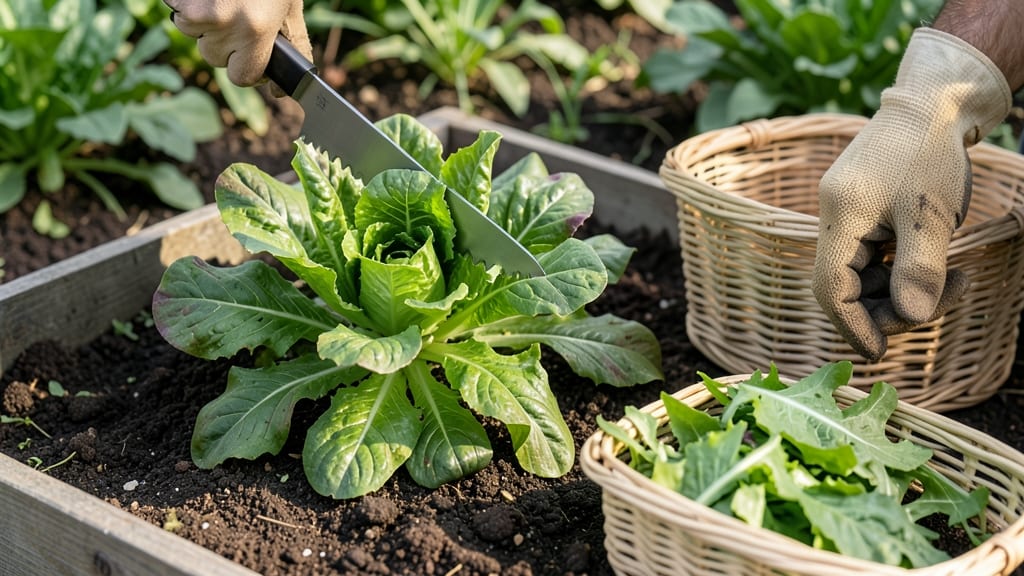
How to cut leaf lettuce from the garden at the right time turns a handful of leaves into a never-ending harvest. 🌿 The secret lies in a sharp knife, precise cuts, and knowing exactly which leaves to trim—without sacrificing the plant's future growth. I've learned the hard way that pulling leaves by hand or cutting too close to the base leads to limp, bitter greens and stunted plants.
A clean, sharp knife is your best tool—dull blades crush stems and invite disease. Harvest outer leaves first, leaving the inner ones to keep growing. Start when leaves reach about 3-4 inches tall, and always cut just above a leaf junction to encourage new growth.
This method keeps your lettuce producing for weeks, even in hot weather.
After each cut, rinse the leaves gently under cool water to remove dirt, then pat dry with a clean towel. Store them in a container lined with a paper towel to absorb moisture, and keep them in the fridge for up to 5-7 days.
The right technique means you'll enjoy fresh, crisp lettuce straight from your garden all season long.
Whether you're growing butterhead, romaine, or loose-leaf varieties, this approach works for all. The key is consistency—check your plants every 2-3 days during peak growth to avoid overcrowding. With a little practice, you'll have a steady supply of homegrown greens that outshine anything from the store.
📚 In This Guide
- What you need
- Instructions
- Tips and common mistakes
- Wrapping up and next steps
What you need
- ● Sharp chef’s knife or garden knife – A 6- to 8-inch blade is ideal for precision cutting. Ensure it’s razor-sharp to avoid crushing leaves.
- ● Clean cutting board or tray – A large, stable surface (preferably food-grade plastic or wood) to place harvested lettuce. Avoid metal if storing for long.
- ○ Gardening gloves (optional but recommended) – Lightweight, breathable gloves to protect hands from dirt, thorns, or prickly stems.
- ● Pruning shears or scissors (backup) – For larger bunches or stubborn stems that need extra leverage.
- ● Spray bottle with water – A light mist to refresh wilted leaves or rinse off debris before cutting.
- ● Harvesting basket or bucket – A shallow, breathable container (like a wire mesh basket) to collect lettuce and prevent bruising.
- ● Disinfectant spray (e.g., diluted bleach solution) – To sanitize tools and surfaces before/after harvest.
- ● Kitchen towel or paper towels – For patting dry excess moisture to extend freshness.
- ● Small hand trowel – For gently loosening soil around the base if harvesting entire plants.
- ● Food-safe storage containers – Air-tight or breathable containers with paper towels to store lettuce in the fridge.
Step-by-step guide to harvesting leaf lettuce
Here's how I harvest leaf lettuce without damaging the plant or sacrificing future growth.
🌿 Step 1: Choose the Right Time for Harvesting
Harvest leaf lettuce when the outer leaves reach 3-4 inches long—this is when they're tender and flavorful. You'll see the leaves fully unfurled but still crisp, not wilted or yellowing. I like to harvest in the morning after the dew dries but before the sun gets too intense, as that's when the leaves are most hydrated and crisp.
Check the plant regularly—lettuce grows fast, and waiting too long makes the leaves bitter. If you see the center leaves starting to bolt (send up a tall stalk), it's time to harvest everything before the plant goes to seed. This is especially important during hot weather, when lettuce quickly turns bitter.
✂️ Step 2: Prepare Your Tools for a Clean Cut
Use a sharp knife or clean scissors—dull blades crush the leaves and make jagged cuts that invite rot. I keep a small pair of kitchen shears or a sharp paring knife dedicated just to harvesting. Wipe the blade with a damp cloth before cutting to remove any bacteria from previous uses.
Never pull leaves by hand—this can damage the delicate roots and tear the plant. A clean cut just above a leaf's base ensures the plant stays healthy and continues producing new growth. If you're harvesting multiple leaves at once, cut them at slightly different angles so the plant knows where each leaf was attached.
🌱 Step 3: Harvest Outer Leaves First
Focus on the outer leaves first—these are the most mature and ready to eat. Leave the inner leaves, which are still tender and growing. I usually harvest 2-3 outer leaves per plant at a time, depending on how large they are. This method encourages the plant to keep producing new growth from the center.
Cut the leaves at a 45-degree angle, about ½ inch above the base of the leaf. This angle helps water run off the cut and prevents it from pooling on the plant. Avoid cutting into the growing point at the center—this is where the next set of leaves will emerge. If you accidentally cut too deep, don't worry; the plant will recover as long as the center remains intact.
💧 Step 4: Rinse and Store for Freshness
After harvesting, rinse the leaves under cool, running water to remove dirt and debris. Gently shake off excess water and pat dry with a clean towel or paper towels. Lettuce holds moisture well, so it doesn't need to be bone-dry—just free of standing water to prevent rot.
Store the harvested leaves in a sealed container with a paper towel to absorb any remaining moisture. Keep them in the crisper drawer of your refrigerator where it's cold and humid. If you're not using them right away, consume within 5-7 days for the best texture and flavor. For longer storage, wrap the leaves in a damp paper towel and place them in a plastic bag—this keeps them crisp for up to 2 weeks.
☀️ Step 5: Encourage Continued Growth After Harvesting
After harvesting, water the plant lightly but thoroughly to help it recover. Lettuce has shallow roots, so aim for ½ inch of water per week, adjusting for rainfall. Avoid overwatering, which can lead to root rot or washed-out soil. I like to water in the early morning so the leaves have time to dry before evening.
If your lettuce starts to look leggy or bolt after harvesting, it might need more shade. Move the plant to a shadier spot or provide afternoon shade with a lightweight row cover. Mulching around the base with 1-2 inches of straw or grass clippings helps retain moisture and keeps the soil cool, encouraging more tender growth.
Tips & tricks for perfect leaf lettuce harvesting
These little tricks will help you harvest leaf lettuce like a pro—keeping your plants happy and your harvests abundant.
Timing is Everything: Morning is your best friend for harvesting. The leaves are crispest after dew dries but before the midday sun intensifies. I harvest within an hour of sunrise, and the difference in texture is night and day. If you must harvest later, do it in the shade to prevent wilting—lettuce leaves can become rubbery fast under direct sun.
Tool Selection Matters: Never underestimate the power of a sharp blade. I use a dedicated pair of kitchen shears for harvesting because they're lightweight and easy to clean. For larger leaves, a sharp chef's knife works best—just make sure to wipe it down between cuts to prevent cross-contamination. A dull blade will crush the leaves, making them more prone to rot.
The 45-Degree Angle Secret: Cutting at a 45-degree angle about ½ inch above the leaf base isn't just about aesthetics—it's a water management system. This angle allows rainwater to run off the cut instead of pooling, which reduces the risk of rot. Plus, it gives you a clean, professional look that makes your harvest feel like a gourmet experience. Think of it as the lettuce equivalent of a French manicure.
Plant Recovery Hack: After harvesting, give your lettuce a quick recovery boost by watering lightly but thoroughly. Lettuce has shallow roots, so aim for about ½ inch of water per week. I like to use a gentle spray nozzle to avoid disturbing the soil. If you notice the plant looking sad after harvesting, a light mulch of straw around the base helps retain moisture and keeps the roots cool—just like a spa day for your lettuce.
Pro Tips for Cut Leaf Lettuce From Garden
- These little tricks will help you harvest leaf lettuce like a pro—keeping your plants happy and your harvests abundant.
- Timing is Everything: Morning is your best friend for harvesting.
- Tool Selection Matters: Never underestimate the power of a sharp blade.
Frequently asked questions
Got questions about harvesting your leaf lettuce like a pro? Here are some of the most common ones—plus quick, actionable answers to keep your garden thriving!
How do I know when my leaf lettuce is ready to harvest?
Leaf lettuce is ready when the outer leaves are at least 4–6 inches long and tender. For baby greens, harvest when leaves are 2–3 inches tall. Check for vibrant color and crispness—avoid waiting until the core bolts (turns bitter). Pro tip: Harvest in the morning for the freshest flavor!
Should I cut the whole head at once or harvest leaves individually?
For cut-and-come-again harvests, snip outer leaves 1–2 inches above the base to encourage regrowth. If you cut the whole head, leave the bottom 1–2 inches to regrow. Avoid removing more than 1/3 of the plant at a time to prevent stress or bolting.
How often can I harvest leaf lettuce without killing the plant?
With proper care, leaf lettuce can regrow for 3–4 harvests per season. Space harvests 7–10 days apart in warm weather or 2–3 weeks in cooler conditions. Thin seedlings early to reduce competition, and always leave the growth point intact for new leaves.
Why does my lettuce taste bitter after cutting? Overheating or stress?
Bitter flavor usually means heat stress or bolting. Lettuce bolts when days get long/hot (>75°F). To fix it:
While scissors or fingers work for small patches, a sharp knife or pruners gives cleaner cuts and reduces damage. Fingers can bruise leaves, inviting pests. For large batches, a serrated knife or harvesting shears (like Felco) are ideal. Safety tip: Always cut parallel to the soil to avoid tearing.
Quick fix: Trim bitter outer leaves and compost them—inner leaves may still be tender!
Can I use scissors or my fingers instead of a knife?
Wrapping up and next steps
Harvesting leaf lettuce with the right technique ensures fresh, crisp greens straight from your garden to your plate! 🌿 Whether you’re a seasoned gardener or just starting, a sharp knife and gentle hands make all the difference.
Remember to harvest regularly, avoid overcrowding, and store properly—your efforts will reward you with delicious, homegrown salads all season long.
Now that you’re ready to harvest like a pro, why not take the next step? Try experimenting with different cutting styles or even growing companion plants to boost your garden’s productivity. Happy harvesting—and enjoy those crisp, homegrown bites! 🥗✨