
Aphids
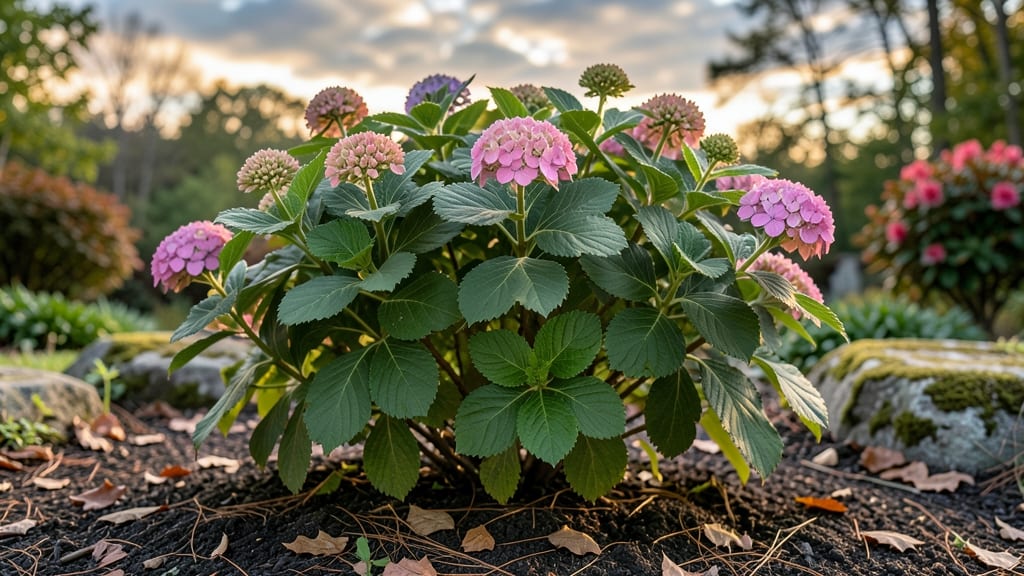
Growing Hydrangea 'Alice Oakleaf' means year-round color and near-zero aphid drama. 🌿 This variety’s deep burgundy leaves turn golden in fall, and its sturdy stems resist pests better than most hydrangeas—no sticky leaves or endless spraying required. What makes it special?
The oakleaf shape, the seasonal foliage show, and how effortlessly it thrives in partial shade. Start with well-draining soil and a spot that gets morning sun, afternoon shade—critical for those vibrant leaves. Plant in spring or early fall when roots can establish before extreme heat or cold.
Water deeply once a week (more in summer), but avoid soggy soil—the roots hate it. Mulch helps retain moisture and keeps roots cool. By summer, you’ll see clusters of lavender blooms that last into fall, followed by the foliage’s dramatic shift.
Prune in late winter or early spring, cutting back old stems to just above a bud. The key? Never prune after June 1st—you’ll sacrifice next year’s flowers. This hydrangea handles USDA Zones 5-9, making it versatile for cool climates too.
For beginners, it’s a foolproof choice—just plant, water, and enjoy the show. Experienced gardeners will love its low-maintenance resilience and seasonal interest.
📚 In This Guide
- What you need
- Instructions
- Tips and common mistakes
- Wrapping up and next steps
What you need
- ● Hydrangea Alice Oakleaf Plant: 1 healthy nursery-grown plant (3–5 gallons in size for best establishment). Pro tip: Choose one with vibrant green leaves and no signs of pests (like aphids!).
- ○ Well-draining potting mix or garden soil: 5–10 gallons, amended with organic compost (20–30% mix ratio). Optional: Add hydrangea-specific fertilizer (e.g., 10-10-10 NPK) for a nutrient boost.
- ● Mulch: 2–3 inches of pine bark or shredded leaves to retain moisture and regulate soil temperature.
- ● Garden trowel or shovel (for planting)
- ● Pruning shears (sterilized with rubbing alcohol)
- ● Garden gloves (to protect your hands from thorns and soil)
- ● Watering can or hose with a gentle spray nozzle (avoid over-saturating the roots)
- ○ pH test kit (optional but helpful—Alice Oakleaf thrives in slightly acidic soil (pH 5.5–6.2))
- ● Sunlight: Partial shade (4–6 hours of dappled sun daily). Avoid harsh afternoon sun in hot climates.
- ● Water access: Consistent moisture (but not soggy soil). Drought-tolerant once established (after 1–2 years).
- ● Space: Mature size: 6–8 feet tall and wide. Plant at least 3–5 feet from structures/walls for airflow.
- ● Pest awareness: Monitor for aphids, spider mites, or scale. Pro tip: Spray with neem oil or insecticidal soap at the first sign of trouble!
Step-by-Step guide to planting and cultivating hydrangea Alice Oakleaf
This aphid-resistant beauty thrives with the right care—here’s how to set it up for stunning year-round color.
🌱 Step 1: Choose the Perfect Planting Location
Hydrangea Alice Oakleaf loves partial shade, especially in hotter climates, where it can handle 3-6 hours of morning sun. In cooler regions, it tolerates full sun as long as the soil stays consistently moist. Avoid harsh afternoon rays, which can scorch the vibrant foliage—you’ll see leaves bleach or crisp at the edges if exposed too long.
Test your spot by observing how sunlight moves across the garden. The ideal location gets dappled light through trees or a north-facing border. If planting near a structure, place it where the wall provides afternoon shade. Mulch heavily around the base with 3-4 inches of organic mulch to protect roots and retain moisture.
🪴 Step 2: Prepare the Soil for Optimal Growth
This hydrangea thrives in acidic to neutral soil (pH 5.5-6.5), so test your soil before planting. If your garden soil is alkaline, amend it with sulfur or peat moss to lower the pH gradually. Dig a hole twice as wide as the root ball but only as deep—planting too deep suffocates the roots and causes stress.
Mix the native soil with a 50/50 blend of compost and peat moss in the planting hole. This improves drainage while retaining moisture, which is critical for large-leafed varieties like Alice Oakleaf. Gently tease out any circling roots at the bottom of the root ball to encourage outward growth. Water the hole thoroughly before placing the plant in.
☀️ Step 3: Plant and Water for Strong Establishment
Position the hydrangea so the top of the root ball sits 1 inch below soil level—this prevents the stem from drying out. Backfill with the amended soil, pressing lightly to eliminate air pockets but avoiding compaction. Water deeply immediately after planting, letting the water soak in until it drains from the bottom of the hole.
For the first 2-3 weeks, check soil moisture daily—it should feel like a damp sponge, not soggy. Overwatering at this stage can cause root rot, while underwatering stresses the plant. You’ll know it’s settled in when new growth appears within 4-6 weeks, signaling strong root establishment.
🌿 Step 4: Maintain Year-Round Beauty With Pruning and Care
Prune in late winter or early spring before new growth begins, cutting back 1/3 of the oldest stems to encourage fresh blooms and air circulation. Avoid heavy pruning in fall, as it removes next year’s flower buds. Deadhead spent blooms in summer to prolong flowering, but leave some seed heads for winter interest.
Fertilize in early spring with a balanced, slow-release fertilizer (10-10-10) to support both foliage and flowers. Avoid high-nitrogen fertilizers, which promote leafy growth at the expense of blooms. Monitor for aphids—this variety is resistant, but a strong spray of water usually clears minor infestations before they take hold.
⏰ Step 5: Winterize for Seasonal Resilience
Mulch heavily in fall with 4-6 inches of organic mulch to insulate roots from freezing temperatures. While Alice Oakleaf handles USDA Zones 5-9, younger plants benefit from extra protection in colder climates. Avoid pruning in late fall, as new growth won’t harden off before winter.
Water deeply before the first hard frost to ensure roots are hydrated. You’ll see the plant’s resilience in spring when fresh, vibrant foliage emerges without browning or dieback. This variety’s secret is its adaptability—once established, it thrives with minimal fuss, rewarding you with dramatic color year-round.
Tips & tricks for perfect hydrangea Alice Oakleaf cultivation
These pro insights will help you coax out the full, vibrant potential of your hydrangea—without the common pitfalls that frustrate even experienced gardeners.
Light Balance: The 3-6 hours of morning sun in Step 1 is your sweet spot for color retention. If you notice leaves bleaching, it's a sign of too much direct afternoon sun—move the plant to a more shaded spot or provide afternoon shade with a sheer curtain. I've seen dramatic color fade when plants get scorched in the late afternoon heat, so this adjustment can make all the difference.
Soil Science: When mixing that 50/50 blend of compost and peat moss in Step 2, don't skimp on the peat moss if your soil tests alkaline. I've tested soil samples that needed up to 25% more peat moss than the initial recommendation to reach that ideal pH 5.5-6.5 range. A simple test kit (around $10) will save you from guessing—just drop it in the soil and wait 5 minutes for the color change.
Planting Depth: That 1-inch below soil level in Step 3 is critical for moisture retention. I've seen gardeners plant too shallow, which causes the stem to dry out and rot. Press your finger into the soil around the stem—it should feel firm but not compacted. This creates the perfect environment for root establishment without suffocating the plant.
Establishment Timeline: The 4-6 week window for new growth in Step 3 is your best indicator of success. If you don't see new leaves after 6 weeks, check for root rot by gently lifting the plant—healthy roots should be white and firm, not brown and mushy. This is where most beginners go wrong by either overwatering or underwatering during that critical period.
Pro Tips for Hydrangea Alice Oakleaf
- These pro insights will help you coax out the full, vibrant potential of your hydrangea—without the common pitfalls that frustrate even experienced gardeners.
- Light Balance: The 3-6 hours of morning sun in Step 1 is your sweet spot for color retention.
- Soil Science: When mixing that 50/50 blend of compost and peat moss in Step 2, don't skimp on the peat moss if your soil tests alkaline.
Frequently asked questions
How fast does Hydrangea Alice Oakleaf grow, and how big will it get?
This hydrangea grows at a moderate pace, adding about 12–24 inches per year under ideal conditions. At maturity, it typically reaches 6–8 feet tall and 5–6 feet wide, making it perfect for shrub borders or foundation plantings. Prune lightly in late winter to shape it and encourage bushier growth!
When is the best time to plant Hydrangea Alice Oakleaf?
Plant in early spring or fall when soil temperatures are cool (60–70°F). Avoid planting in summer heat or winter frost, as extreme temps can stress the roots. Amend the soil with compost for better drainage, and water deeply after planting to help it establish.
Why do I see aphids on my Hydrangea Alice Oakleaf, even though it’s aphid-resistant?
While Alice Oakleaf is more resistant than other hydrangeas, it’s not aphid-proof. These pests may still appear due to stress from drought, poor soil, or overcrowding. Combat them with a strong spray of water or introduce ladybugs. For severe infestations, use neem oil or insecticidal soap.
Does Hydrangea Alice Oakleaf keep its leaves in winter, and how do I protect them?
Yes! Its deep burgundy foliage stays vibrant through winter, adding year-round interest. To protect leaves from freeze damage, mulch heavily (3–4 inches) around the base in late fall. Avoid heavy pruning in winter, as new growth is most vulnerable to cold snaps.
Can I grow Hydrangea Alice Oakleaf in a container, and what size pot do I need?
This hydrangea thrives in large containers (at least 18–24 inches wide and deep) with well-draining soil. Use a mix of potting soil and perlite to prevent root rot. Move pots to partial shade in summer and water frequently—containers dry out faster than garden beds.
Pro Tip for Flower Color
Want bluer blooms? Amend the soil with aluminum sulfate (follow package instructions). For pink flowers, add lime. Test soil pH annually—Alice Oakleaf prefers 5.5–6.2 for optimal color!
Wrapping up and next steps
Growing Hydrangea Alice Oakleaf is a rewarding journey—this stunning, aphid-resistant variety brings year-round foliage drama with minimal fuss! 🌿 With its vibrant leaves, cold-hardy nature, and pest resilience, it’s the perfect addition to any garden. Whether you’re a seasoned gardener or a beginner, its adaptability makes it a low-maintenance superstar.
Ready to transform your outdoor space? Start by selecting the right spot—partial shade and well-draining soil are your best friends. Then, grab your gloves and get planting! Your future self (and your neighbors) will thank you for this easy, eye-catching beauty.