
Pests and Diseases
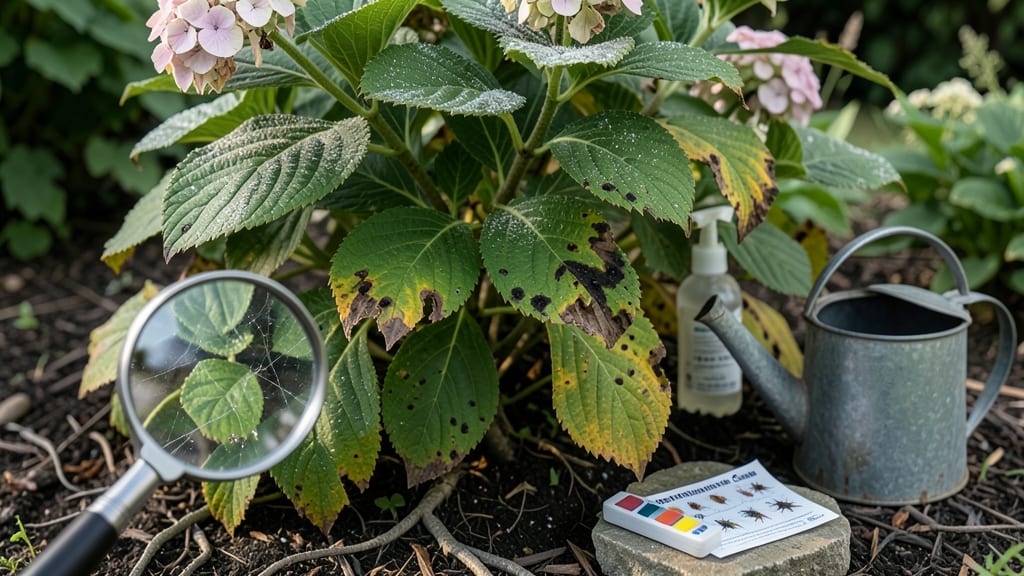
Your hydrangea’s crispy leaf edges are screaming for help—let’s tackle these hydrangea leaf problems before they turn to dust. 🌿 The moment you spot those telltale browned edges, it’s usually a sign of stress: too much sun, not enough water, or a hidden pest playing havoc.
I’ve nursed back more than a few hydrangeas with these exact techniques, and the results are always the same—lush, vibrant foliage within weeks.
Most crispy-edge cases boil down to three culprits: underwatering (especially in heat), over-salty soil from fertilizers, or spider mites sucking the life out of leaves. The good news? Each has a simple fix—whether it’s adjusting your watering schedule, flushing the soil, or spraying neem oil.
I’ve even saved plants that looked like they were on their last legs by addressing just one of these.
By the end of this, your hydrangea will be back to thriving—no more brittle edges, no more wilting. The secret is acting fast: catch the problem early, and you’ll have those big, bold blooms back in no time. Let’s get those leaves happy again.
Works for all hydrangea varieties, from mopheads to panicles, and even fixes those pesky brown spots that show up midseason. Here’s how to diagnose and revive yours—no guesswork, just results.
Root Causes of Leaf Stress
Hydrangeas are stunning, but their leaves can develop unsightly issues like crispy edges, discoloration, or wilting—often signaling deeper problems. Understanding why these symptoms appear is the first step to reviving your plant.
Below, we break down the real culprits behind hydrangea leaf problems, from environmental factors to hidden pests, with science-backed explanations to help you diagnose and act fast.
Hydrangeas thrive in moderate climates but struggle when exposed to extreme heat or cold snaps. Here’s how temperature fluctuations trigger leaf damage:
- Heat Stress:
When temperatures soar above 90°F (32°C), hydrangea leaves lose moisture faster than roots can absorb water. This causes marginal scorch—crispy, brown edges—because cells dehydrate and die. Humidity drops (below 50%) accelerate the problem by increasing transpiration (water loss through leaves).
- Cold Damage:
Frost or sudden freezes (below 32°F/0°C) can cause blackened or mushy leaves as cell membranes rupture. Evergreen hydrangeas (like Hydrangea macrophylla) are especially vulnerable in winter. Windburn (dry, cold winds) also dries out leaves, mimicking heat stress symptoms.
- Sunburn:
Hydrangeas adapted to partial shade can suffer sun scald if moved to full sun without acclimation. Direct UV rays bleach or crisp leaf edges, turning them white or brown. This is common in late spring/early summer when new growth is tender.
💡 Pro Tip: Monitor your local heat index (combines temperature + humidity). If it exceeds 105°F (40°C)shade cloth (30-50%) or mulch to retain soil moisture.
Hydrangeas are thirsty but hate soggy roots. Watering issues are the #1 cause of leaf problems, leading to:
| Problem | Symptoms | Why It Happens |
|---|---|---|
| Underwatering | Crispy, brown edges; wilting; dry, papery leaves |
Roots can’t supply enough water to meet transpiration demands (especially in hot weather). Cells lose turgor pressure, causing edges to curl and dry out. Clay or sandy soils drain too fast, worsening the issue. |
| Overwatering | Yellowing leaves; mushy stems; fungal spots (e.g., Phytophthora) |
Waterlogged soil cuts off oxygen to roots, triggering anaerobic respiration (roots suffocate). This disrupts nutrient uptake, leading to chlorosis (yellowing). Fungal pathogens thrive in soggy conditions, attacking leaves. |
| Inconsistent Watering | Uneven browning; leaf drop; weak stems |
Fluctuating moisture levels cause osmotic stress—roots struggle to balance water intake. Hydrangeas prefer 1-1.5 inches of water weekly (deep watering 2-3x/week). Drip irrigation or soaker hoses keep soil evenly moist. |
🔥 Fix It: Stick your finger 2 inches into the soil. If it’s dry, water deeply. If it’s soggy, hold off and improve drainage with organic matter (compost or perlite).
Hydrangeas are heavy feeders and need balanced nutrition. Leaf problems often stem from:
- Nitrogen Deficiency (💛 Yellowing Lower Leaves):
Nitrogen fuels chlorophyll production. Without it, older leaves turn yellow (chlorosis) while new growth stunts. Why? Poor soil, leaching (common in sandy soils), or over-pruning depletes reserves.
- Potassium Deficiency (🟠 Brown Leaf Edges):
Potassium regulates water and nutrient transport. A deficiency causes necrosis (dead tissue) on leaf edges due to impaired cell membrane function. Symptoms worsen in hot/dry conditions when water stress spikes.
- Magnesium Deficiency (🟢 Interveinal Yellowing):
Magnesium is central to chlorophyll structure. When lacking, leaves develop yellow patches between veins (starting on older leaves). Why? Acidic soils (pH < 5.5) or excessive potassium fertilization lock out magnesium.
- Toxicities (🟣 Brown Spots or Bleeding Edges):
Over-fertilizing with salt-based fertilizers (e.g., synthetic blends) or chlorinated water can "burn" leaves. Iron toxicity (from acidic soils) causes rust-colored spots, while fluoride toxicity (from tap water) leads to brown, crispy edges.
🌡️ Test Your Soil: Use a DIY soil test kit to check pH and nutrient levels. Hydrangeas prefer pH 5.5–6.2. Amend with lime (to raise pH) or sulfur (to lower pH) as needed.
Hidden invaders often go unnoticed until leaves show unusual patterns. Here’s how pests and diseases damage hydrangeas:
- Spider Mites (🕷️ Tiny Yellow/White Spots):
These sap-sucking pests thrive in dry, hot conditions and create stippled, bronze-colored leaves as they pierce cells. Severe infestations cause webbing on undersides. Why? They multiply rapidly when natural predators (like ladybugs) are absent.
- Aphids (🟢 Sticky, Curled Leaves):
Green, black, or white aphids cluster on new growth, sucking sap and excreting honeydew (a sticky residue). This leads to sooty mold (black fungal growth) and leaf curl. Why? They’re attracted to tender shoots and thrive
How to Fix Your Hydrangea’s Leaf Woes
Reviving your hydrangea’s lush, vibrant foliage is totally doable—whether it’s crispy edges, spots, or wilting leaves, the right fixes will have your plant thriving again in no time. Below, we break down practical, step-by-step solutions for the most common leaf problems, plus prevention tips to keep your hydrangeas healthy long-term.
Cause: Too much sun, inconsistent watering, or poor drainage can lead to crispy, brown leaf edges—especially in hot weather.
How to Treat It: 🔥 Adjust Your Watering Routine
- Water deeply 1–2 times per week (not daily shallow sprinkles) to encourage strong root growth.
- Check soil moisture by sticking your finger 1–2 inches deep—if it’s dry, water thoroughly. If soggy, hold off until it dries slightly.
- Mulch around the base (2–3 inches of organic mulch like shredded bark) to retain moisture and regulate soil temperature.
🍳 Provide Afternoon Shade
- If your hydrangea is in a hot, sunny spot, move it to partial shade (morning sun + afternoon shade works best).
- Use a light shade cloth (30–50% coverage) if relocating isn’t an option.
👨🍳 Fertilize for Hydration Support
- Feed with a balanced, slow-release fertilizer (10-10-10 or 20-20-20) in early spring to boost overall health.
- For a quick fix, use a seaweed or fish emulsion (high in potassium) to help with water retention.
⏰ Prune Damaged Leaves
- Snip off only the crispy edges (not whole leaves) to prevent further stress. Avoid heavy pruning—focus on cleanup.
💡 Prevention Tips: ✔ Group hydrangeas with other plants to create a natural microclimate that retains moisture. ✔ Avoid overhead watering (use drip irrigation or soaker hoses to prevent leaf burn). ✔ Test your soil—if it’s too sandy, amend with compost to improve water retention.
Cause: Fungal infections thrive in humid, poorly ventilated areas, often appearing as white powder (powdery mildew) or dark spots (leaf spot).
How to Treat It: 🔥 Improve Air Circulation
- Space plants 2–3 feet apart or prune nearby foliage to allow airflow.
- Avoid overhead watering—water at the base in the early morning so leaves dry quickly.
🍳 Apply Fungicide (Organic or Chemical) - Baking soda spray (1 tsp baking soda + 1 quart water + a drop of dish soap) for mild cases.
Spray every 7–10 days. - Neem oil (1 tbsp per quart of water) is a natural fungicide—spray every 5–7 days until the issue clears. - For severe infections, use a copper fungicide (follow label instructions).
👨🍳 Remove Infected Leaves
- Prune and dispose of (don’t compost!) all spotted or powdery leaves to stop the spread.
- Sterilize pruners with rubbing alcohol between cuts.
🔪 Adjust Care Routine
- Water less frequently if humidity is high—fungi love damp leaves!
- Avoid wetting foliage during watering.
💡 Prevention Tips: ✔ Plant hydrangeas in full sun with afternoon shade to reduce humidity buildup. ✔ Clean up fallen leaves around the plant to eliminate fungal spores. ✔ Rotate fungicides if using chemical treatments to prevent resistance.
Cause: Tiny pests suck sap, causing yellowing, curling, or sticky leaves (honeydew). They thrive in dry, hot conditions.
How to Treat It: 🔥 Blast Off Pests with Water
- Spray leaves with a strong stream of water (especially undersides) to knock off aphids and spider mites.
🍳 Use Insecticidal Soap or Oil
- Insecticidal soap (mix 1 tbsp mild soap + 1 quart water) or horticultural oil (follow label) works well for soft-bodied pests.
- Spray every 3–5 days until pests are gone.
👨🍳 Introduce Beneficial Insects
- Ladybugs or lacewings eat aphids naturally—release them in the evening for best results.
- Neem oil also deters pests while being pet-safe.
🔪 Prune Heavily Infested Areas
- Cut off severely damaged stems or leaves and dispose of them in a sealed bag.
💡 Prevention Tips: ✔ Encourage natural predators by planting marigolds, dill, or fennel nearby. ✔ Inspect new plants before bringing them home—quarantine them for a week if needed. ✔ Keep your garden clean—remove weeds and debris where pests hide.
Cause: Overwatering (root rot) or underwatering + poor soil (nutrient deficiency) can cause leaves to wilt or turn yellow.
How to Treat It: 🔥 Check for Root Rot
- Gently dig around the base—if roots are mushy, black, or smell bad, you’ve got root rot.
- Solution: Trim away mushy roots, repot in fresh, well-draining soil, and reduce watering.
🍳 Flush the Soil
- If the soil is salty or compacted, water thoroughly for 10–15 minutes to leach out excess salts.
- Add perlite or sand to improve drainage if repotting.
👨🍳 Fertilize for a Quick Boost
- Iron chelate (for yellowing) or Epsom salt (1 tbsp per gallon of water) can revive nutrient-deficient plants.
- Slow-release fertilizer (like Osmocote) provides long-term support.
⏰ Adjust Watering Immediately
- Water only when the top 1–2 inches of soil are dry—stick your finger in to check!
- Use pots with drainage holes if growing in containers.
💡 Prevention Tips: ✔ Use raised beds or containers if your soil drains poorly. ✔ Mulch heavily to prevent soil from drying out too quickly. ✔ Test soil pH—hydrangeas prefer acidic soil (5.2–6.0); amend with sulfur if needed.
Final Pro Tip: 🎯 Observe your hydrangea daily—catching problems early (like wilting or spots) makes them 100x easier to fix! With these fixes, your hydrangea will be back to its glorious, leafy self in no time. 🌸
Frequently asked questions
Why are my hydrangea leaves turning brown at the edges?
This is usually caused by underwatering (especially in hot weather) or excessive salt buildup from fertilizers. Check soil moisture by sticking your finger 2 inches deep—if dry, water deeply. For salty soil, flush with water for 10-15 minutes to leach out excess minerals.
How do I tell if my hydrangea has powdery mildew vs. spider mites?
Powdery mildew appears as white, powdery patches on leaf surfaces, while spider mites create tiny yellow/white speckles (often with webbing underneath). Check leaf undersides with a magnifying glass—mites leave fine webbing, while mildew looks like dust.
Can I save my hydrangea if the leaves are completely curled and crispy?
Yes, but act fast! Prune off only the most damaged leaves (never more than 1/3 of the plant) and focus on fixing watering habits. For severe cases, repot in fresh, well-draining soil and provide afternoon shade. New growth should emerge within 2-3 weeks if roots are healthy.
What's the best organic treatment for hydrangea leaf spots?
Start with a baking soda spray (1 tsp baking soda + 1 quart water + 1 drop dish soap) applied every 7-10 days. For stubborn spots, use neem oil (1 tbsp per quart of water) every 5-7 days. Always remove infected leaves and improve airflow around the plant.
Why do my hydrangea leaves turn yellow in patches?
This usually indicates either nutrient deficiency (like iron or magnesium) or overwatering. Test your soil pH (ideal 5.5-6.2) and amend with Epsom salt (for magnesium) or iron chelate (for yellowing). If soil is waterlogged, reduce watering and improve drainage with perlite.