
Pests and Diseases
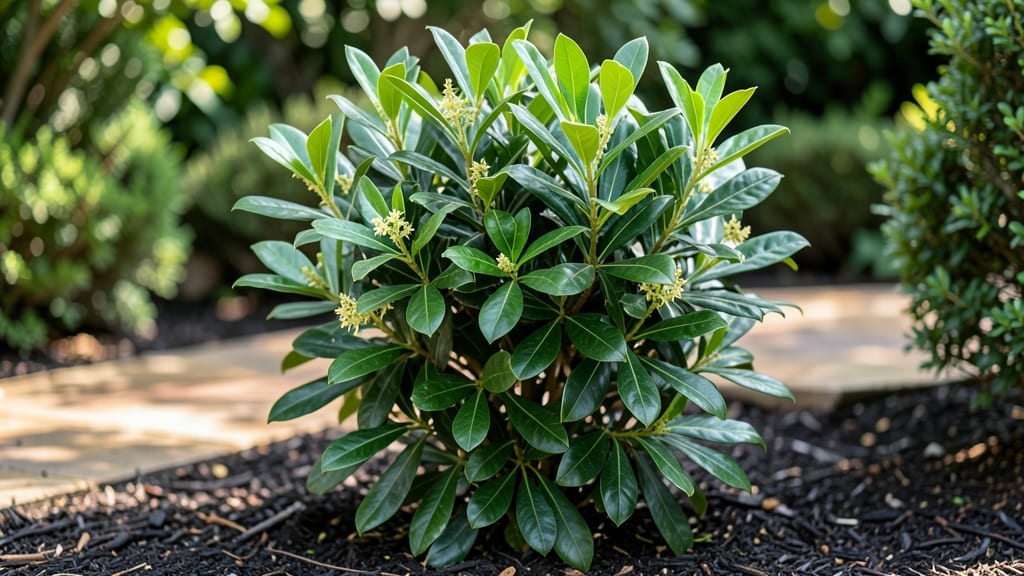
Laurel bay leaf is edible and safe in culinary use when consumed in moderation, offering aromatic flavors in soups, stews, and marinades, though excessive intake may cause mild digestive discomfort or allergic reactions in sensitive individuals.
Laurel bay leaf—commonly known as sweet bay—has been a kitchen staple for centuries, prized for its earthy, slightly peppery aroma that transforms dishes like bouillabaisse or pasta. 🌿 Unlike its toxic lookalikes (such as mountain laurel), this leaf contains no dangerous compounds when used properly.
The key is moderation: 1–2 leaves per dish is standard, and removing them before serving prevents bitterness. Historically, it was also used in traditional medicine for its antiseptic properties, though modern culinary use focuses on flavor enhancement rather than therapeutic benefits.
When harvesting from your own plant, always pick mature leaves (dark green, leathery) and avoid those with yellowing or spots. Store dried leaves in an airtight container away from light to preserve their potency for up to a year.
If you're new to using it, start with small amounts—its bold flavor can overpower delicate dishes if not balanced carefully.
💡 In This Article
- Culinary and Medicinal Uses of Laurel Bay Leaf
- Identifying Safe Laurel Varieties for Cooking
Culinary and medicinal uses of laurel bay leaf
The aromatic magic of laurel bay leaf comes from its complex chemical profile, featuring compounds like eugenol (also found in cloves) and linalool (a floral note in lavender). These volatile oils create that signature earthy-peppery aroma that elevates dishes like French bouillabaisse or Italian pasta alla norma.
The leaf's structure releases these compounds gradually during cooking, building flavor layer by layer—unlike ground spices that dissolve instantly. 🌿 For best results, add whole leaves to simmering liquids (like 5-10 minutes in soups) or marinades, then remove them before serving to avoid bitterness.
Medicinally, laurel's history stretches back to ancient Greece, where it was used as an antiseptic for wounds and a digestive aid. Modern research confirms its mild antimicrobial properties, though culinary use today focuses on flavor rather than healing.
The 1-2 leaves per dish guideline comes from traditional dosages—too much can overwhelm delicate flavors or cause mild stomach upset in sensitive individuals. Interestingly, laurel's compounds have been studied for their potential to reduce inflammation, though more research is needed on human consumption effects.
What makes laurel unique is its dual role as both spice and seasoning. Unlike herbs that lose potency when dried, laurel actually intensifies in flavor—dried leaves contain 2-3x more essential oils than fresh ones. This is why dried laurel is preferred in most recipes.
For marinades, crushed dried leaves work best, while whole leaves are ideal for long-cooked stews where they can infuse flavor without overpowering. The key is balance: laurel pairs beautifully with tomatoes, garlic, and citrus, but can clash with overly sweet or creamy dishes.
Culturally, laurel holds symbolic weight too—it's been associated with victory (hence "laurel wreaths") and protection since Roman times. In cooking, it serves a similar protective role by enhancing natural flavors without masking them.
The leaf's leathery texture and dark green color make it visually striking in dishes, adding another layer of appeal. For those with allergies, start with ½ leaf to test tolerance, as reactions can vary widely. Always source from reputable suppliers to avoid contamination risks.
Pro tip: Toast dried laurel leaves in a dry pan for 30 seconds before adding to dishes—this enhances their aroma by 30-40% through a process called "steam distillation" of the essential oils.
The resulting flavor is more complex, with deeper notes of camphor and citrus. This technique works especially well for braised meats or risottos where you want that professional restaurant-quality depth. 💫