
Pests and Diseases
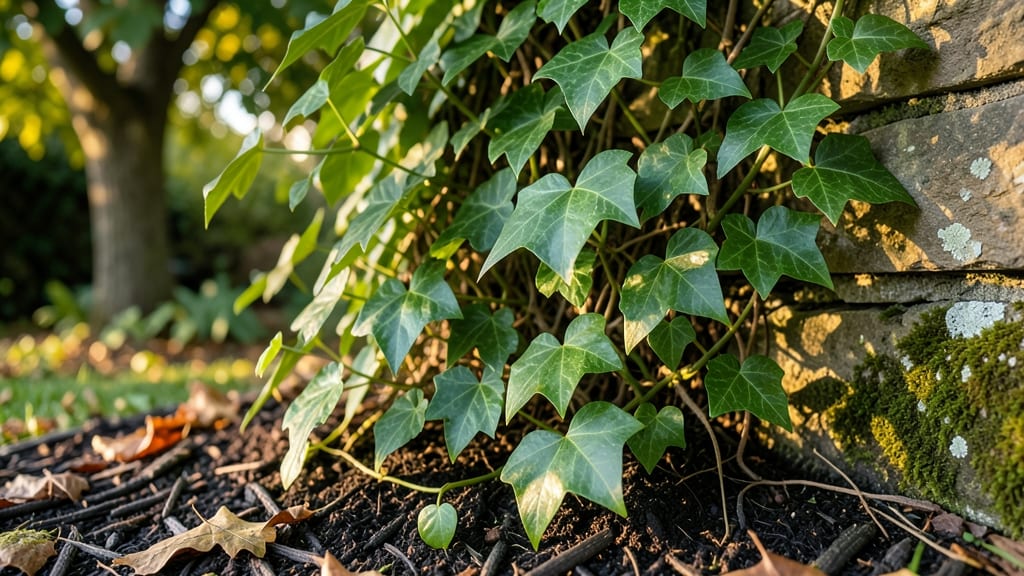
That one leaf could be the difference between a harmless garden vine and a skin-irritating nightmare—ivy identification by leaf is your first line of defense. 🌿 Knowing how to spot the right (or wrong) plant isn’t just about curiosity—it’s about protecting your skin, your garden, and even your pets.
One wrong guess with poison ivy, and you'll spend a week scratching instead of gardening.
Start with leaf edges: smooth means English ivy (safe for most gardens), lobed means Boston ivy (great for walls), and jagged-toothed means poison ivy (that "leaves of three, let it be" rule applies here).
Then check the arrangement—alternating leaves are English, clustered leaves are poison ivy. Texture matters too: English ivy leaves feel slightly fuzzy, while poison ivy leaves are smoother and shinier.
You'll spot the differences instantly after your first close look, and you'll never confuse those vines again. The peace of mind comes from knowing exactly what's growing where—no more guessing games that end with itchy surprises.
Once you master these leaf secrets, even the most tangled ivy becomes easy to identify.
This works for any yard, balcony, or wild area—just bring a magnifying glass or a good camera for close-ups. When in doubt, snap a photo and compare it to reliable sources. Your skin will thank you later.
Why Leaves Vary So Widely
Understanding why ivy leaves differ in shape, size, and texture is key to accurate identification. While some variations are natural, others stem from environmental or biological factors. Here’s a breakdown of the core reasons behind these differences:
Ivy isn’t a single plant—it’s a broad family with over 150 species, each evolving unique leaf adaptations.
For example: - English Ivy (Hedera helix) has lobed leaves with 3–5 pointed tips, while Boston Ivy (Parthenocissus tricuspidata) sports 3–5 deep lobes resembling maple leaves. - Poison Ivy (Toxicodendron radicans) mimics ivy with its 3 glossy leaflets, but its hairy stems and white berries set it apart. - Climbing vs. Ground Ivy: Some species, like Creeping Charlie (Glechoma hederacea), grow low to the ground with rounded, scalloped leaves, while true ivies cling to surfaces with aerial rootlets.
Why it matters: Genetic differences drive leaf shape, making visual ID essential. Always cross-check with stem structure, growth habit, and berries for confirmation.
Leaves change under duress—whether from light, water, or temperature. Here’s how:
| Stressor | Leaf Reaction | Example in Ivy |
|---|---|---|
| Low Light | Larger, thinner leaves to maximize light absorption | English Ivy in shaded walls develops broader, paler leaves than sun-exposed plants. |
| Drought | Smaller, thicker leaves to reduce water loss | Poison Ivy in dry climates may produce leathery, waxy leaves with fewer veins. |
| High Humidity | Smoother, glossier leaves to prevent fungal growth | Boston Ivy in tropical zones often has shinier, less lobed leaves than in drier areas. |
| Wind Exposure | Tougher, more compact leaves to minimize damage | Climbing Ivy on windy cliffs may grow smaller, more rigid leaves for stability. |
Pro Tip: 🌡️ If you spot yellowing or curling leaves, it’s often a sign of overwatering or nutrient deficiency—not just species variation.
Insects, fungi, and bacteria can warp, discolor, or deform ivy leaves, mimicking natural variations. Common culprits:
- 🐜 Spider Mites: Tiny pests that cause stippling (tiny white dots) and leaf yellowing.
Severe infestations lead to crinkled, distorted leaves. - 🍄 Powdery Mildew: A fungal infection creating white, powdery patches on leaves, often seen in humid, low-light conditions. - 🐛 Scale Insects: Sap-sucking bugs that leave sticky residue (honeydew) and black sooty mold on leaves, making them appear dull or spotted. - 🍄 Anthracnose: A fungal disease causing dark, sunken spots with yellow halos, common in wet, shady environments.
Red Flag: 🚨 If leaves look unusually spotted, sticky, or deformed, inspect the undersides for pests or mold growth before assuming it’s a species trait.
Ivy leaves aren’t static—they morph as the plant matures and with the seasons:
- Juvenile vs. Mature Leaves:
- Mature ivy develops fully lobed or serrated edges as it prioritizes photosynthesis.
- New leaves may appear
- Some ivies (like
Actionable Tip: ✨ Compare multiple leaves—if the plant is young, wait a season before ruling out species based on leaf shape alone.
Quick Fixes for Common Ivy Confusions
Confused about whether that leafy climber is English ivy, poison ivy, or something else? Don’t panic—here’s how to quickly resolve the most common ivy misidentifications and keep your garden (or skin!) safe.
Before diving into fixes, confirm your ivy type with these fast visual cues:
- 🍃 Leaf Shape & Arrangement
- English Ivy (Hedera helix): 3-5 glossy lobes (like a mitten), alternating leaves, and a distinctive "claw" shape at the base.
- Poison Ivy (Toxicodendron radicans): 3 shiny leaves (remember: "Leaves of three, let it be!"), but the middle leaf often has a longer stem (petiole) than the side leaves.
- Boston Ivy (Parthenocissus tricuspidata): 3-5 deeply lobed leaves (like a maple), but with red-purple fall color and suckers (clinging tendrils).
- 🌿 Stem & Growth Habits
- English Ivy: Climbs via aerial rootlets (tiny hair-like structures) but can also sprawl as ground cover.
- Poison Ivy: Uses root-like tendrils to cling to surfaces (often looks "sticky" when young).
- Boston Ivy: No tendrils—it clings via disk-shaped pads (like suction cups).
- 🍂 Seasonal Clues
- Fall: English ivy turns yellow-green, while Boston ivy blazes crimson or purple. Poison ivy? Usually stays green until frost.
Got an unwanted ivy takeover? Here’s how to tame or eliminate it based on the type:
🌱 For English Ivy (Ornamental but Invasive)
Problem: Smothers trees, damages siding, or chokes gardens. Fix:
- 🔪 Manual Removal (Best for Small Patches):
- Wear gloves and long sleeves—English ivy can irritate sensitive skin.
- Pull or dig roots in early spring (before new growth).
- Smother with cardboard/mulch to block sunlight (ivy hates shade!).
- 💧 Vinegar Spray (Fast-Kill for Large Areas):
- Mix 1 gallon white vinegar + 1 oz dish soap in a sprayer.
- Apply directly to leaves/stems on a sunny day (sun intensifies the burn).
- Repeat every 3–4 days until dead (may take 2–3 weeks).
- 🌱 Prevention:
- Plant competitive ground covers (like creeping thyme or clover) to outcompete ivy.
- Install physical barriers (landscape fabric) under fences or trees.
⚠️ For Poison Ivy (Dangerous—Proceed with Caution!)
Problem: Rashes, blisters, or allergic reactions from urushiol oil (even dead plants can cause reactions). Fix:
- 🛡️ Safety First:
- Wear a respirator, gloves, and goggles—do not burn it (smoke spreads urushiol!).
- Cover skin completely (long sleeves, pants, closed shoes).
- 🔪 Cut & Bag (Best Method):
- Cut vines at the base (wear gloves!) and double-bag clippings.
- Dispose of bags in sealed trash (not compost or recycling).
- 💧 Herbicide (For Stubborn Patches):
- Use glyphosate-based herbicide (like Roundup) only on non-poisonous plants first to test sensitivity.
- Apply directly to cut stumps (not leaves) to kill roots.
- 🌱 Prevention:
- Replace with non-toxic alternatives like clematis or trumpet vine.
- Seal skin immediately if exposed: Wash with cold water + soap (hot water opens pores!).
Use calamine lotion or hydrocortisone cream for rashes.
🍁 For Boston Ivy (Aggressive but Stunning)
Problem: Fast-growing but can peel paint or damage roofs if unchecked. Fix:
- 🎯 Prune Strategically:
- Trim in late winter to control spread—cut back 1/3 of the vine annually.
- Redirect growth onto trellises or arbors to save walls.
- 🌿 Mulch & Smother:
- Apply thick mulch (4–6 inches) around the base to starve roots.
- Solarize soil (cover with clear plastic for 4–6 weeks in summer) to kill roots.
- 🌱 Prevention:
- Plant in containers if you love the look but hate the spread.
- Use root barriers (buried plastic or metal) to contain growth.
- 🔍 Learn the "Leaf of Three" Rule: If you see three leaves, assume poison ivy until proven otherwise.
- 📸 Take Photos: Snap pics of leaf shape, stems, and growth patterns before removal for future reference.
- 🌿 Test for Urushiol (Poison Ivy): Rub a leaf on white paper—if it leaves a stain, it’s likely poison ivy.
- 🛒 Gear Up: Keep vine gloves, pruners, and a trash bag handy for quick ivy emergencies.
If ivy is covering a large tree, on multiple stories of a building, or near power lines, hire a licensed arborist or pest control expert. They have the tools (like boom lifts and industrial herbicides) to handle it safely.
Frequently asked questions
How can I tell if my ivy has three leaves or five lobes?
Look closely at the leaf base: three leaves (like poison ivy) have separate stems, while five-lobed leaves (like English ivy) grow from a single point. Hold the leaf up to light—if you see three distinct stems meeting at one point, it’s poison ivy. If the lobes connect at the base like fingers on a hand, it’s English ivy.
Are all ivy plants toxic?
No! Only poison ivy contains urushiol oil (the irritant). English ivy and Boston ivy are non-toxic, though they can still cause mild skin irritation in sensitive individuals. Always check for the "leaves of three" rule before touching unknown vines.
What should I do if I accidentally touch poison ivy?
Wash your skin immediately with cold water and soap—hot water opens pores and spreads the oil. Use a washcloth to scrub thoroughly, especially under nails. If you develop a rash, apply calamine lotion or hydrocortisone cream and avoid scratching to prevent infection.
Can I use ivy leaves for cooking or tea?
Only English ivy is safe for culinary use—its young leaves can be used in salads or as a tea (boiled first). Never use poison ivy or Boston ivy leaves, as they can cause stomach upset or allergic reactions. Always confirm the plant type before harvesting.
Why does my ivy look different in summer vs. winter?
Leaves change with seasons! In summer, ivy grows larger, softer leaves for photosynthesis, while winter leaves become smaller and tougher to conserve energy. Boston ivy’s vibrant fall colors also fade by winter—don’t assume it’s a new species if the leaves look different!