
Leaf Blower
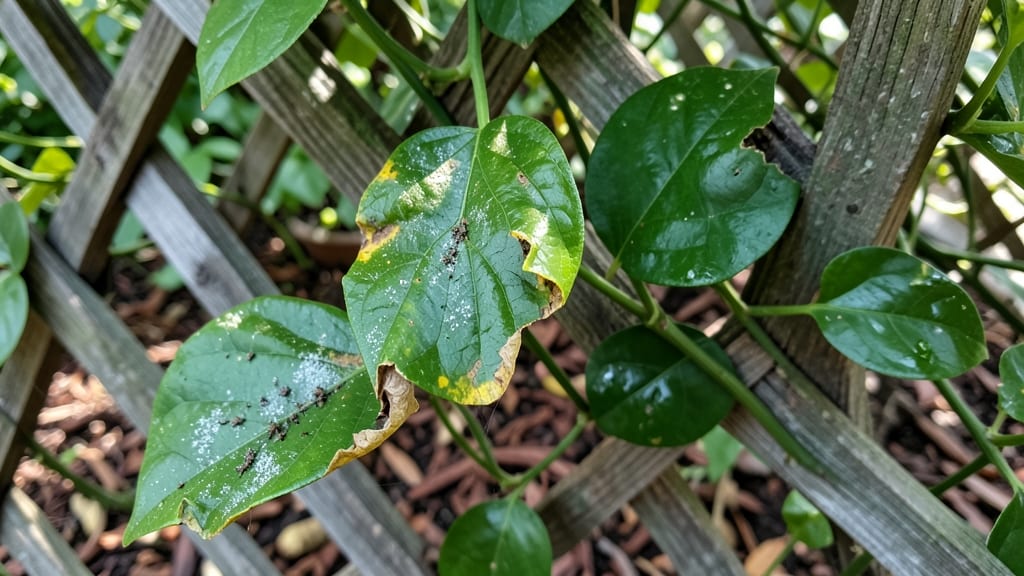
Your jasmine’s crispy, curled leaves—the dreaded jasmine leaf curl—aren’t just ugly—they’re a cry for help. 🌿 I’ve nursed back more than a few jasmine plants from this telltale sign of viral infections, spider mites, or fungal stress, and I’m sharing the exact steps that bring them back to life.
The first step is confirming the culprit: viral leaf curl shows up as stiff, puckered edges, while mites leave behind fine webbing and tiny specks. Fungal versions often appear after wet springs, with yellowing between veins.
Once you know the cause, you can prune infected growth, apply copper spray, or introduce beneficial predators like ladybugs. Within 2-3 weeks of consistent treatment, you’ll see new shoots emerging with smooth, vibrant leaves. The key is acting fast—before the plant’s energy gets completely drained.
I’ve revived plants that looked hopeless with this method, and you can too. This works for star jasmine, Confederate jasmine, and even your prized climbers. Let’s get those leaves uncurling!
Root Causes of Leaf Distortion
When your jasmine plants start showing signs of leaf curl, it’s rarely just a random act of nature—there’s usually a specific culprit behind the crinkled, puckered, or distorted foliage. Understanding these causes is the first step toward restoring your plants to their lush, healthy glory.
Let’s break down the most common reasons why leaf curl occurs, so you can take targeted action.
Jasmine plants thrive in warm climates, but when temperatures spike—especially combined with intense sunlight—they can develop heat stress. This happens when:
- Daytime temps exceed 90°F (32°C): The plant’s natural cooling mechanisms (like transpiration) struggle to keep up, leading to cellular damage.
- Low humidity: Dry air accelerates moisture loss, causing leaves to curl inward as a protective measure.
- Poor airflow: Stagnant air traps heat around the foliage, exacerbating stress.
💡 Pro Tip: If heat is the issue, provide afternoon shade with lightweight shade cloth (30-50%) and mulch the soil to retain moisture. A light misting in the early morning can also help.
Some of the most stubborn cases of leaf curl are caused by pathogens, particularly:
🦠🌿 Jasmine Leaf Curl Virus (JLCV)
The most notorious culprit, Jasmine Leaf Curl Virus, is spread by aphids, whiteflies, or contaminated pruning tools. Once infected, the plant’s cells grow abnormally, causing:
- Thickened, curled leaves with a "crinkled" texture.
- Stunted growth and reduced flowering.
- Yellowing or browning between leaf veins (a classic symptom).
Why it spreads: Viruses hijack the plant’s genetic machinery, forcing cells to produce malformed structures. Unfortunately, there’s no cure—only management (more on that later!).
🍄 Fungal Leaf Spot Diseases
Fungi like Cercospora or Alternaria thrive in warm, humid conditions and can cause:
- Small, dark spots on leaves that enlarge and curl the edges.
- Premature leaf drop if left untreated.
🔥 Key Difference: Fungal curl often starts with spots or lesions, while viral curl is usually uniform and puckered without obvious marks.
Jasmine plants are sensitive to watering imbalances, which can trigger leaf curl in two ways:
💧🚫 Overwatering (Edema)
When soil stays soggy, roots can’t absorb oxygen, leading to:
- Cellular swelling in leaves, causing them to puff up or curl.
- Yellowing or brown patches (a sign of root rot).
🌡️ How to Check: Stick your finger 2 inches into the soil—if it’s damp, hold off on watering. Jasmine prefers well-draining soil and consistent moisture, not saturation.
💧🔥 Underwatering (Drought Stress)
On the flip side, chronic drought forces leaves to curl inward to conserve moisture. Signs include:
- Leaves feeling dry or crispy to the touch.
- Edges turning brown and brittle.
- Stunted new growth.
⏰ Fix It Fast: Water deeply at the base of the plant (not overhead) and mulch to retain moisture. Jasmine roots need 1-1.5 inches of water per week in most climates.
Leaves don’t just curl from lack of nutrients—they can also react to excess or imbalances. Here’s what to watch for:
🟡🌱 Magnesium or Potassium Deficiency
These macronutrients are critical for cell structure. A deficiency causes:
- Interveinal chlorosis (yellowing between veins) paired with curling.
- Weak stems and poor flowering.
💡 Solution: Apply Epsom salt (magnesium sulfate) or a balanced liquid fertilizer (10-10-10) every 4-6 weeks during growing season.
💀🌿 Copper and Boron Toxicity
While copper sprays (like your rescue treatment!) are great for fungal control, overuse can burn leaves, causing:
- Curling, browning edges, or scorched spots.
- Stunted growth if roots absorb too much.
⚠️ Safety First: Always follow label rates (typically 0.5–1 lb copper per 100 gallons of water) and avoid spraying in direct sunlight or high heat.
Sometimes, leaf curl isn’t a disease at all—it’s a physical response to stress or pests:
🐜🐛 Sap-Sucking Insects
Aphids, spider mites, and whiteflies pierce leaves to feed, triggering:
- Curling to protect damaged tissue.
- Sticky honeydew residue (a sign of aphids).
- Fine webbing (spider mites).
🔪 Act Now: Blast pests off with a strong water spray or use neem oil (1 tsp per quart of water) to disrupt their life cycle.
🪰💥 Mechanical Injury
Rough handling (like wind, hail, or aggressive pruning) can cause:
- Localized curling where cells are crushed.
- Tear-like edges on leaves.
🛡️ Prevent It: Stake tall jasmine varieties in windy areas and prune with clean, sharp tools to avoid tearing.
Fixing Leaf Curl Issues Naturally
When your jasmine’s leaves start curling like a crispy edge on forgotten fries, it’s time to roll up your sleeves and take action. The good news? Most causes have simple, effective fixes—whether you’re dealing with pests, disease, or environmental stress.
Below, we’ve mapped out practical solutions for each common trigger, plus prevention tips to keep your jasmine thriving long-term.
If leaf curl is caused by fungal diseases like leaf curl virus or powdery mildew, copper-based sprays are your best friend. These sprays create a protective barrier while disrupting fungal spores.
How to Fix It:
- 🍳 Mix Your Spray:
- Use a copper fungicide (like copper sulfate or copper hydroxide) diluted as per package instructions.
- For a DIY option, mix 1 tsp copper sulfate + 1 gallon of water + a drop of dish soap (to help it stick).
- 👨🍳 Apply at the Right Time:
- Spray early morning or late evening when humidity is lower (fungi love moisture!).
- Focus on both sides of leaves and stems—don’t miss a spot!
- ⏰ Repeat Every 7–14 Days:
- Fungal spores are persistent, so reapply after rain or as directed on the label.
💡 Prevention Tip:
- Improve airflow by pruning overcrowded branches.
- Water at the base (avoid wetting leaves) to reduce fungal growth.
If tiny invaders like spider mites, aphids, or whiteflies are sucking the life out of your jasmine, a neem oil treatment will send them packing.
How to Fix It:
- 🔪 Inspect & Remove Pests:
- Use a magnifying glass to spot pests hiding on leaf undersides.
- Blast them off with a strong spray of water (early morning works best).
- 🌿 Apply Neem Oil Solution:
- Mix 1 tbsp neem oil + 1 tsp mild soap + 1 quart of water.
- Spray thoroughly, covering all leaf surfaces.
- Reapply every 5–7 days until pests disappear.
- 🎯 Introduce Beneficial Insects:
- Ladybugs and lacewings love eating pests—release them near infected plants.
💡 Prevention Tip:
- Inspect new plants before bringing them home (quarantine for a week if possible).
- Encourage natural predators by planting marigolds or basil nearby.
Too much sun, drought, or sudden temperature swings can make leaves curl like a parchment. Tweak your care routine to bring them back to their lush selves.
How to Fix It:
- 🌡️ Check Light Exposure:
- If leaves are yellowing + curling, your jasmine may be sunburned.
- Move to partial shade (morning sun is gentler than harsh afternoon rays).
- 💧 Water Wisely:
- Overwatering? Let the top 1–2 inches of soil dry out before watering again.
- Underwatering? Give it a deep soak and mulch around the base to retain moisture.
- 🌡️ Stabilize Temperatures:
- Jasmine hates sudden cold snaps—protect it with burlap wraps in winter.
- Avoid placing near drafty windows or AC vents.
💡 Prevention Tip:
- Mulch heavily in summer to keep roots cool.
- Gradually acclimate new plants to outdoor conditions (avoid shocking them with full sun).
Yellowing leaves with curled edges might signal nitrogen, magnesium, or iron deficiencies. A balanced fertilizer can restore vibrancy.
How to Fix It:
- 📊 Test Your Soil:
- Use a DIY soil test kit (or send a sample to a local extension office).
- If deficient, amend with:
- Nitrogen (for green growth) – Use fish emulsion or blood meal.
- Magnesium (for leaf structure) – Sprinkle Epsom salt (1 tbsp per gallon of water).
- 🍎 Feed Regularly (But Not Too Much!):
- Apply a balanced 10-10-10 fertilizer every 4–6 weeks in growing season.
- Avoid over-fertilizing—this can burn roots and worsen curl.
💡 Prevention Tip:
- Compost around the base annually to improve soil health naturally.
- Flush the soil every few months to prevent salt buildup from fertilizers.
If your jasmine is severely damaged, don’t panic—pruning can stimulate new growth while removing the worst-affected leaves.
How to Fix It:
- 🔪 Trim the Damaged Parts:
- Use sterilized pruners to cut back curl-infected leaves (don’t leave stubs).
- Remove weak or crossing branches to improve airflow.
- 🌱 Encourage Regrowth:
- After pruning, give your plant a light fertilizer boost (like seaweed extract).
- Mist leaves daily to reduce stress while they recover.
💡 Prevention Tip:
- Prune regularly (2–3 times a year) to keep the plant healthy and prevent overcrowding.
Final Thought: Most leaf curl issues are reversible with the right care. Start with copper spray for fungi, neem oil for pests, and adjusting water/light for environmental stress. Once you identify the root cause, your jasmine will bounce back—crispy edges and all! 🌿✨
Frequently asked questions
How can I tell if my jasmine has a viral infection versus fungal curl?
Viral leaf curl shows thickened, puckered leaves without spots, often with yellowing between veins. Fungal curl usually appears with small dark spots that enlarge and cause edges to curl. Viruses have no cure—only removal of infected plants—but fungi respond well to copper sprays.
Will pruning help if my jasmine already has curled leaves?
Yes! Prune only the most severely curled leaves using sterilized tools to prevent spreading pathogens. Remove 1/3 of the plant if needed, then fertilize lightly to encourage new growth. Avoid heavy pruning during dormancy.
Can I save a jasmine plant if it's already heavily infected with leaf curl?
For viral infections, removal is safest to prevent spread. For fungal or pest-related curl, copper sprays + neem oil can revive plants in 2-4 weeks if caught early. Severely damaged plants may need replacement, but healthy stems often regrow.
How often should I apply copper spray for prevention?
Apply every 2-3 weeks during growing season (spring-fall) for prevention. After rain or if you notice new spots, reapply immediately. Always use early morning or evening applications to avoid leaf burn.
Are there jasmine varieties that resist leaf curl better?
Star jasmine (Trachelospermum jasminoides) is generally more resistant than other varieties. Choose disease-free nursery plants and avoid overcrowding to improve airflow. Local nurseries can recommend resistant cultivars for your climate.