
Leaf Blower
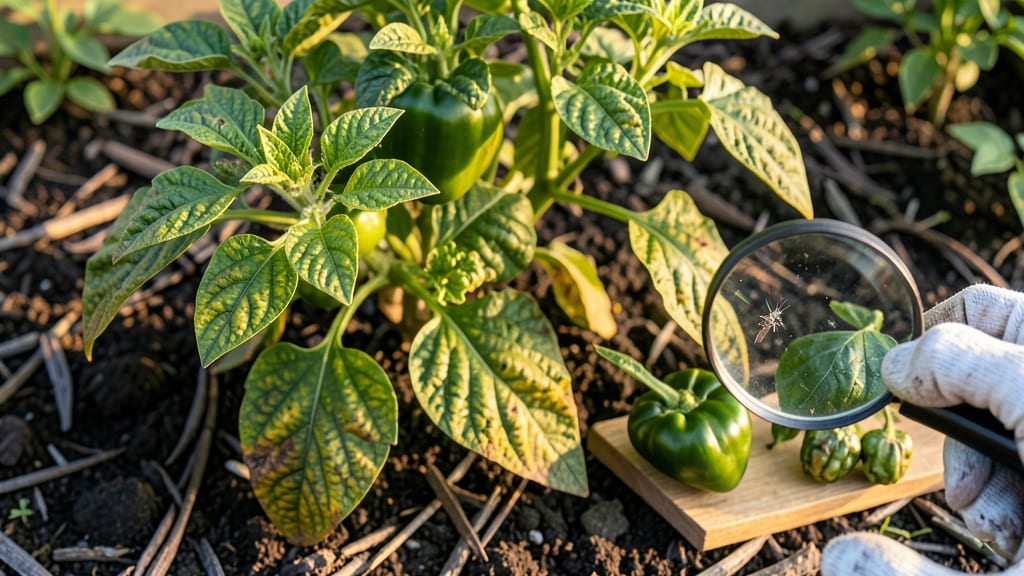
Your peppers are curling up like crumpled paper, and that’s not normal. 🌶️ Pepper leaf curl virus turns vibrant plants into stunted, twisted messes—but there’s a way to fight back before it spreads.
The key? A targeted fungicide blend that tackles fungal spots and weakens the virus’s grip on your plants.
First, don’t panic—this isn’t always a death sentence. The virus spreads through insects (like aphids) and contaminated tools, so quarantine infected plants immediately. Prune away curled leaves with sterilized shears, then focus on strengthening your remaining peppers with copper-based sprays or neem oil.
It’s not a cure, but it buys you time to save your harvest.
Within 2-3 weeks, you’ll see less curling if you act fast. The blend I use—copper fungicide + potassium bicarbonate—stops fungal spots from worsening, which gives your plants a fighting chance. Plus, it’s safe enough for organic gardens if you’re certified.
For next season, grow resistant varieties like ‘Aristotle’ or ‘Carmen’ and keep aphids in check with reflective mulch. This virus is stubborn, but with these steps, you’ll minimize damage—and maybe even save a few peppers along the way.
Root Causes Of Plant Decline
The pepper leaf curl virus (PLCV) doesn’t just appear out of nowhere—it thrives due to a mix of biological, environmental, and agricultural factors. Understanding these triggers is key to preventing outbreaks and protecting your crops. Below, we break down the why behind this stubborn pathogen’s spread.
PLCV is primarily spread by whiteflies (Bemisia tabaci), tiny sap-sucking insects that act as living syringes, injecting the virus into healthy plants as they feed. Here’s how it works:
- Whitefly Feeding Cycle: These pests insert their proboscis into plant phloem, where they ingest—and later transmit—the virus to new hosts.
- High Infestation = High Risk: A single whitefly can carry multiple virus strains, making dense infestations a ticking time bomb for PLCV spread.
- Actionable Insight: Monitor whitefly populations early (use yellow sticky traps) and disrupt their lifecycle with neem oil or insecticidal soaps before they become a problem.
Stressed plants are more vulnerable to viral infections. PLCV exploits these weaknesses:
- Extreme Heat & Drought: High temperatures (>86°F/30°C) and water scarcity impair plant immunity, making them easier targets.
- Poor Soil Health: Nutrient deficiencies (especially potassium and phosphorus) weaken cell walls, giving the virus easier entry points.
- Overcrowding: Dense plantings reduce airflow, increasing humidity and creating ideal conditions for whiteflies to thrive.
- Pro Tip: 💡 Mulch with compost to retain moisture and improve soil structure, while pruning for airflow reduces humidity hotspots.
Human activity can accidentally introduce PLCV to clean fields:
- Infected Plant Material: Transplanting infected seedlings or using contaminated pruning tools spreads the virus mechanically (even without vectors).
- Seedborne Transmission: Some virus strains persist in seeds, ensuring new infections in subsequent plantings.
- Solution: Disinfect tools with 70% alcohol between uses and source seeds from certified disease-free suppliers.
PLCV doesn’t respect borders—it hitches rides on:
- Imported Plants: Infected nursery stock or cuttings can introduce the virus to new regions.
- Windborne Spread: Lightweight whiteflies can travel miles on wind currents, colonizing distant crops.
- Traveling Gardeners: Contaminated clothing, equipment, or even soil on shoes can carry the virus between farms.
- Prevention Tip: ✨ Quarantine new plants for 2–4 weeks and inspect shipments for whitefly activity before planting.
By addressing these root causes—vector control, environmental resilience, hygiene, and biosecurity—you can drastically reduce PLCV’s grip on your crops. The battle starts with understanding why it happens, not just how to treat it.
How to Treat and Prevent Leaf Curl
If your pepper plants are showing signs of leaf curl, yellowing, or stunted growth, acting fast is key to saving your harvest. Below are practical, step-by-step solutions tailored to the root causes of leaf curl—whether it’s viral, fungal, or environmental.
Follow these fixes to restore plant health and prevent future outbreaks.
Cause: Viral spread (e.g., Pepper Leaf Curl Virus) or severe fungal infection Fix:
- 🔪 Snip and toss any visibly infected leaves or plants into a sealed trash bag. Never compost infected plant material—this spreads the virus.
- 🧹 Sterilize pruners with rubbing alcohol (70% or higher) between cuts to avoid cross-contamination.
- 🚫 Quarantine healthy plants if the virus is suspected—keep them away from infected areas for at least 2 weeks.
💡 Pro Tip: If the entire plant is severely curled or stunted, dig it up and dispose of it to prevent the virus from spreading to neighboring plants.
Cause: Secondary fungal infections (e.g., Alternaria or Phytophthora) worsening leaf curl Fix:
- 🛡️ Use a copper-based fungicide (e.g., Bordeaux mixture or copper sulfate) or a blend of neem oil + baking soda (1 tsp baking soda + 1 tbsp neem oil + 1 quart water + a drop of dish soap as a surfactant).
- 🌱 Spray undersides of leaves (where fungi often hide) and stems every 7–10 days until symptoms fade.
- 🌡️ Avoid spraying when leaves are wet—this can encourage fungal growth. Early morning or late evening is ideal.
✨ Prevention Tip: Rotate fungicides to avoid resistance. Alternate between copper, sulfur, and organic options like potassium bicarbonate.
Cause: Weakened plants (nutrient-deficient or stressed) are more susceptible Fix:
- 🌿 Feed with compost tea or fish emulsion (high in nitrogen and micronutrients) to strengthen plant defenses.
- 💧 Water at the base (avoid overhead watering) to reduce fungal splash and keep leaves dry.
- 🍄 Add mycorrhizal fungi to the soil—these beneficial microbes improve root health and resistance.
🎯 Long-Term Prevention:
- 📊 Test soil pH (peppers thrive at 6.0–6.8). Adjust with lime (to raise pH) or sulfur (to lower it) if needed.
- 🥗 Mulch with straw or wood chips to retain moisture, regulate soil temperature, and deter fungal spores.
Cause: Environmental stress (heat, poor airflow, overwatering) weakens plants Fix:
- 🌬️ Improve airflow by spacing plants 18–24 inches apart and pruning crowded foliage.
- 💦 Water deeply but less frequently—peppers hate soggy roots. Aim for 1–1.5 inches of water per week.
- 🌞 Provide shade cloth (30–50%) if temperatures exceed 90°F (32°C)—leaf curl can mimic heat stress.
🔥 Emergency Fix for Heat Stress:
- 🚿 Mist leaves lightly in the early morning to cool them down (avoid evening misting to prevent fungal growth).
Cause: Poor hygiene or ignored early signs Fix:
- 🧼 Clean tools and hands before and after handling plants.
- 🌱 Rotate crops—don’t plant peppers, tomatoes, or eggplants (all in the nightshade family) in the same spot for 3–4 years.
- 🐝 Encourage beneficial insects like ladybugs and lacewings—they prey on pests that weaken plants.
- 🌱 Start with virus-free seedlings—buy from reputable nurseries or test seeds for viral resistance.
💡 Bonus Tip: Interplant peppers with marigolds or basil—these act as natural pest repellents and improve plant vigor.
By tackling the root cause—whether it’s viral, fungal, or environmental—you can reverse leaf curl damage and protect your pepper plants for a bountiful harvest. Act fast, stay consistent, and your plants will bounce back! 🌱💪
Frequently asked questions
Can pepper leaf curl virus spread to other plants in my garden?
Yes, it can spread rapidly to other plants—especially nightshades like tomatoes, eggplants, and potatoes. The virus spreads through whiteflies and contaminated tools, so quarantine infected plants immediately and disinfect equipment with 70% alcohol to prevent cross-contamination.
What’s the difference between pepper leaf curl virus and heat stress?
Both cause leaf curling, but heat stress usually affects all leaves uniformly and disappears when temperatures drop, while viral symptoms persist and worsen over time. Check for whiteflies or yellowing veins—key indicators of PLCV.
Will copper fungicide help if my peppers already have leaf curl?
No, copper fungicides only treat fungal infections, not viruses. For PLCV, focus on removing infected plants and controlling whiteflies with neem oil or insecticidal soap. Copper can still help prevent secondary fungal infections that worsen symptoms.
Are there pepper varieties resistant to leaf curl virus?
Yes! Varieties like ‘Aristotle’, ‘Carmen’, and ‘Perennial’ show better resistance. Look for disease-resistant labels when buying seeds, and consider growing them in greenhouses to reduce whitefly exposure.
How long does it take to see improvement after treatment?
If you remove infected plants and control whiteflies, you may see slower symptom progression within 2-3 weeks. However, there’s no cure for PLCV—focus on preventing spread and strengthening healthy plants to minimize damage.